.webp&w=384&q=75)

Loading, please wait...
Loading, please wait...

Researchers recently investigated ultrasound-assisted radiopharmaceutical delivery in patients with advanced cervical cancer. This innovative approach addresses the limited uptake of standard treatments in bulky tumors. By using focused ultrasound and microbubbles, the team successfully increased the intratumoral uptake of radiopharmaceuticals. Consequently, this study provides vital insights into GNL1-mediated pathway activation during cancer progression.
The single-center pilot study included 30 patients with advanced disease. Each participant underwent paired PET/CT sessions to compare standard delivery against the ultrasound-enhanced method. Importantly, the researchers applied 1 MHz focused ultrasound for 10 minutes. This process involved careful monitoring of microbubble cavitation to ensure effective delivery. Furthermore, the results showed a median index-lesion SUV increase of approximately 28% compared to the control group.
The investigation focused specifically on the GNL1-mediated AKT-P53-P21 axis. This pathway plays a crucial role in regulating cell survival and death. Specifically, the ultrasound treatment triggered the activation of this critical signaling axis. Higher expression levels of tumor-suppressor proteins p53 and p21 were noted in post-treatment biopsies. Moreover, these molecular changes correlate with significant tumor growth inhibition. Therefore, the physical effects of ultrasound may enhance biological responses in advanced malignancies.
In the Indian context, cervical cancer remains a leading cause of mortality among women. Clinicians often face challenges with late-stage diagnoses and poor treatment outcomes. Additionally, existing therapies may lack the required penetration for advanced tumors. Using ultrasound-assisted radiopharmaceutical delivery could bridge this therapeutic gap. However, safety remains paramount in clinical practice. The study notes that adverse events remained within acceptable levels according to CTCAE v5.0 guidelines.
Overall, this pilot study highlights a potential shift in oncology and radiology practice. Specifically, it demonstrates how mechanical energy can improve radiopharmaceutical efficacy. Future trials should validate these findings on a larger scale to confirm long-term benefits. Nevertheless, Indian specialists should remain updated on these technological advancements to improve patient care in reproductive oncology.
Ultrasound combined with microbubbles creates a phenomenon called cavitation. This mechanical process temporarily opens barriers in the tumor vasculature. Consequently, it allows higher concentrations of radiopharmaceuticals to enter the cancerous tissue.
This signaling pathway regulates cell growth and apoptosis. Activation of the AKT-P53-P21 axis through GNL1 helps suppress the progression of cervical cancer cells. Specifically, it increases the presence of tumor-suppressor proteins like p53 and p21.
Disclaimer: This content is for informational and educational purposes only. It does not constitute professional medical advice, diagnosis, or treatment. Always seek the advice of your physician or other qualified healthcare provider with any questions you may have regarding a medical condition. Refer to the latest local and national guidelines for clinical practice.
References

Read summarized clinical updates, watch expert medical content, and earn CME certifications right from your smartphone.
Open your smartphone camera to scan and install.





A study shows ultrasound-assisted radiopharmaceutical delivery increases tumor uptake by 28% and activates the GNL1-mediated AKT-P53-P21 axis in cervical ca...
6 months ago
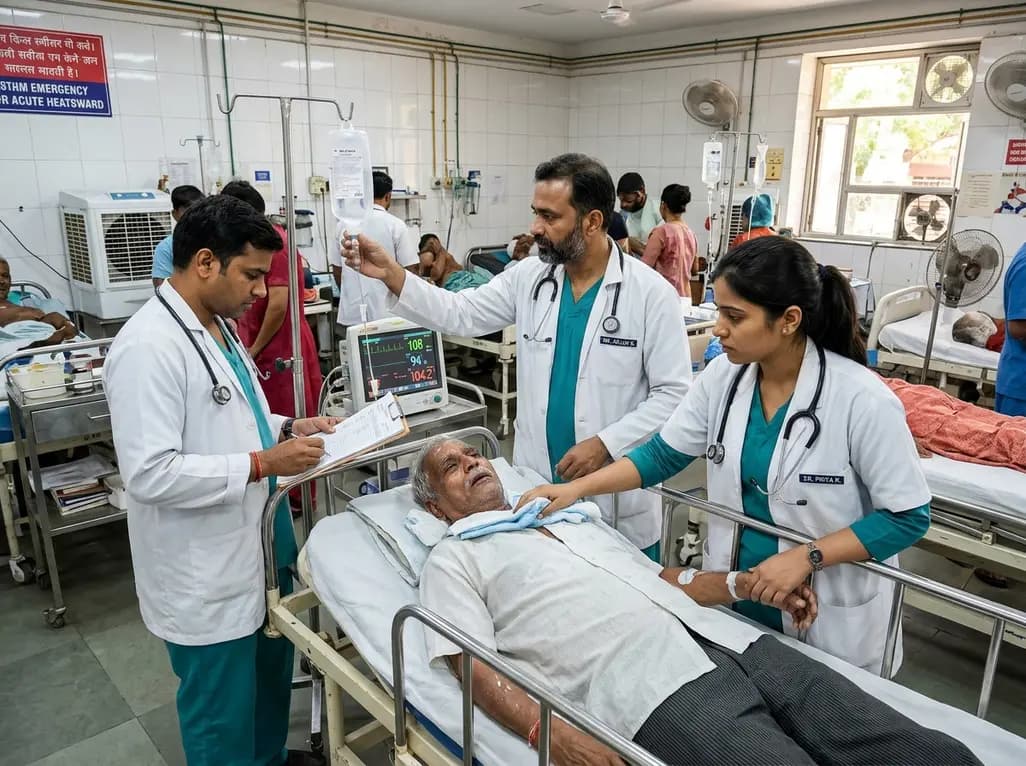
Recent epidemiological data reveals a dramatic surge in summer heat mortality driven by human-induced climate warming. This analysis explores the pathophysiological impacts on cardiac and renal systems, diagnostic dilemmas in death certification, and essential emergency cooling protocols for acute clinical care.
Today
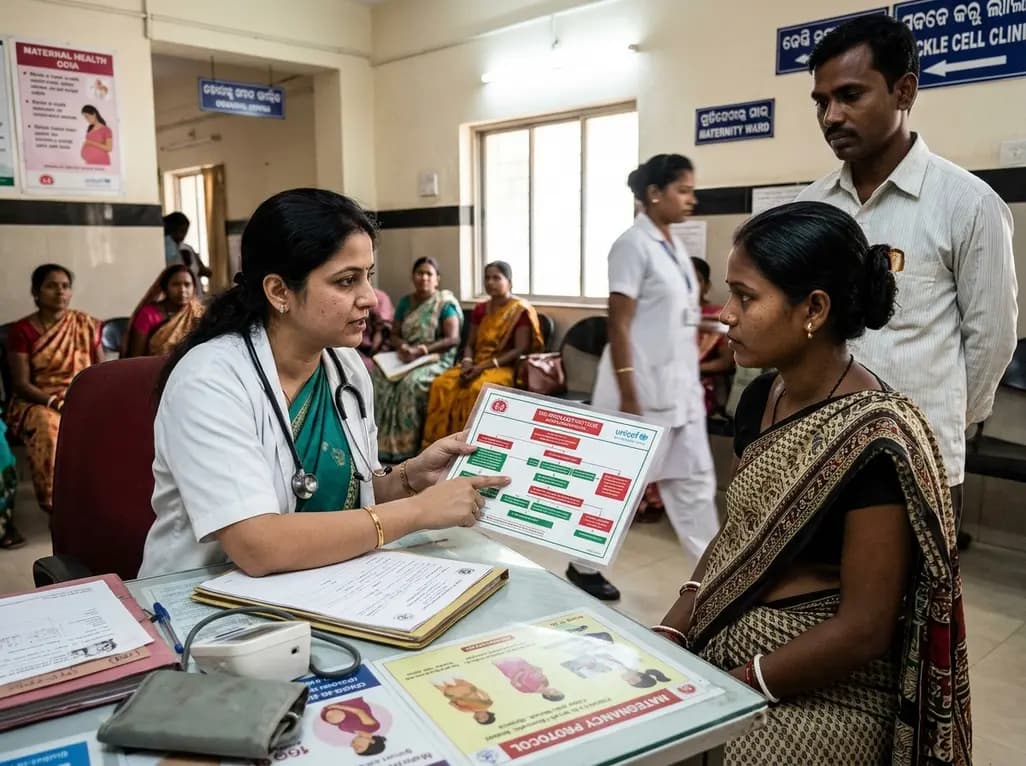
Odisha has established India's first state-level clinical protocol specifically tailored for pregnant women with sickle cell disease. Developed with NHM and UNICEF, the framework provides structured antenatal screening, crisis mitigation, standardized referral pathways, and specialized interdisciplinary care.
Today

India is advancing preventive healthcare by integrating genomics, artificial intelligence, and quantum technologies. With the SANGAM programme sequencing one million Indian genomes, clinicians can unlock personalized therapies, detect cardiometabolic risks early, and curb the burden of diabetes and heart disease.
Today

A randomized controlled trial demonstrates that an eight-week dual-task training intervention significantly improves static and dynamic postural control over standard balance exercises in individuals with chronic ankle instability, addressing critical neurocognitive deficits during athletic and daily activities.
Today

A retrospective cohort study of 7,716 ICU patients from the MIMIC-IV database demonstrates that Gradient Boosting Decision Trees significantly outperform traditional SOFA scores in predicting in-hospital mortality among patients with sepsis and diabetes, with SHAP analysis providing clinical interpretability.
Today
