.webp&w=384&q=75)

Loading, please wait...
Loading, please wait...
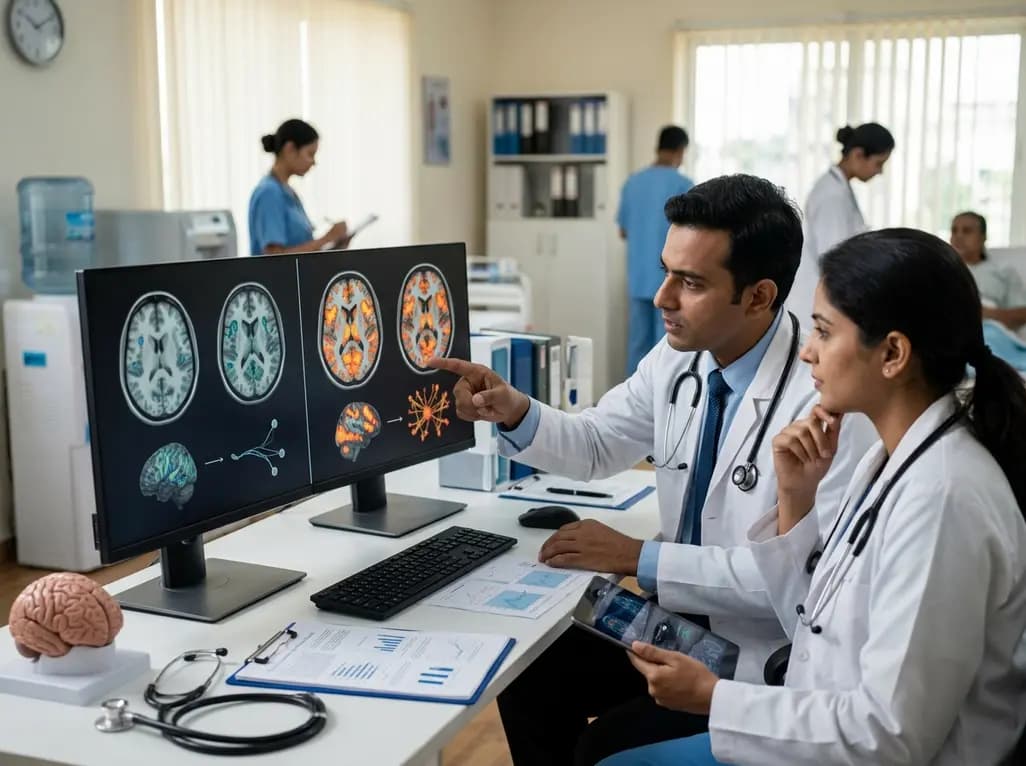
A groundbreaking study has identified two distinct autism subtypes based on brain connectivity patterns. Specifically, researchers discovered one subtype with reduced synaptic communication and another with increased immune-related connectivity. Consequently, this breakthrough could pave the way for highly personalized care and targeted therapeutic interventions. Indeed, clinicians have long observed immense variability in how autism spectrum disorder manifests in different patients. However, they lacked direct evidence that these clinical differences reflected distinct underlying biological mechanisms.
Initially, an international research team analyzed brain connectivity across 20 distinct genetic mouse models of autism. Furthermore, they evaluated functional brain scans from nearly 2,000 human participants, including 940 individuals with autism. This extensive analysis successfully identified two reproducible subtypes that account for about 25 percent of the cases. First, the hypoconnectivity subtype features reduced communication along pathways that help brain cells send signals. In contrast, the hyperconnectivity subtype exhibits increased communication linked directly to immune-related systems and transcription alterations.
Therefore, understanding these biological differences could revolutionize how clinicians diagnose and support autistic individuals in the future. For instance, patients with the hyperconnectivity subtype may benefit from therapies targeting immune pathways. Additionally, those with hypoconnectivity might respond better to treatments that enhance synaptic transmission. Ultimately, this landmark discovery provides a robust, biology-based framework to guide future clinical trials and personalized interventions.
Q1: What are the two newly identified autism subtypes?
The two subtypes include a hypoconnectivity subtype, which is linked to synaptic dysfunction and reduced communication between brain cells, and a hyperconnectivity subtype, which is associated with over-communication and immune-system alterations.
Q2: How was the study conducted to identify these subtypes?
Researchers analyzed brain connectivity across 20 distinct genetic mouse models and compared the patterns with fMRI scans from 940 autistic individuals and over 1,000 neurotypical controls.
Q3: How many individuals with autism are represented by these subtypes?
Together, these two biological subtypes account for approximately 25 percent of the individuals with autism examined in the study.
Disclaimer: This content is for informational and educational purposes only. It does not constitute medical advice or replace professional judgment. Refer to the latest local and national guidelines for clinical practice.
References

Read summarized clinical updates, watch expert medical content, and earn CME certifications right from your smartphone.
Open your smartphone camera to scan and install.





A landmark fMRI study identifies two distinct autism subtypes linked to synaptic hypoconnectivity and immune-related hyperconnectivity....
4 months ago

Recent epidemiological data reveals a dramatic surge in summer heat mortality driven by human-induced climate warming. This analysis explores the pathophysiological impacts on cardiac and renal systems, diagnostic dilemmas in death certification, and essential emergency cooling protocols for acute clinical care.
Today

Odisha has established India's first state-level clinical protocol specifically tailored for pregnant women with sickle cell disease. Developed with NHM and UNICEF, the framework provides structured antenatal screening, crisis mitigation, standardized referral pathways, and specialized interdisciplinary care.
Today

India is advancing preventive healthcare by integrating genomics, artificial intelligence, and quantum technologies. With the SANGAM programme sequencing one million Indian genomes, clinicians can unlock personalized therapies, detect cardiometabolic risks early, and curb the burden of diabetes and heart disease.
Today
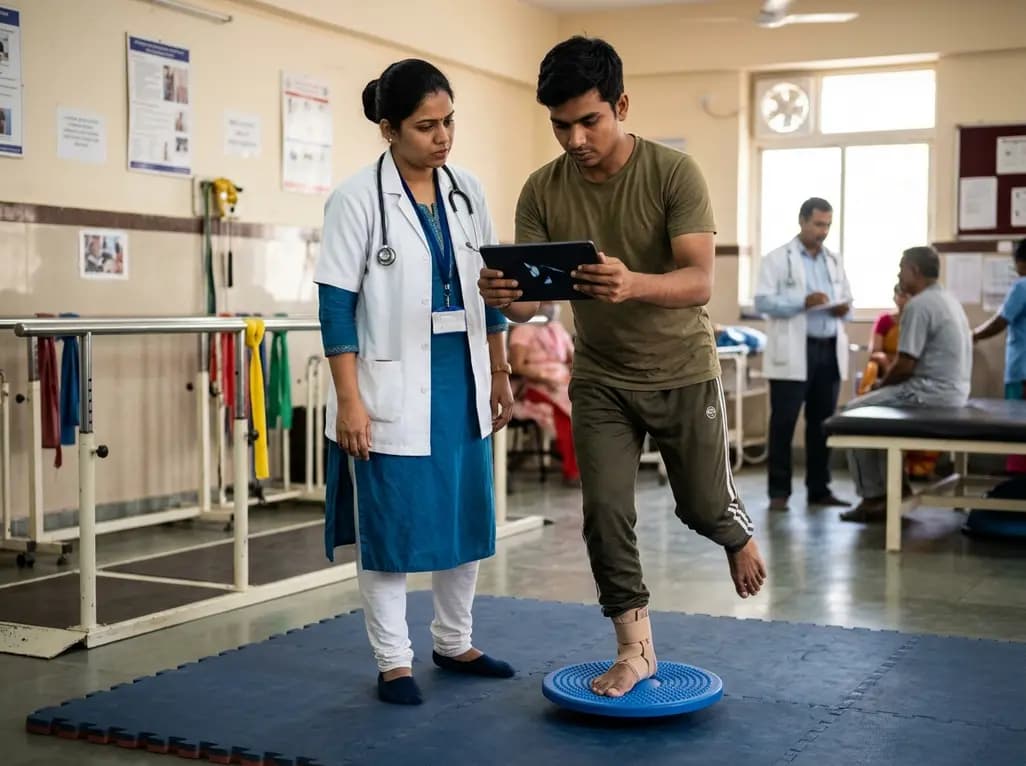
A randomized controlled trial demonstrates that an eight-week dual-task training intervention significantly improves static and dynamic postural control over standard balance exercises in individuals with chronic ankle instability, addressing critical neurocognitive deficits during athletic and daily activities.
Today

A retrospective cohort study of 7,716 ICU patients from the MIMIC-IV database demonstrates that Gradient Boosting Decision Trees significantly outperform traditional SOFA scores in predicting in-hospital mortality among patients with sepsis and diabetes, with SHAP analysis providing clinical interpretability.
Today
