.webp&w=384&q=75)

Loading, please wait...
Loading, please wait...
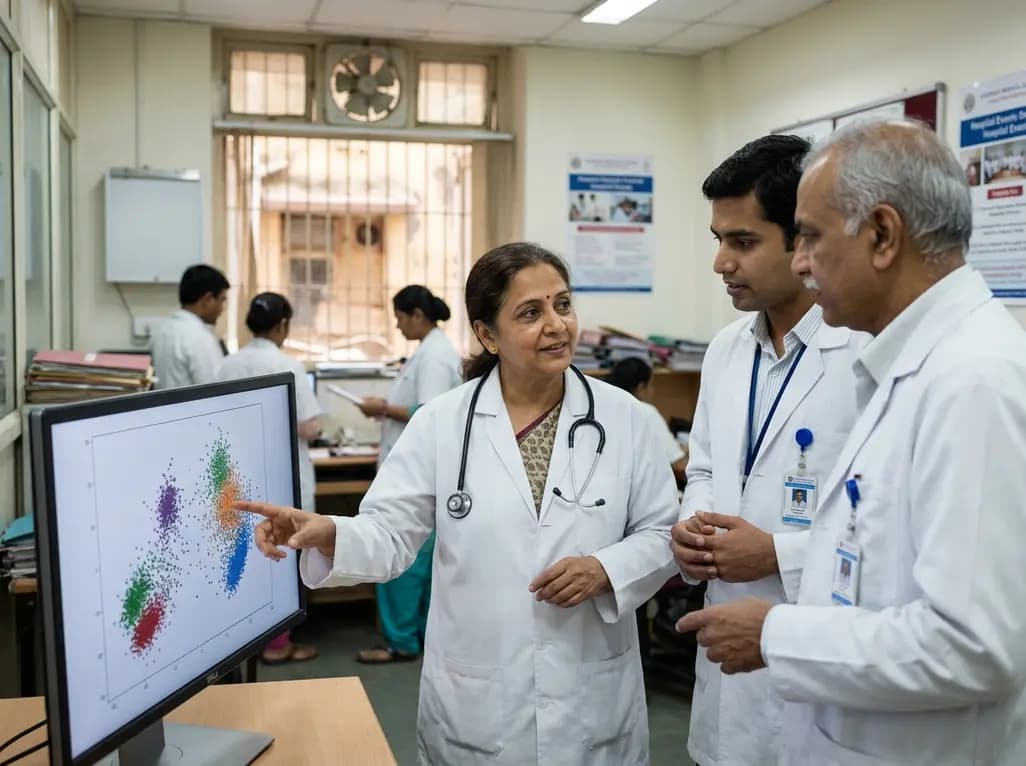
Tuberous sclerosis complex is a heterogeneous genetic condition that challenges clinicians worldwide. Germline variants in the TSC1 or TSC2 genes trigger hyperactivation of the mechanistic target of rapamycin pathway. Consequently, affected individuals develop benign tumours across multiple organ systems, including the brain, kidneys, heart, skin, and lungs. Despite advances in genetic testing, clinicians have long struggled to forecast disease progression. A multicentre study of 947 individuals has now identified four distinct phenotypic trajectories. This landmark research uncovers critical genotype-phenotype correlations, transforming patient risk stratification and long-term clinical care.
Historically, physicians have viewed tuberous sclerosis complex as an unpredictable disorder. While some individuals experience mild skin lesions, others suffer from intractable epilepsy and severe renal dysfunction. To clarify this variability, investigators analyzed longitudinal data from the TSC Alliance natural history database between 2006 and 2022. The observational study encompassed 947 patients across 18 specialized medical centres in the United States.
Researchers systematically evaluated 29 distinct clinical features spanning neurological, cutaneous, renal, pulmonary, and psychiatric manifestations. Furthermore, the investigators applied an unbiased consensus clustering approach to discover co-occurring phenotypes. Rather than analyzing single organ systems in isolation, this computational method mapped broad clinical patterns across the patient lifespan. Importantly, the analysis demonstrated that clinical features do not arise at random. Instead, manifestations coalesce into four reproducible trajectories. This innovative classification provides clinicians with a robust framework to anticipate complications and optimize disease surveillance.
The clustering analysis successfully delineated four distinct disease subgroups, each presenting unique organ involvement and severity. Cluster 1 represents an angiomyolipoma-predominant phenotype. Individuals in this group develop significant renal angiomyolipomas alongside dermatological lesions and subependymal giant cell astrocytomas. Consequently, these patients require close nephrological and neurosurgical monitoring to prevent acute haemorrhage and hydrocephalus.
Cluster 2 comprises patients presenting primarily with early-onset infantile spasms and refractory epilepsy. These children face substantial risks of profound developmental delay, requiring early neurological management. Conversely, Cluster 3 defines a neuropsychiatric-predominant subgroup characterized by autism spectrum disorder, cognitive impairments, and behavioural difficulties known as TAND. Finally, Cluster 4 includes individuals with a milder phenotype. Patients in this group typically present with isolated cutaneous findings and fewer systemic complications. As a result, individuals in Cluster 4 often receive diagnoses later in life and maintain a favourable overall prognosis.
Identifying why disease trajectories diverge has remained a major genetic puzzle. Although variants in TSC2 typically cause more severe phenotypes than TSC1 mutations, this study revealed deeper domain-level associations. Specifically, pathogenic variants located within the Rho domain of hamartin and the TSC1-binding domain of tuberin preferentially associate with Cluster 1.
These domain-specific variants directly disrupt the hamartin-tuberin protein complex, impairing normal suppression of cell growth. Consequently, patients with these variants experience marked multi-organ tumour development, including renal angiomyolipomas and subependymal astrocytomas. Conversely, variants located outside these critical binding domains associate with distinct neurological or milder phenotypic pathways. Therefore, comprehensive genetic testing provides vital prognostic insights beyond mere diagnostic confirmation. By mapping individual variants to functional domains, clinicians can anticipate organ-specific risks and establish targeted clinical monitoring early in life.
The identification of four distinct clinical clusters challenges standard, uniform surveillance guidelines. Traditional protocols recommend intensive multi-organ imaging and specialty evaluations for all patients throughout life. Although comprehensive, these uniform recommendations can overburden healthcare facilities and place substantial emotional burdens on families.
Fortunately, cluster-based stratification enables clinical teams to personalize surveillance protocols effectively. Clinicians can prioritize serial abdominal imaging and early embolization planning for patients fitting Cluster 1. Similarly, infants showing features of Cluster 2 should undergo proactive electroencephalographic screening to identify epileptiform activity before clinical spasms manifest. In contrast, individuals categorized within Cluster 4 may safely undergo less frequent evaluations, sparing patients from repeated hospital visits and unnecessary sedation. Thus, phenotypic clustering allows clinicians to optimize resource utilization while delivering targeted, high-value care.
Heterogeneous clinical presentations have consistently hindered therapeutic trials in tuberous sclerosis complex. Because cohorts include patients with vastly differing disease burdens, therapeutic effects often become diluted in aggregate statistical analyses. Mechanistic target of rapamycin inhibitors, such as everolimus and sirolimus, have transformed clinical care by shrinking tumours and controlling seizures. However, clinical response rates vary considerably among individual patients.
Incorporating phenotypic clustering into clinical trial design provides an effective solution. Researchers can enrich clinical trials with specific subgroups when testing targeted therapeutic interventions. For example, behavioural trials can enrol participants from Cluster 3, while renal trials can focus on Cluster 1. Additionally, tracking cluster-specific biomarkers over time allows researchers to measure therapeutic efficacy with greater precision. Ultimately, this approach will accelerate drug discovery and ensure that emerging therapies reach the most suitable patient populations.
In India, managing rare multisystem genetic disorders presents notable infrastructural and diagnostic hurdles. Many patients experience delayed diagnoses due to variable access to advanced molecular testing and specialized multispecialty clinics. Consequently, Indian physicians frequently encounter patients only after severe complications occur, such as status epilepticus or retroperitoneal haemorrhage from ruptured angiomyolipomas.
Applying these phenotypic trajectories can enhance clinical triage and streamline patient pathways across Indian healthcare centres. Clinicians can utilize clinical clustering to guide targeted diagnostic workups even when genetic testing is unavailable. For instance, identifying infantile spasms alongside hypopigmented macules should immediately trigger prompt vigabatrin therapy and close developmental monitoring. Similarly, adult patients presenting with facial angiofibromas warrant immediate renal ultrasonography. Building multidisciplinary networks among neurologists, nephrologists, and dermatologists across Indian institutions will ensure equitable, cluster-guided care for all affected individuals.
The study identified four distinct trajectories: angiomyolipoma-predominant disease (Cluster 1), early-onset infantile spasms (Cluster 2), neuropsychiatric-predominant disease featuring severe cognitive and behavioural challenges (Cluster 3), and a milder overall phenotype with minimal organ involvement (Cluster 4). Each cluster demonstrates unique clinical risks requiring tailored surveillance.
Variants located in the Rho domain of hamartin and the TSC1-binding domain of tuberin strongly correlate with Cluster 1. These specific alterations destabilize the hamartin-tuberin complex, significantly increasing the likelihood of developing renal angiomyolipomas, severe dermatological lesions, and subependymal giant cell astrocytomas.
Phenotypic clustering replaces generic screening with personalized surveillance protocols. High-risk renal patients receive prioritized abdominal imaging and proactive intervention, while patients at risk for infantile spasms receive early serial electroencephalography. Conversely, patients with milder phenotypes avoid unnecessary, resource-heavy diagnostic testing and hospitalizations.
Disclaimer: This content is for informational and educational purposes only. It is not intended to be a substitute for professional medical advice, diagnosis, or treatment. Always seek the advice of your physician or other qualified health provider with any questions you may have regarding a medical condition. Refer to the latest local and national guidelines for clinical practice.
References

Read summarized clinical updates, watch expert medical content, and earn CME certifications right from your smartphone.
Open your smartphone camera to scan and install.





A multicentre study of 947 patients with tuberous sclerosis complex identified four distinct disease trajectories linked to specific gene domains, providing a roadmap for tailored surveillance and personalized management.
4 weeks back

Systemic amyloidosis management is undergoing a therapeutic revolution. This clinical review synthesizes updates from the International Society of Amyloidosis, detailing novel plasma cell therapies, TTR stabilizers, silencers, translational models, and artificial intelligence in drug development.
Today
A retrospective study of 824 patients undergoing over 2,200 intradetrusor onabotulinumtoxinA injections identifies sex- and etiology-specific predictors of 2-week post-void residual, highlighting the influence of baseline residual volumes, toxin dosage, and distinct urodynamic parameters on urinary retention risk.
Today
The US FDA has granted approval to the SELUTION SLR drug-eluting balloon for treating coronary in-stent restenosis. This milestone introduces a sustained-release sirolimus platform that eliminates the need for additional permanent metallic stents while maintaining robust vascular healing and luminal patency.
Today
Posttraumatic pisotriquetral instability is a rare wrist injury causing severe hypothenar pain and weakness. Explore clinical examination, imaging, and pisiformectomy.
Today

A comprehensive review analyzes periconceptional GLP-1 receptor agonist exposure, revealing reassuring data on congenital anomalies and adverse perinatal outcomes while emphasizing the need for cautious patient counseling.
Today
