.webp&w=384&q=75)

Loading, please wait...
Loading, please wait...

Abbott recently announced the launch of its TriClip TEER system in India. This technology represents a major shift in managing tricuspid regurgitation (TR), often called a leaky heart valve. Because TR often affects patients unsuitable for surgery, this device offers a vital alternative. Consequently, Indian cardiologists now have a specialized tool for right-sided heart valve repair.
The system utilizes a transcatheter edge-to-edge repair technique. Specifically, doctors deliver the device through a vein in the leg. Once it reaches the heart, the clip pulls the valve leaflets together. This action reduces the backflow of blood significantly. Because the procedure is minimally invasive, most patients return home after just one day in the hospital.
The USFDA approved this technology based on the TRILUMINATE Pivotal trial. This study showed that 90% of patients experienced a reduction in TR severity. Furthermore, these benefits remained stable during a one-year follow-up period. Two-year data also indicated a 28% reduction in heart failure hospitalizations. Therefore, the device offers long-term improvements in quality of life for those with severe valve leakage.
In India, TR is frequently linked to rheumatic heart disease and atrial fibrillation. However, clinicians often overlook this condition because symptoms develop slowly. Patients might only notice fatigue or shortness of breath as the disease progresses. Consequently, early intervention with the TriClip TEER system could prevent complications like heart failure or permanent organ damage.
Q1: Who is an ideal candidate for the TriClip procedure?
Patients with symptomatic severe tricuspid regurgitation who are at intermediate or high risk for traditional open-heart surgery are typical candidates.
Q2: How long is the recovery period after the procedure?
Most patients require only about a day of hospitalization and can return to their daily activities much faster than after open surgery.
Disclaimer: This content is for informational and educational purposes only. It does not constitute medical advice or replace professional judgment. Refer to the latest local and national guidelines for clinical practice.
References

Read summarized clinical updates, watch expert medical content, and earn CME certifications right from your smartphone.
Open your smartphone camera to scan and install.





Abbott introduces the TriClip TEER system in India, offering a minimally invasive option for treating leaky tricuspid valves without open-heart surgery....
5 months ago
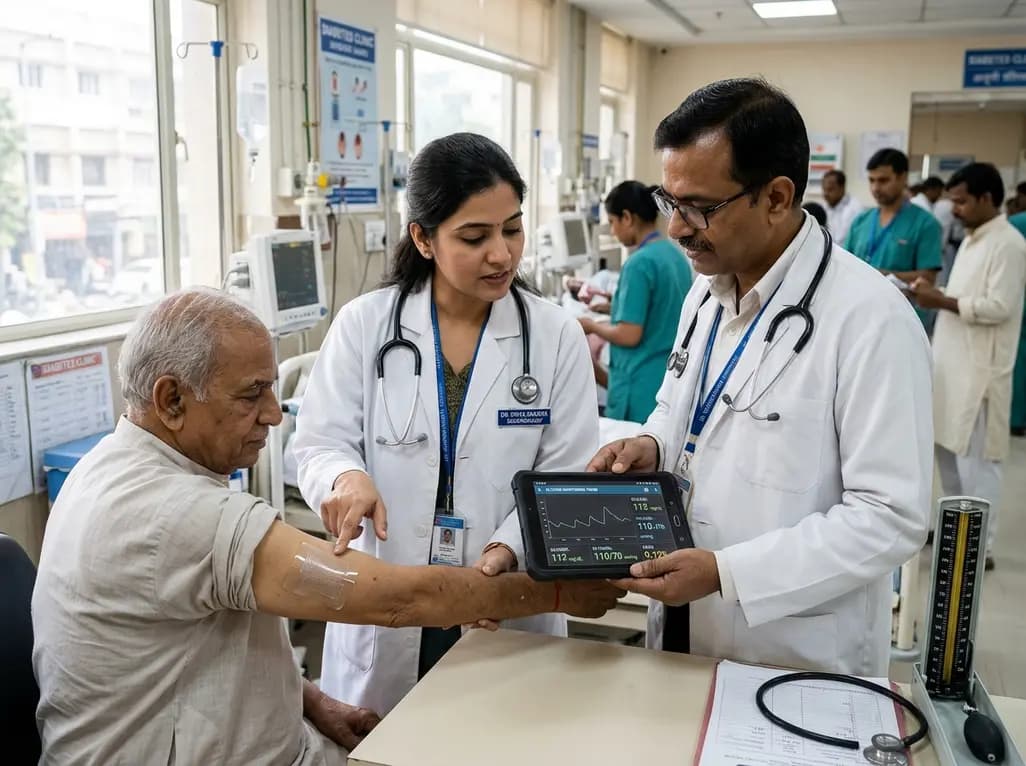
A breakthrough ultrathin multimodal sensor decouples physical hemodynamic monitoring from disposable electrochemical calibration, achieving long-term wearable glucose prediction with 81.36% accuracy and a 9.12% MARD. This offers a robust, drift-free solution for outpatient metabolic surveillance.
Today

A clinical review of menopause and neurology highlights the neurobiological impacts of midlife hormonal shifts on cognition, epilepsy, migraine, multiple sclerosis, and stroke, emphasizing safe hormone therapy prescribing.
Today

Co-administering antiseizure medications and DOACs frequently causes pharmacokinetic interactions, subtherapeutic drug levels, and thromboembolic failures. This review highlights enzyme induction risks, unpredictable outcomes with levetiracetam, and the vital role of therapeutic drug monitoring.
Today
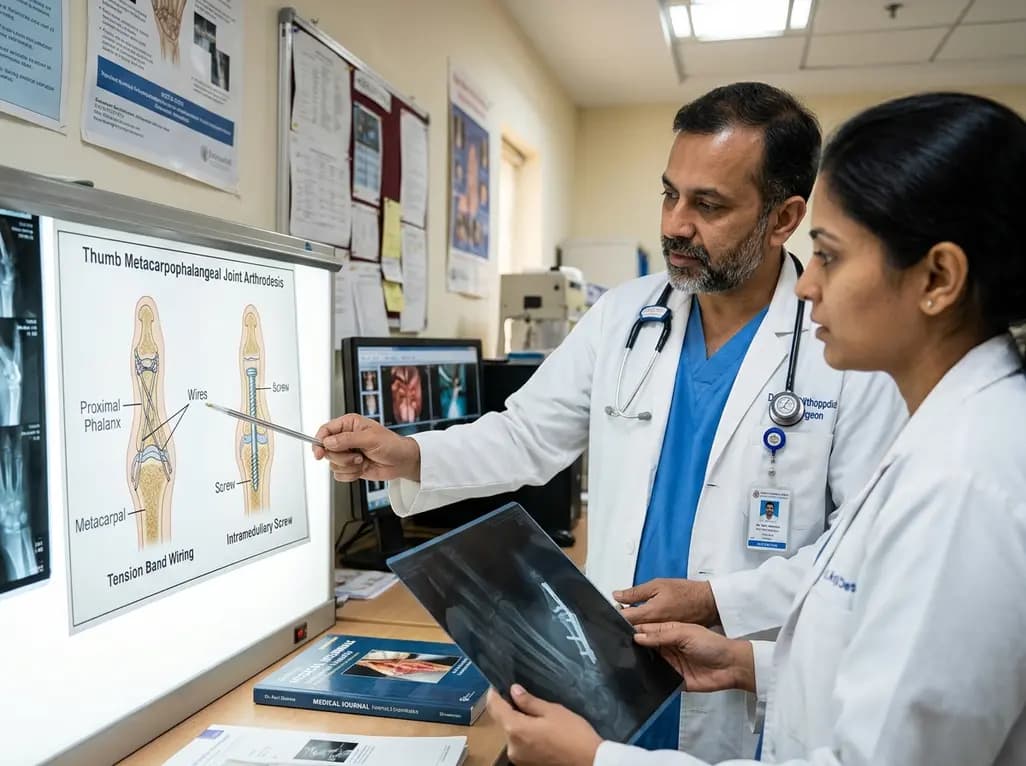
A comparative review of tension band wiring and intramedullary screw fixation in thumb metacarpophalangeal arthrodesis, evaluating union rates, hardware complications, and clinical outcomes.
Today

Following regulatory scrutiny from FSSAI regarding promotional representations and lean muscle preservation claims, Dr. Reddy's Laboratories and Nestlé Health Science are currently reviewing the branding and marketing strategy for their joint nutritional supplement Celevida GLP+.
Today
