.webp&w=384&q=75)

Loading, please wait...
Loading, please wait...

Delivering traumatic patient care places immense clinical and psychological pressure on emergency department nurses. In emergency settings, trauma care demands immediate clinical precision alongside intense emotional stamina. Healthcare professionals encounter polytrauma, severe hemorrhage, interpersonal violence, and sudden catastrophic mortality on daily shifts. Consequently, these encounters force clinicians to confront profound human vulnerability and sudden loss. A recent qualitative study investigated the lived experiences of emergency nurses delivering frontline trauma resuscitation. The researchers used descriptive phenomenology and Colaizzi's rigorous analysis framework to uncover the emotional essence of acute trauma practice. Furthermore, the findings revealed that nurses perceive trauma resuscitation as far more than routine procedural work. Instead, each acute intervention shapes professional identity and challenges personal stability. Traumatic patient care fundamentally alters how emergency clinicians view life, health, and mortal frailty. Therefore, hospital administrators must recognize these psychological demands to support their clinical workforce effectively. When healthcare institutions ignore the mental toll of critical emergencies, nursing retention rapidly declines. In contrast, acknowledging these challenges fosters a resilient, highly capable emergency resuscitation team.
Repeated exposure to critical resuscitation elicits profound physical and emotional distress among nursing teams. During acute resuscitations, adrenaline surges help staff maintain focus, but subsequent physical exhaustion inevitably follows. Many nurses experience severe fatigue, persistent muscle tension, sleep disturbances, and headaches after managing complex polytrauma cases. Moreover, witnessing violent trauma and pediatric death creates haunting memories that linger long after clinical shifts conclude. Consequently, clinicians frequently encounter secondary traumatic stress, emotional numbing, and intrusive recollections. These symptoms mirror acute stress reactions, yet hospital cultures often demand that healthcare workers suppress their feelings. In addition, nurses frequently feel helpless when resuscitation efforts fail despite rapid medical intervention. This moral distress compounds emotional fatigue, eventually leading toward clinical burnout and professional disengagement. Nevertheless, many healthcare providers mask their suffering to appear competent before colleagues and patients. As a result, emotional strain accumulates silently without appropriate clinical outlets or therapeutic interventions. Healthcare leaders must identify these physical manifestations early before chronic burnout harms dedicated providers. Structured debriefings after critical resuscitations provide immediate emotional relief, helping staff process intense grief constructively.
Navigating intense trauma scenarios profoundly reshapes a nurse's professional identity over time. Initially, novice emergency clinicians may feel overwhelmed by the unpredictable velocity of trauma bays. However, repeated clinical exposure builds remarkable procedural proficiency, clinical intuition, and decisive crisis management skills. Experienced nurses learn to anticipate physician orders, prioritize life-saving airway maneuvers, and control massive external hemorrhage swiftly. Furthermore, successfully stabilizing critically injured patients instills a deep sense of professional purpose and clinical pride. Nevertheless, this transformative journey often includes periods of painful self-doubt and ethical questioning. Clinicians frequently wonder whether alternative clinical decisions might have improved patient survival during catastrophic presentations. In addition, constant exposure to violence and traumatic morbidity forces clinicians to re-evaluate their core personal values. Consequently, nurses report a profound shift in perspective, cherishing their personal relationships and recognizing the fragility of human existence. Ultimately, this psychological evolution creates clinicians who balance technical mastery with compassionate bedside care. Healthcare organizations must actively nurture this professional maturation through structured mentorship models. Senior trauma practitioners can guide younger colleagues through clinical uncertainty, protecting them from disillusionment and despair.
Emergency clinicians utilize diverse personal coping strategies to manage the burdens of trauma care. For example, many nurses employ cognitive compartmentalization during resuscitations, deliberately shelving their emotions to maintain clinical focus. While this defense mechanism protects technical performance during emergencies, prolonged emotional detachment can impair interpersonal relationships outside work. Therefore, establishing healthy boundaries between professional duty and personal life remains essential for psychological well-being. Furthermore, physical exercise, creative hobbies, and mindfulness practices offer constructive channels for relieving chronic somatic tension. However, informal peer debriefing stands out as the most valued coping mechanism among bedside emergency nurses. Clinicians find solace in discussing difficult cases with colleagues who intimately understand the unique chaos of emergency care. Shared laughter, mutual validation, and collaborative reflection allow team members to process traumatic outcomes without fear of judgment. In contrast, isolating oneself after tragic clinical events significantly increases the risk of persistent depression and anxiety. Consequently, fostering supportive workplace camaraderie serves as a potent protective factor against occupational despair. Healthcare facilities should intentionally create dedicated quiet spaces where staff can decompress together following devastating trauma interventions.
Despite individual coping efforts, systemic barriers frequently hinder optimal emergency trauma care and staff well-being. Emergency departments worldwide face severe overcrowding, chronic understaffing, and inadequate clinical resources during mass-casualty surges. Consequently, excessive patient-to-nurse ratios force clinicians to rush through critical interventions, heightening emotional distress and clinical error risks. Furthermore, workplace violence from distressed family members or agitated patients compounds an already volatile working environment. Hospital administrators often prioritize bed turnaround and documentation speed over staff psychological safety and humane working conditions. To resolve these systemic deficiencies, healthcare leadership must implement comprehensive institutional reforms immediately. Specifically, hospitals should mandate trauma-informed clinical training and establish accessible, confidential mental health services for all emergency staff. Moreover, leadership must enforce strict nurse-to-patient staffing ratios in trauma resuscitation suites to ensure patient safety. Participatory management styles that invite emergency nurses into protocol development empower staff and restore institutional trust. Ultimately, investing in clinician well-being directly enhances emergency care quality, diagnostic speed, and patient survival rates across health systems.
Secondary traumatic stress develops when emergency clinicians witness catastrophic injuries, acute suffering, and patient mortality repeatedly. Consequently, affected nurses often experience chronic insomnia, emotional exhaustion, intrusive memories, and sudden mood changes. These debilitating symptoms reduce diagnostic vigilance, impair workplace communication, and substantially accelerate professional burnout. Furthermore, unaddressed secondary trauma frequently prompts experienced nurses to resign prematurely. Therefore, hospital management must provide proactive psychological screening, structured incident debriefing, and accessible counseling services to safeguard nursing retention.
Informal peer support offers an immediate, highly effective psychological lifeline for emergency clinicians following traumatic resuscitations. Because colleagues share the same high-pressure working environment, they offer genuine validation without clinical judgment or unrealistic expectations. Moreover, open discussions allow clinicians to normalize emotional distress, analyze resuscitation challenges constructively, and release acute somatic tension. Consequently, strong team camaraderie prevents acute stress reactions from evolving into long-term post-traumatic conditions, reinforcing clinical stability across acute care departments.
Healthcare institutions must implement multifaceted systemic strategies to mitigate trauma burdens in acute care environments. First, administrators must maintain safe nurse-to-patient staffing ratios to prevent operational overload during sudden trauma surges. In addition, hospitals should introduce formal critical incident debriefing protocols, trauma-focused educational seminars, and dedicated decompression suites. Furthermore, leadership must actively solicit nursing feedback when updating resuscitation workflows. Ultimately, fostering an organizational culture of psychological safety protects clinical morale and elevates overall patient outcomes.
Disclaimer: This content is for informational and educational purposes only... Refer to the latest local and national guidelines for clinical practice.
References

Read summarized clinical updates, watch expert medical content, and earn CME certifications right from your smartphone.
Open your smartphone camera to scan and install.





Emergency nurses face profound emotional, physical, and systemic burdens during traumatic patient care. A phenomenological study reveals critical insights into nurse vulnerability, coping mechanisms, and the urgent need for structured institutional support.
Today
A mixed-methods concept mapping study reveals that while health goals are shared, cooking facilitators and barriers differ across urban and rural cohorts. Clinicians must assess food agency and social-structural factors to design effective, participatory dietary interventions.
Today
A bibliometric study maps global research on intimate partner violence during COVID-19, revealing a 17.08% publication growth rate and motor themes of mental health and social support. Clinicians require trauma-informed screening and systemic crisis preparedness to protect vulnerable women during ongoing crises.
Today

Surgical robotics is redefining modern operating theaters by replacing extensive open incisions with micro-dexterity and stereoscopic 3D vision. Multi-specialty surgeons highlight how robotic platforms mitigate tissue trauma, enhance functional organ preservation, and shorten postoperative hospital recovery.
Today
Piezoelectric amino acids and peptides convert mechanical stress into bioelectric cues. By mimicking endogenous electrical fields, these biodegradable biomaterials advance tissue regeneration, biosensing, antimicrobial therapy, and targeted oncology without leaving toxic residues.
Today
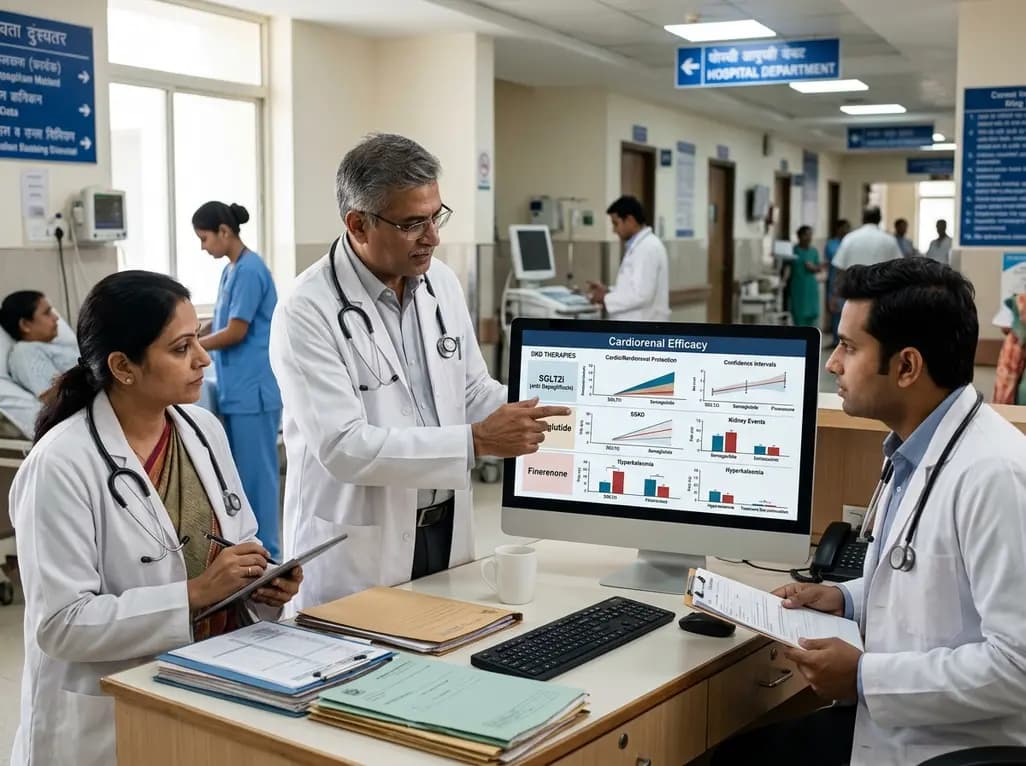
A network meta-analysis of 10 RCTs comprising 37,923 patients reveals that SGLT2 inhibitors offer the broadest cardiorenal protection in diabetic kidney disease. Dapagliflozin reduced kidney outcomes more than semaglutide, while finerenone increased hyperkalaemia and treatment discontinuation rates.
Today
