.webp&w=384&q=75)

Loading, please wait...
Loading, please wait...

During the COVID-19 pandemic, public health authorities documented an alarming escalation in intimate partner violence across the globe. Strict stay-at-home mandates, economic distress, and quarantine protocols inadvertently confined vulnerable women with abusive partners. Consequently, global researchers rapidly mobilized to investigate this severe secondary humanitarian crisis, frequently described as the shadow pandemic. A recent bibliometric study conducted by Zaluchu and colleagues evaluated 425 eligible peer-reviewed documents to map worldwide publication trends. The investigation demonstrated a remarkable annual publication growth rate of 17.08%, highlighting sustained scientific engagement throughout the crisis. Furthermore, these indexed documents accrued an average of 22.45 citations per paper, reflecting substantial cross-disciplinary utility and clinical relevance. Collaborative international efforts proved vital, as evidenced by an international co-authorship rate of 29.41%. Academic journals provided crucial platforms for knowledge dissemination, with BMC Public Health emerging as the most productive publication outlet. Therefore, this bibliometric mapping provides valuable clarity regarding how health scientists documented abuse during acute containment phases. In addition, it establishes a foundational template to guide post-pandemic interventions and future crisis preparedness.
Geographic and institutional analyses highlight distinct distribution patterns in the scholarly literature regarding domestic abuse during the pandemic. Notably, the United States emerged as the single largest contributor to this expanding body of knowledge. In addition, the University of California stood out as the most prominent affiliated academic institution driving high-impact investigations. Ten highly influential foundational documents shaped the global clinical and epidemiological understanding of household violence during widespread lockdowns. These seminal papers delineated how movement restrictions, sudden job losses, and disrupted municipal services severely magnified domestic dangers. However, the heavy concentration of scientific publications in high-income Western countries highlights substantial knowledge gaps in developing territories. For instance, women across developing countries faced disproportionate economic instability, strict patriarchal constraints, and restricted legal recourse. Healthcare professionals in resource-constrained facilities frequently managed domestic trauma without adequate institutional backup or structured shelter networks. Consequently, future research initiatives must deliberately foster equitable partnerships with academic centers across developing regions. Expanding localized data collection will address unique socio-cultural risk determinants and formulate culturally grounded protective interventions.
The bibliometric evaluation examined thematic shifts across five distinct chronological phases of the pandemic response. Throughout these successive intervals, motor themes consistently centered on psychological well-being, clinical depression, and community social support. Prolonged domestic confinement sharply magnified interpersonal distress and dismantled established emotional coping mechanisms for millions of women. Perpetrators deliberately weaponized quarantine guidelines to isolate survivors from extended relatives, trusted colleagues, and essential medical services. Consequently, psychiatric morbidities surged precipitously among trapped individuals. Women exposed to ongoing abuse exhibited substantially elevated rates of major depressive disorder, severe anxiety states, and acute stress reactions. Furthermore, many survivors developed chronic post-traumatic stress symptoms and debilitating sleep disturbances. Nevertheless, the bibliometric analysis revealed that robust social support acted as a powerful protective buffer against profound psychological decompensation. When accessible, community-based networks and virtual support channels meaningfully mitigated depressive symptoms and facilitated emergency exit strategies. Therefore, healthcare systems must recognize that mental health interventions form an indispensable pillar of comprehensive survivor support during societal crises.
Frontline clinicians encounter domestic abuse survivors across multiple clinical environments, including family medicine practices, emergency units, and outpatient gynecology clinics. However, identifying covert abuse remains challenging because patients rarely volunteer disclosures spontaneously due to fear or shame. Instead, survivors commonly present with non-specific somatic complaints, including chronic pelvic pain, tension-type headaches, functional gastrointestinal distress, or unexplained soft-tissue bruises. Clinicians must maintain a heightened index of suspicion whenever injury mechanisms conflict logically with objective physical findings. Furthermore, international guidelines emphasize clinical case-finding based on indicative symptoms rather than universal, rote checklist screenings. Whenever clinical red flags emerge, doctors must ensure absolute privacy before initiating sensitive, trauma-informed questioning. Healthcare personnel must tactfully separate the patient from any accompanying family members before beginning this discussion. Physicians should use gentle, non-judgmental language to validate experiences and assess immediate safety risks. In addition, health facilities must establish streamlined referral pathways connecting examination rooms with trained social workers and psychological counselors. Accurate forensic documentation also provides vital evidence for survivors navigating legal protections.
The empirical insights synthesized from pandemic literature emphasize an urgent mandate for institutional healthcare reform. Modern medical systems cannot regard domestic violence merely as an isolated social problem; it constitutes a profound clinical and public health crisis. Therefore, hospital leadership must incorporate formal violence response protocols directly into general disaster preparedness programs. Medical schools and postgraduate residency programs should implement structured training in trauma-informed care and de-escalation strategies. Healthcare providers must learn to identify subtle coercive control, document forensic injury patterns meticulously, and administer early psychological first aid. Moreover, modern telehealth innovations offer promising opportunities for discreet patient screening and confidential counseling when physical transportation barriers arise. However, digital consultation platforms must integrate stringent security safeguards to protect vulnerable patients from electronic surveillance by controlling partners. Healthcare administrators must also build robust collaborative relationships with local shelters, community hotlines, and legal aid societies. Establishing resilient, multidisciplinary care networks will effectively protect vulnerable women during future epidemic outbreaks, economic recessions, and environmental crises.
Clinicians should initiate screening only when complete privacy is guaranteed, ensuring that partners or family members are absent from the examination room. Instead of relying on mechanical checklists, practitioners should utilize an empathetic, conversational approach grounded in clinical indicators. Doctors can ask open-ended questions regarding safety at home, relationship stress, and emotional well-being. Validating the patient’s feelings without judgment fosters trust, creating a safe therapeutic space that encourages honest disclosure and cooperative safety planning.
The pandemic intensified domestic abuse through a convergence of severe external stressors and forced domestic cohabitation. Mandatory quarantine measures trapped women indoors with their abusers while dismantling standard support networks, including extended family, workplaces, and community shelters. Concurrently, pervasive economic distress, job losses, and health anxieties heightened household tensions. Abusers systematically exploited stay-at-home mandates to exert coercive control, restrict digital communication, and prevent victims from seeking medical care or institutional protection.
Upon identifying domestic abuse, healthcare providers must immediately assess the patient’s acute physical safety and the safety of any dependent children. Medical staff should treat immediate physical injuries, perform comprehensive forensic documentation, and provide empathetic psychological support. Crucially, clinicians must avoid pressuring the patient to leave immediately if doing so increases lethal risk. Instead, providers should offer confidential referrals to social workers, crisis hotlines, and local legal support services.
Disclaimer: This content is for informational and educational purposes only and does not constitute medical advice or establish a doctor-patient relationship. Healthcare professionals must exercise independent clinical judgment and correlate findings with patient-specific history and investigations. Treatments and interventions should follow individualized patient assessments and adhere to local clinical guidelines and institutional protocols. Medical science constantly evolves, and while efforts are made to ensure accuracy, no guarantee is given regarding completeness or timeliness. Refer to the latest local and national guidelines for clinical practice.
References

Read summarized clinical updates, watch expert medical content, and earn CME certifications right from your smartphone.
Open your smartphone camera to scan and install.





A bibliometric study maps global research on intimate partner violence during COVID-19, revealing a 17.08% publication growth rate and motor themes of mental health and social support. Clinicians require trauma-informed screening and systemic crisis preparedness to protect vulnerable women during ongoing crises.
Today
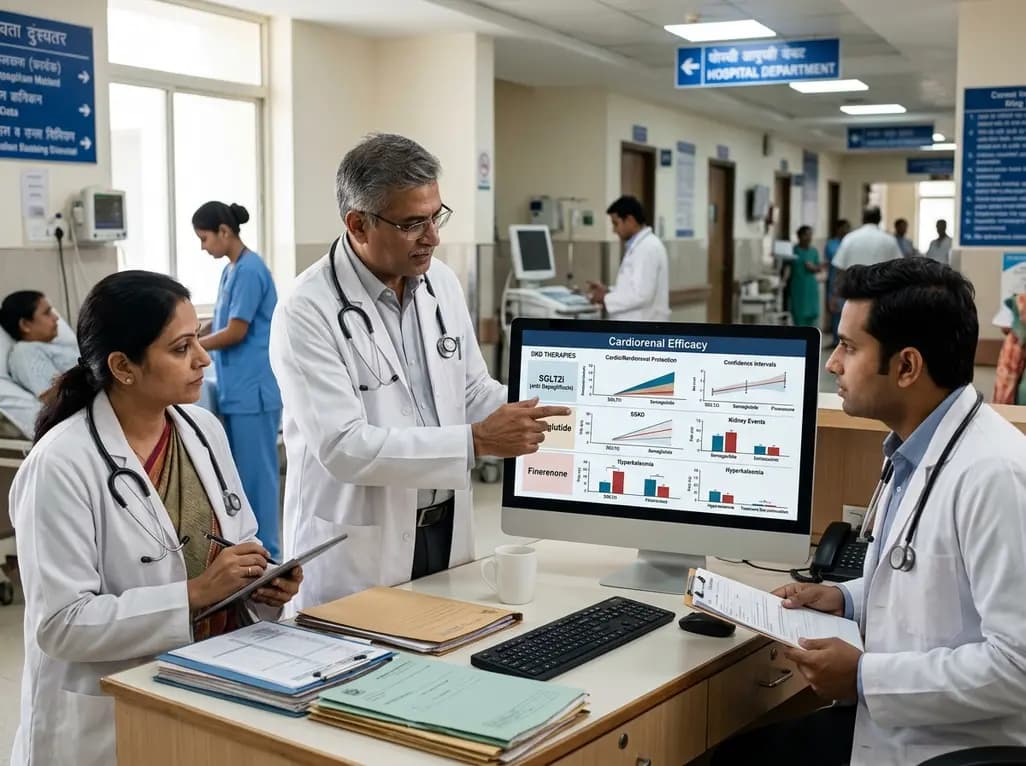
A network meta-analysis of 10 RCTs comprising 37,923 patients reveals that SGLT2 inhibitors offer the broadest cardiorenal protection in diabetic kidney disease. Dapagliflozin reduced kidney outcomes more than semaglutide, while finerenone increased hyperkalaemia and treatment discontinuation rates.
Today

Surgical robotics is redefining modern operating theaters by replacing extensive open incisions with micro-dexterity and stereoscopic 3D vision. Multi-specialty surgeons highlight how robotic platforms mitigate tissue trauma, enhance functional organ preservation, and shorten postoperative hospital recovery.
Today
Piezoelectric amino acids and peptides convert mechanical stress into bioelectric cues. By mimicking endogenous electrical fields, these biodegradable biomaterials advance tissue regeneration, biosensing, antimicrobial therapy, and targeted oncology without leaving toxic residues.
Today
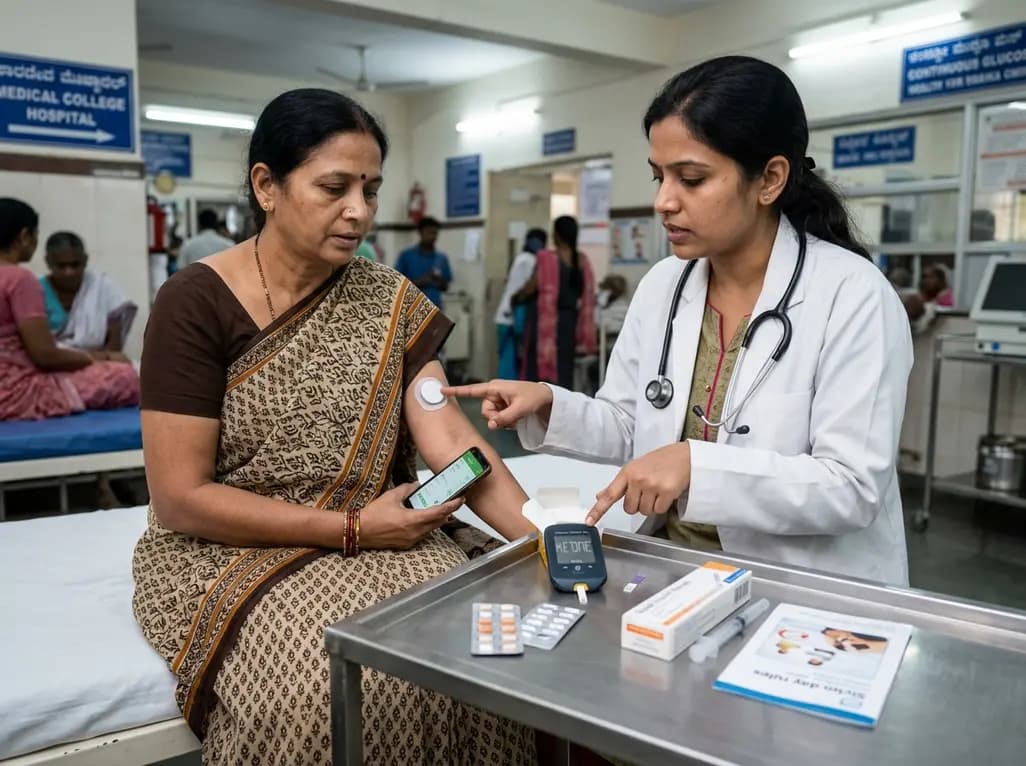
A landmark case demonstrates that favorable continuous glucose monitoring metrics cannot rule out SGLT2 inhibitor-associated euglycemic diabetic ketoacidosis. Clinicians must educate patients on symptom-based sick-day rules, uninterrupted basal insulin therapy, and proactive blood ketone testing.
Today
