.webp&w=384&q=75)

Loading, please wait...
Loading, please wait...

Rapid surgical intervention serves as a critical factor in the recovery of patients with traumatic cervical spinal cord injury. However, significant systems-level barriers often delay life-saving care. A recent multicenter cohort study highlights how patient demographics and hospital protocols influence the time to surgery.
The study analyzed data from over 20,000 patients across 503 trauma centers. Researchers found that Black race, lack of insurance, and increased frailty independently caused surgical delays. Specifically, frail patients waited over three hours longer for decompression compared to non-frail individuals. Furthermore, uninsured status significantly pushed the timing past the recommended 24-hour window. Consequently, these disparities suggest that clinical urgency alone does not dictate the speed of care.
Beyond individual patient factors, the hospital itself plays a major role. Institutional variation accounted for nearly 15% of the differences in surgical timing. Therefore, some hospitals effectively streamline their processes while others face persistent bottlenecks. Improving outcomes requires a dual focus on eliminating socioeconomic bias and standardizing hospital-wide protocols. In addition, surgeons must advocate for equitable resources to ensure every patient receives timely treatment.
Ensuring equitable access to surgery for traumatic cervical spinal cord injury is essential for improving long-term outcomes. Clinicians and policymakers must work together to dismantle the barriers that currently hinder delivery. By addressing both institutional and patient-level disparities, we can move closer to a standardized care model.
Early surgical decompression minimizes secondary injury to the spinal cord. Current evidence suggests that patients who undergo surgery within 24 hours of the trauma often experience better neurological recovery.
The main factors include high patient frailty, a lack of health insurance, and institutional variation in trauma center management protocols.
Disclaimer: This content is for informational and educational purposes only. It does not constitute medical advice or establish a doctor-patient relationship. Refer to the latest local and national guidelines for clinical practice.
References
Karthikeyan V et al. Disparities and institutional variation in time to surgery for traumatic cervical spinal cord injury: a multicenter cohort study. J Neurosurg Spine. 2026 Mar 13. doi: 10.3171/2025.10.SPINE25676. PMID: 41825068.
Fehlings MG, et al. A Clinical Practice Guideline for the Management of Patients With Acute Spinal Cord Injury: Recommendations on the Role and Timing of Decompressive Surgery. Global Spine J. 2017;7(3_suppl):113S-130S.

Read summarized clinical updates, watch expert medical content, and earn CME certifications right from your smartphone.
Open your smartphone camera to scan and install.





Multicenter study reveals that race, insurance status, and frailty significantly delay surgical intervention for traumatic cervical spinal cord injury....
7 months ago

Explore vital recurrent stroke predictors in lacunar stroke patients managed with intensive blood pressure lowering. This analysis examines trial findings from SPS3 to uncover residual vascular risks, metabolic factors, and targeted secondary prevention strategies for high-risk neurological patients.
Today
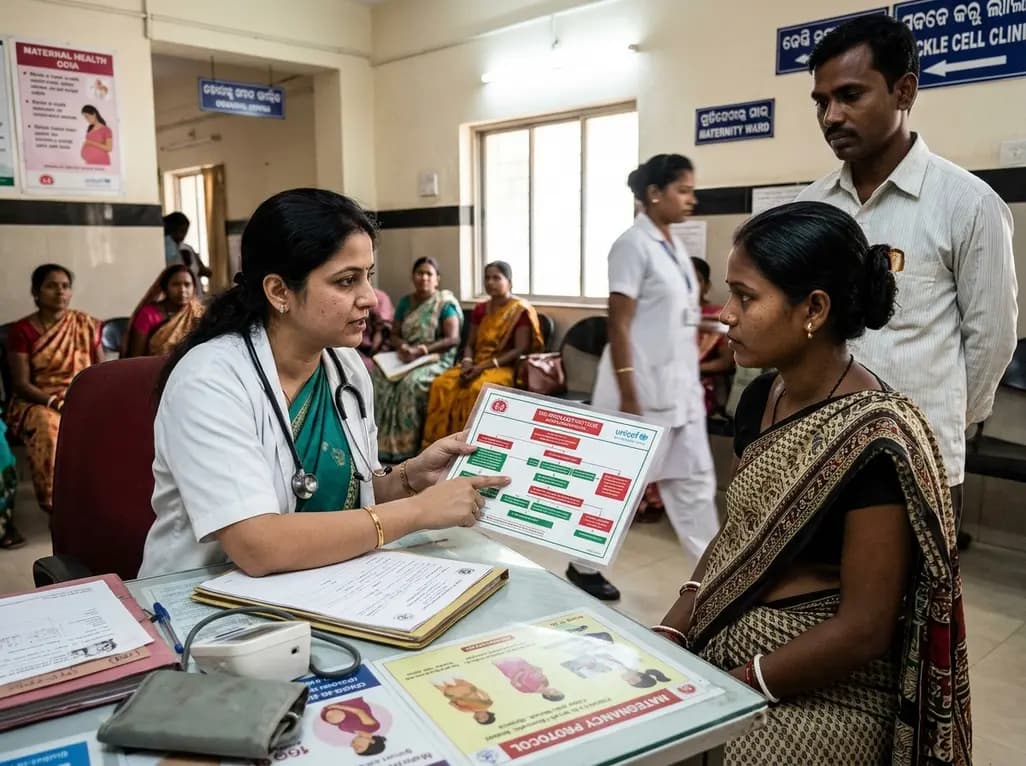
Odisha has established India's first state-level clinical protocol specifically tailored for pregnant women with sickle cell disease. Developed with NHM and UNICEF, the framework provides structured antenatal screening, crisis mitigation, standardized referral pathways, and specialized interdisciplinary care.
Today

The Directorate General of Health Services directs Indian states to halt the hazardous reuse and reprocessing of single-use medical devices. Discover regulatory implications under the Drugs and Cosmetics Act, critical infection risks, legal liabilities, and operational changes required across clinical specialties.
Today

Mitochondria-targeted nanoparticles self-assembled from EGCG and L-glutamic acid effectively restore mitochondrial homeostasis, suppress synovial inflammation, and attenuate chondrocyte senescence in osteoarthritis, offering a promising disease-modifying nanotherapy.
Today

India is advancing preventive healthcare by integrating genomics, artificial intelligence, and quantum technologies. With the SANGAM programme sequencing one million Indian genomes, clinicians can unlock personalized therapies, detect cardiometabolic risks early, and curb the burden of diabetes and heart disease.
Today
