.webp&w=384&q=75)

Loading, please wait...
Loading, please wait...

Human trafficking causes deep mental and physical scars that often last a lifetime. These injuries significantly disrupt a survivor’s ability to engage in daily occupations and maintain overall health. Without targeted care, survivors frequently face occupational injustice and chronic health disorders. Consequently, healthcare providers must use effective trauma-focused interventions to support survivors during their recovery journey.
A recent systematic review examined two specific modalities: Trauma-Focused Cognitive Behavioral Therapy (TF-CBT) and Trauma-Informed Yoga (TIY). Researchers found that TF-CBT offers moderate strength quantitative evidence for reducing post-trauma symptoms. This therapy focuses on modifying maladaptive cognitions and providing emotional support. Conversely, while quantitative evidence for TIY is currently considered weak, its qualitative value remains high. Specifically, findings suggest that TIY is transparent and transferable to larger populations. These trauma-focused interventions act as vital adjunctive therapies when administered by trained specialists or occupational therapists.
Using TF-CBT and TIY together creates a complementary and holistic effect. While TF-CBT addresses cognitive and emotional needs, TIY offers a somatic approach that helps survivors reconnect with their bodies. Occupational therapists can use these tools to mitigate trauma-related symptoms and promote independence. Furthermore, incorporating these evidence-based practices ensures that care remains client-centered. However, clinicians should note that more rigorous mixed-methods studies are still needed to strengthen the current evidence base for these modalities.
These are therapeutic approaches specifically designed to address the unique needs of individuals who have experienced significant trauma. They aim to reduce symptoms of PTSD, anxiety, and depression while fostering resilience.
TIY provides a safe, somatic practice that allows survivors to regain agency over their bodies. It helps reduce physical stress symptoms and improves emotional regulation through mindfulness and movement.
Yes. Combining TF-CBT and TIY offers a more holistic recovery process. TF-CBT focuses on cognitive processing, while TIY addresses the physical and somatic aspects of trauma, making them highly complementary.
Disclaimer: This content is for informational and educational purposes only. It does not constitute medical advice or establish a doctor-patient relationship. Always seek the advice of a qualified healthcare provider regarding any medical condition or treatment. Refer to the latest local and national guidelines for clinical practice.
References
1. Hopkins G et al. Examining the Benefits of Trauma Focused Cognitive Behavioral Therapy and Trauma Informed Yoga for Survivors of Human Trafficking by Occupational Therapists: A Systematic Review. Occup Ther Health Care. 2026 Apr 24. doi: 10.1080/07380577.2026.2658599. PMID: 42030036.
2. Altun S, Abas M, Zimmerman C, Howard LM, Oram S. Mental health specialist interventions for survivors of human trafficking: a systematic review. Lancet Psychiatry. 2017;4(3):236-247.
3. Cleveland Clinic. How Trauma-Informed Yoga Helps You Heal. Published April 15, 2022. Available at: https://health.clevelandclinic.org/trauma-informed-yoga/.
"
Read summarized clinical updates, watch expert medical content, and earn CME certifications right from your smartphone.
Open your smartphone camera to scan and install.





A systematic review examines TF-CBT and trauma-informed yoga as holistic, evidence-based tools for occupational therapists helping human trafficking survivo...
5 months ago
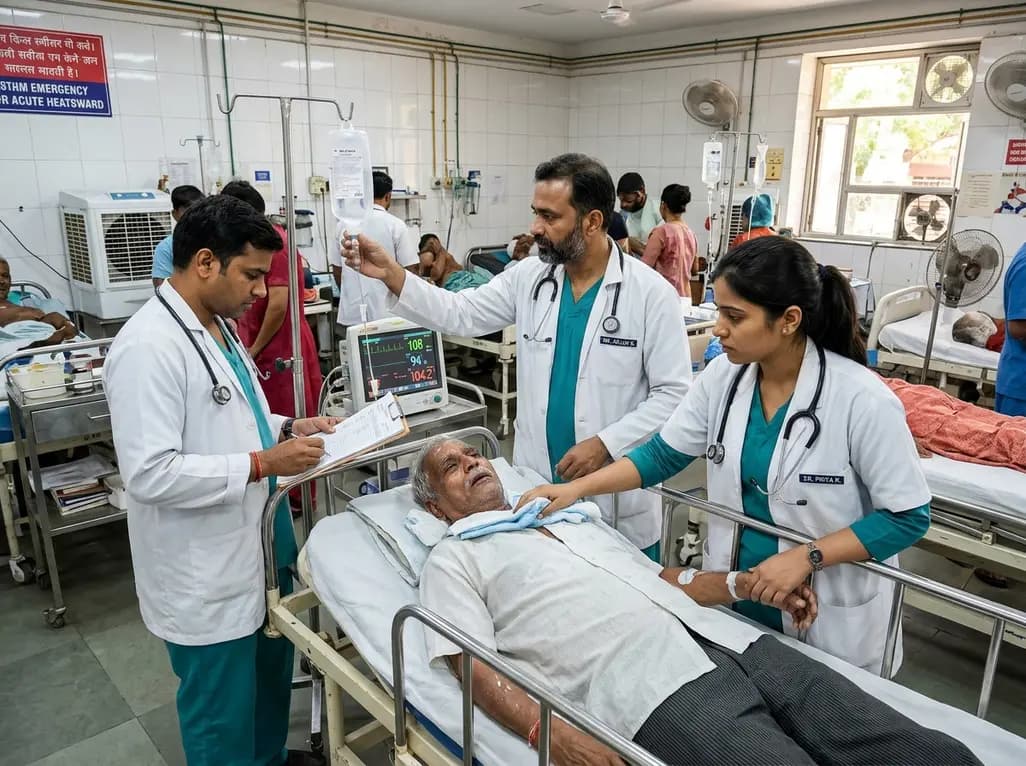
Recent epidemiological data reveals a dramatic surge in summer heat mortality driven by human-induced climate warming. This analysis explores the pathophysiological impacts on cardiac and renal systems, diagnostic dilemmas in death certification, and essential emergency cooling protocols for acute clinical care.
Today

Odisha has established India's first state-level clinical protocol specifically tailored for pregnant women with sickle cell disease. Developed with NHM and UNICEF, the framework provides structured antenatal screening, crisis mitigation, standardized referral pathways, and specialized interdisciplinary care.
Today

India is advancing preventive healthcare by integrating genomics, artificial intelligence, and quantum technologies. With the SANGAM programme sequencing one million Indian genomes, clinicians can unlock personalized therapies, detect cardiometabolic risks early, and curb the burden of diabetes and heart disease.
Today

A randomized controlled trial demonstrates that an eight-week dual-task training intervention significantly improves static and dynamic postural control over standard balance exercises in individuals with chronic ankle instability, addressing critical neurocognitive deficits during athletic and daily activities.
Today

A retrospective cohort study of 7,716 ICU patients from the MIMIC-IV database demonstrates that Gradient Boosting Decision Trees significantly outperform traditional SOFA scores in predicting in-hospital mortality among patients with sepsis and diabetes, with SHAP analysis providing clinical interpretability.
Today
