.webp&w=384&q=75)

Loading, please wait...
Loading, please wait...

Evaluating transsphenoidal surgery cushing disease outcomes provides vital insights into how demographic factors influence surgical presentation and patient recovery. Transsphenoidal pituitary resection remains the primary therapy for achieving biochemical cure in adrenocorticotropic hormone (ACTH)-secreting pituitary neuroendocrine tumors. Although neurosurgical techniques have advanced significantly, disparities across racial and ethnic groups remain an important area of study. A recent single-center study investigated where clinical trajectories diverge among White non-Hispanic, Hispanic, and Black patients undergoing primary surgery.
Historically, healthcare equity research in pituitary disease focused primarily on long-term cure rates. However, evaluating intermediate care points offers a clearer picture of recovery dynamics. These intermediate endpoints include preoperative tumor phenotype, early postoperative hormone suppression, arginine vasopressin deficiency, and long-term reintervention rates. By analyzing each care phase, endocrinologists and neurosurgeons can refine surveillance strategies and deliver equitable, personalized medical care.
In the study cohort, demographic groups presented with distinct baseline clinical features. Hispanic patients lived closer to the surgical center and presented with milder disease manifestations. In contrast, Black patients were significantly younger at presentation, had a higher average body mass index (BMI), and presented almost exclusively with solid tumors on preoperative magnetic resonance imaging, reaching ninety-four percent in this subgroup.
These initial variations strongly influence how patients navigate the surgical care pathway. Younger age combined with higher BMI in Black patients requires tailored perioperative medical management. Furthermore, solid tumor morphology can affect surgical resectability and intraoperative adenoma visualization. Conversely, milder disease in Hispanic patients may reflect variations in healthcare access, referral patterns, or earlier diagnostic suspicion. Therefore, clinicians must recognize these baseline differences when formulating preoperative risk assessments and counseling patients.
The early postoperative period revealed noticeable differences in surgical complications among patient groups. Arginine vasopressin deficiency, previously known as diabetes insipidus, is a frequent early complication after transsphenoidal pituitary surgery. Interestingly, Hispanic patients experienced arginine vasopressin deficiency less frequently than White non-Hispanic patients, with rates of twenty-five percent versus fifty-five percent, respectively.
Endocrine recovery tracking also evaluated postoperative day-one serum cortisol levels. Black patients demonstrated higher day-one cortisol levels and displayed delayed biochemical remission on inverse probability sensitivity models. These early hormonal differences suggest that initial axis suppression varies, even when ultimate remission occurs. Managing early fluid balance and electrolyte levels requires diligent inpatient monitoring. Consequently, recognizing these demographic patterns helps surgical teams tailor postoperative desmopressin protocols and optimize discharge planning.
Despite early perioperative variations, overall durable biochemical remission rates converged across all studied demographic groups. Overall biochemical cure was achieved in seventy-nine percent of White non-Hispanic patients, eighty-one percent of Hispanic patients, and eighty-eight percent of Black patients. These figures confirm that primary transsphenoidal surgery provides effective long-term disease control across diverse patient populations in specialized centers.
However, follow-up imaging revealed interesting differences in residual tissue signals. Black patients showed higher rates of radiographic persistence on follow-up magnetic resonance imaging, recorded at thirty-eight percent compared to twenty-one percent in the reference group. This contrast between biochemical remission and persistent imaging findings creates diagnostic complexity. Persistent tissue signals may reflect non-functional postoperative scar tissue rather than active tumor. Nevertheless, these findings emphasize the need for ongoing biochemical testing alongside regular radiological surveillance.
Long-term reintervention rates provided further insight into postoperative disease trajectories. Unadjusted reintervention rates, including repeat surgery or radiation, were higher in Black patients at twenty-five percent compared to four point five percent in White non-Hispanic patients. This higher reintervention rate aligns with the elevated baseline prevalence of solid tumors and delayed cortisol drops observed in Black patients.
To account for baseline clinical imbalances, researchers performed an inverse probability of treatment weighting sensitivity analysis. This propensity-weighted model revealed an important signal in Hispanic patients. Despite milder initial presentation, Hispanic patients showed shorter reintervention-free survival, with a hazard ratio of four point twenty. This signal remained hidden in standard unadjusted analyses. Consequently, sophisticated statistical modeling helps unmask latent clinical risks that unadjusted data might overlook.
The central finding of this study indicates that race-associated differences emerge mainly at baseline presentation and during early recovery, rather than in ultimate biochemical remission. Because ultimate cure rates converge, surveillance strategies should adapt accordingly. Rather than relying solely on overall cure statistics, care pathways must focus on stage-specific monitoring where differences actually emerge.
For practicing endocrinologists and neurosurgeons, these hypothesis-generating results offer practical clinical takeaways. Physicians should maintain vigilant fluid monitoring in groups at risk for vasopressin deficiency while closely tracking patients with delayed cortisol declines or persistent imaging signals. Furthermore, propensity-weighted findings highlight the need for structured long-term follow-up even in patients with favorable baseline features. Although small sample sizes necessitate validation in larger multicenter cohorts, these insights support equitable, personalized postoperative care.
Durable biochemical remission rates are high and comparable across White non-Hispanic, Hispanic, and Black patients. However, significant differences exist in baseline disease severity, early postoperative hormone suppression, rates of arginine vasopressin deficiency, persistent radiographic findings, and overall reintervention-free survival during long-term clinical follow-up.
Postoperative arginine vasopressin deficiency occurs less frequently in Hispanic patients compared to White non-Hispanic patients. Studies demonstrate a twenty-five percent incidence in Hispanic individuals versus fifty-five percent in White non-Hispanic individuals, highlighting the importance of tailored perioperative electrolyte monitoring and individualized fluid management strategies.
Although long-term biochemical cure converges across racial and ethnic groups, secondary outcomes like reintervention rates and radiographic tumor persistence vary significantly. Stage-specific surveillance ensures early detection of delayed biochemical drops or recurrence risks, allowing clinicians to intervene promptly regardless of overall favorable baseline cure statistics.
Disclaimer: This content is for informational and educational purposes only and does not constitute medical advice, diagnosis, or treatment. Always seek the advice of a qualified healthcare provider with any questions regarding a medical condition or treatment options. Refer to the latest local and national guidelines for clinical practice.
References

Read summarized clinical updates, watch expert medical content, and earn CME certifications right from your smartphone.
Open your smartphone camera to scan and install.





A single-center study evaluates how presentation, perioperative complications, and reintervention rates differ by race and ethnicity in patients undergoing transsphenoidal surgery for Cushing's disease. Despite divergent presentation phenotypes, overall biochemical remission rates converge across groups.
last month
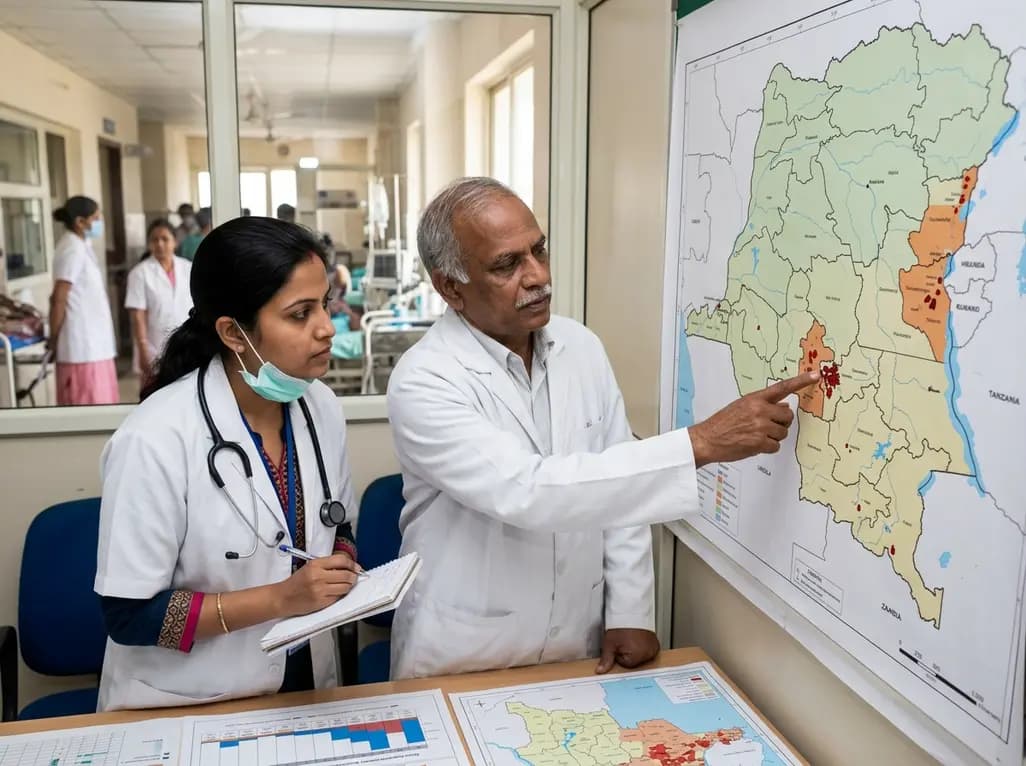
Epidemiologists and health leaders warn that active Ebola virus transmission in the Democratic Republic of Congo remains entrenched within communities. With fewer than ten percent of expected contacts monitored, public health officials urge rapid surveillance scale-up and reinforced healthcare precautions.
Today

A scoping review evaluates 116 studies on AI in women's reproductive health, finding that 83.6% carry high risk of bias. While ensemble models show promise, disparities and lack of validation hinder LMIC deployment.
Today
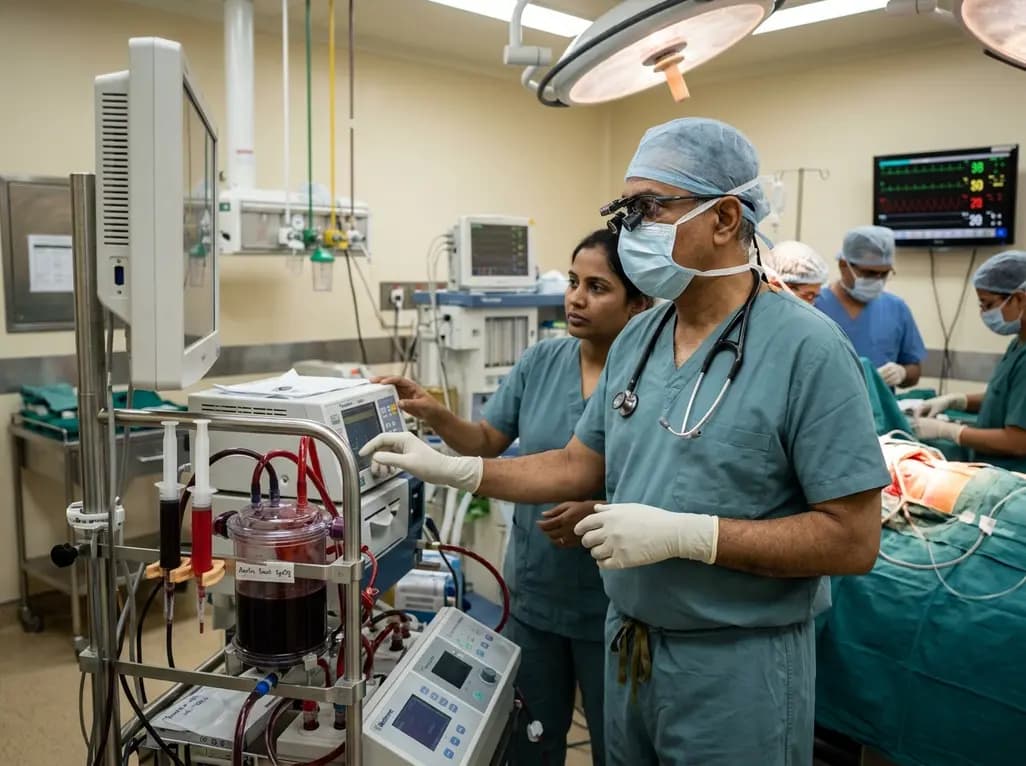
Differential oxygenation during peripheral TA-NRP can cause undetected coronary hypoxemia due to arch vessel clamping. A novel circuit with continuous aortic root monitoring detects desaturation early, facilitating left ventricular unloading and preventing allograft dysfunction and unnecessary heart discard.
Today

India faces significant opportunities to expand medical device exports to high-growth markets like Mexico, Brazil, and the UK. By addressing its trade deficit, advancing domestic component manufacturing, and aligning with global regulatory standards, the country aims to become an international healthcare hub.
Today

A post hoc analysis of the PARM-T2D study shows pemafibrate exerts baseline-dependent effects on LDL-C and particle size in type 2 diabetes and hypertriglyceridemia. It lowers triglycerides and remnants while favorably remodeling atherogenic LDL particles based on initial lipid control status.
Today
