.webp&w=384&q=75)

Loading, please wait...
Loading, please wait...
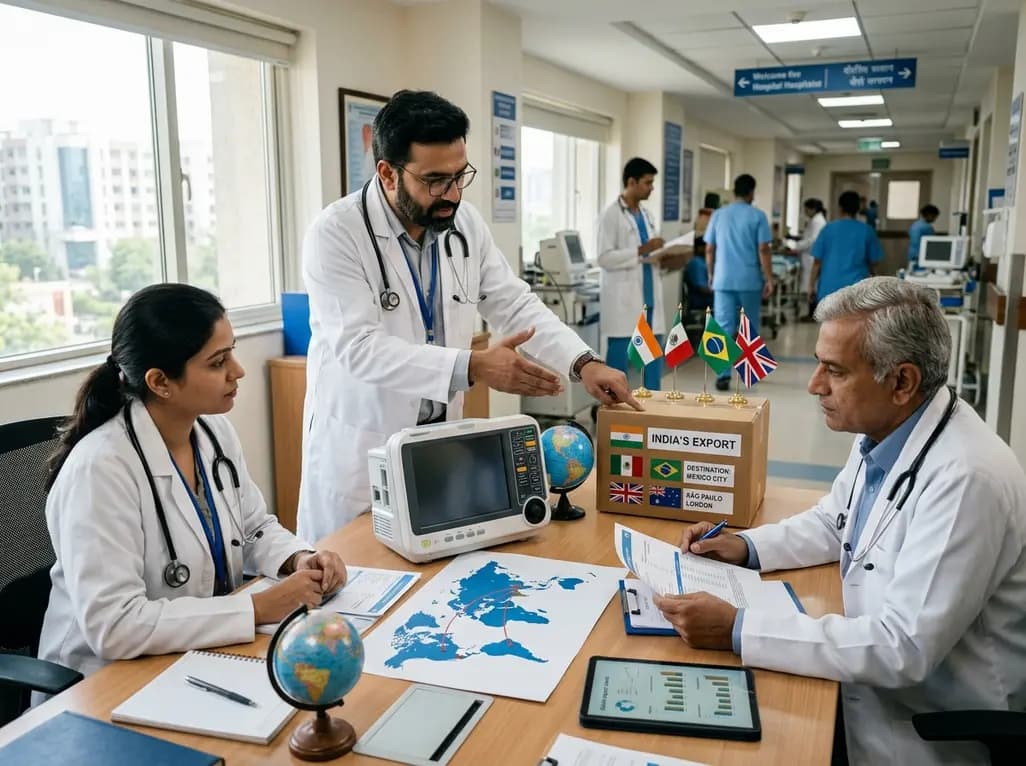
Global healthcare systems rely heavily on dependable medical technology to enhance clinical care and improve patient outcomes. Recently, dynamic shifts in global supply chains have generated unprecedented opportunities for Indian healthcare manufacturers to scale up medical device exports. A comprehensive study by the Export-Import Bank of India reveals notable expansion across several international economies. However, India's current footprint in these rapidly growing destinations remains modest. Domestic clinicians and industry stakeholders recognize that bridging this divide is essential for national health security and economic growth. Consequently, healthcare leaders must evaluate the factors governing international trade dynamics to advance technological excellence across the medical device ecosystem.
International trade analysis reveals that medical device imports in several non-traditional territories have expanded faster than the global average. Specifically, markets such as Mexico, Brazil, the United Kingdom, Poland, and Canada display substantial growth trajectories. Each of these nations represents at least one percent of global imports within key healthcare categories. Furthermore, these regions are upgrading their hospital infrastructures, demanding sophisticated diagnostic and surgical solutions. Despite this robust appetite, Indian suppliers currently hold only a minimal fraction of these regional import shares. Therefore, a pronounced gap exists between expanding overseas procurement and India's modest export presence.
To bridge this divide, Indian enterprises must build targeted commercial strategies that address regional clinical priorities. For example, Latin American healthcare providers seek durable equipment that balances affordability with clinical precision. Similarly, European buyers in Poland and the United Kingdom require dependable supply chains to mitigate equipment shortages. Consequently, focused trade promotion and bilateral engagement offer immediate potential for domestic manufacturers. Moreover, sustained commercial expansion in these economies allows Indian enterprises to demonstrate clinical reliability across diverse patient demographics. As international procurement teams seek diversified supply chains, Indian manufacturers can position themselves as dependable long-term partners. Thus, expanding into these key territories will elevate India's overall standing across global value chains.
The Exim Bank assessment identifies significant market divergence across distinct clinical product categories. In the orthopedic equipment domain, countries such as Mexico, Ireland, Poland, Russia, and the United States exhibit rapid procurement increases. Orthopedic surgeons worldwide require precision-machined joint replacements, spinal fixation devices, and trauma instruments. Consequently, Indian implant manufacturers possess an exceptional opportunity to address these escalating clinical demands. Furthermore, these specialized products yield higher margins than conventional disposables, offering substantial economic benefits.
Simultaneously, the demand for personal protective equipment remains robust in dynamic markets like Hungary, Turkey, Vietnam, Hong Kong, and Mexico. Healthcare systems in these countries prioritize resilient infection control reserves to maintain clinical safety standards. In addition, consumables and disposables demonstrate soaring demand across Australia, the United Kingdom, Saudi Arabia, Italy, and Singapore. These product lines include high-volume hospital necessities such as intravenous cannulas, catheters, surgical gloves, and infusion sets. Therefore, domestic production units must scale output while maintaining immaculate sterile conditions. Additionally, hospital administrators in these target nations prioritize durable, biocompatible materials that withstand rigorous clinical environments. Indian suppliers can gain significant market share by offering certified surgical instruments and reliable diagnostic consumables. Consequently, strategic alignment with specific clinical segments will accelerate sustainable export expansion across diverse therapeutic disciplines.
Despite clear outward commercial opportunities, India continues to grapple with a persistent trade deficit in the medical technology domain. In 2024, the nation's medical devices trade deficit reached approximately 4.9 billion dollars. This imbalance stems primarily from structural asymmetries within the domestic manufacturing ecosystem. Currently, India's export portfolio predominantly features low-to-medium-technology consumables and basic disposable supplies. Conversely, the domestic clinical sector relies heavily on foreign imports for sophisticated therapeutic systems, advanced diagnostic imaging, and cutting-edge robotics.
To rectify this imbalance, domestic manufacturers must aggressively deepen their local component manufacturing capabilities. Specifically, local facilities must produce printed circuit boards, specialized electronic sensors, high-grade optical components, and precision mechanical assemblies. Furthermore, the domestic in-vitro diagnostics industry must decrease its dependence on foreign biochemical reagents and raw enzymes. By producing these critical inputs domestically, manufacturers can protect Indian healthcare facilities from unpredictable global supply chain shocks. Therefore, moving up the technological value chain remains imperative for long-term health sovereignty and fiscal sustainability. Moreover, cultivating domestic production of advanced medical components will dramatically strengthen India's clinical resilience. As hospitals nationwide expand their critical care capacities, clinicians require dependable domestic alternatives to expensive foreign machinery. Enhancing domestic engineering prowess will simultaneously lower procurement costs and expand export competitiveness. Consequently, targeted industrial initiatives must focus relentlessly on high-value electromedical device production.
Entering sophisticated international healthcare markets requires rigorous adherence to multifaceted regulatory frameworks. Regulators across Latin America, North America, and Europe enforce stringent safety parameters to protect patient health. For instance, European destinations demand strict conformity with the European Union Medical Device Regulation. Similarly, North American authorities require exhaustive United States Food and Drug Administration clearance protocols. Consequently, Indian manufacturers must upgrade their internal quality assurance architectures to comply with Good Manufacturing Practices.
Furthermore, domestic regulatory bodies must actively align national benchmarks with recognized international standards. Clinicians emphasize that patient safety hinges on flawless calibration, biocompatibility testing, and continuous post-market surveillance. Therefore, the Central Drugs Standard Control Organisation must support domestic enterprises through transparent, country-specific compliance guidance. When manufacturers achieve harmonized certification, international healthcare procurement officers gain immediate confidence in Indian devices. Additionally, streamlined regulatory procedures reduce the administrative burden associated with multi-country registrations. Thus, closing the regulatory compliance gap represents the most essential prerequisite for expanding global healthcare market share. In addition, independent testing laboratories and accredited certification agencies within India must expand their evaluation capabilities. Such infrastructure allows local innovators to validate their biomedical innovations efficiently without relying on foreign testing centers. Consequently, robust national conformity assessment systems will significantly accelerate product launches across demanding global markets.
Technological innovation in modern healthcare demands robust, sustained investment in clinical research and development. At present, India allocates approximately 0.7 percent of its gross domestic product toward research activities. Consequently, limited private capital, scarce public funding, and modest laboratory infrastructure hinder rapid innovation. Furthermore, weak linkages between academic medical institutions and industrial engineering teams delay the translation of bench discoveries into commercial devices. To overcome these constraints, public agencies must incentivize clinical trials and collaborative translational research initiatives.
Simultaneously, the MedTech sector faces a pronounced scarcity of specialized technical personnel. Advanced medical engineering requires comprehensive knowledge of precision robotics, artificial intelligence algorithms, sensor design, and biomedical software integration. Therefore, academic institutions must overhaul engineering and biotechnology curricula to meet contemporary industry demands. Healthcare professionals and biomedical engineers must collaborate closely during the early design phases of new surgical instruments and monitoring systems. Moreover, structured upskilling programs will empower domestic technicians to execute complex manufacturing protocols flawlessly. By cultivating world-class research talent and specialized technical acumen, India can transition from basic assembly toward indigenous medical innovation. Additionally, targeted fellowships and industry sponsorships can attract young engineers toward biomedical design careers. Such educational investments will ensure a continuous pipeline of inventive talent capable of addressing intricate clinical challenges worldwide.
India's overarching healthcare strategy envisions a dramatic transformation of the domestic medical device sector over coming decades. In 2024, India accounted for approximately one percent of global medical device exports. However, the National Medical Devices Policy 2023 outlines an ambitious target to capture ten to twelve percent of global trade by 2047. Realizing this vision requires aggressive utilization of recently negotiated free trade agreements. Specifically, trade pacts with the United Arab Emirates, the European Free Trade Association, Australia, and upcoming European agreements present tremendous market opportunities.
Furthermore, governmental schemes such as the Production Linked Incentive program are actively stimulating domestic manufacturing of high-end equipment. These capital-intensive initiatives encompass magnetic resonance imaging systems, linear accelerators, and advanced intensive care ventilators. Consequently, domestic hospitals benefit from greater equipment availability, while export volumes rise steadily. In addition, dedicated medical device industrial parks provide manufacturers with shared testing laboratories, cleanrooms, and logistics networks. Therefore, combining coherent policy support with robust private enterprise will position India as a premier global healthcare manufacturing hub. Ultimately, these collaborative efforts will guarantee high-quality, cost-effective medical devices for clinicians and patients across the globe. Moreover, sustained administrative support will attract valuable foreign direct investments into domestic biomedical research. Thus, unified execution of these strategic initiatives will ensure sustainable long-term industrial success.
Q1: Why is India's medical device trade deficit currently so pronounced?
India incurs a significant trade deficit because domestic exports concentrate predominantly on low-to-medium-technology consumables and basic disposable items. Conversely, Indian healthcare facilities depend heavily on foreign suppliers for high-tech capital equipment, including advanced imaging machinery, surgical robotics, and specialized implants. Consequently, increasing local component manufacturing, domestic electronics fabrication, and in-vitro diagnostic reagent development remains vital to balance bilateral trade flows effectively.
Q2: Which international markets present immediate export potential for Indian manufacturers?
Recent trade evaluations indicate high-growth opportunities across several dynamic nations. For instance, Mexico, Brazil, the United Kingdom, Poland, and Canada display rapidly expanding demand for medical equipment. Furthermore, countries such as Ireland, Poland, Russia, and the United States require increasing volumes of specialized orthopedic implants. Additionally, Australia, Italy, and Saudi Arabia demonstrate substantial demand for sterile medical consumables and reliable single-use hospital supplies.
Q3: How does the National Medical Devices Policy 2023 support international competitiveness?
The National Medical Devices Policy 2023 establishes a comprehensive roadmap to expand India's global export share to ten to twelve percent by 2047. Specifically, the framework promotes regulatory streamlining through single-window clearance mechanisms and supports dedicated medical device parks. Furthermore, it encourages research and development, incentivizes domestic high-tech manufacturing, and enhances workforce skills to satisfy rigorous global benchmarks such as FDA and CE certifications.
Disclaimer: This content is for informational and educational purposes only. It does not constitute medical advice or replace professional judgment. Refer to the latest local and national guidelines for clinical practice.
References

Read summarized clinical updates, watch expert medical content, and earn CME certifications right from your smartphone.
Open your smartphone camera to scan and install.





India faces significant opportunities to expand medical device exports to high-growth markets like Mexico, Brazil, and the UK. By addressing its trade deficit, advancing domestic component manufacturing, and aligning with global regulatory standards, the country aims to become an international healthcare hub.
Today
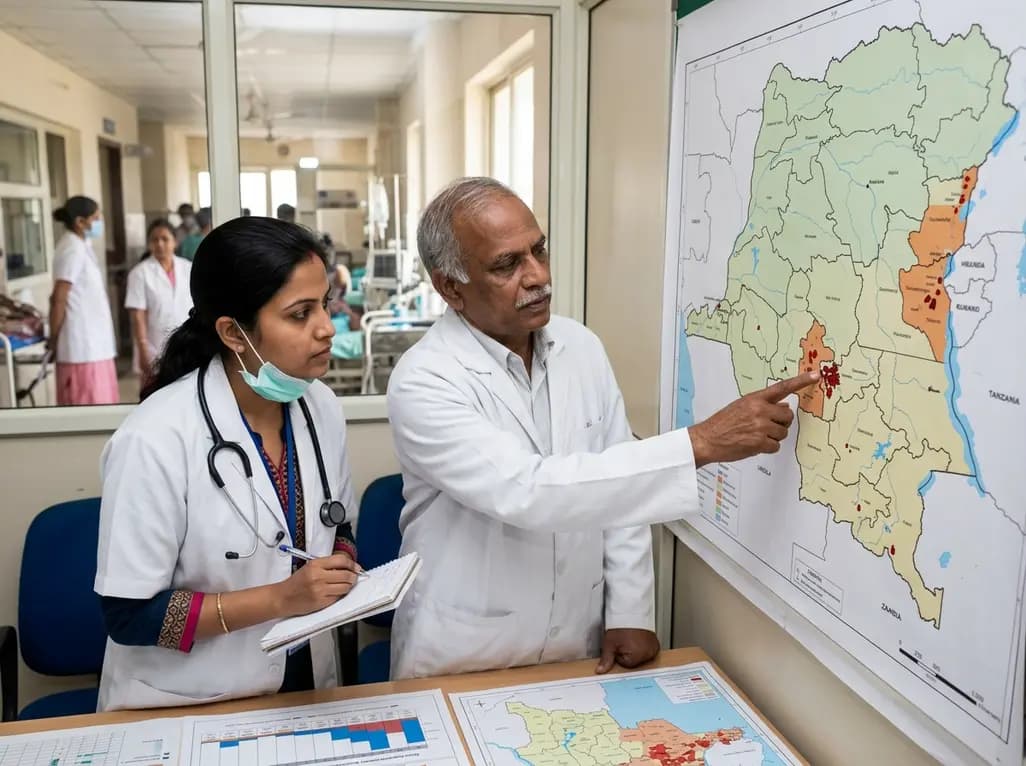
Epidemiologists and health leaders warn that active Ebola virus transmission in the Democratic Republic of Congo remains entrenched within communities. With fewer than ten percent of expected contacts monitored, public health officials urge rapid surveillance scale-up and reinforced healthcare precautions.
Today
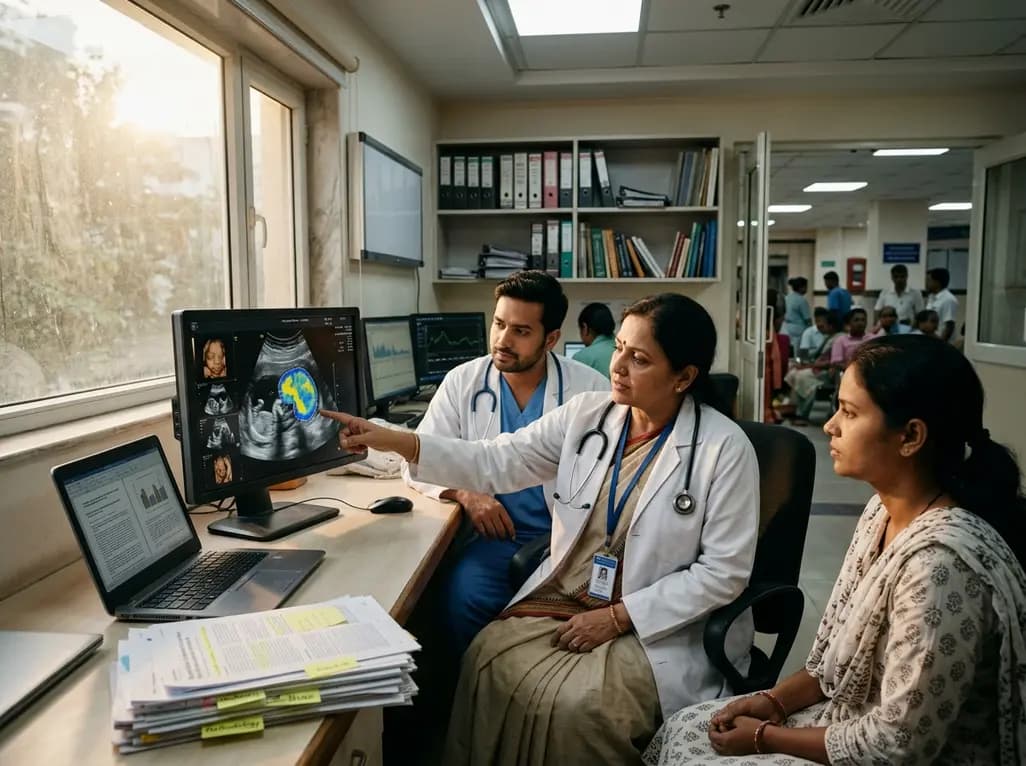
A scoping review evaluates 116 studies on AI in women's reproductive health, finding that 83.6% carry high risk of bias. While ensemble models show promise, disparities and lack of validation hinder LMIC deployment.
Today
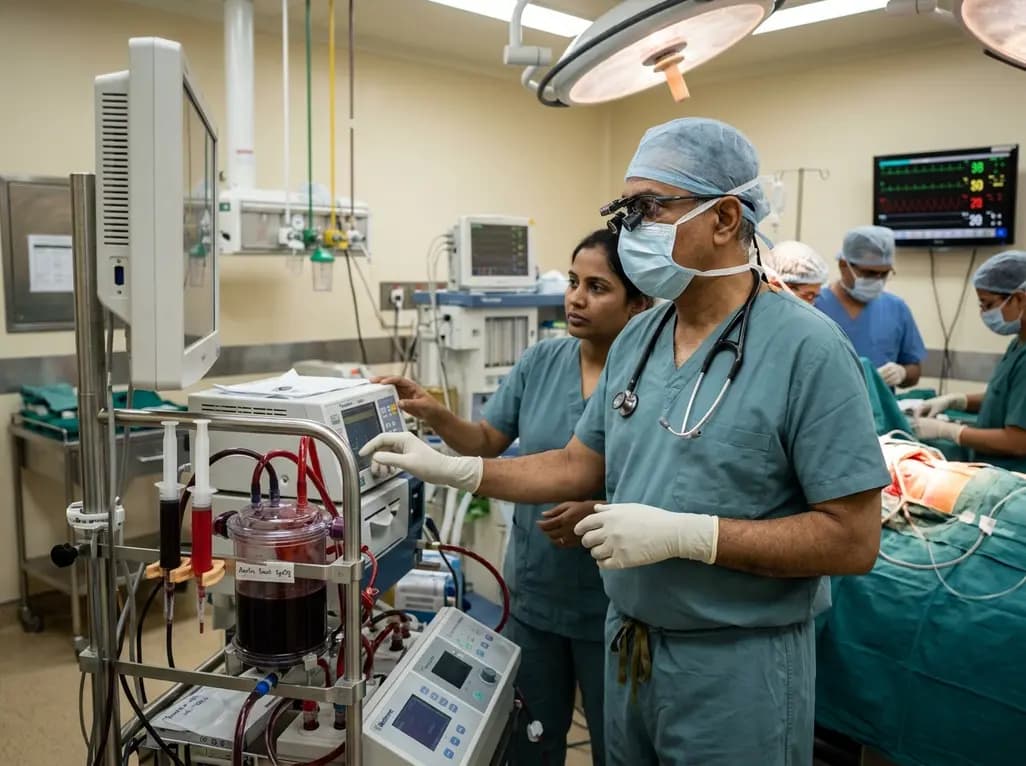
Differential oxygenation during peripheral TA-NRP can cause undetected coronary hypoxemia due to arch vessel clamping. A novel circuit with continuous aortic root monitoring detects desaturation early, facilitating left ventricular unloading and preventing allograft dysfunction and unnecessary heart discard.
Today
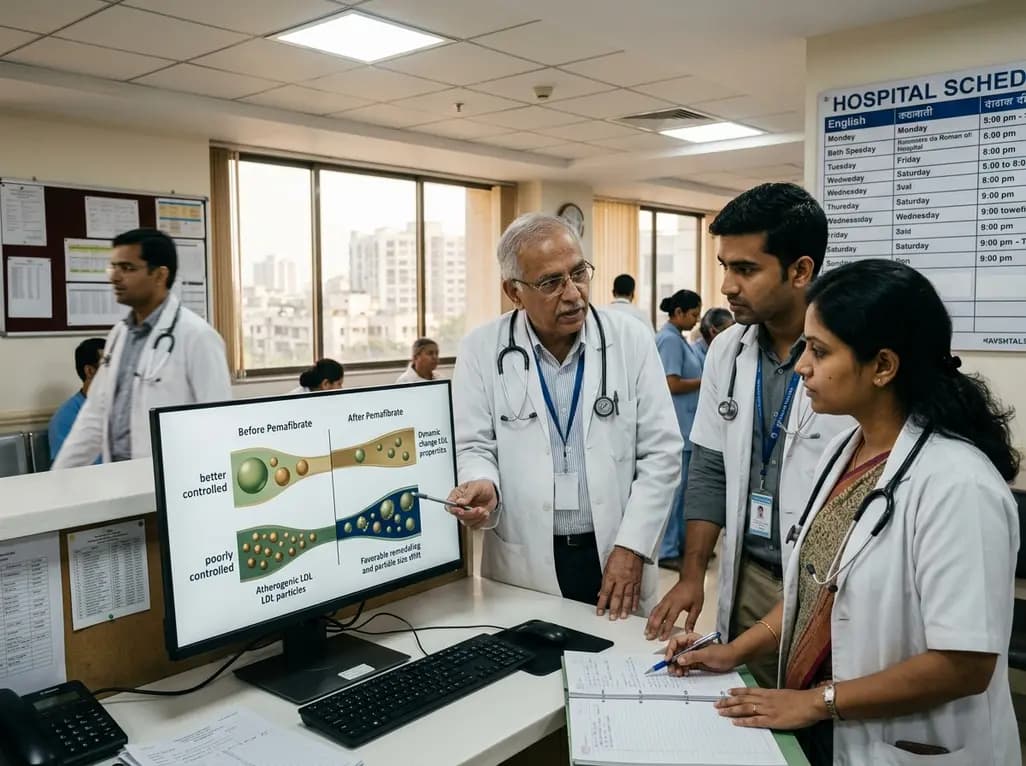
A post hoc analysis of the PARM-T2D study shows pemafibrate exerts baseline-dependent effects on LDL-C and particle size in type 2 diabetes and hypertriglyceridemia. It lowers triglycerides and remnants while favorably remodeling atherogenic LDL particles based on initial lipid control status.
Today
