.webp&w=384&q=75)

Loading, please wait...
Loading, please wait...
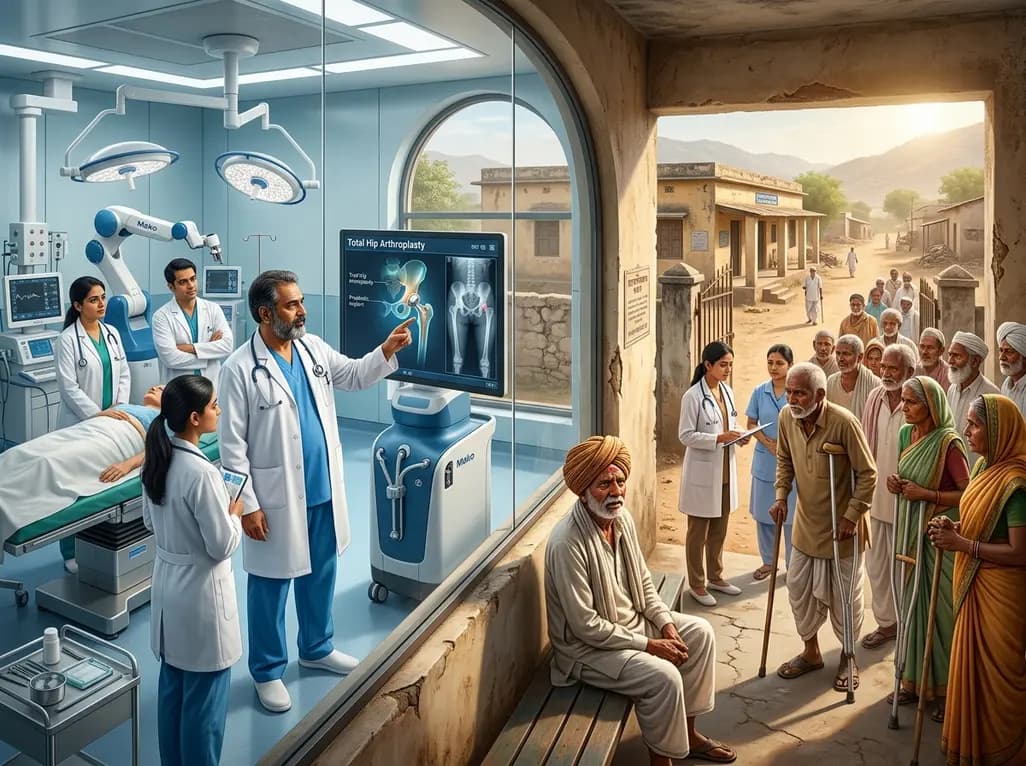
Total hip arthroplasty access is a critical metric for evaluating the maturity and equity of any modern healthcare system. As the global population continues to age, the demand for primary and revision joint replacement surgery has escalated to unprecedented levels. However, recent medical literature suggests that this growth in surgical volume is not uniformly distributed across different geographic areas. An extensive study recently analyzed Medicare data from 2013 to 2020 to quantify surgeon distribution and surgical volumes. These findings highlight a stark disparity between booming urban centers and underserved rural communities, raising urgent questions about healthcare equity. Furthermore, the mismatch between where patients reside and where surgeons practice suggests that geography remains a significant barrier to specialized care. While orthopedic volumes are increasing overall, the centralization of expertise in metropolitan areas may be leaving vulnerable populations behind. This article examines the current state of access and discusses the implications for patients, providers, and healthcare policy.
The study utilized the Medicare Physician and Other Practitioners Dataset to track orthopedic surgeons performing hip procedures. By categorizing locations using Rural-Urban Commuting Area codes, researchers identified four distinct settlement types: urban, micropolitan, small town, and rural. Over the eight-year period, the number of surgeons billing for these procedures fluctuated between 4,000 and 4,700. Despite the general growth in surgical volume, the concentration of services remained heavily skewed toward metropolitan areas. Specifically, urban environments accounted for more than 88% of all total hip arthroplasty procedures performed. In contrast, rural areas saw a mere 0.4% of the total volume. This mismatch is particularly concerning because nearly 20% of the United States population resides in rural regions. Consequently, millions of patients may be facing significant geographic barriers when they seek specialized orthopedic care. While the total number of procedures performed increased across all settlements annually, the rate of growth in urban centers significantly outpaced that of rural towns. Therefore, the gap in access appears to be widening rather than narrowing as surgical expertise continues to consolidate in large medical hubs.
Several complex systemic factors drive the concentration of orthopedic surgeons in urban centers. Metropolitan hospitals often offer superior infrastructure, including advanced robotic-assisted platforms and specialized perioperative teams. Moreover, urban practices provide surgeons with higher patient volumes, which is essential for maintaining clinical proficiency. This centralization, however, effectively creates a surgical desert for residents of small towns. During the study period, the number of surgeons performing hip arthroplasty in urban areas showed a statistically significant increase. Meanwhile, the rural surgical workforce remained largely stagnant or faced relative declines. Consequently, patients in these underserved areas must often travel long distances to access specialized care. This added burden of time and expense can be prohibitive for many elderly individuals. Furthermore, the lack of local specialists complicates postoperative follow-up and the management of unexpected complications. As a result, rural patients might delay necessary surgery until their condition becomes severe. Such delays often lead to poorer long-term outcomes and a reduction in patient quality of life. High-resource procedures naturally gravitate toward high-density population centers, but this trend necessitates active intervention.
The disparity in total hip arthroplasty access frequently intersects with broader socioeconomic challenges. Rural populations generally experience higher rates of chronic conditions and have lower average incomes compared to their urban counterparts. When specialized surgical care is concentrated hundreds of miles away, the hidden costs of surgery become a major obstacle. These include transportation, lodging, and the lost wages of family caregivers. Research indicates that patients from rural communities are less likely to undergo elective joint replacement even when it is clinically indicated. Instead, these individuals may rely on less effective conservative management to cope with debilitating pain. Additionally, the study noted that while surgeons in all areas are performing more procedures, the median volume per surgeon is often lower in rural settings. This can impact the overall efficiency of care delivery and the sustainability of local programs. Micropolitan areas fared slightly better than rural villages, accounting for nearly 10% of the volume. However, even these areas struggle to match urban surgical rates. Therefore, achieving true equity requires a deeper look at demographic barriers alongside geographic ones.
Medical education pipelines inextricably link the distribution of the orthopedic workforce. Most orthopedic residency programs reside within large academic centers in urban hubs. As a result, trainees become accustomed to the vast resources and specific patient demographics of metropolitan environments. Furthermore, the modern trend toward sub-specialization encourages young surgeons to seek out practices that offer a high volume of complex cases. This natural inclination draws them toward urban centers where such opportunities are more frequent. The study highlighted that the number of surgeons billing for hip arthroplasty in urban areas significantly increased, yet the rural workforce did not experience a surge. To counter this, some institutions are now exploring specialized rural tracks for surgical training. These programs aim to expose residents to the unique rewards of practicing in smaller communities. Additionally, the role of Osteopathic physicians is becoming increasingly vital in rural healthcare. Data suggests that these providers are more likely to practice in non-metropolitan areas than their Allopathic counterparts. However, for high-complexity procedures, a qualified surgeon remains indispensable. Sustaining a rural surgical workforce requires robust recruitment and retention strategies.
Improving total hip arthroplasty access for rural residents requires a multi-faceted approach involving policy shifts and clinical innovation. One potential solution is the implementation of hub-and-spoke models. In this framework, major urban centers act as hubs for surgery, while regional spokes provide local optimization and rehabilitation. This allows patients to receive care closer to home while still benefiting from specialized expertise. Additionally, the rapid adoption of telehealth has improved the feasibility of remote consultations. Surgeons can now conduct initial evaluations virtually, which reduces the number of trips a rural patient must make. Another critical strategy involves financial incentives and reimbursement reform for rural providers. Adjusting Medicare payments to reflect higher overhead costs could help sustain local programs. Moreover, investing in rural hospital infrastructure is essential to ensure that local facilities meet required safety standards. Some states have also experimented with visiting consultant clinics, where urban surgeons travel to rural hospitals regularly. Ultimately, achieving equity in arthroplasty utilization requires a conscious effort to redistribute healthcare resources and adapt delivery models to serve all patients equally.
The primary reason for this disparity is the heavy concentration of orthopedic surgeons in metropolitan regions. Urban centers offer advanced surgical facilities, higher patient volumes, and better support staff, which attracts the majority of the surgical workforce. Additionally, rural hospitals often lack the specialized infrastructure and financial resources required to maintain a robust joint replacement program. Consequently, patients in rural areas face longer travel times and fewer local options for specialized care.
Patients in rural areas often experience delayed access to surgery, which can lead to more advanced joint degeneration and increased preoperative pain. When surgery is finally performed, these patients may require more complex procedures. Furthermore, the lack of local specialists can make postoperative follow-up more challenging. Although some studies show similar satisfaction rates, the logistical hurdles of traveling for care can lead to higher rates of unplanned readmissions or complications if local support is unavailable.
Telemedicine significantly bridges the gap by allowing rural patients to consult with urban specialists without the need for extensive travel. It is particularly effective for preoperative assessments, reviewing imaging results, and conducting routine postoperative follow-up. By reducing the number of physical visits required, telehealth makes it more feasible for underserved populations to seek care at high-volume centers. However, while it improves consultation access, it does not replace the fundamental need for local surgical expertise and physical rehabilitation.
Disclaimer: This content is for informational and educational purposes only. It is not intended to be a substitute for professional medical advice, diagnosis, or treatment. Refer to the latest local and national guidelines for clinical practice.
References
Huffman N et al. Utilisation of total hip arthroplasty in the United States by settlement type: is there equity of access? Hip Int. 2026 Jul 03. doi: 10.1177/11207000261460375. PMID: 42396704.
Childs BR et al. Longitudinal Urban-Rural Discrepancies in the US Orthopaedic Surgeon Workforce. Clin Orthop Relat Res. 2017;475(1):77-84. doi:10.1007/s11999-016-5085-7.
Hecht CJ et al. What Is the Geographic Distribution and Density of Orthopaedic Advanced Practice Professionals in Rural Counties? A Large-database Study. Clin Orthop Relat Res. 2023;481(10):1907-1916. doi:10.1097/CORR.0000000000002649.

Read summarized clinical updates, watch expert medical content, and earn CME certifications right from your smartphone.
Open your smartphone camera to scan and install.





A new study reveals a stark mismatch in total hip arthroplasty access between urban and rural areas. Despite 20% of the population being rural, they receive only 0.4% of procedures. This article explores surgeon distribution, geographic barriers, and potential solutions for surgical equity.
3 months ago

A recent study demonstrates that spinal oxygen sensors do not require mitochondrial electron transport to trigger sympathetic excitation during acute hypoxia, revealing new insights into how mitochondrial oxidative stress modulates autonomic tone in cardiovascular and neurological diseases.
Today
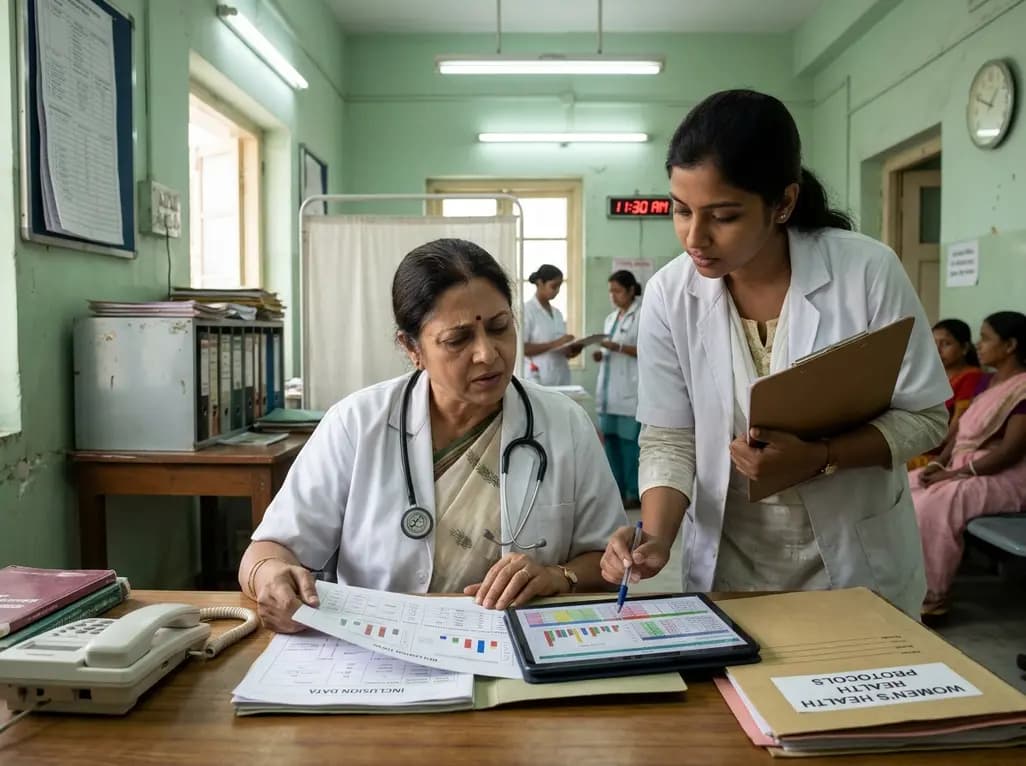
Demanding exhaustive hormonal profiling can inadvertently discourage clinical studies involving females. Methodological standards must align with the specific scientific question to expand, not restrict, equitable evidence for women.
Today

The Directorate General of Health Services directs Indian states to halt the hazardous reuse and reprocessing of single-use medical devices. Discover regulatory implications under the Drugs and Cosmetics Act, critical infection risks, legal liabilities, and operational changes required across clinical specialties.
Today
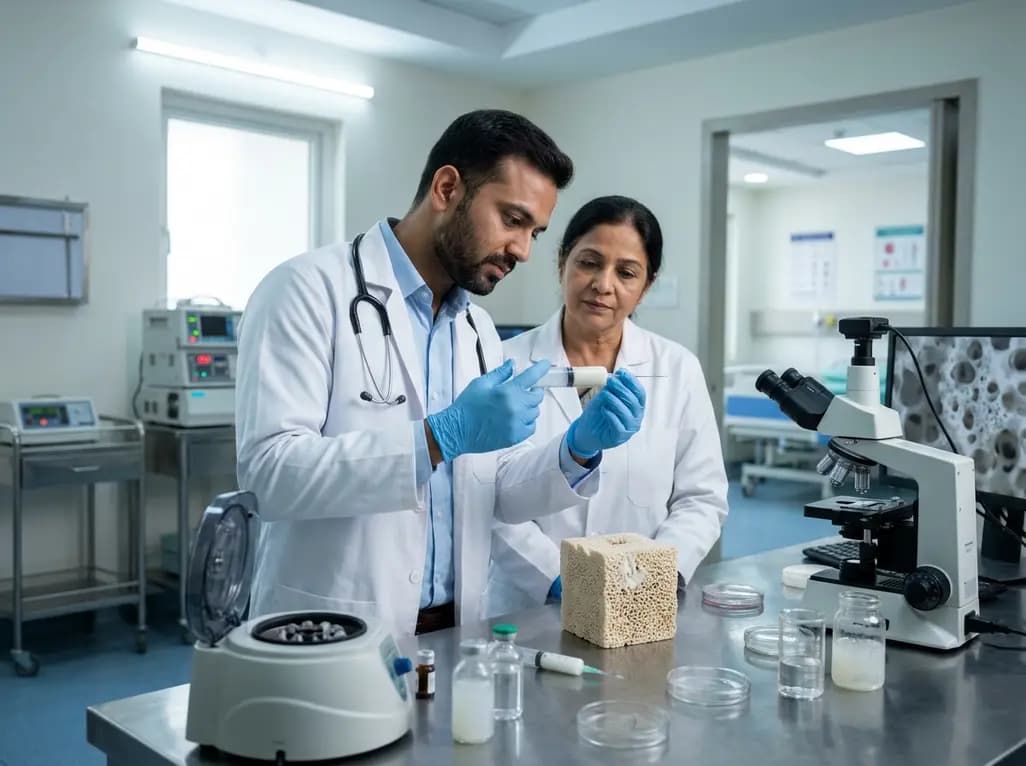
A novel calcium polyphosphate coacervate enables injectable bone implants with in situ hierarchical porosity via phase separation and gas foaming, significantly enhancing cell proliferation, energy metabolism, and osteogenic differentiation for minimally invasive bone defect repair.
Today

Following regulatory scrutiny from FSSAI regarding promotional representations and lean muscle preservation claims, Dr. Reddy's Laboratories and Nestlé Health Science are currently reviewing the branding and marketing strategy for their joint nutritional supplement Celevida GLP+.
Today
