

Loading, please wait...
Loading, please wait...
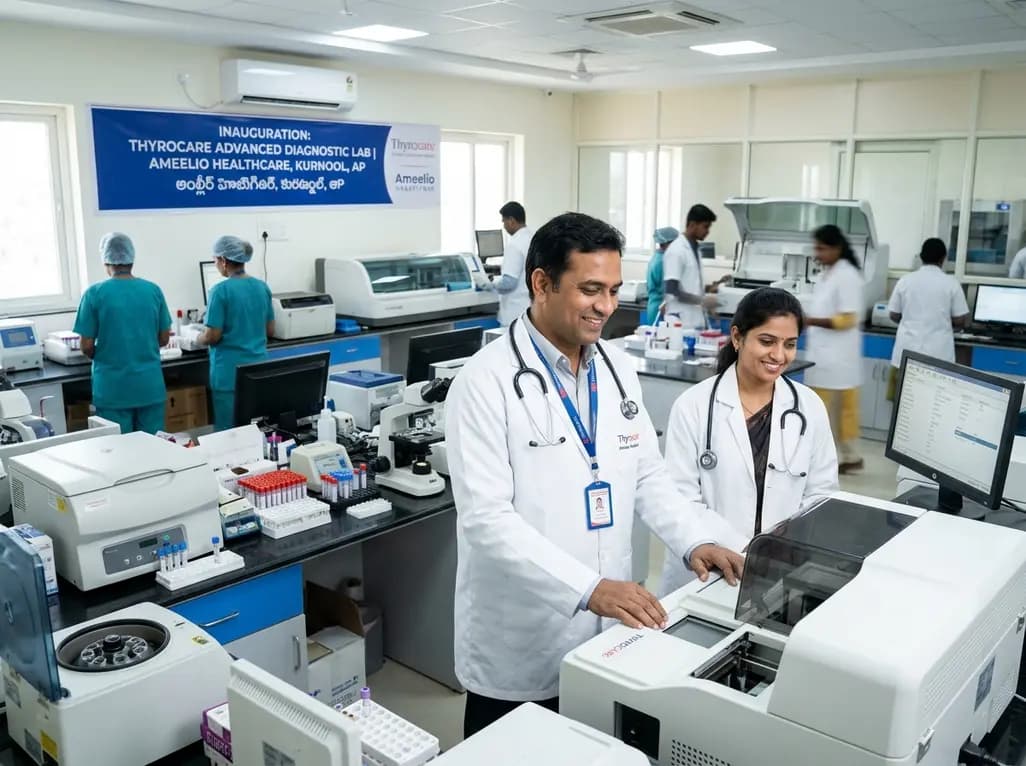
Thyrocare Technologies has expanded its diagnostic presence across southern India by establishing a state-of-the-art diagnostic lab in Kurnool, Andhra Pradesh. This center opened in strategic partnership with Ameelio Healthcare Private Limited. Crucially, the establishment represents the third operational processing hub for the network within the state. Regional medical providers often struggle with protracted turnaround windows when sending specimens to distant metro hubs. Therefore, this strategic initiative directly addresses diagnostic gaps in the Rayalaseema region. The center provides comprehensive routine testing and specialized assays. Ultimately, this local infrastructure ensures clinicians receive prompt diagnostic clarity, improving overall regional patient care.
Healthcare infrastructure across India continues to evolve beyond major metropolitan hubs into tier-two and tier-three cities. Historically, rural and semi-urban patients faced significant logistical hurdles when seeking advanced medical investigations. Furthermore, local clinics often had to dispatch biological samples across wide geographical distances. This logistical chain frequently delayed critical clinical decisions for several days. However, modern corporate diagnostics networks are transforming this dynamic through deliberate decentralized regional investments.
By expanding its operations into Kurnool, Thyrocare reinforces an industry-wide push toward equitable diagnostic distribution. In addition, the partnership with Ameelio Healthcare Private Limited demonstrates the growing value of collaborative regional healthcare models. Such alliances combine centralized quality management protocols with local operational agility. Consequently, primary care physicians gain access to standardized pathology without the delays inherent to long-distance specimen transit. Moreover, this regional presence strengthens the diagnostic supply chain for private clinics and nursing homes across surrounding districts. As secondary care centers in Kurnool expand, localized laboratories provide the testing precision necessary to support complicated patient therapies.
Additionally, early diagnostic intervention remains essential for effective chronic disease surveillance. Clinicians practicing in regional hubs require consistent analytical precision to diagnose emerging non-communicable disorders. Therefore, establishing modern regional processing hubs significantly strengthens the local healthcare delivery framework.
The operational launch of a diagnostic lab in Kurnool represents a substantial clinical asset for local healthcare practitioners. Routine investigations, including complete blood counts, renal function panels, and liver enzymes, form the backbone of daily medical decisions. When clinicians must wait over twenty-four hours for basic profiles, clinical ambiguity can compromise acute patient care. Fortunately, this newly commissioned facility eliminates specimen transport lag across regional highways.
Consequently, attending physicians can establish definitive diagnoses and initiate evidence-based therapeutic regimens during early clinical presentation. Furthermore, localized analytical platforms dramatically reduce the risk of preanalytical sample deterioration. In vitro cellular metabolism, hemolysis, and temperature variations frequently alter sensitive analyte concentrations during prolonged transit. Local testing prevents such analytical errors, thereby safeguarding specimen integrity. In addition, the laboratory supports specialized investigations, including endocrine profiles and tumor surveillance biomarkers. Clinicians managing intricate thyroid abnormalities, reproductive endocrinopathies, or metabolic syndromes can now monitor patient responses with high reproducibility. Thus, the center bridges the historical diagnostic disparity between major urban cities and developing medical hubs.
Moreover, healthcare providers can coordinate emergency critical tests more effectively. Consequently, patients receive tailored treatments rapidly, which reduces unnecessary empirical antimicrobial usage and improves clinical outcomes across general outpatient departments.
Preanalytical variables account for the vast majority of laboratory diagnostic errors in modern clinical medicine. Biological specimens undergo significant biochemical changes when phlebotomy tubes travel extensive distances under erratic temperature conditions. For instance, prolonged contact between erythrocytes and serum causes artifactual hyperkalemia and accelerated glucose consumption. Furthermore, sensitive peptide hormones and coagulation factors degrade rapidly without rapid centrifugation and dedicated cold-chain preservation.
Therefore, establishing regional facilities directly resolves these vulnerable transportation phases. Local processing allows laboratory personnel to centrifuge specimens within recommended physiological time windows. Consequently, serum and plasma separate promptly, preserving actual biological concentrations of fragile biochemical analytes. Additionally, local phlebotomists and technicians maintain strict standard operating procedures under rigorous quality assurance protocols. Standardized vacutainer handling and local barcoding minimize sample mismatching risks. Moreover, automated processing platforms reduce manual pipetting steps, eliminating user-dependent analytical variations. Clinicians can therefore trust the clinical validity of marginal laboratory values when making delicate therapeutic decisions. In summary, local infrastructure protects sample stability, assuring dependable results for both routine checks and complicated clinical investigations.
Importantly, practicing physicians can request reflex testing without recalling patients for fresh phlebotomy draws. This streamlined sample preservation workflow significantly reduces diagnostic costs and physical discomfort for vulnerable patients.
Chronic lifestyle diseases represent an escalating public health challenge across Andhra Pradesh and neighbouring states. Type 2 diabetes mellitus, systemic hypertension, cardiovascular disorders, and metabolic syndromes require frequent objective laboratory monitoring. However, patients frequently delay routine surveillance checkups when diagnostic access requires extensive travel or burdensome out-of-pocket costs. As a result, many individuals experience preventable complications, such as progressive nephropathy or peripheral vascular diseases.
Fortunately, scalable diagnostic chains help dismantle these financial and logistical barriers. Affordable testing panels allow family physicians to recommend structured, periodic biomarker monitoring for vulnerable demographic cohorts. For example, regular testing of glycated hemoglobin, microalbuminuria, and lipid fractions enables precise therapeutic titration for diabetic patients. Additionally, affordable screening packages encourage asymptomatic individuals to undergo regular preventive health evaluations. Consequently, clinicians detect dyslipidemia and impaired fasting glucose well before overt vascular damage develops. Furthermore, comprehensive thyroid screenings allow physicians to identify subclinical hypothyroidism, a condition prevalent among women across the subcontinent. By integrating regular diagnostic touchpoints into primary healthcare, the regional medical community can substantially curb chronic disease progression.
Thus, proactive screening protocols replace reactive crisis management in everyday clinical practice. Physicians can guide patients toward targeted lifestyle modifications and pharmacological adherence, thereby reducing avoidable cardiovascular hospitalizations.
The collaboration between corporate diagnostic leaders and local healthcare organizations exemplifies a progressive trend in healthcare delivery. In this model, Thyrocare combines automated high-throughput laboratory instrumentation with the regional logistical network of Ameelio Healthcare. Consequently, medical practitioners gain reliable access to sophisticated diagnostic technology without navigating complex bureaucratic hurdles. This operational synergy benefits both urban clinics and rural healthcare centers throughout the Rayalaseema district.
Moreover, private practitioners and small nursing homes often lack the capital required to purchase automated chemiluminescence or spectrometry equipment. Partnering with accredited commercial laboratories allows these providers to offer advanced diagnostics directly from their consulting chambers. Local collection centers can transfer specimens quickly to the Kurnool hub, receiving verified digital reports via secure cloud-based software. Therefore, doctors can review objective biochemical trends on their digital devices during patient follow-up consultations. Furthermore, this collaborative network supports regional public health screening drives and corporate preventive health initiatives. As diagnostic networks deepen their presence across smaller Indian cities, the overall standard of evidence-based medical practice rises steadily.
In addition, continuing medical education and clinical laboratory consultations strengthen ties between practicing clinicians and pathologists. This collaborative environment ensures that clinicians interpret atypical laboratory results accurately, optimizing patient outcomes across varied medical specialties.
Q1: How does the new Kurnool diagnostic laboratory affect sample turnaround times for local physicians?
Local sample processing significantly reduces transport delays between specimen collection and laboratory analysis. Consequently, regional physicians receive critical biochemical and hematological reports within hours rather than days. This rapid reporting enables prompt clinical interventions in acute scenarios, such as sepsis or diabetic ketoacidosis. Furthermore, shorter turnaround times minimize preanalytical sample degradation, thereby ensuring superior analytical integrity and dependable clinical diagnostic data for treating clinicians.
Q2: What clinical test profiles does the new facility support for primary care practitioners?
The facility supports both routine and advanced specialized testing protocols. Therefore, primary physicians can order essential metabolic panels, complete blood counts, and lipid evaluations alongside specialized endocrinology profiles. Specifically, the laboratory processes comprehensive thyroid markers, glycated hemoglobin, cardiac biomarkers, and reproductive hormones. This broad testing portfolio prevents diagnostic delays by eliminating the need to send specialized biological specimens to distant metropolitan reference centers.
Q3: Why is decentralized diagnostic infrastructure important for chronic disease management in Tier 2 cities?
Decentralized laboratories bring advanced testing infrastructure directly to semi-urban communities. As a result, patients managing hypertension, diabetes mellitus, or chronic kidney disease encounter fewer logistical barriers during routine monitoring. Clinicians can adjust therapeutic regimens swiftly based on reliable local data. Moreover, localized diagnostic capabilities enhance patient compliance with periodic follow-up testing, which ultimately mitigates the incidence of long-term cardiovascular and microvascular complications.
Disclaimer: This content is for informational and educational purposes only. It does not constitute medical advice or replace professional judgment. Refer to the latest local and national guidelines for clinical practice.
References

Read summarized clinical updates, watch expert medical content, and earn CME certifications right from your smartphone.
Open your smartphone camera to scan and install.





Thyrocare has collaborated with Ameelio Healthcare to inaugurate a modern diagnostic testing facility in Kurnool, Andhra Pradesh. This center expands local access to routine and specialized pathology evaluations, reducing report turnaround times and strengthening clinical decision-making for regional practitioners.
Today
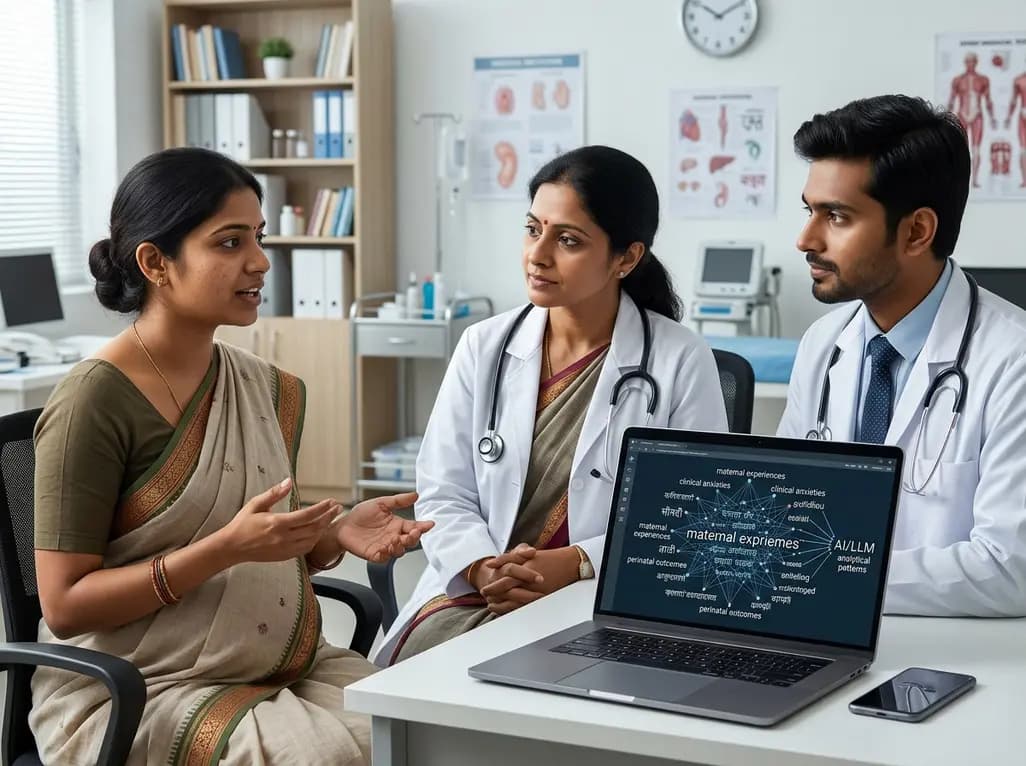
A landmark study evaluates artificial intelligence models and prompting strategies in qualitative lupus pregnancy research, revealing that few-shot prompting in advanced LLMs reliably captures maternal experiences, clinical anxieties, and perinatal outcomes across diverse languages.
Today
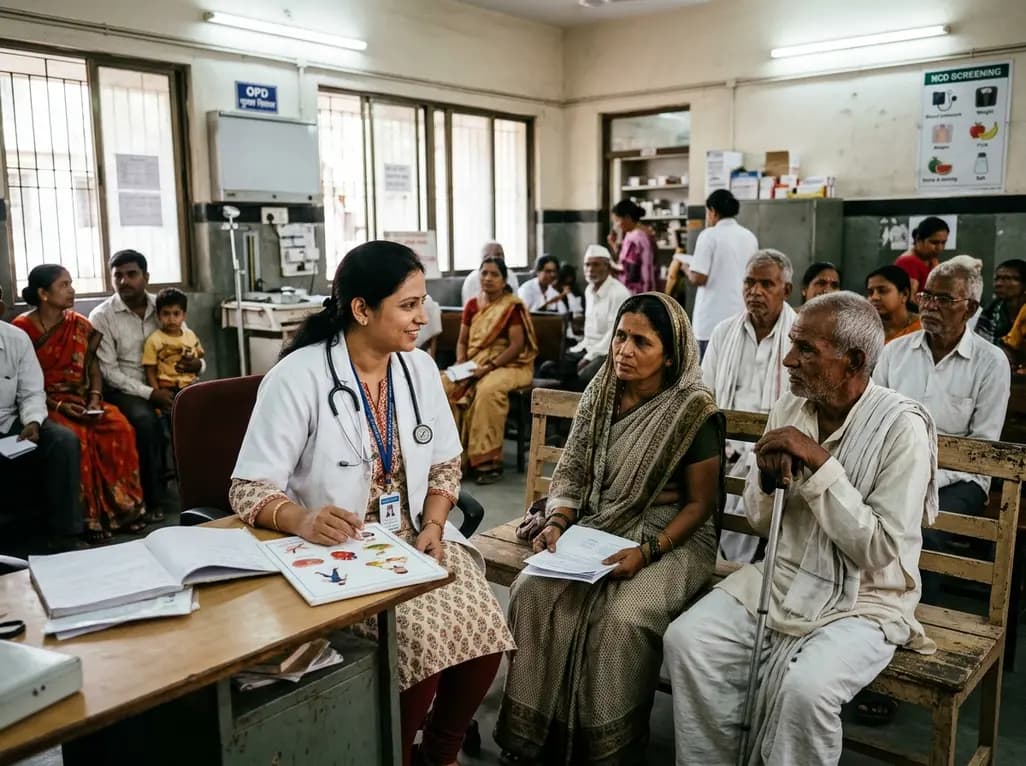
A landmark ten-year WHO report reveals how socioeconomic status, geography, and gender disparities profoundly aggravate chronic disease risks, diagnosis delays, and therapeutic outcomes globally. Discover actionable primary care strategies to bridge screening divides and optimize vulnerable patient management.
Today
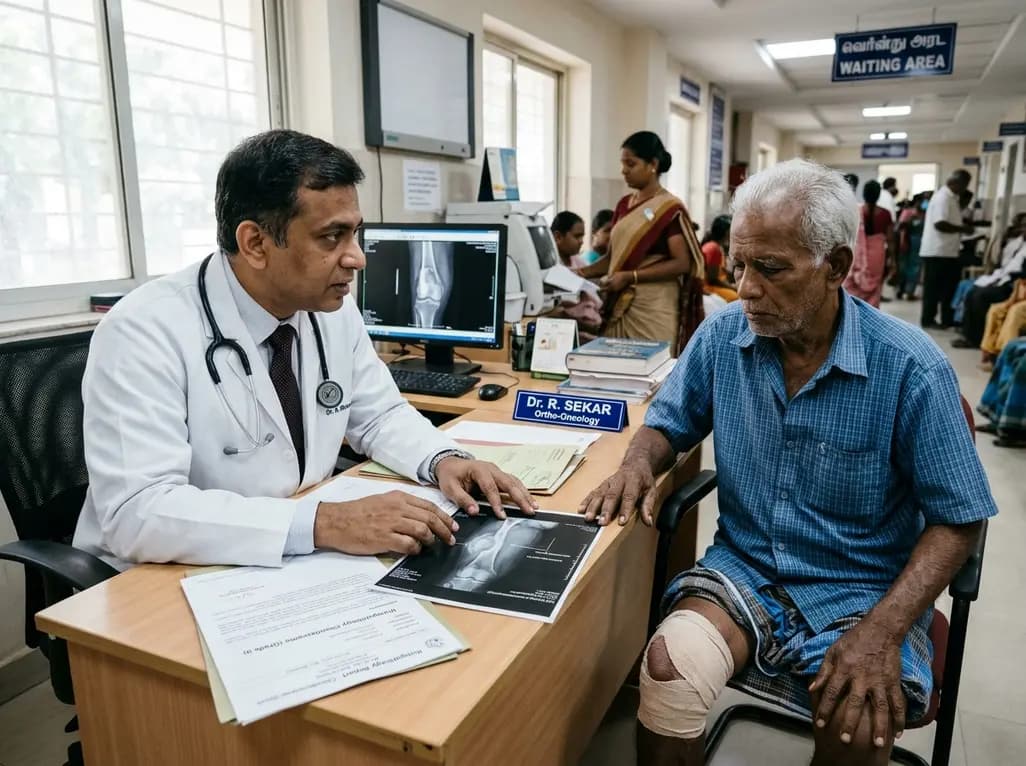
A recent single-institution analysis identifies advanced patient age and progressive systemic disease as primary negative prognostic factors for five-year survival in chondrosarcoma, underscoring the urgent necessity of precise risk stratification, clear surgical margins, and dedicated oncologic follow-up.
Today
Metabolic dysfunction-associated steatotic liver disease affects nearly 70% of Indian adults with type 2 diabetes. Implementing systematic risk stratification with FIB-4 scoring, transient elastography, and patient-centric digital engagement transforms early detection into sustainable, long-term clinical care.
Today
