

Loading, please wait...
Loading, please wait...

Primary bone malignancies demand meticulous clinical evaluation, and identifying validated chondrosarcoma prognostic factors remains essential for optimizing long-term survival. Chondrosarcoma represents the second most common primary malignant bone neoplasm. However, its biological behavior varies substantially across histological grades and anatomical sites. While existing literature frequently emphasizes tumor volume, recent clinical evidence demonstrates that host-related variables exert an equally profound influence on survival. Specifically, clinicians must evaluate baseline systemic reserves when establishing therapeutic roadmaps.
Furthermore, conventional chondrosarcomas demonstrate inherent resistance to traditional cytotoxic chemotherapy and standard ionizing radiation. Consequently, complete surgical resection with negative margins provides the only reliable curative pathway for localized disease. Therefore, multidisciplinary oncology teams require dependable clinical metrics to stratify high-risk individuals early. When surgical teams detect adverse prognostic indicators, they can optimize postoperative surveillance and consider timely interventions. In addition, understanding five-year overall survival determinants assists clinicians in counseling patients effectively and tailoring reconstructive strategies appropriately. Recognizing these key clinical determinants helps orthopedic oncologists optimize functional and oncologic outcomes.
Advanced chronologic age represents a major independent predictor of adverse oncologic outcomes in primary cartilage malignancies. In multivariate evaluations, older patients experience significantly lower five-year overall survival compared to younger cohorts. Moreover, physiological aging correlates with diminished cardiorespiratory reserve, impairing a patient's capacity to tolerate extensive limb-salvage surgery. Consequently, elderly patients often present with elevated baseline comorbidity scores that complicate perioperative recovery and limit aggressive reconstructive procedures.
Additionally, biological mechanisms help explain why older individuals face poorer oncologic outcomes. Cellular senescence and diminished immunological surveillance may permit more rapid tumor proliferation. Older adults also exhibit a higher incidence of secondary chondrosarcomas arising from pre-existing benign enchondromas or osteochondromas. Therefore, surgical teams must conduct comprehensive geriatric assessments before undertaking radical procedures. However, clinicians should never withhold curative wide local excision based solely on age. Instead, multidisciplinary tumor boards must evaluate performance status alongside functional reserves to achieve optimal local control. Careful physiological optimization ensures that elderly candidates undergo definitive resection safely.
Tumor progression and distant dissemination represent the most critical determinants of therapeutic failure in chondrosarcoma. In multivariate analyses, progressive systemic disease dramatically increases mortality, elevating hazard ratios tenfold compared to stable disease. Specifically, the development of secondary pulmonary metastases sharply curtails five-year survival probabilities. Because chondrosarcomas resist cytotoxic agents, hematogenous dissemination creates an exceptionally difficult challenge for clinical oncologists.
Furthermore, local recurrence frequently serves as a direct precursor to systemic failure. When primary tumors recur locally, biological aggressiveness often escalates toward higher histological grades. Therefore, oncologists must enforce strict post-surgical surveillance protocols to capture early disease activity. Regular thoracic computed tomography scans and localized magnetic resonance imaging detect subclinical metastases and surgical site relapses promptly. Consequently, early identification facilitates timely pulmonary metastasectomy or targeted stereotactic ablation. Thus, active surveillance directly improves clinical management and survival potential. Proactive monitoring protocols enable surgical teams to intervene before systemic burdens become irreversible.
Achieving wide microscopic surgical margins remains the primary cornerstone of curative management for localized chondrosarcoma. Because conventional chondrosarcomas exhibit marked resistance to chemotherapy, complete surgical extirpation determines long-term local tumor control. However, obtaining clear margins poses significant technical challenges when neoplasms involve complex pelvic or axial anatomy. Pelvic resections frequently yield close or positive margins, driving elevated local recurrence rates.
Moreover, histological subtype and tumor grade dictate surgical radicality and overall prognosis. Low-grade peripheral lesions may occasionally undergo intralesional curettage with local adjuvants. In contrast, intermediate and high-grade conventional lesions invariably necessitate en bloc wide excision with disease-free soft-tissue margins. Furthermore, dedifferentiated subtypes harbor aggressive high-grade components requiring intensive systemic therapy adapted from osteosarcoma protocols. Therefore, accurate pre-operative biopsy and dedicated musculoskeletal pathology reviews are mandatory. Consequently, precise grading prevents undertreatment while sparing patients unnecessary surgical morbidity. Collaborative surgical planning guarantees adequate margins while preserving vital neurovascular structures whenever feasible.
Managing advanced, recurrent, or unresectable chondrosarcoma requires coordinated expertise across multiple oncology disciplines. When complete surgical extirpation is anatomically unfeasible, conventional therapies provide limited clinical benefit. However, modern radiation oncology offers valuable alternatives using specialized heavy-particle therapies. Specifically, proton beam therapy and carbon-ion radiotherapy deliver potent doses to radioresistant cartilage matrices while sparing adjacent neural structures. Consequently, patients with spinal or skull base lesions achieve improved local disease control.
Furthermore, medical oncologists are investigating novel molecular avenues for progressive metastatic disease. For example, isocitrate dehydrogenase mutations occur in over fifty percent of conventional chondrosarcomas, providing actionable targets for small-molecule inhibitors. Additionally, anti-angiogenic agents and immune checkpoint modulators are currently undergoing evaluation in clinical trials. Therefore, comprehensive genomic profiling is recommended for patients experiencing disease progression. In addition, multidisciplinary collaboration ensures timely integration of stereotactic radiation and pulmonary metastasectomy. Ultimately, combining innovative targeted therapeutics with aggressive local salvage maximizes survival outcomes. Ongoing clinical trials continue to expand systemic options for previously untreatable chondrosarcomas.
Advanced chronological age significantly diminishes overall survival through multiple interrelated biological and clinical factors. Older patients exhibit reduced physiological resilience, higher comorbidity burdens, and impaired immunological surveillance against micro-metastases. Furthermore, baseline health constraints often restrict the aggressiveness of radical limb-salvage surgeries and functional reconstructions. Consequently, comprehensive geriatric assessments are vital for tailoring operative margins and supportive care without unnecessarily compromising oncologic safety.
Progressive systemic disease demonstrates a high hazard ratio primarily because chondrosarcoma tumor cells resist standard cytotoxic chemotherapeutic agents and conventional radiation therapy. Once hematogenous dissemination occurs, secondary pulmonary deposits proliferate without reliable systemic pharmacological control. Consequently, metastatic progression rapidly leads to respiratory failure, treatment exhaustion, and severe functional decline. Early detection through structured post-treatment imaging remains the most effective opportunity to perform curative pulmonary metastasectomy.
Postoperative surveillance protocols require regular clinical evaluations, high-resolution chest computed tomography, and localized magnetic resonance imaging. High-grade and pelvic chondrosarcomas demand clinical assessments every three to four months during the initial two years, transitioning to six-month intervals through year five. Because secondary distant relapses and local recurrences substantially diminish long-term survival, rigorous imaging surveillance detects asymptomatic recurrences early, permitting prompt surgical re-resection or targeted ablative therapies.
Disclaimer: This content is for informational and educational purposes only and does not constitute medical advice, diagnosis, or treatment. Healthcare professionals must exercise independent clinical judgment and correlate these findings with individual patient presentation. Refer to the latest local and national guidelines for clinical practice.
References

Read summarized clinical updates, watch expert medical content, and earn CME certifications right from your smartphone.
Open your smartphone camera to scan and install.





A recent single-institution analysis identifies advanced patient age and progressive systemic disease as primary negative prognostic factors for five-year survival in chondrosarcoma, underscoring the urgent necessity of precise risk stratification, clear surgical margins, and dedicated oncologic follow-up.
Today
The Phase 3b APEX study demonstrates that guselkumab provides durable joint symptom reduction, significant skin clearance, and sustained inhibition of radiographic structural damage progression through 48 weeks in biologic-naïve patients with active and erosive psoriatic arthritis.
Today
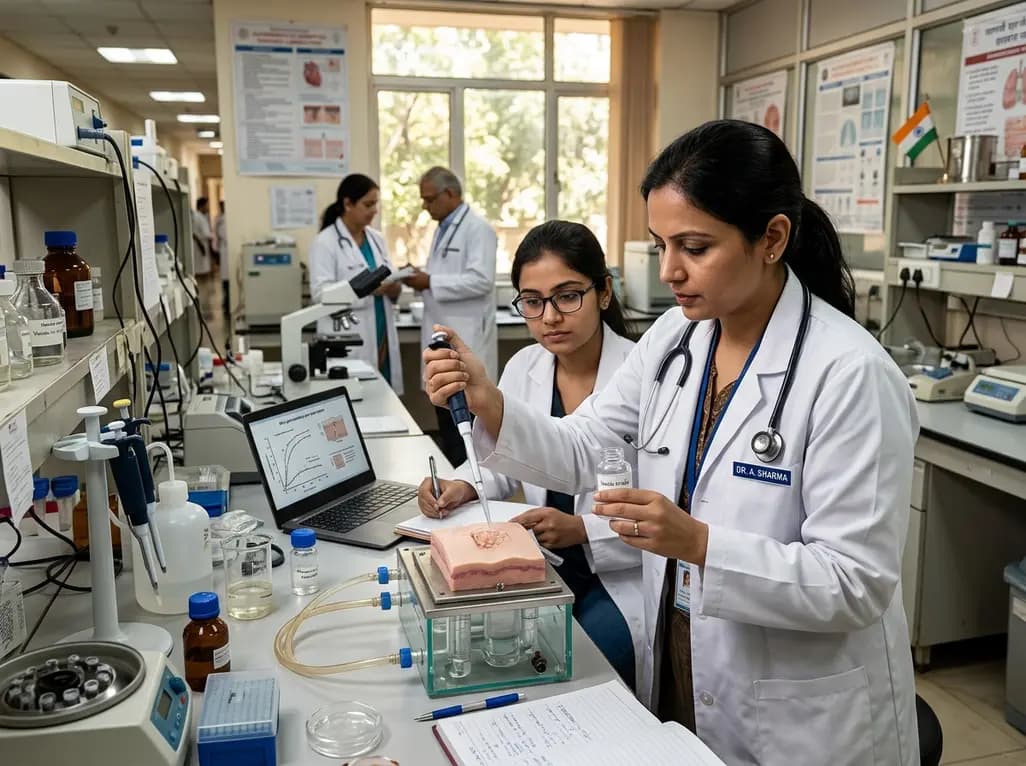
A novel high-permeation vesicle-in-gel platform enhances transdermal fulvestrant delivery, achieving sustained release, robust intradermal retention, and superior antitumor efficacy in breast cancer models while circumventing the drawbacks of painful intramuscular depot injections.
Today
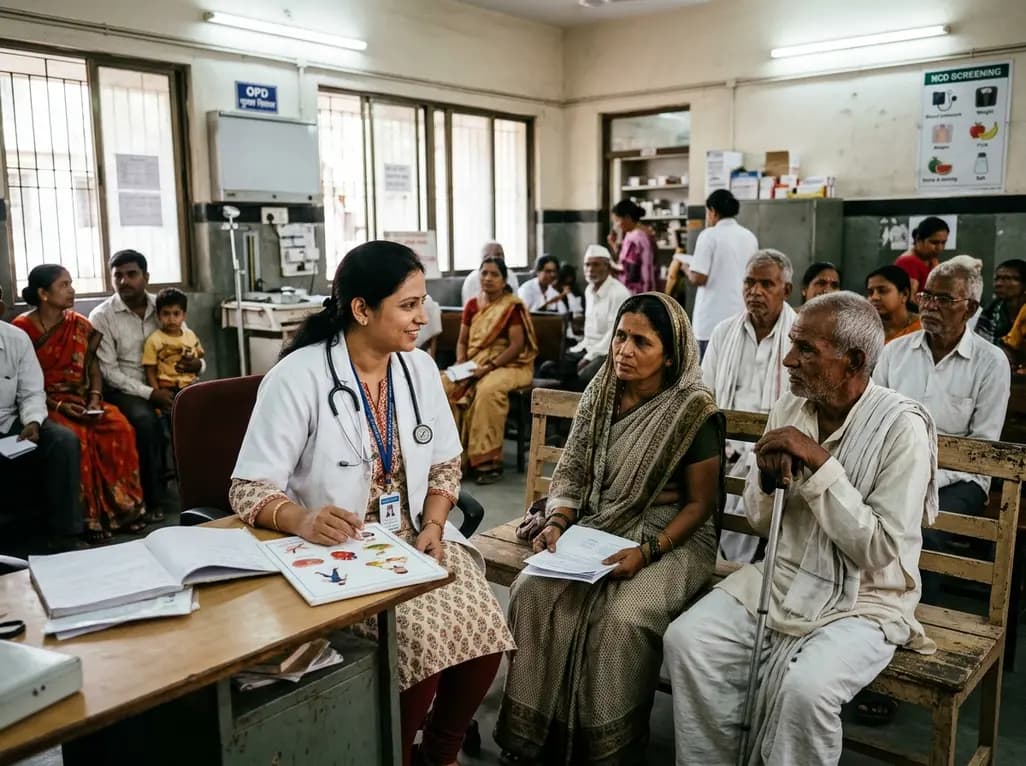
A landmark ten-year WHO report reveals how socioeconomic status, geography, and gender disparities profoundly aggravate chronic disease risks, diagnosis delays, and therapeutic outcomes globally. Discover actionable primary care strategies to bridge screening divides and optimize vulnerable patient management.
Today

A critical review evaluates whether starch-polyphenol complexes meet structural and metabolic criteria to qualify as type 5 resistant starch. The proposed tiered evidence framework distinguishes true inclusion complexes from simple mixtures, clarifying mechanisms for glycemic modulation and gut fermentation.
Today
