

Loading, please wait...
Loading, please wait...
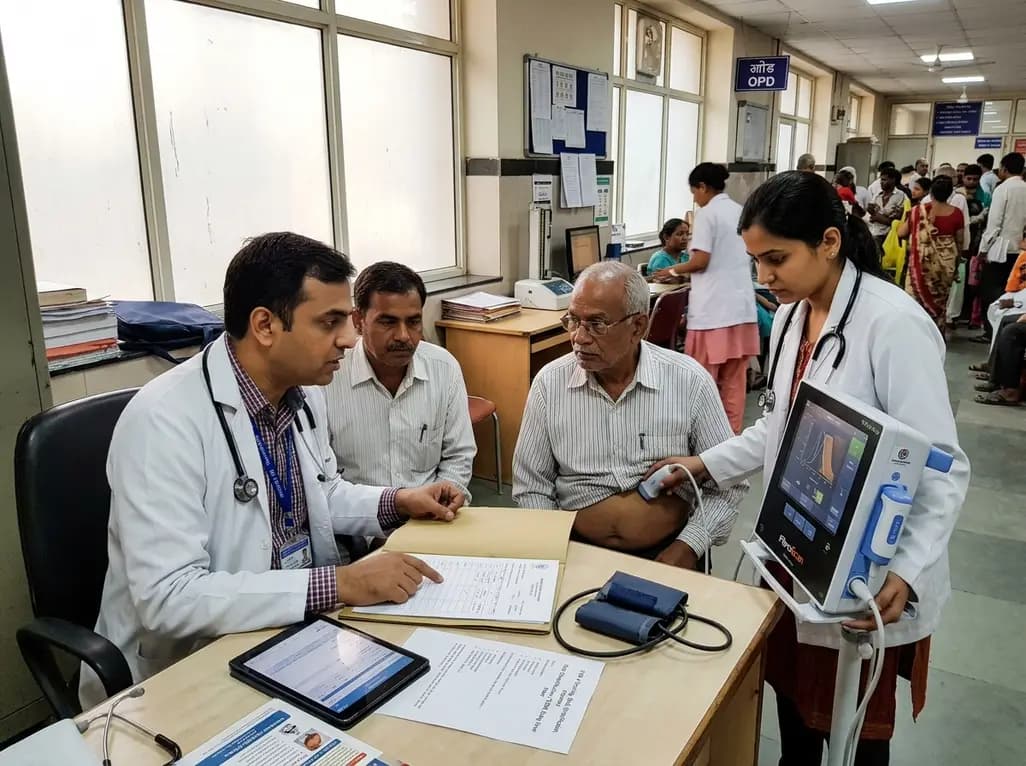
Metabolic dysfunction-associated steatotic liver disease has quietly emerged as an urgent public health challenge in India. Clinicians increasingly recognize that systematic fatty liver screening must become standard clinical practice rather than an afterthought. Historically, liver evaluation occurred only after patients presented with overt right upper quadrant discomfort or decompensated cirrhosis. Today, overwhelming epidemiological evidence connects hepatic fat accumulation directly with insulin resistance, type 2 diabetes mellitus, and accelerated cardiovascular disease. Consequently, primary care clinicians and endocrinologists must shift from passive observation to active surveillance, transforming clinical awareness into structured pathways to care.
Metabolic dysfunction-associated steatotic liver disease, previously termed non-alcoholic fatty liver disease, affects a large proportion of the Indian adult population. Recent multicenter epidemiological data indicate that approximately seventy percent of Indian patients with type 2 diabetes harbor concurrent steatotic liver disease. Moreover, South Asian phenotypes demonstrate a unique susceptibility to visceral adiposity and severe hepatic steatosis at comparatively lower body mass index thresholds. This biological vulnerability accelerates hepatocyte lipotoxicity, systemic inflammation, and early fibrotic transformation. Unfortunately, early-stage hepatic steatosis remains clinically silent for years. Most patients experience no recognizable symptoms, which frequently delays diagnosis until substantial liver fibrosis develops. In addition, standard annual health checkups often neglect subtle metabolic markers of hepatic injury. Serum alanine aminotransferase and aspartate aminotransferase levels may remain within normal ranges despite active histological steatohepatitis. Furthermore, unaddressed hepatic steatosis substantially elevates five-year cardiovascular event risks, exceeding even the liver-related mortality rates in this cohort. Therefore, early detection in primary outpatient settings represents an indispensable clinical necessity. Addressing this hidden metabolic crisis requires medical providers to recognize the profound overlap between hepatic steatosis and systemic cardiometabolic disorders.
Historically, clinical protocols treated glycemic management and hepatology as entirely separate therapeutic domains. However, modern clinical evidence confirms that insulin resistance serves as the common denominator bridging both disease states. Therefore, proactive fatty liver screening must accompany regular glycosylated hemoglobin testing and lipid profile assessments. The ongoing LiverForever public health initiative popularized the pivotal clinical axiom that fatty liver represents the modern equivalent of diabetes. By reframing hepatic evaluation as routine metabolic surveillance, physicians can detect early parenchymal damage before irreversible fibrosis develops. Furthermore, routine clinical screening fosters shared decision-making between endocrinologists, primary care physicians, and hepatology specialists. When clinicians evaluate hepatic health at each diabetes follow-up, patients begin to view liver function as integral to overall metabolic wellness. Additionally, initiating liver screening during routine diabetes appointments eliminates unnecessary diagnostic hurdles for high-risk individuals. Standardizing this dual-screening approach ensures that metabolic risk stratification becomes second nature in busy outpatient departments. As a result, healthcare systems can alleviate long-term tertiary liver care burdens by intercepting steatohepatitis during early, reversible stages. Implementing proactive screening protocols ultimately protects hepatic reserves and lowers overall cardiovascular morbidity.
Accurate, scalable risk stratification requires validated non-invasive scoring tools that clinicians can deploy without substantial economic barriers. The Fibrosis-4 index provides an initial screening instrument that utilizes readily accessible parameters, including patient age, serum transaminases, and platelet counts. Incorporating digital FIB-4 calculators into outpatient electronic health records allows primary practitioners to stratify fibrosis risk within seconds. For individuals presenting with indeterminate or elevated FIB-4 scores, secondary non-invasive evaluation becomes imperative. Vibration-controlled transient elastography, commonly known as FibroScan, represents the benchmark modality for measuring liver stiffness and controlled attenuation parameters. By quantifying hepatic fat accumulation and stiffness in kilopascals, transient elastography differentiates mild steatosis from advanced bridging fibrosis. Moreover, providing patients with concrete numerical reports bridges the psychological gap between an invisible condition and actionable clinical reality. When patients see definitive visual evidence of liver stiffness, they comprehend their metabolic risks far more clearly. Consequently, mobile screening camps utilizing portable elastography machines have expanded diagnostic access across suburban and rural populations. Combining serum calculations with point-of-care elastography establishes an efficient, highly sensitive diagnostic cascade for populations at elevated metabolic risk.
A persistent obstacle in chronic liver disease management involves early treatment discontinuation. Clinical registry data reveal that patients historically discontinued prescribed lifestyle modifications and pharmacotherapy within thirty to forty-five days of initial consultation. This rapid drop-off occurs largely because asymptomatic diseases fail to reinforce daily adherence through overt physical reminders. To resolve this therapeutic challenge, modern disease management models combine clinical consultations with structured digital health platforms. For instance, continuous follow-up through regional language messaging applications and dedicated wellness platforms maintains active patient engagement. Trained health coaches provide regular lifestyle counseling, dietary guidance, and therapeutic reminders tailored to regional Indian diets. Furthermore, home monitoring tools such as digital scales encourage patients by illustrating tangible physiological progress over time. Recent data from the LiverForever initiative demonstrate that continuous digital touchpoints extend median treatment adherence from six weeks to over one hundred eighty days. Consequently, digital workflows convert episodic clinical visits into sustained, long-term therapeutic partnerships. When healthcare teams provide continuous behavioral reinforcement, patients achieve meaningful metabolic improvements and sustained weight loss. Ultimately, sustained adherence prevents the silent progression of steatohepatitis toward decompensated cirrhosis.
Transforming fatty liver management across India requires durable infrastructural integration between metabolic and liver specialists. Dedicated Diabetes Liver Clinics represent a functional solution, uniting diabetologists, hepatologists, clinical dietitians, and nurse educators under unified institutional protocols. These collaborative clinics streamline patient transitions, eliminating diagnostic delays and contradictory lifestyle recommendations. Moreover, establishing these integrated centers in tier-two and tier-three towns expands advanced metabolic hepatology access beyond metropolitan medical centers. Standardized institutional clinical pathways ensure that patients receive comprehensive evaluations, ranging from cardiovascular risk assessment to targeted fibrosis monitoring. In addition, multidisciplinary teams can tailor pharmacotherapies to address glycemic control and hepatic fat simultaneously. Agents such as glucagon-like peptide-1 receptor agonists, sodium-glucose cotransporter-2 inhibitors, and pioglitazone offer dual metabolic and hepatic advantages. Physicians also integrate clinical education for allied health professionals, training nursing staff to conduct structured lifestyle interventions. Public health partnerships with regional government systems further amplify the reach of these integrated clinics. As these multidisciplinary networks expand nationwide, they establish an enduring public health framework. Therefore, integrating multidisciplinary expertise ensures comprehensive, sustainable care for millions of vulnerable individuals.
Q1: Why should clinicians prioritize fatty liver screening for individuals with type 2 diabetes?
Clinicians must prioritize fatty liver screening because nearly seventy percent of Indian patients with type 2 diabetes develop hepatic steatosis. In addition, insulin resistance drives both disorders simultaneously, accelerating cardiovascular morbidity and liver disease progression. Because early metabolic dysfunction-associated steatotic liver disease rarely produces overt physical symptoms, proactive screening prevents unnoticed progression toward nonalcoholic steatohepatitis, advanced cirrhosis, and hepatocellular carcinoma. Early identification allows timely lifestyle and therapeutic interventions.
Q2: How does the FIB-4 index assist in clinical decision-making within primary care?
The FIB-4 index offers a simple, cost-effective calculation that uses patient age, AST, ALT, and platelet count to assess hepatic fibrosis risk. Consequently, primary care physicians can rapidly triage patients without expensive preliminary imaging. A low score reliably excludes significant fibrosis in routine practice, while an intermediate or elevated value prompts timely referral for transient elastography or hepatology consultation. Therefore, FIB-4 effectively optimizes healthcare resources across outpatient clinics.
Q3: What interventions effectively improve long-term adherence in MASLD management?
Sustaining patient adherence requires continuous engagement rather than isolated clinical appointments. For example, regular digital follow-up through messaging applications and mobile health platforms delivers personalized nutrition guidance and coaching in regional languages. Furthermore, providing visual diagnostic reports, such as FibroScan elastography outputs, helps patients understand their liver condition objectively. When healthcare teams combine remote monitoring tools with structured education, patients demonstrate significantly longer adherence to lifestyle interventions and medical therapy.
Disclaimer: This content is for informational and educational purposes only. It does not constitute medical advice or replace professional judgment. Refer to the latest local and national guidelines for clinical practice.
References

Read summarized clinical updates, watch expert medical content, and earn CME certifications right from your smartphone.
Open your smartphone camera to scan and install.





Metabolic dysfunction-associated steatotic liver disease affects nearly 70% of Indian adults with type 2 diabetes. Implementing systematic risk stratification with FIB-4 scoring, transient elastography, and patient-centric digital engagement transforms early detection into sustainable, long-term clinical care.
Today

A landmark study evaluates artificial intelligence models and prompting strategies in qualitative lupus pregnancy research, revealing that few-shot prompting in advanced LLMs reliably captures maternal experiences, clinical anxieties, and perinatal outcomes across diverse languages.
Today

A landmark ten-year WHO report reveals how socioeconomic status, geography, and gender disparities profoundly aggravate chronic disease risks, diagnosis delays, and therapeutic outcomes globally. Discover actionable primary care strategies to bridge screening divides and optimize vulnerable patient management.
Today
A recent single-institution analysis identifies advanced patient age and progressive systemic disease as primary negative prognostic factors for five-year survival in chondrosarcoma, underscoring the urgent necessity of precise risk stratification, clear surgical margins, and dedicated oncologic follow-up.
Today

As millions adopt GLP-1 receptor agonists, patients frequently combine unverified dietary supplements to mitigate gastrointestinal side effects. Clinicians must understand delayed gastric absorption, supplement quality risks, and evidence-based nutrition strategies to protect patient outcomes during medical weight loss.
Today
