

Loading, please wait...
Loading, please wait...
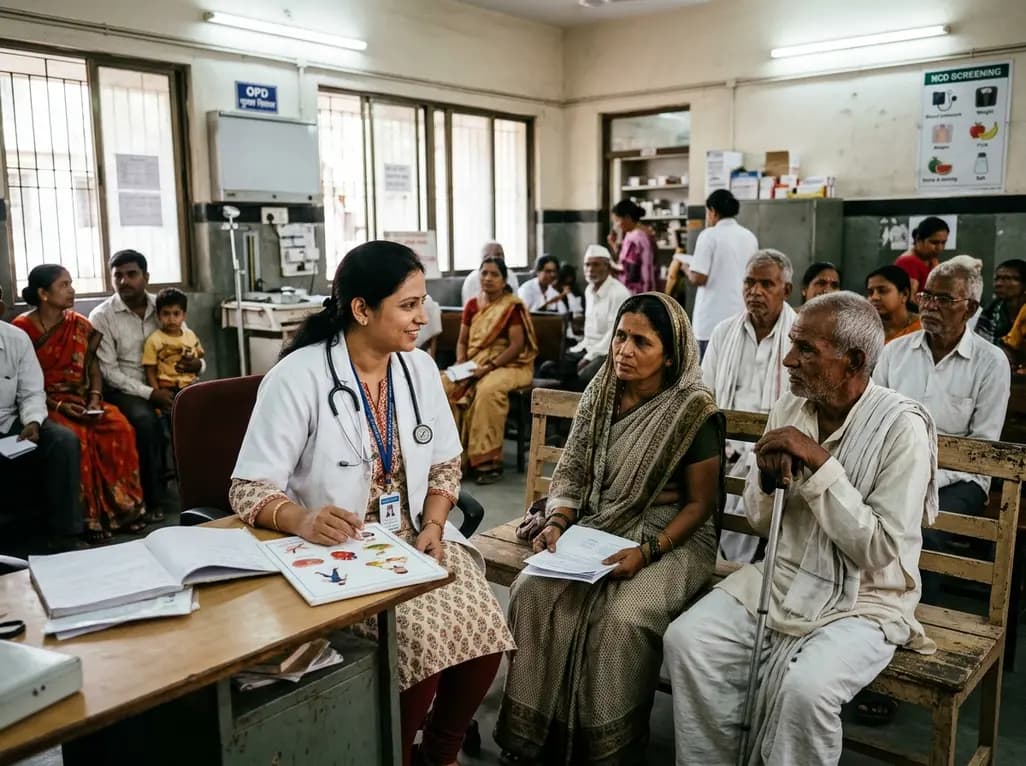
Non-communicable diseases continue to represent the leading cause of premature mortality and long-term morbidity across the globe. Recent findings from the World Health Organization highlight how deeply entrenched disparities aggravate this clinical crisis. Addressing health inequalities in NCDs has therefore emerged as an urgent priority for modern healthcare delivery. Chronic conditions including cardiovascular diseases, cancers, diabetes, and chronic respiratory disorders account for nearly three-quarters of deaths worldwide. However, these devastating ailments do not affect diverse societal segments equally. Instead, socioeconomic status, geography, and educational levels actively dictate individual susceptibility and therapeutic outcomes. Consequently, healthcare practitioners must recognize that patient vulnerability stems as much from structural barriers as from biological pathology.
The landmark WHO global monitoring study evaluated a decade of national healthcare data spanning from 2013 through 2022. During this period, investigators analyzed the four primary fatal conditions alongside their major preventable behavioral and environmental drivers. Cardiovascular disorders represent the single largest killer worldwide, claiming almost twenty million lives every year. Furthermore, chronic respiratory ailments, diverse malignancies, and diabetes contribute millions of additional preventable deaths annually. The report systematically revealed that non-communicable conditions comprise eight out of the ten leading causes of mortality globally. Nevertheless, the disease burden distributes disproportionately across different demographic sectors. In particular, vulnerable populations encounter substantially elevated risks of developing severe, early-onset complications. Ahmad Reza Hosseinpoor, who leads the health inequality monitoring team at WHO, emphasized that systemic disparities shape every clinical phase. Thus, clinicians witness these inequities manifest during initial pathogen exposure, symptom presentation, initial screening, and prolonged therapy. When individuals lack financial stability, their risk profile escalates dramatically. Consequently, doctors practicing in high-volume public hospitals regularly manage advanced pathology that early primary intervention could have easily mitigated. Understanding these demographic patterns allows medical professionals to tailor screening protocols effectively.
Social determinants of health exert profound physiological effects long before an individual enters a clinic or consulting room. Low educational attainment and severe economic deprivation directly correlate with increased exposure to hazardous behavioral triggers. For instance, data demonstrate that tobacco use remains substantially higher among less-educated men across developing and transitioning economies. In contrast, educated demographics benefit from stronger health literacy, lower smoking prevalence, and superior nutritional resources. Moreover, commercial determinants of health vigorously target lower-income neighborhoods with cheap, energy-dense, and highly processed foodstuffs. As a result, underprivileged communities consume excessive refined carbohydrates and unhealthy fats while lacking access to fresh produce. Environmental inequities further compound this biological burden in low- and middle-income nations. Impoverished families frequently reside near industrial corridors or rely on biomass fuels for domestic cooking. Hence, ambient particulate matter and household air pollution provoke persistent pulmonary inflammation and vascular endothelial dysfunction. These toxic exposures drive chronic obstructive pulmonary disease and accelerate systemic atherosclerosis. Therefore, clinicians must routinely investigate home environments and living standards during standard clinical histories. Recognizing these environmental realities enables physicians to recommend realistic, achievable lifestyle adaptations for resource-constrained patients.
Diagnostic latency represents one of the most critical drivers of disparate clinical outcomes across vulnerable socioeconomic cohorts. The WHO analysis demonstrated that rural populations face profound disadvantages in accessing essential screening infrastructure. For example, rural patients encounter severe logistical barriers when seeking routine blood pressure measurement or basic biochemical testing. Consequently, asymptomatic hypertension frequently progresses unnoticed until end-organ damage, stroke, or heart failure occurs. In addition, oncological prevention exhibits stark educational and financial divides on an international scale. Cervical cancer screening rates remain abysmally low among the poorest and least-educated women in developing societies. Conversely, affluent urban women access regular cytology, high-risk human papillomavirus testing, and prompt colposcopic evaluations. Because underprivileged women lack preventative screening, they typically present with bulky, advanced-stage cervical tumors requiring radical interventions. Similarly, geographical isolation restricts access to diagnostic mammography, clinical colonoscopy, and early histopathological examinations. Thus, regional disparities transform treatable early malignancies into incurable systemic disease states. Medical institutions must bridge these diagnostic gaps through localized mobile outreach and point-of-care testing. Furthermore, primary care physicians must advocate for decentralized diagnostic tools to detect silent metabolic diseases before irreversible organ injury develops.
Gender dynamics interact with socioeconomic factors in complex, surprising ways across global chronic disease management. Notably, the WHO findings reveal distinct diagnostic and therapeutic disadvantages that challenge conventional clinical assumptions. Men generally report higher rates of alcohol intake and heavy tobacco consumption across most studied nations. Despite these severe behavioral risks, healthcare systems diagnose and treat men with arterial hypertension far less frequently than women. This diagnostic deficit likely stems from poor routine healthcare seeking behaviors and inadequate primary care engagement among working-age males. Consequently, male patients often present acutely with catastrophic myocardial infarction or debilitating cerebrovascular events. Meanwhile, metabolic derangements display a divergent pattern that places immense physiological strain on female populations. Obesity prevalence is significantly higher among women, particularly within developing countries undergoing rapid dietary transitions. Socioeconomic marginalization, sedentary domestic work patterns, and limited recreational physical spaces restrict female metabolic wellness. Furthermore, endocrine complications like polycystic ovary syndrome and gestational diabetes exacerbate subsequent cardiovascular vulnerability. Therefore, clinical teams must construct tailored gender-specific protocols that address these contrasting risk profiles. Clinicians should aggressively screen men for cardiovascular markers while delivering supportive, stigma-free weight management strategies to high-risk female patients.
Mitigating the burden of chronic diseases demands multifaceted interventions extending from public policy directly to the clinical bedside. At the macroeconomic level, the WHO strongly urges national governments to implement targeted health taxes. Raising tariffs on tobacco, alcoholic beverages, and sugary drinks reliably suppresses consumption, particularly among price-sensitive lower-income households. Moreover, health authorities must design specialized health insurance subsidies and financial protections for marginalized migrant and rural communities. In primary practice, clinicians should incorporate social determinants into routine cardiovascular and metabolic risk stratification algorithms. Rather than offering standardized advice, practitioners must evaluate whether patients can actually afford prescribed medications or lifestyle adjustments. For instance, prescribing costly modern antidiabetic agents to an indigent patient often results in rapid non-adherence. Instead, doctors should leverage cost-effective generic regimens and community support networks to guarantee consistent chronic therapy. Additionally, healthcare facilities must integrate routine screening for social vulnerability, disability, and occupational hazards into clinical workflows. Ultimately, medical practitioners hold a unique professional responsibility to champion health equity within their clinical communities. By combining clinical precision with social awareness, physicians can significantly improve outcomes for historically underserved patient populations.
Q1: Why do less educated populations experience higher rates of hypertension and diabetes?
Less educated populations face reduced access to preventive health education, nutritious dietary choices, and recreational spaces. In addition, these communities frequently encounter targeted marketing of cheap processed foods and high-tar tobacco products. Chronic daily stressors associated with financial instability also elevate neuroendocrine stress responses. Consequently, persistent vascular constriction and metabolic dysfunction develop earlier, driving elevated rates of uncontrolled hypertension and diabetes mellitus.
Q2: How does geographical location influence cancer outcomes and cardiovascular diagnosis?
Geographical isolation severely limits proximity to accredited diagnostic laboratories, specialized oncologists, and advanced imaging centers. Rural patients must travel extensive distances, which imposes substantial transport costs and lost wages. Therefore, individuals frequently postpone seeking clinical evaluation until severe symptoms arise. As a result, clinicians identify malignancies and hypertensive vascular damage at significantly later, less curable stages compared to diagnoses among urban residents.
Q3: How can practicing clinicians address socioeconomic disparities during routine patient consultations?
Practicing physicians can screen patients for social determinants of health, such as food security and economic constraints. Clinicians should deliberately select evidence-based, affordable generic medications to ensure long-term treatment adherence. Furthermore, medical teams can connect vulnerable individuals with public health subsidies, community health workers, and patient assistance programs. Tailoring lifestyle advice to fit specific financial and living circumstances significantly enhances overall patient compliance.
Disclaimer: This content is for informational and educational purposes only. It does not constitute medical advice or replace professional judgment. Refer to the latest local and national guidelines for clinical practice.
References

Read summarized clinical updates, watch expert medical content, and earn CME certifications right from your smartphone.
Open your smartphone camera to scan and install.





A landmark ten-year WHO report reveals how socioeconomic status, geography, and gender disparities profoundly aggravate chronic disease risks, diagnosis delays, and therapeutic outcomes globally. Discover actionable primary care strategies to bridge screening divides and optimize vulnerable patient management.
Today
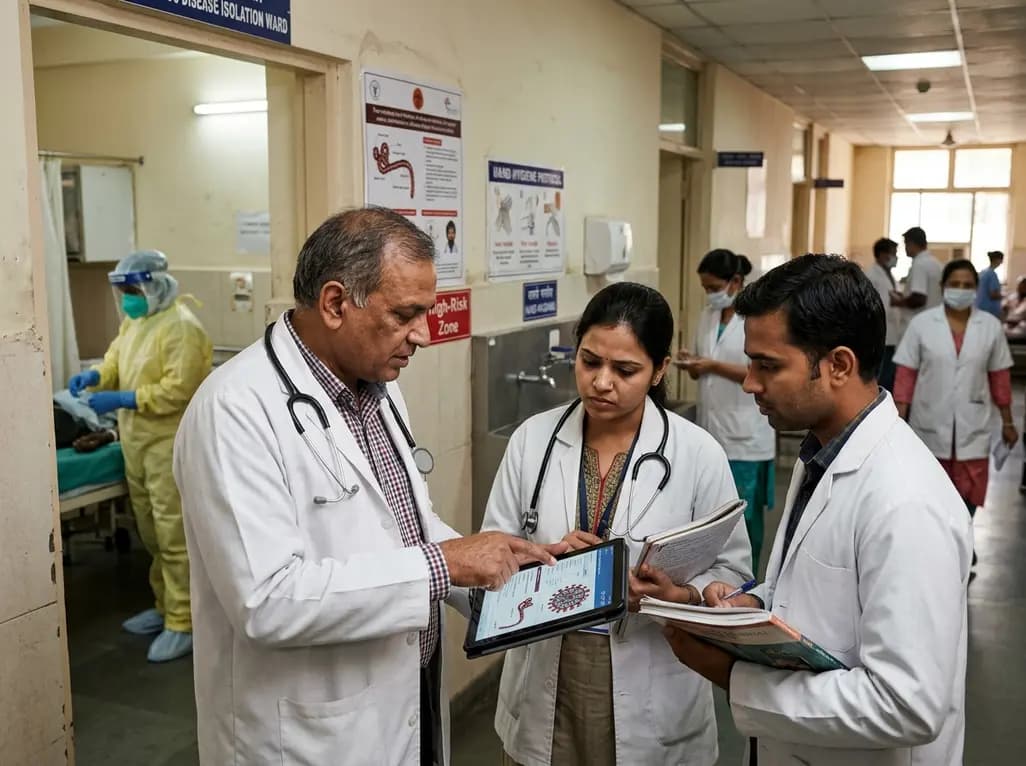
Following a confirmed Ebola case in Abuja involving an international traveler, health authorities initiated contact tracing for 44 individuals. This analysis covers essential clinical features, biosafety diagnostics, supportive therapeutics, and infection control protocols for frontline physicians.
Today
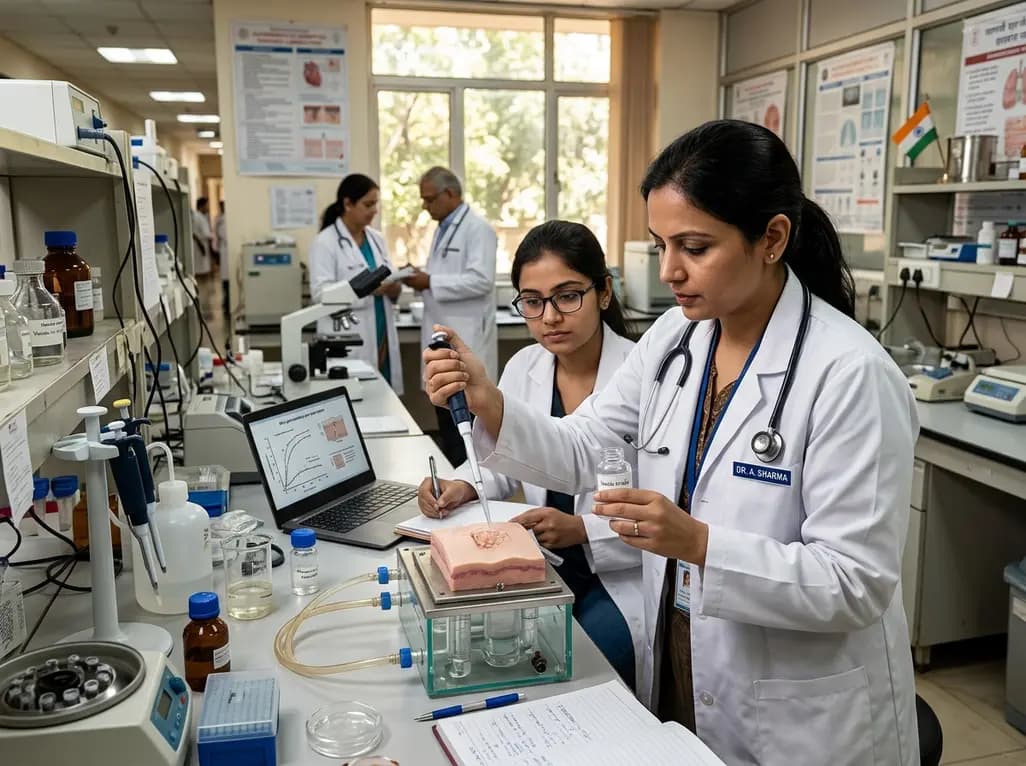
A novel high-permeation vesicle-in-gel platform enhances transdermal fulvestrant delivery, achieving sustained release, robust intradermal retention, and superior antitumor efficacy in breast cancer models while circumventing the drawbacks of painful intramuscular depot injections.
Today

A systematic review and meta-analysis of 8 RCTs evaluated bipolar versus monopolar electrocautery in primary total hip and knee arthroplasty. Pooled data revealed no significant differences in haemoglobin drop, blood loss, or length of stay, concluding that routine bipolar electrocautery is not supported.
Yesterday
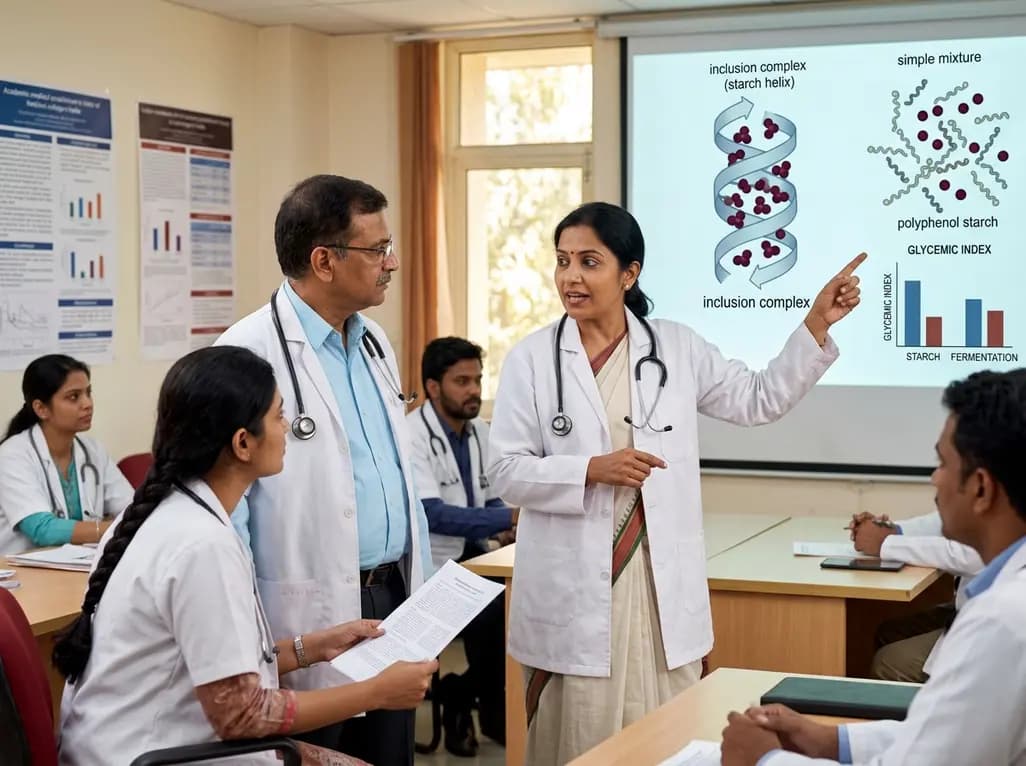
A critical review evaluates whether starch-polyphenol complexes meet structural and metabolic criteria to qualify as type 5 resistant starch. The proposed tiered evidence framework distinguishes true inclusion complexes from simple mixtures, clarifying mechanisms for glycemic modulation and gut fermentation.
Today
