.webp&w=384&q=75)

Loading, please wait...
Loading, please wait...
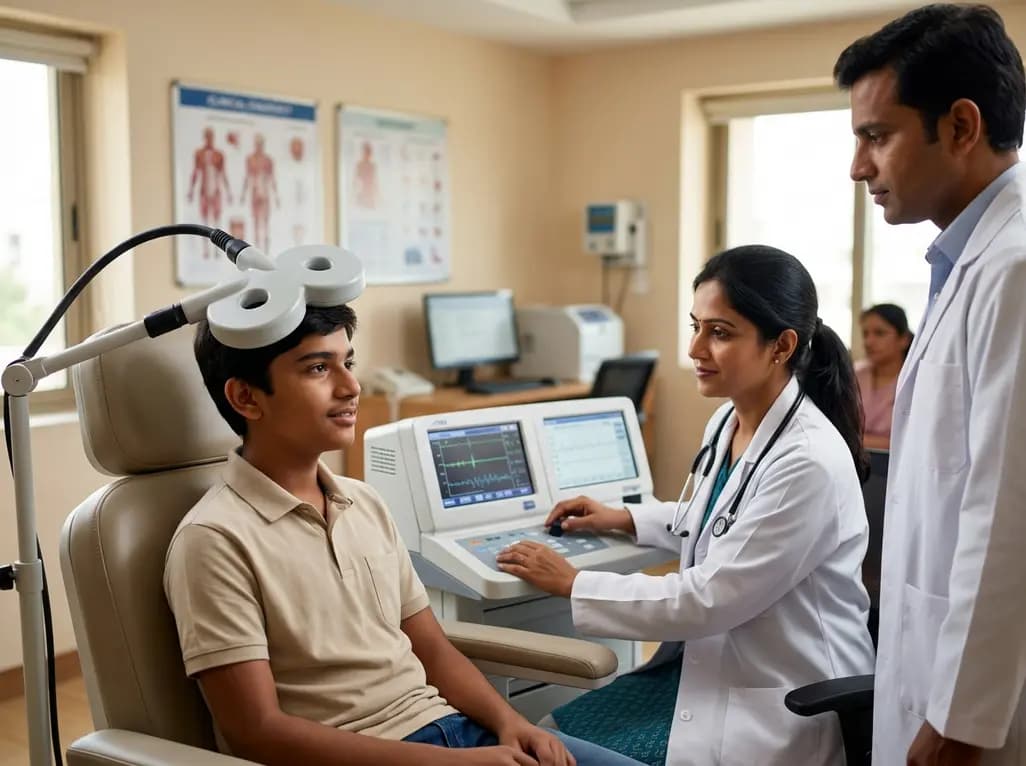
Developing effective interventions for individuals with autism spectrum disorder remains a significant challenge for modern medicine. Specifically, autistic people with intellectual disability (ID) and minimally speaking (MS) status represent a population with substantial unmet clinical needs. Historically, researchers have frequently excluded these individuals from neurostimulation trials due to concerns regarding compliance and safety. However, a recent pilot trial has pioneered the investigation into how these patients respond to advanced neurostimulation techniques. The study by Ni HC and colleagues provides the world\'s first look at the safety and feasibility of daily Theta Burst Stimulation Autism protocols in this specific demographic. This randomized, double-blind, sham-controlled trial offers critical insights for clinicians managing complex neurodevelopmental cases. Consequently, the findings represent a major milestone in expanding equitable access to emerging psychiatric treatments for non-verbal and intellectually disabled populations.
Intermittent Theta Burst Stimulation, or iTBS, is a specific variant of repetitive transcranial magnetic stimulation (rTMS) designed to be excitatory. It involves delivering rapid bursts of magnetic pulses that mimic the brain\'s natural theta rhythms. Furthermore, iTBS is particularly advantageous because it significantly reduces the duration of stimulation sessions compared to conventional rTMS. While standard protocols can take up to 40 minutes, iTBS can often be completed in under ten minutes. This efficiency is crucial when treating pediatric or intellectually disabled patients who may struggle with sitting still for extended periods. By targeting the left dorsolateral prefrontal cortex (DLPFC), clinicians aim to modulate cortical excitability and promote long-term potentiation. Previous studies have demonstrated that such modulation can improve cognitive and social functioning in intellectually able individuals with autism. Therefore, understanding whether these same benefits extend to those with ID and MS status is a vital research objective.
The pilot study involved 25 autistic youth between the ages of 8 and 30 years who also presented with ID and MS status. The researchers randomized these participants into two distinct groups. Specifically, 13 participants received active iTBS, while 12 participants received a sham stimulation. The intervention consisted of 20 daily sessions distributed over a four-week period. To ensure rigorous data collection, the research team conducted follow-up assessments at four and eight weeks after the final stimulation session. Additionally, the study targeted the left dorsolateral prefrontal cortex as the primary site of stimulation. This rigorous trial design aimed to evaluate not just the clinical outcomes but also the logistical feasibility of maintaining such a demanding daily treatment schedule. Most importantly, the study prioritized monitoring for adverse events, ensuring that the safety of the young participants remained paramount throughout the 20-session protocol.
One of the most striking findings from this pilot trial was the 100% retention rate among participants. Despite the challenges often associated with intellectual disability and minimally speaking status, every single participant completed the full course of 20 sessions. This high level of adherence suggests that regular daily Theta Burst Stimulation Autism treatments are indeed feasible for this population. Moreover, it indicates that families and caregivers can successfully navigate the logistical requirements of daily clinic visits. No participants dropped out due to discomfort or behavioral challenges related to the procedure. This finding is particularly encouraging for Indian clinicians who may be considering neurostimulation as a part of a comprehensive neurorehabilitation plan. The ability of these youth to tolerate the physical sensations and the clinical environment of iTBS opens the door for larger, more definitive clinical trials in the future.
Safety is a primary concern when introducing neurostimulation to vulnerable populations. In this trial, the researchers reported that active iTBS was well tolerated by the participants. Although some side effects did occur, they were limited to the active stimulation group and were classified as mild and transient. For instance, approximately 38% of the active group reported local pain at the stimulation site, while 8% experienced transient dizziness. Crucially, there were no reported cases of seizures, which is the most significant potential risk associated with rTMS. Furthermore, the study did not observe any new behavioral problems or serious adverse events. No participants required medical intervention for these side effects, and they resolved shortly after the sessions ended. This safety profile is remarkably consistent with data from other neurostimulation studies in different pediatric and psychiatric cohorts. Consequently, clinicians can feel more confident that iTBS does not pose an undue risk of severe physical harm to autistic youth with significant intellectual challenges.
While the study successfully demonstrated feasibility and safety, it did not identify a statistically significant beneficial signal for the primary clinical outcomes. However, it is essential to interpret this result within the context of a pilot study with a small sample size of 25 individuals. Small trials are often underpowered to detect clinical efficacy, especially in a heterogenous condition like autism. The primary value of this data lies in establishing a foundation for larger, sufficiently powered randomized controlled trials. These future studies will need to investigate whether different stimulation targets or higher dosages might produce more robust therapeutic effects. Additionally, refining the inclusion criteria or using personalized targeting could improve outcomes. For now, the evidence confirms that Theta Burst Stimulation Autism protocols are safe and feasible for minimally speaking youth with intellectual disabilities. This study marks a vital step toward developing biologically informed treatments for one of the most underserved segments of the autistic community.
Yes, research indicates that intermittent Theta Burst Stimulation is safe for minimally speaking autistic youth. A recent pilot study reported a 100% retention rate with only mild side effects like local pain or dizziness. Crucially, no serious adverse events or seizures were recorded during the 20-session treatment protocol.
The most common side effects observed in the active treatment group were local pain at the stimulation site (38%) and dizziness (8%). These adverse events were transient and mild, resolving quickly without further intervention. No participants needed to stop the treatment due to these side effects during the four-week trial.
Current pilot data from small-scale studies have not yet proven a significant clinical benefit for social communication in this specific group. However, the studies demonstrate that the treatment is feasible. Larger trials with more participants are necessary to determine if iTBS can effectively improve core autism symptoms in those with intellectual disabilities.
Disclaimer: This content is for informational and educational purposes only. It does not constitute medical advice or a professional physician-patient relationship. Clinicians should always exercise independent professional judgment. Refer to the latest local and national guidelines for clinical practice.
References
Ni HC et al. Feasibility and Tolerability of Daily Theta Burst Stimulation in Autistic Youth with Intellectual Disabilities and Minimally Speaking Status: A Pilot Double-Blind Randomized Sham-Controlled Trial. J Autism Dev Disord. 2025 Dec. doi: 10.1007/s10803-024-06477-1. PMID: 39153149.
Oberman LM et al. Transcranial magnetic stimulation in autism spectrum disorder: Challenges and opportunities. Neurotherapeutics. 2022;19(1):15-28.
Casanova MF et al. Repetitive transcranial magnetic stimulation (rTMS) in autism spectrum disorder: a review of the evidence. Journal of Neural Transmission. 2020;127(9):1219-1234.
"
Read summarized clinical updates, watch expert medical content, and earn CME certifications right from your smartphone.
Open your smartphone camera to scan and install.





A world-first pilot trial investigates the feasibility and safety of daily intermittent Theta Burst Stimulation (iTBS) in autistic youth with intellectual disabilities and minimally speaking status, reporting a 100% retention rate and mild, transient adverse events.
3 months ago

A retrospective comparative cohort study evaluated genitourinary safety in HFpEF between dapagliflozin and empagliflozin over six months. Rates of symptomatic UTI and asymptomatic bacteriuria showed no statistically significant differences, supporting comparable safety profiles across both SGLT2 inhibitors.
Today
A novel folate-conjugated tecto-dendrimer nanoplatform successfully delivers siRNA to achieve targeted HK2 silencing, disrupting ovarian cancer glycolysis and suppressing lactate output.
Today
A comparative non-contact study reveals that high-power radiofrequency delivery with the QDOT MICRO catheter induces an artifactual contact force rise. Electrophysiologists must understand this power-dependent thermal and electrical phenomenon to avoid inadvertent catheter withdrawal and ineffective ablation.
Today
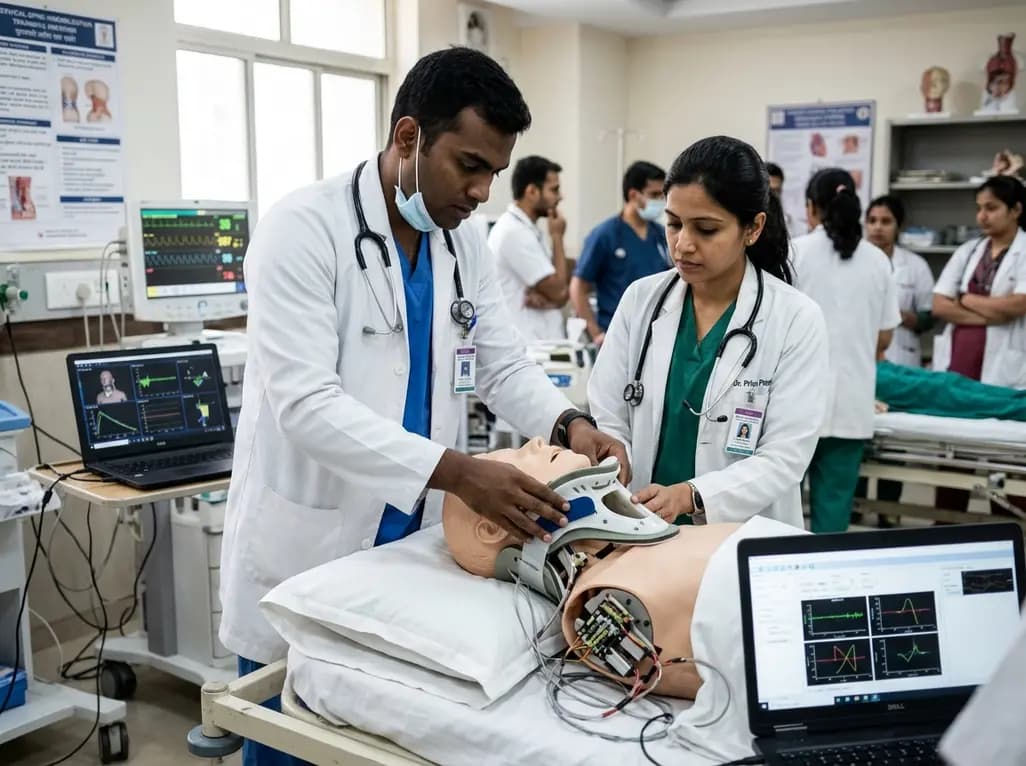
A novel proof-of-concept study presents a six-degree-of-freedom articulated manikin neck equipped with linear potentiometers. The system provides real-time kinematic motion feedback during cervical immobilisation, delivering sub-degree tracking accuracy to improve pre-hospital trauma training and patient safety.
Today
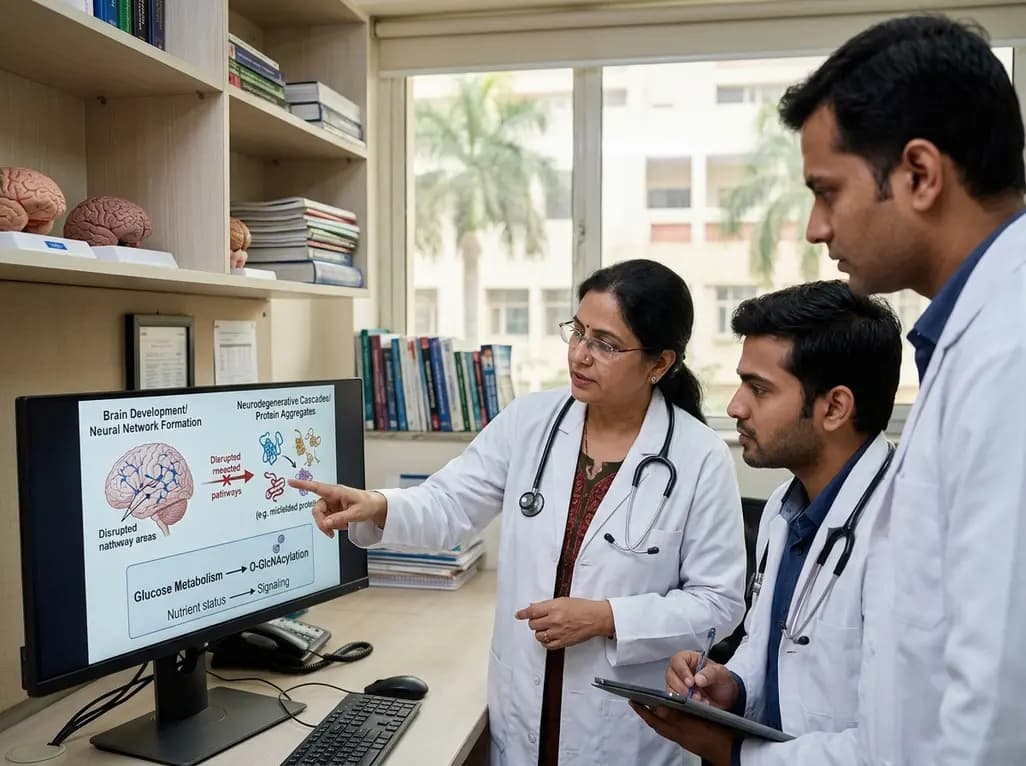
Protein O-GlcNAcylation couples cellular nutrient status to vital neuronal functions. This review explores how disrupted O-GlcNAc cycling drives both neurodevelopmental delays and neurodegenerative cascades, positioning metabolic post-translational modifications as therapeutic targets in clinical neurology.
Today
