.webp&w=384&q=75)

Loading, please wait...
Loading, please wait...

Chimeric antigen receptor T-cell therapies have transformed the therapeutic landscape for relapsed or refractory hematologic malignancies. However, clinicians increasingly confront late adverse events as survivorship extends. Among these sequelae, therapy-related myeloid neoplasms represent a rare yet devastating complication. Recent multicenter investigations have examined how these secondary malignancies develop in heavily pretreated patients. Furthermore, investigators continue to evaluate whether cellular immunotherapy introduces unique clinical liabilities compared to traditional treatments. Understanding these nuances enables oncologists to anticipate complications and deliver prompt interventions.
Therapy-related myeloid neoplasms comprise myelodysplastic syndromes and acute myeloid leukemia arising after exposure to cytotoxic or cellular therapies. Historically, cytotoxic chemotherapy and autologous hematopoietic cell transplantation carried well-documented leukemogenic risks. Recently, health authorities raised vigilance regarding secondary myeloid malignancies after CAR T-cell administration. Therefore, researchers established large multicenter cohorts to determine the true incidence, latency, and phenotypic manifestations of these disorders.
In many cases, patients receiving cellular therapy have already endured multiple lines of mutagenic chemotherapy. Alkylating agents and topoisomerase inhibitors frequently inflict widespread genomic injury before apheresis. Consequently, separating the biological impact of CAR-T infusions from cumulative prior genotoxic damage presents a complex clinical challenge. In addition, lymphodepleting chemotherapy regimens with fludarabine and cyclophosphamide introduce further hematopoietic stress. Studies confirm that severe inflammatory states, such as cytokine release syndrome, alter the bone marrow microenvironment substantially. Thus, preexisting damaged stem cell clones often gain competitive survival advantages during intense hematopoietic reconstitution. Clinicians must recognize these intricate interactions to evaluate patient risk accurately.
A pivotal observation in recent registry studies involves the strikingly accelerated timeline of secondary malignancies after cellular therapy. Specifically, the median latency from CAR T-cell infusion to disease onset is merely 15.2 months. In contrast, patients undergoing autologous transplantation or standard chemoradiation experience longer intervals of 38.0 and 30.0 months, respectively. This compressed timeframe surprises many treating physicians who expect latency intervals exceeding three to five years.
Moreover, post-CAR-T myeloid malignancies frequently masquerade as prolonged immune effector cell-associated hematotoxicity. Patients typically present with refractory cytopenias, transfusion dependence, or recurrent neutropenic infections. Consequently, clinicians might initially mistake marrow failure for delayed hematopoietic recovery or hemophagocytic lymphohistiocytosis. However, persistent cytopenias beyond day ninety warrant urgent diagnostic marrow evaluation. Bone marrow biopsies in these cases reveal significant dysgranulopoiesis, erythroid dysplasia, and elevated blast fractions. Therefore, oncologists must maintain heightened clinical suspicion whenever counts fail to recover within expected cellular kinetics windows. Timely bone marrow evaluations uncover secondary disorders before overt leukemic transformation occurs.
A critical clinical question centers on whether post-CAR-T secondary malignancies confer worse overall survival than historical comparators. To resolve this question, researchers developed nearest-neighbor latency-matched cohorts comparing cellular therapy to transplantation and standard chemotherapy. Remarkably, the data reveal that post-CAR-T patients do not experience an independent survival disadvantage once matched for latency. Instead, standard clinical and biological determinants dictate long-term survival outcomes.
Nevertheless, overall survival across all cohorts with therapy-related myeloid neoplasms remains soberingly poor. Median overall survival typically measures less than twelve months across clinical registries. Patient outcomes depend predominantly on cytogenetic stratification, performance status, and blast counts rather than the preceding modality. For instance, high-risk karyotypes and complex structural rearrangements predict early mortality regardless of previous CAR T-cell administration. Furthermore, refractory lymphoma relapse continues to compete with secondary marrow failure as a primary cause of death. Consequently, aggressive supportive care and early referral for allogeneic stem cell transplantation provide the only realistic pathway toward durable remission. Multidisciplinary teams must coordinate rapidly to identify suitable transplant candidates without unnecessary delays.
Genomic profiling offers essential mechanistic insights into how myeloid neoplasms arise following advanced therapies. Extensive next-generation sequencing demonstrates that pre-existing clonal hematopoiesis of indeterminate potential strongly influences subsequent leukemic progression. Specifically, mutations within TP53, DNMT3A, TET2, and ASXL1 occur frequently in patients who subsequently develop myeloid malignancies. In fact, patients harboring baseline TP53 mutations face the highest risk of rapid clonal expansion under selective pressures.
Furthermore, conditioning chemotherapy and cellular-driven hyperinflammation create an evolutionary bottleneck within the bone marrow. Normal hematopoietic stem cells often succumb to profound inflammatory stress or cytotoxic exhaustion. In contrast, mutant clones possessing DNA damage repair defects withstand genotoxic insults and proliferate unchecked. Therefore, the short latency observed after CAR-T infusions likely reflects the accelerated expansion of preexisting clones rather than de novo mutagenesis. Modern molecular testing confirms that these aberrant clones existed at low variant allele frequencies prior to cell manufacturing. Accordingly, baseline screening for high-risk somatic variants helps clinicians stratify prospective cell therapy recipients effectively.
Effective post-infusion monitoring requires structured, proactive management protocols in tertiary hematology centers. First, clinicians must distinguish between self-limiting cytopenias and emerging bone marrow neoplasms. For example, persistent grade 3 or 4 cytopenias extending beyond one month should prompt systematic laboratory surveillance. If severe cytopenias persist beyond month three, teams must schedule an immediate bone marrow aspiration and core biopsy.
In addition, standard evaluations must incorporate comprehensive cytogenetic analysis, fluorescent in situ hybridization, and broad myeloid next-generation sequencing panels. Early identification of abnormal clones allows oncologists to intervene before clinical deterioration occurs. Furthermore, clinicians must optimize supportive care by administering prophylactic antimicrobials and appropriate growth factors during prolonged cytopenic phases. Whenever pathologists confirm a secondary myeloid neoplasm, physicians should promptly initiate human leukocyte antigen typing for the patient and siblings. Because allogeneic transplantation remains the definitive curative modality, early donor searches prevent catastrophic treatment delays. Finally, ongoing collaboration between cellular therapy teams and leukemia specialists ensures consistent, high-standard patient care throughout long-term recovery.
Therapy-related myeloid neoplasms develop primarily through the selective expansion of preexisting mutated hematopoietic stem cell clones. Heavily pretreated patients often harbor clonal hematopoiesis harboring TP53, DNMT3A, or TET2 mutations. Subsequently, lymphodepleting chemotherapy and intense systemic inflammation create severe bone marrow stress. This hostile microenvironment suppresses normal stem cells while allowing resistant, mutated clones to proliferate rapidly. Consequently, accelerated clonal outgrowth leads to overt myelodysplastic syndrome or acute myeloid leukemia.
Secondary myeloid malignancies manifest substantially earlier after CAR T-cell therapy than after other intensive modalities. Clinical registries report a median onset latency of approximately 15 months following cell infusion. In comparison, autologous stem cell transplantation and standard chemoradiation show longer median latencies of 38 and 30 months, respectively. Despite this compressed onset, latency-matched cohort analyses confirm that cellular therapy does not independently worsen overall survival compared to traditional modalities.
Baseline screening for clonal hematopoiesis provides valuable prognostic risk stratification but does not automatically preclude therapy. Detecting high-risk mutations, particularly TP53 alterations, alerts oncologists to heightened risks of persistent cytopenia and secondary myeloid neoplasms. However, because cellular immunotherapy offers essential curative potential for refractory lymphoma, physicians should not withhold treatment solely due to clonal mutations. Instead, clinicians should utilize baseline molecular results to structure vigilant long-term marrow surveillance after infusion.
Disclaimer: This content is for informational and educational purposes only and should not be considered medical advice. Always consult a qualified healthcare professional regarding any medical condition or treatment. Refer to the latest local and national guidelines for clinical practice.
References

Read summarized clinical updates, watch expert medical content, and earn CME certifications right from your smartphone.
Open your smartphone camera to scan and install.





A multicenter cohort study evaluates therapy-related myeloid neoplasms after CAR T-cell therapy. Despite a shorter latency of 15.2 months, latency-matched analysis shows no independent survival penalty compared to autologous transplant or standard chemotherapy.
Today

Small airway dysfunction affects over 64% of asthma patients across GINA steps. Utilizing impulse oscillometry provides crucial diagnostic insight, revealing persistent peripheral resistance linked to frequent exacerbations, suboptimal asthma control, and impaired patient quality of life.
Today

A large UK cohort study of 1.4 million women shows that pregnancy complications, including gestational diabetes, hypertension, and preterm birth, substantially raise long-term risks for hypertension, chronic kidney disease, type 2 diabetes, and cardiovascular events, highlighting early postpartum intervention needs.
Today
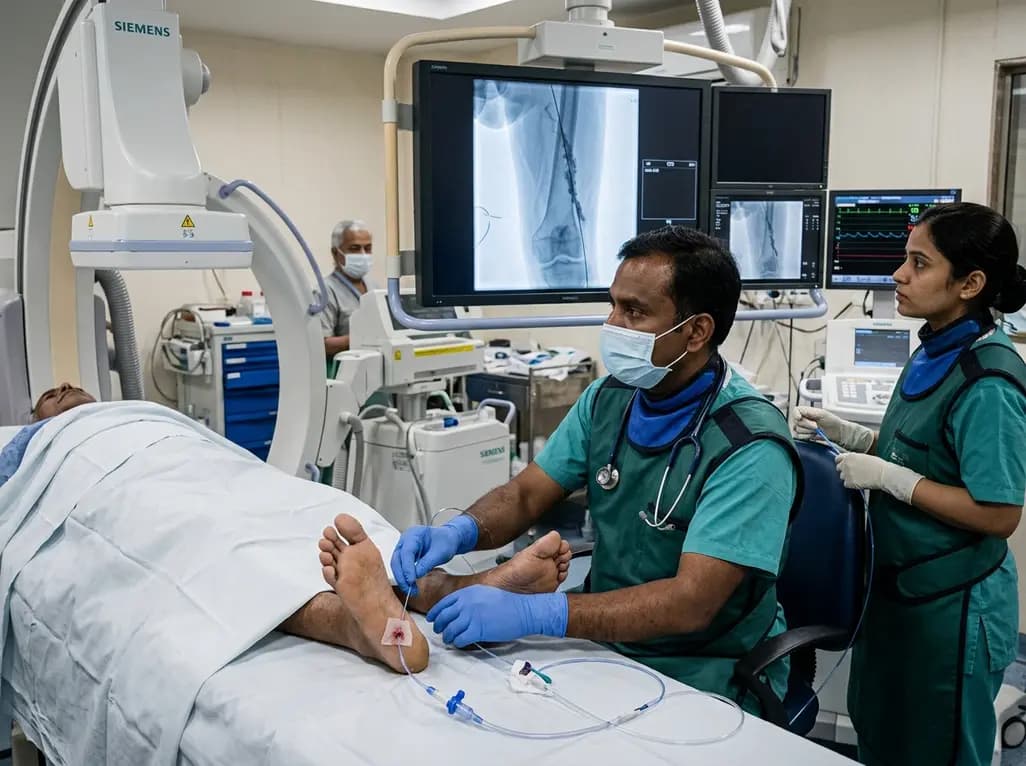
A clinical study demonstrates that retrograde pedal access achieves a 90.9% technical success rate for intraluminal crossing in complex infrainguinal chronic total occlusions, securing outstanding limb salvage, complete wound healing, and durable patency in patients with chronic limb-threatening ischemia.
Today
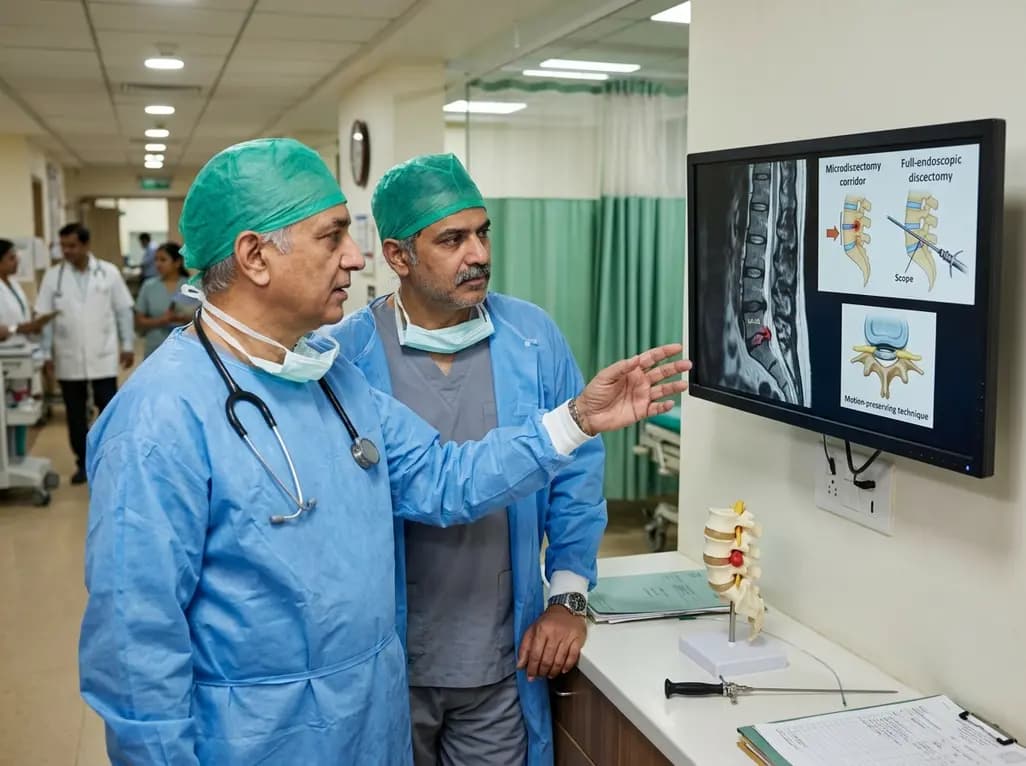
This clinical overview examines recent advancements in lumbar disc herniation surgery, comparing microscopic and full-endoscopic discectomy while highlighting biportal techniques and emerging motion-preserving innovations for spine specialists.
Today

The World Health Organization has issued its first global guidelines for managing child and adolescent obesity. The recommendations strongly endorse family-based dietary interventions, regular physical activity, and behavioral support as frontline therapy, reserving GLP-1 therapies and surgery for select cases.
Today
