.webp&w=384&q=75)

Loading, please wait...
Loading, please wait...

The World Health Organization has released landmark clinical guidelines addressing the growing pediatric obesity crisis worldwide. Rather than prioritizing anti-obesity medications, the agency emphasizes comprehensive lifestyle modifications. Successful childhood obesity management requires timely clinical intervention, active caregiver participation, and structured behavioral therapy. Therefore, pediatric healthcare providers should prioritize nutrition and exercise before considering pharmacotherapy. This decisive global position highlights the critical need for evidence-based interventions tailored specifically to growing children.
Global epidemiological reports demonstrate an alarming transformation in youth nutritional patterns. According to UNICEF data, obesity has officially surpassed underweight as the leading form of malnutrition in school-age children worldwide. In 2024, approximately 400 million individuals aged 5 to 19 were overweight across the globe. Notably, this staggering estimate includes roughly 170 million youth living with clinical obesity. Over the past three decades, pediatric obesity rates have quadrupled since 1990. Therefore, healthcare systems face an unprecedented burden of premature cardiometabolic diseases. In nations undergoing rapid economic transitions, including India, children consume high-calorie ultra-processed foods alongside increasingly sedentary daily routines. Furthermore, prolonged screen exposure and diminished open spaces exacerbate this chronic metabolic imbalance. Consequently, pediatric clinicians observe escalating rates of early dyslipidemia, arterial hypertension, hepatic steatosis, and prediabetes in daily clinical practice. In addition, affected youths endure persistent psychosocial challenges, including widespread social stigma and peer discrimination. These pervasive emotional stressors compromise psychological well-being and elevate lifetime psychiatric risks. Clinicians must recognize these early warning signs promptly. Thus, healthcare providers require unified global guidance to intervene early, halt disease progression, and safeguard future adult wellness.
The World Health Organization firmly identifies multicomponent lifestyle interventions as the primary foundation of pediatric weight care. First, the guidelines advocate for culturally tailored dietary modifications that encourage whole foods and reduce energy-dense snacks. Clinicians must advise families to restrict sugar-sweetened beverages and ultra-processed items. Meanwhile, regular physical activity serves as a non-negotiable pillar of metabolic health. Children should engage in at least 60 minutes of moderate-to-vigorous physical play daily. In addition, healthcare teams should incorporate structured behavioral change techniques, such as motivational interviewing and stimulus control. Importantly, successful outcomes require active caregiver involvement rather than placing the entire therapeutic burden on the child. Families create the domestic food environment and establish physical activity routines. Therefore, parental participation directly correlates with sustained pediatric weight stabilization. Supervised digital health tools and telemedicine platforms also provide helpful adjunctive support for ongoing reinforcement. However, digital applications must never replace personal clinician guidance. Sustainable behavioral transformation takes time and consistent reinforcement across home and school environments. Ultimately, consistent lifestyle support establishes enduring healthy routines for adulthood. Thus, clinical teams must emphasize healthy habits rather than numerical bathroom scale readings alone.
The rising popularity of glucagon-like peptide-1 receptor agonists has sparked intense clinical debate regarding their pediatric application. In the updated guidance, the World Health Organization takes a measured and cautious approach toward these anti-obesity medications. Specifically, the agency firmly advises against using pharmacological agents in children under the age of 10 years. For this young cohort, investigators lack robust long-term evidence evaluating drug safety, linear skeletal growth, and neurodevelopment. However, clinicians may consider approved medications for adolescents aged 10 to 19 years under strict clinical criteria. Most importantly, doctors must only initiate pharmacotherapy after structured, supervised lifestyle interventions fail to achieve progress. Currently, regulatory agencies in certain territories have approved agents like liraglutide and semaglutide for adolescent weight control. Nevertheless, high medication costs, frequent gastrointestinal side effects, and rapid weight rebound upon discontinuation pose considerable challenges. Dr. Luz Maria De Regil highlighted that lifestyle support remains the indispensable foundation of therapeutic care. Consequently, clinicians must treat anti-obesity medications solely as secondary adjuncts rather than primary solutions. Therefore, clinical guidelines maintain strict boundaries to protect pediatric safety. Medical practitioners must monitor pediatric patients vigilantly for pancreatitis, nutritional deficits, and psychological changes throughout therapy.
Surgical weight management represents the most invasive therapeutic tier in pediatric medicine. Consequently, the World Health Organization outlines rigorous eligibility parameters before teams contemplate bariatric procedures for young individuals. The guidelines strictly prohibit metabolic surgery in children under 10 years of age due to physiological vulnerability. For adolescents with severe obesity, surgical interventions remain an option only after exhausting conventional medical therapies. Specifically, candidates must complete at least six months of intensive, supervised lifestyle and behavioral management without clinical success. Furthermore, prospective surgical candidates must demonstrate complete physical growth and adequate emotional maturity. A multidisciplinary clinical panel must evaluate each adolescent prior to surgical consideration. This dedicated care team should include pediatricians, bariatric surgeons, mental health professionals, and certified nutritionists. Moreover, clinicians must verify that the family environment can support lifelong dietary compliance and micronutrient supplementation. Surgical alterations to the gastrointestinal tract carry lifelong risks of vitamin deficiencies, dumping syndrome, and psychological complications. Therefore, surgical centers must provide structured, long-term post-operative monitoring to ensure safety and prevent nutritional complications. Accordingly, surgical interventions require comprehensive risk assessments and informed parental consent. Ultimately, surgery serves as an exceptional final resort rather than a standard pediatric treatment.
Clinical management alone cannot halt the expanding pediatric obesity crisis without robust systemic interventions. Therefore, the World Health Organization emphasizes the urgent necessity of broader public health reforms. Governments must implement proactive measures to ensure affordable access to nutrient-dense foods in schools and local communities. For instance, policies restricting the aggressive marketing of high-fat and sugary items to youth protect child nutrition. Additionally, urban planners should create safe public parks and pedestrian pathways to stimulate daily physical play. Healthcare systems must also equip primary care practitioners with standardized pediatric obesity screening tools. Routine growth monitoring helps clinicians detect upward BMI trajectories before severe metabolic complications emerge. Furthermore, healthcare providers should engage caregivers without judgment or shame, recognizing that family dynamics shape long-term habits. Supervised digital platforms and community support groups can expand clinical reach into rural and underserved regions. Notably, these supportive networks empower parents to prepare balanced meals and limit recreational screen time. Moreover, continuous community education helps demystify healthy living for young families. Sustainable change demands a comprehensive partnership uniting physicians, educators, policymakers, and families. Consequently, societies can build supportive environments where children naturally develop healthy, lifelong metabolic wellness.
Q1: Why does the WHO advise against routine GLP-1 drug prescriptions for young children?
Currently, clinical data regarding the long-term safety, growth impact, and developmental consequences of GLP-1 receptor agonists in children under 10 years remain sparse. Consequently, the World Health Organization recommends comprehensive lifestyle modifications instead of pharmacological therapies or invasive surgical procedures for this young cohort. Clinicians must first emphasize sustainable nutritional improvements and active play, ensuring that emerging drug therapies do not replace fundamental behavioral guidance during crucial phases of physical maturation.
Q2: Under what clinical conditions can adolescents be considered for anti-obesity medications?
Adolescents aged 10 to 19 years may receive approved anti-obesity medications only after documented, supervised lifestyle programs fail to achieve healthy weight stabilization. Furthermore, medical practitioners must confirm that patients and caregivers engage in ongoing behavioral counseling before initiating pharmacotherapy. Doctors should select regulatory-approved options while vigilantly monitoring potential adverse gastrointestinal effects, emotional health, and treatment compliance, ensuring that medication acts solely as an adjunct to healthy family habits.
Q3: When is bariatric metabolic surgery warranted for pediatric patients according to the guidelines?
Metabolic surgery represents an advanced therapeutic option strictly reserved for adolescents with severe obesity who demonstrate adequate skeletal and psychological maturity. Additionally, candidates must have completed at least six months of intensive, multidisciplinary lifestyle intervention without satisfactory clinical response. A multidisciplinary clinical team comprising pediatricians, surgeons, psychologists, and dietitians must assess the adolescent comprehensively, confirming family support and ensuring lifetime access to post-operative nutritional monitoring and metabolic care.
Disclaimer: This content is for informational and educational purposes only. It does not constitute medical advice or replace professional judgment. Refer to the latest local and national guidelines for clinical practice.
References

Read summarized clinical updates, watch expert medical content, and earn CME certifications right from your smartphone.
Open your smartphone camera to scan and install.





The World Health Organization has issued its first global guidelines for managing child and adolescent obesity. The recommendations strongly endorse family-based dietary interventions, regular physical activity, and behavioral support as frontline therapy, reserving GLP-1 therapies and surgery for select cases.
Today
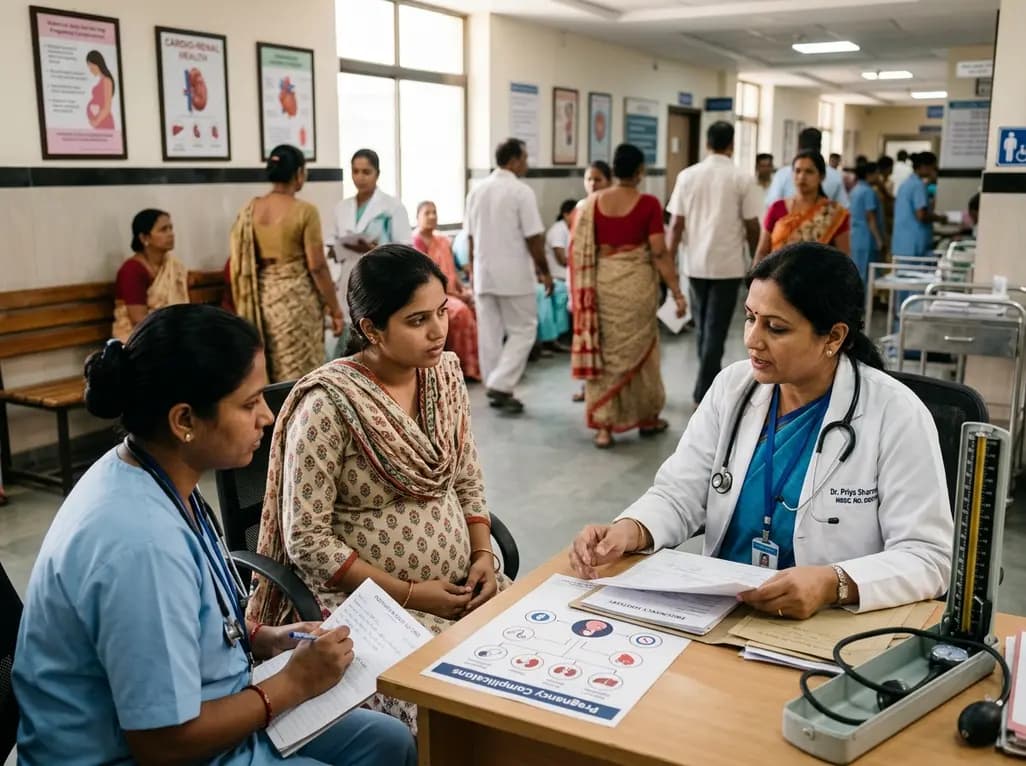
A large UK cohort study of 1.4 million women shows that pregnancy complications, including gestational diabetes, hypertension, and preterm birth, substantially raise long-term risks for hypertension, chronic kidney disease, type 2 diabetes, and cardiovascular events, highlighting early postpartum intervention needs.
Today

A landmark single-cell study reveals that MEHP, a major phthalate metabolite, damages human ovarian tissue beyond follicles. By disrupting glial-stromal communication, cellular adhesion, and mitochondrial respiration, environmental plasticizers impair ovarian integrity at realistic exposure levels.
Today

The Delhi High Court granted interim relief to beverage manufacturers against the FSSAI ban on the energy drink descriptor. Discover the regulatory dispute, caffeine safety thresholds, metabolic concerns, and the vital clinical recommendations for healthcare practitioners advising young consumers in India.
Today
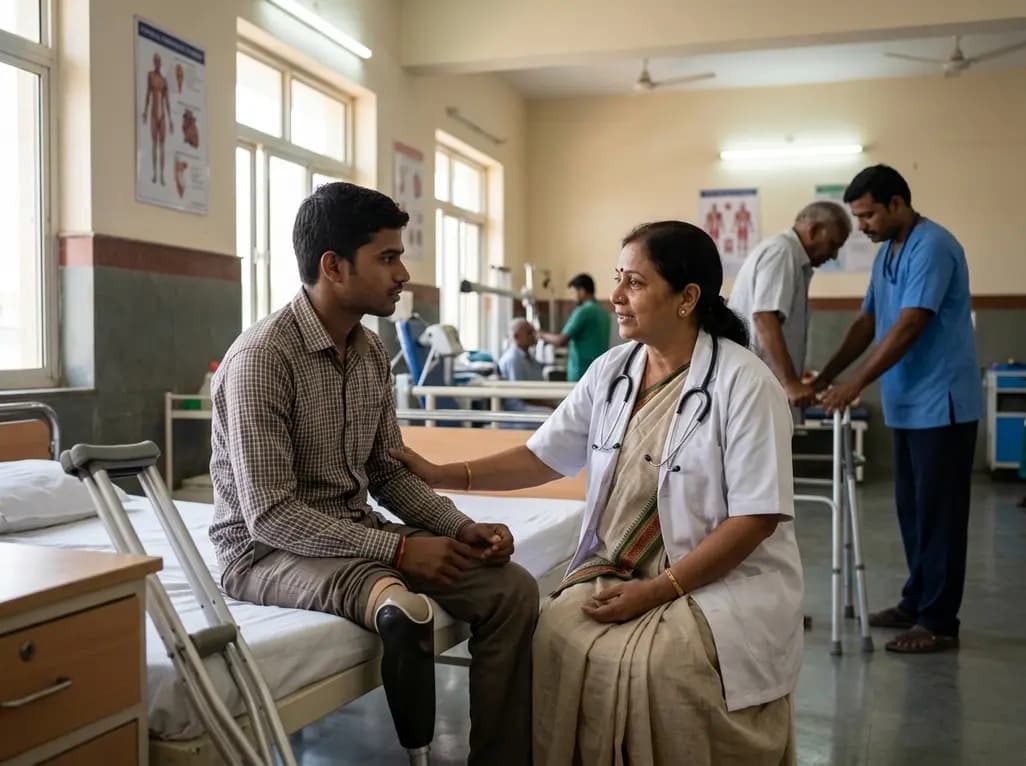
A scoping review reveals severe gaps in long-term assistive technology provision following humanitarian emergencies. Addressing post-disaster rehabilitation requires systematic follow-up, workforce training, and integration into national health systems to sustain mobility and recovery.
Today
