.webp&w=384&q=75)

Loading, please wait...
Loading, please wait...

Human papillomavirus infections present a substantial global disease burden, causing benign lesions such as common warts along with aggressive cutaneous malignancies including cutaneous squamous cell carcinoma. Clinicians routinely rely on licensed prophylactic human papillomavirus vaccines to prevent mucosal and anogenital viral transmission. However, dermatologists increasingly explore off-label administration of these immunizations to treat existing dermatological conditions. This strategy, known as therapeutic HPV vaccination, aims to stimulate host cell-mediated immunity against active viral reservoirs, offering hope for patients suffering from persistent skin lesions that fail standard destructive therapies.
Despite widespread clinical enthusiasm, therapeutic HPV vaccination remains an evolving concept requiring rigorous scientific validation. While traditional prophylactic administration relies on neutralizing antibodies to prevent initial viral cell entry, therapeutic applications attempt to prime cytotoxic T-cell responses against established intracellular viral proteins. Physicians encountering recalcitrant viral warts, extensive epidermodysplasia verruciformis, or aggressive non-melanoma skin cancers frequently face limited treatment options. Consequently, off-label administration of quadrivalent or nonavalent vaccines has gained traction across global clinical centers. Nevertheless, clinicians must carefully distinguish between documented preventive efficacy and unverified therapeutic claims when evaluating these innovative intervention strategies for routine dermatological management.
Understanding why therapeutic HPV vaccination might induce regression of established cutaneous lesions requires examining immune system interactions. Prophylactic vaccines contain recombinant virus-like particles that trigger high titers of neutralizing IgG antibodies. These antibodies neutralize extracellular virions before cellular entry occurs. Conversely, clearing established intracellular infections requires robust cellular immunity, specifically CD4+ helper T-cells and CD8+ cytotoxic T-lymphocytes. Researchers hypothesize that systemic intramuscular or direct intratumoral administration of recombinant antigens can reactivate cross-reactive immune surveillance, thereby targeting viral proteins expressed in infected keratinocytes.
Moreover, local inflammation generated at the injection site may act as an immunological booster. Injecting vaccine antigens introduces potent adjuvants, such as aluminum hydroxyphosphate sulfate, which recruit antigen-presenting cells to the site. These dendritic cells capture local viral antigens and migrate to regional lymph nodes, potentially breaking immunological tolerance to recalcitrant viral strains. Furthermore, secondary cytokine release, including interferon-gamma and interleukin-12, enhances local cellular clearance mechanisms. Although these theoretical immunological mechanisms offer a plausible rationale for off-label intervention, direct clinical evidence demonstrating consistent therapeutic clearance across diverse patient populations remains limited and subject to active scientific debate.
Clinical interest in therapeutic HPV vaccination has generated numerous published case reports, observational series, and small retrospective cohort analyses. Patients presenting with recalcitrant cutaneous warts, who previously failed cryotherapy, topical immunomodulators, or laser ablation, occasionally demonstrate complete lesion resolution following sequential vaccine administration. Similarly, isolated case studies report dramatic tumor regression after combined systemic and intratumoral injection of the nonavalent vaccine in patients with extensive cutaneous squamous cell carcinoma or multiple basal cell carcinomas who were ineligible for surgical excision.
However, critical examination of the literature reveals significant scientific caveats. The vast majority of positive clinical outcomes derive from unblinded, uncontrolled observational studies with small patient samples and highly heterogeneous therapeutic protocols. Furthermore, the only large randomized controlled trial assessing therapeutic HPV vaccination for anogenital warts demonstrated no statistical benefit compared to placebo control groups. Publication bias heavily favors positive clinical outcomes, while unsuccessful treatments frequently go unreported. Consequently, current empirical evidence supporting therapeutic efficacy remains at high risk of bias, preventing definitive conclusions regarding true clinical effectiveness.
A major biological obstacle facing therapeutic HPV vaccination for cutaneous diseases involves genomic divergence among viral subtypes. Currently available commercial vaccines target mucosal alpha-HPV strains, specifically low-risk types 6 and 11, alongside high-risk oncogenic types 16, 18, 31, 33, 45, 52, and 58. Conversely, common benign skin warts are typically driven by cutaneous alpha strains like HPV 1, 2, 4, 27, and 57. More critically, non-melanoma skin cancers and lesions associated with epidermodysplasia verruciformis are predominantly linked to oncogenic beta-HPV subtypes, such as HPV 5 and 8.
Because commercial vaccines do not contain beta-HPV antigens, any observed therapeutic effect relies entirely on cross-reactive cellular immunity, which remains weak and unpredictable. Beta-HPV viral strains infect cutaneous stem cell populations early in life, often persisting quietly within sun-exposed skin. In immunocompromised individuals, such as organ transplant recipients, loss of cellular immune surveillance allows unchecked beta-HPV replication, driving actinic keratoses and cutaneous squamous cell carcinoma progression. Expecting alpha-HPV targeted vaccines to cross-protect against genetically distant beta-HPV strains represents an unproven assumption that highlights the critical need for subtype-specific therapeutic vaccine formulations.
Managing recalcitrant warts and skin cancers in immunocompromised individuals presents profound clinical difficulties. Organ transplant recipients, patients living with HIV, and individuals receiving biological immunosuppressive therapies exhibit heightened susceptibility to severe, multifocal cutaneous HPV lesions. Although these patients urgently require novel therapeutic modalities, their underlying immune dysfunction impairs their capacity to generate robust vaccine-induced cellular responses. Consequently, therapeutic response rates among immunosupppromised cohorts remain inconsistent across clinical investigations.
Safety considerations also demand careful monitoring when administering off-label immunizations. While intramuscular administration generally demonstrates a favorable safety profile characterized by mild local reactions, intratumoral injections carry risks of pronounced inflammatory responses, tissue necrosis, or hypersensitivity. Furthermore, using off-label therapies without clear efficacy data can delay established, evidence-based dermatological interventions. Practitioners must ensure that experimental attempts at therapeutic vaccination do not compromise standard surgical, topical, or photodynamic care routines, particularly in vulnerable patients with high cutaneous tumor burdens.
To establish therapeutic HPV vaccination as an accepted clinical modality, future research must shift from anecdotal reporting toward rigorous methodology. Developing next-generation vaccines specifically targeting cutaneous alpha and oncogenic beta-HPV subtypes is essential. Furthermore, therapeutic vaccines must incorporate innovative delivery platforms, such as messenger RNA or recombinant viral vectors, designed specifically to stimulate robust cytotoxic T-cell responses rather than isolated antibody production.
Pending robust data from prospective, well-designed randomized controlled trials, authoritative dermatological consensus dictates that therapeutic HPV vaccination should remain strictly investigational. Clinicians should not offer off-label vaccination as a routine treatment option for recalcitrant warts or skin cancers. Instead, administration should occur exclusively within approved clinical trial protocols or after explicit shared decision-making. Physicians must clearly explain the off-label status, lack of definitive efficacy data, potential financial costs, and experimental nature of the therapy before proceeding.
Current scientific evidence does not support using HPV vaccines as a reliable cure for existing skin warts. While some small observational studies report wart regression after off-label vaccination, high-quality randomized controlled trials have failed to confirm clinical efficacy. Consequently, standard destructive or immunomodulatory therapies remain the primary treatment options for viral warts.
Commercial HPV vaccines protect against mucosal alpha-HPV strains linked to anogenital cancers and genital warts. However, non-melanoma skin cancers, such as cutaneous squamous cell carcinoma, are primarily associated with beta-HPV subtypes. Because existing vaccines lack beta-HPV antigens, they cannot generate specific target immunity against the viral strains involved in cutaneous skin cancer development.
Dermatological guidelines do not recommend routine off-label therapeutic HPV vaccination for cutaneous diseases. Because positive evidence relies mostly on low-quality studies subject to publication bias, experts recommend keeping this approach strictly investigational. Clinicians should offer therapeutic vaccination only within formal clinical research trials or following comprehensive shared decision-making discussions with patients.
Disclaimer: This content is for informational and educational purposes only. It does not constitute medical advice, diagnosis, or treatment. Always consult a qualified healthcare provider regarding any medical condition or off-label therapy. Refer to the latest local and national guidelines for clinical practice.
References
1. Qi J et al. HPV Vaccination as Treatment for Cutaneous Diseases: Beyond Prevention. Clin Exp Dermatol. 2026 Aug 11. doi: undefined. PMID: 42579851.
2. Bossart S, Imstepf V, Hunger RE, Seyed Jafari SM. Nonavalent Human Papillomavirus Vaccination as a Treatment for Skin Warts in Immunosuppressed Adults: A Case Series. Acta Derm Venereol. 2020;100(1):adv00078.
3. Nichols AJ et al. Combined systemic and intratumoral administration of human papillomavirus vaccine to treat multiple cutaneous squamous cell carcinomas. JAMA Dermatol. 2018;154(8):927-930.

Read summarized clinical updates, watch expert medical content, and earn CME certifications right from your smartphone.
Open your smartphone camera to scan and install.





While licensed for preventing anogenital infections, HPV vaccines are increasingly used off-label to treat recalcitrant warts and non-melanoma skin cancer. However, current evidence remains preliminary, so therapeutic HPV vaccination should stay strictly investigational pending robust randomized trial data.
last month

A new PPMI cohort study demonstrates that combining blood microRNA-7-5p with CSF alpha-synuclein seed amplification assay significantly improves the prediction of Parkinson's disease phenoconversion, offering clinicians and researchers a powerful tool for patient risk stratification and clinical trial enrichment.
Today

A large retrospective study evaluates the screening accuracy, positive predictive value, and test failure rates of noninvasive prenatal testing (NIPT) in assisted reproductive technology (ART) pregnancies compared to spontaneous conceptions, highlighting key considerations for pretest counseling.
Today
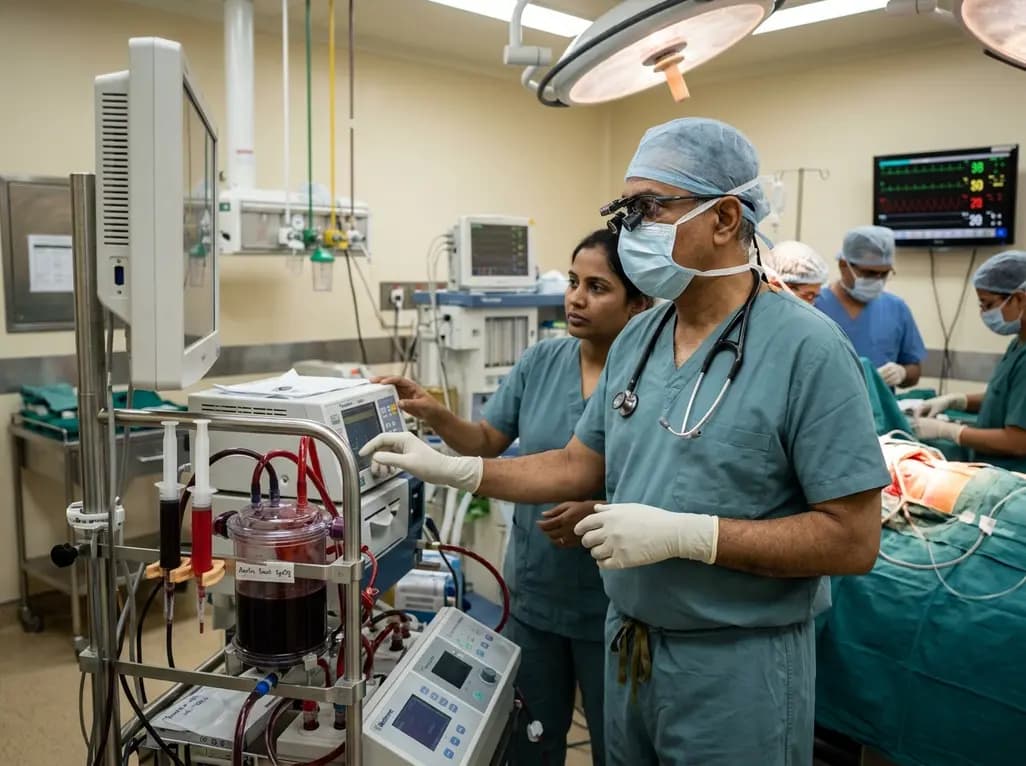
Differential oxygenation during peripheral TA-NRP can cause undetected coronary hypoxemia due to arch vessel clamping. A novel circuit with continuous aortic root monitoring detects desaturation early, facilitating left ventricular unloading and preventing allograft dysfunction and unnecessary heart discard.
Today
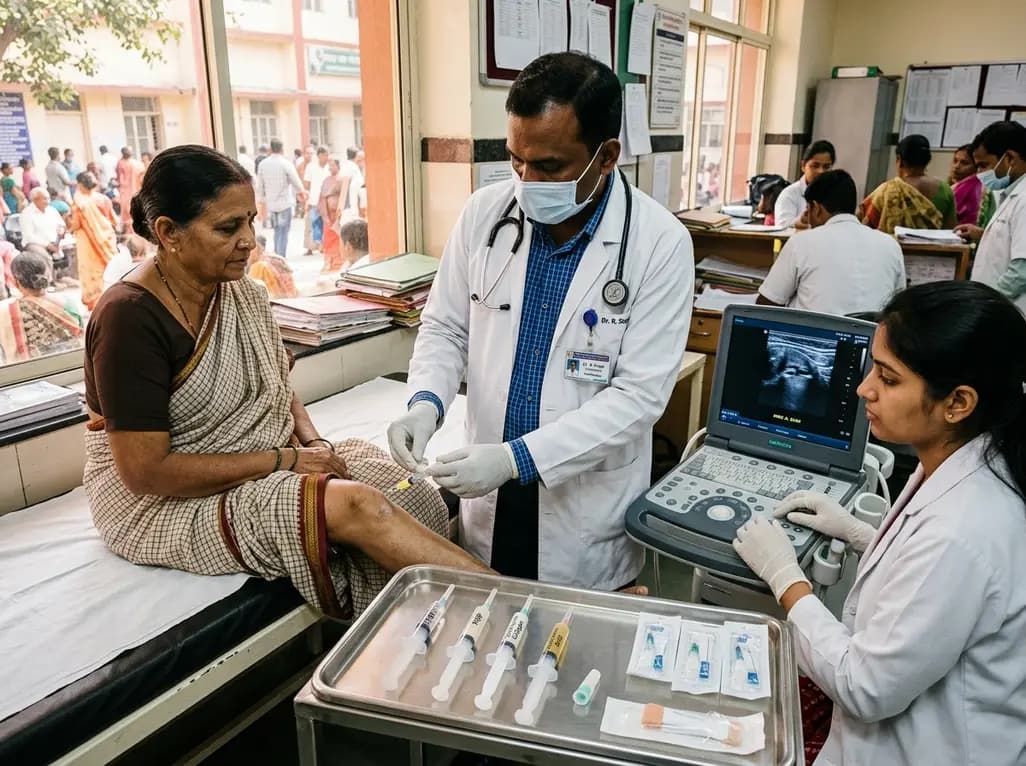
A randomized controlled trial compared ultrasound-guided intra-articular injections of PRP, hydrolyzed type I collagen, and hyaluronic acid in knee osteoarthritis. All therapies demonstrated significant improvements in WOMAC and pain scores at six months, supporting hydrolyzed collagen as a viable biological option.
Today

A scoping review evaluates 116 studies on AI in women's reproductive health, finding that 83.6% carry high risk of bias. While ensemble models show promise, disparities and lack of validation hinder LMIC deployment.
Today
