.webp&w=384&q=75)

Loading, please wait...
Loading, please wait...

A recent large-scale retrospective cohort study has shed light on the significant thalassemia osteoporosis risk facing patients today. Using data from the TriNetX health research network, researchers compared skeletal outcomes between alpha- and beta-thalassemia subtypes. They discovered that patients with beta-thalassemia carry a markedly higher burden of skeletal complications. Consequently, this study emphasizes the urgent need for tailored clinical monitoring and early intervention strategies.
The study found that beta-thalassemia patients have a significantly greater risk of developing osteoporosis compared to those with the alpha subtype. Specifically, the hazard ratio (HR) for osteoporosis was 1.26 in the beta-thalassemia group. This increased risk also translates to higher fracture rates. Furthermore, the researchers matched patients against non-anemic controls to ensure that comorbidities like chronic kidney disease and diabetes did not skew the results. The data clearly shows that beta-globin mutations lead to more severe skeletal deterioration than alpha-globin mutations.
Perhaps the most striking finding involves young males between the ages of 18 and 50. In this demographic, beta-thalassemia correlates with a 14-fold increase in osteoporosis risk (HR = 13.97). Additionally, these young men faced a sixfold increase in mortality. While females also showed an elevated risk (HR = 1.42), the disparity suggests that sex-specific factors play a critical role in bone health within the thalassemic population. This suggests that current screening protocols may need to be updated to capture these high-risk individuals earlier.
Doctors should consider earlier and more frequent dual-energy X-ray absorptiometry (DXA) scans for thalassemic patients. Since the thalassemia osteoporosis risk is exceptionally high in young men, baseline assessments should likely occur well before the age of 50. Moreover, clinicians must address underlying factors such as hypogonadism, iron overload, and vitamin D deficiency. Proactive management of bone mineral density is essential to prevent debilitating fragility fractures and improve long-term survival rates.
Beta-thalassemia is often associated with more severe ineffective erythropoiesis and iron overload. These factors lead to greater bone marrow expansion and endocrine dysfunction, which significantly accelerate bone loss compared to the alpha subtype.
Given the 14-fold risk identified in males aged 18-50, experts suggest considering baseline skeletal surveillance in early adulthood. International guidelines often recommend starting bone mineral density (BMD) assessments as early as age 10 for transfusion-dependent patients.
Disclaimer: This content is for informational and educational purposes only. It does not constitute professional medical advice, diagnosis, or treatment. Always seek the advice of your physician or other qualified healthcare provider with any questions you may have regarding a medical condition. Refer to the latest local and national guidelines for clinical practice.
References

Read summarized clinical updates, watch expert medical content, and earn CME certifications right from your smartphone.
Open your smartphone camera to scan and install.





A large-scale study identifies a 14-fold osteoporosis risk in young males with beta-thalassemia, calling for earlier skeletal surveillance in this populatio...
4 months ago

A secondary analysis of an HIV cure-related trial in South Africa highlights the acceptability and safety of serial excisional lymph node and gut biopsies among young women. Clear communication, empathetic care, and altruistic motives helped mitigate initial apprehension and sustain longitudinal trial engagement.
Today
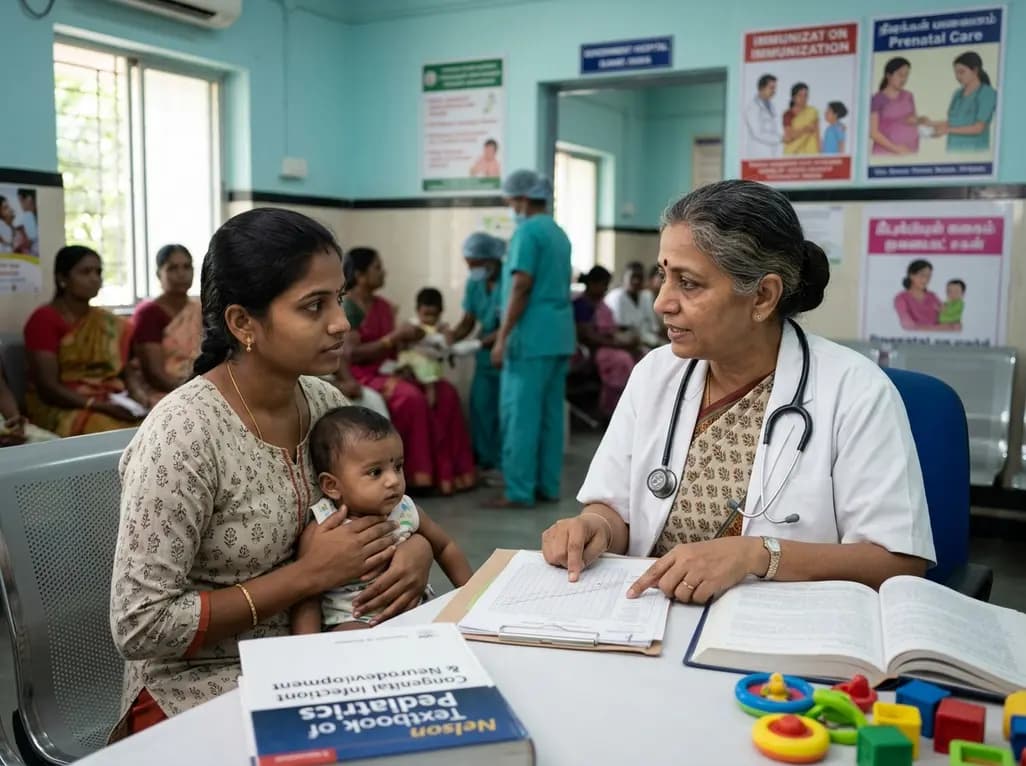
A nationwide study covering 3.7 million Swedish births reveals that prenatal exposure to TORCH pathogens significantly elevates long-term risks of intellectual disability and autism. Healthcare providers must recognize clinical indicators, promote prenatal prevention, and track early pediatric neurodevelopment.
Today
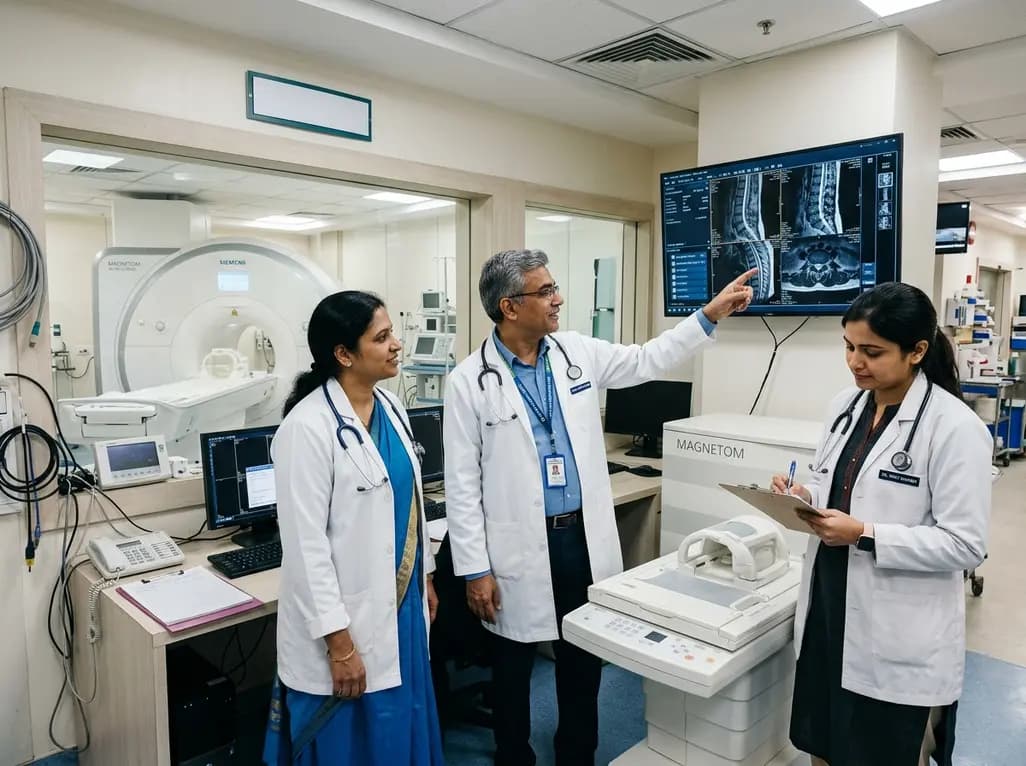
Under India's PLI initiative, domestic production of 57 critical medical devices has commenced, including MRI and CT scanners, cath labs, and heart valves. Global partnerships and local investments are expanding high-end technology, curbing import reliance, and strengthening clinical accessibility nationwide.
Today
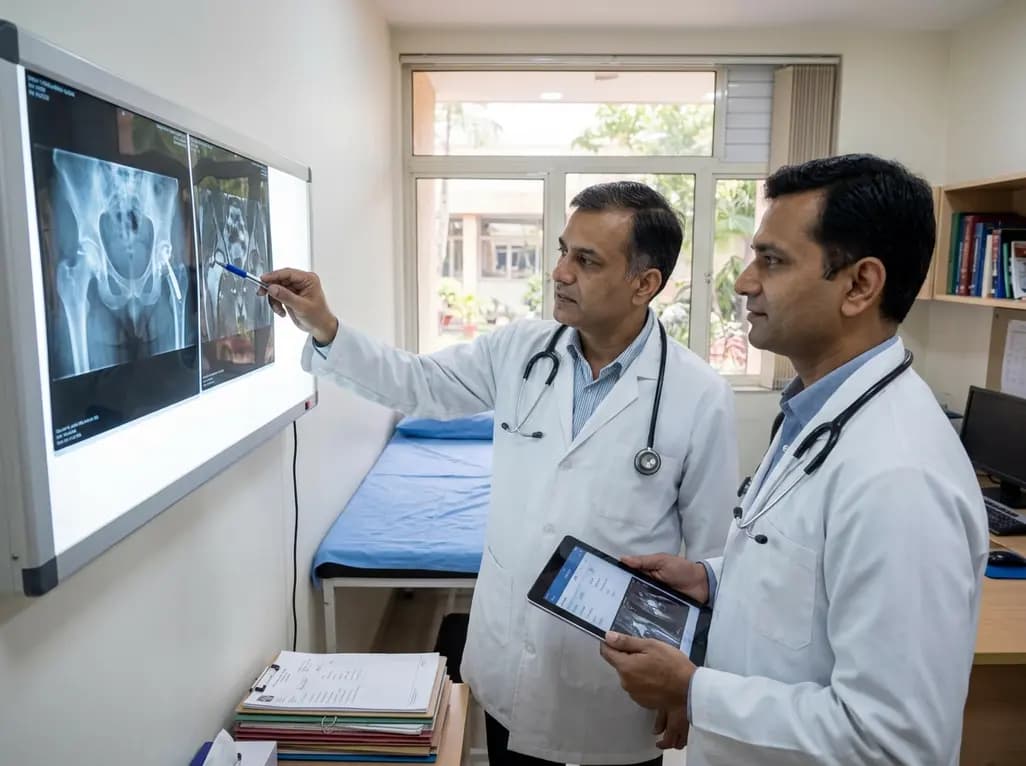
A longitudinal study reveals that patients undergoing staged bilateral hip arthroscopy experience progressive contralateral labral deterioration during surgical intervals. However, structural degradation does not compromise 2-year postoperative clinical outcomes or patient-reported satisfaction scores.
Today
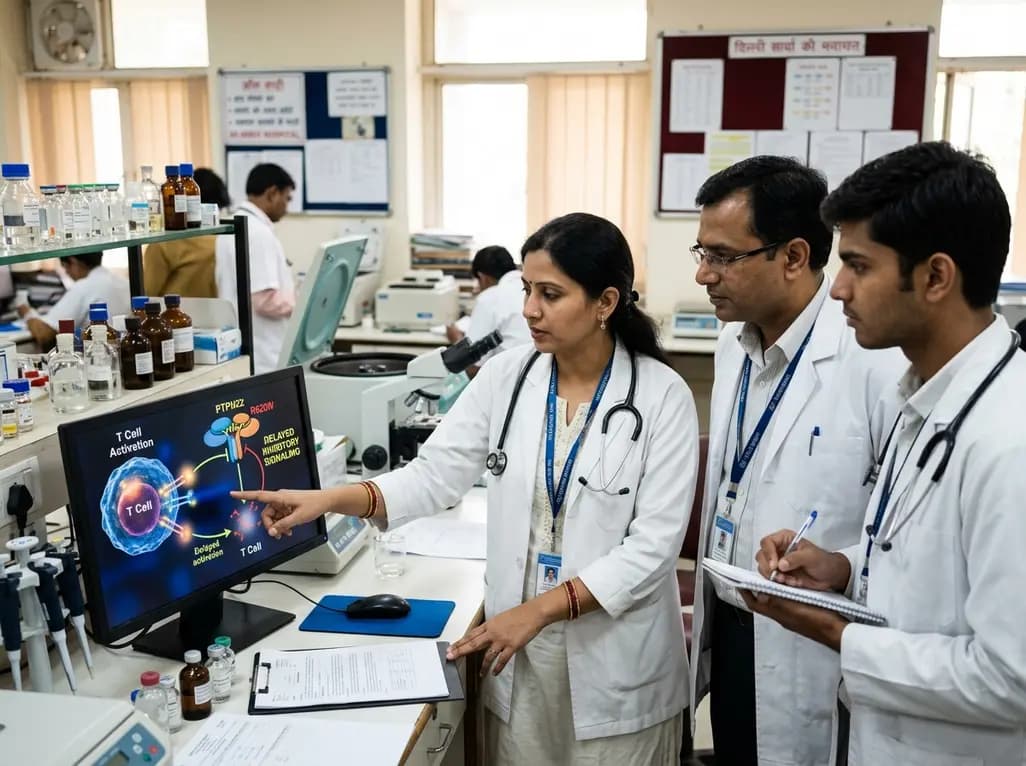
New immunological research reveals how PTPN22 forms a delayed inhibitory signaling complex to restrain T cell activation, explaining how the autoimmune-linked R620W variant disrupts feedback control and promotes persistent inflammation in conditions like rheumatoid arthritis and type 1 diabetes.
Today
