.webp&w=384&q=75)

Loading, please wait...
Loading, please wait...
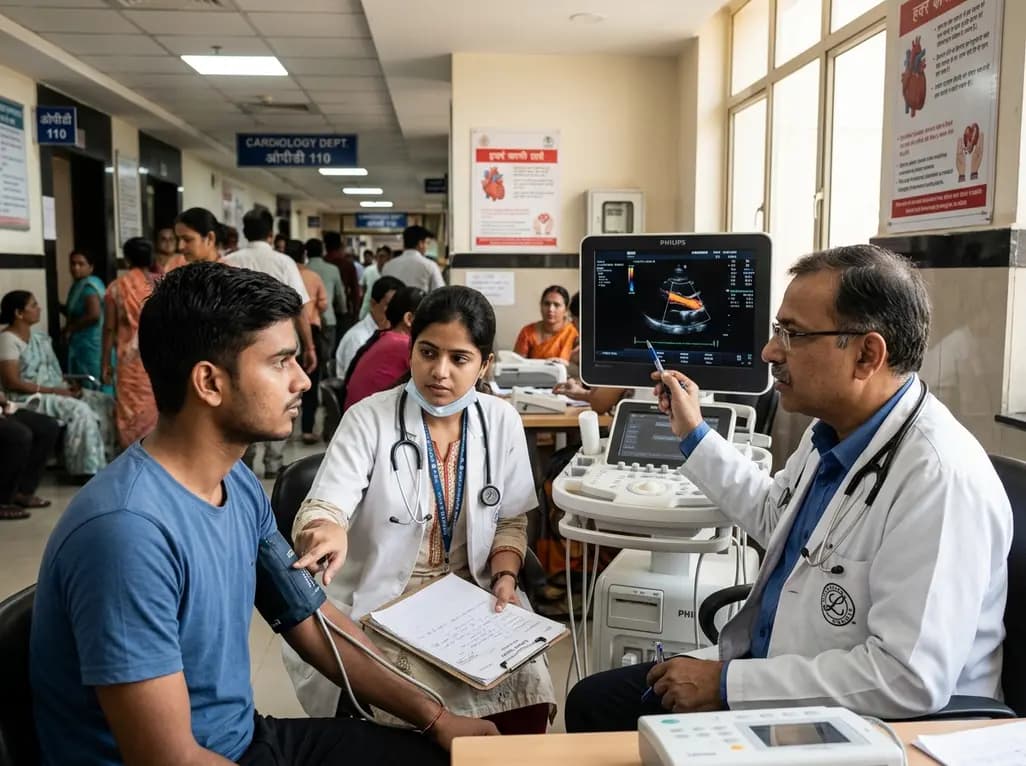
Recent clinical observations indicate that cardiovascular disease is no longer restricted to middle-aged and elderly populations. Consequently, pediatric cardiovascular risk factors have emerged as a critical focal point for preventive medicine in South Asia. A landmark multi-state study conducted in India has highlighted alarming subclinical vascular changes taking place during childhood and early adulthood. These empirical findings underscore the immediate necessity for early diagnostic screening, targeted metabolic assessment, and structured public health strategies.
The landmark multi-state research was led by the Multi-Disciplinary Research Unit at Karnataka Medical College and Research Institute in collaboration with the Department of Health Research. Specifically, the study comprehensively evaluated 347 apparently healthy adolescents between 6 and 18 years of age and 62 young adults aged 18 to 30 years across 13 Indian states, including 25 districts within Karnataka. Therefore, this investigation represents the first large-scale systematic assessment of early cardiometabolic vulnerabilities among Indian children and young adults. Consequently, the findings challenge traditional assumptions that cardiovascular pathology begins only in later adulthood. Clinicians must recognize that subclinical arterial changes develop quietly during early pediatric development. Moreover, traditional risk assessment tools often fail to capture subtle biological shifts in younger demographics. As a result, many asymptomatic children remain entirely undiagnosed despite possessing significant early vascular risk profiles. Furthermore, the findings highlight a national imperative to reform routine pediatric clinical evaluation strategies across both urban and rural healthcare settings. Early recognition enables timely clinical management before structural arterial changes become irreversible.
Among the most striking discoveries in the investigation was the widespread prevalence of hyperhomocysteinemia among young participants. Specifically, the researchers observed elevated serum homocysteine in 70.3% of surveyed adolescents and 90.3% of young adults. Elevated homocysteine is an established, non-traditional biomarker that contributes to endothelial injury and accelerated vascular stiffness. Consequently, high plasma homocysteine promotes cellular oxidative stress, impairs nitric oxide bioavailability, and triggers pro-thrombotic cascades within the vascular tree. Furthermore, in Indian populations, elevated homocysteine frequently correlates with subclinical nutritional deficiencies, particularly inadequate dietary intake of essential B-complex vitamins such as B12 and folate. However, metabolic genetic variations and modern dietary shifts toward ultra-processed foods also compound this biochemical anomaly. Therefore, routine screening for plasma homocysteine may serve as a valuable diagnostic tool for early risk stratification in pediatric clinical practice. Early detection of hyperhomocysteinemia allows clinicians to introduce targeted nutritional supplements and structured dietary adjustments. As a result, early therapeutic interventions can effectively mitigate long-term vascular oxidative damage before structural vascular disease takes firm root in young patients.
In addition to metabolic biomarkers, the study demonstrated physical structural and functional vascular changes among asymptomatic young participants. Remarkably, test results revealed that 17.6% of adolescents exhibited endothelial dysfunction, with 11.8% presenting with severe functional impairment of the vascular lining. Endothelial dysfunction represents the earliest functional abnormality in the development of atherosclerosis, characterized by impaired vasodilation and increased vascular permeability. Furthermore, premature atherosclerosis was identified in 8.8% of participants overall. This finding indicates that arterial wall hardening and intimal thickening can initiate decades before clinical symptoms appear. Consequently, young individuals may accumulate subclinical arterial lesions that dramatically increase their future susceptibility to acute coronary events or sudden cardiac arrest. Clinicians should understand that normal body weight does not completely protect adolescents from vascular dysfunction. Therefore, objective non-invasive testing, such as vascular endothelial function assessment and carotid intima-media thickness measurements, should be considered for high-risk pediatric populations. Early detection provides a critical window of opportunity to reverse arterial stiffness through targeted medical and lifestyle interventions.
The investigation further underscored an alarming burden of classical metabolic risk factors among Indian youth. Specifically, over 70% of study participants were categorized as overweight, while nearly 40% exhibited abnormal lipid profiles. Furthermore, elevated high-sensitivity C-reactive protein placed 28.2% of adolescents and 25.8% of young adults in the high-risk category for cardiovascular events. High-sensitivity C-reactive protein is a precise systemic marker of low-grade chronic inflammation that directly accelerates atherogenesis. Consequently, the combination of dyslipidemia, central adiposity, and chronic systemic inflammation creates a highly atherogenic milieu during early biological development. As a result, pediatric patients with elevated inflammatory markers face an accelerated trajectory toward early-onset type 2 diabetes and complex metabolic syndrome. Clinicians must actively monitor comprehensive lipid panels and inflammatory biomarkers rather than relying solely on simple body mass index calculations. Therefore, managing childhood cardiometabolic health requires a comprehensive clinical approach that targets metabolic dysregulation and systemic vascular inflammation simultaneously. Integrated care models combining nutritional guidance and metabolic monitoring remain critical for patient care.
According to lead investigators, physical inactivity represents one of the primary drivers accelerating early cardiovascular risk across Indian states. Increased screen time, academic stress, reduced physical education, and processed food consumption significantly exacerbate cardiometabolic risk in school-aged children. Consequently, prolonged sedentary behavior reduces vascular shear stress, which suppresses endothelial nitric oxide synthase expression and impairs normal vascular elasticity. Furthermore, physical inactivity worsens insulin resistance and promotes hepatic steatosis, further compounding systemic metabolic dysfunction. Therefore, public health policy must prioritize physical activity mandates within school curricula and community recreational environments. Medical practitioners should regularly counsel pediatric patients and their parents regarding daily physical exercise and strict screen-time reduction. In addition, dietary interventions focusing on whole grains, fresh vegetables, and adequate micronutrient intake are essential to counteract hyperhomocysteinemia and dyslipidemia. Consequently, multi-sectoral strategies involving clinicians, educators, and families are vital to interrupt this unfolding youth health crisis. Structured daily physical exercise routines can effectively restore normal endothelial responsiveness in young patients.
To address this silent cardiometabolic crisis, primary care physicians and pediatricians must adopt proactive preventive practices. First, clinicians should implement opportunistic screening for blood pressure, body composition, lipid profiles, and plasma homocysteine in adolescents during routine clinical visits. Second, patients showing signs of endothelial dysfunction or severe metabolic abnormalities require early dietary counseling and micronutrient supplementation, particularly with folate and vitamin B12. Third, structured exercise prescriptions aiming for at least 60 minutes of daily moderate-to-vigorous physical activity should be formally documented in clinical management plans. Moreover, healthcare institutions must collaborate with educational boards to integrate routine cardiovascular risk assessments into school health programs. By identifying subclinical vascular damage in pediatric populations, healthcare providers can prevent premature coronary heart disease and reduce sudden cardiac death events in young adults. Consequently, early screening shifts the paradigm from late-stage disease management to true primary prevention. Primary care physicians serve as the first line of defense in identifying vulnerable youth before permanent vascular injury develops.
Q1: Why is hyperhomocysteinemia significant in pediatric cardiovascular risk?
Hyperhomocysteinemia is an emerging independent risk factor for premature vascular injury. Elevated homocysteine levels damage endothelial cells, impair nitric oxide production, and promote vascular inflammation and thrombosis. In Indian adolescents, high homocysteine often stems from nutritional deficiencies, particularly inadequate B12 and folate intake, or genetic metabolic variations. Identifying elevated homocysteine early enables targeted nutritional supplementation and dietary changes that prevent structural arterial damage before adulthood.
Q2: What causes early endothelial dysfunction in healthy adolescents?
Endothelial dysfunction in seemingly healthy adolescents is primarily driven by physical inactivity, poor dietary habits, systemic inflammation, and metabolic dysregulation. Elevated inflammatory markers such as high-sensitivity C-reactive protein, combined with hyperhomocysteinemia and early dyslipidemia, reduce nitric oxide availability in arterial walls. This blunts normal vasodilation and initiates subclinical vascular damage. Over time, persistent endothelial dysfunction sets the stage for premature arterial stiffness and early-onset atherosclerosis.
Q3: How can clinicians effectively screen children for early heart disease risk?
Clinicians can screen high-risk children by integrating comprehensive cardiometabolic evaluations into routine pediatric care. This includes tracking body mass index, blood pressure, fasting lipid profiles, and high-sensitivity C-reactive protein. In addition, testing plasma homocysteine levels offers vital insight into non-traditional vascular risk. For adolescents with severe risk profiles, non-invasive imaging like carotid intima-media thickness testing can detect subclinical arterial wall thickening, allowing early lifestyle and therapeutic interventions.
Disclaimer: This content is for informational and educational purposes only. It does not constitute medical advice or replace professional judgment. Refer to the latest local and national guidelines for clinical practice.
References

Read summarized clinical updates, watch expert medical content, and earn CME certifications right from your smartphone.
Open your smartphone camera to scan and install.





A multi-state Indian study by KMCRI reveals alarming cardiovascular risk markers among healthy adolescents and young adults, including hyperhomocysteinemia and early blood vessel damage.
last month

A new case study illuminates how functional connectivity changes drive recovery from pure alexia following posterior cerebral artery infarction. Functional reorganization supports reading recovery despite permanent structural tract disconnection, highlighting key implications for stroke rehabilitation.
Today

A premature neonate developed upper limb compartment syndrome after uterine rupture extruded the arm through a scar defect. Conservative management with continuous monitoring yielded complete functional recovery and normal limb growth at 10-year follow-up, highlighting non-operative safety in selected cases.
Today

Dendritic cells bridge innate and adaptive immunity in myocardial infarction. This review explores their pathological roles, circulating dynamics, novel tolerogenic interventions, and how standard cardiovascular medications modulate dendritic cells to improve post-infarction myocardial repair and patient outcomes.
Today
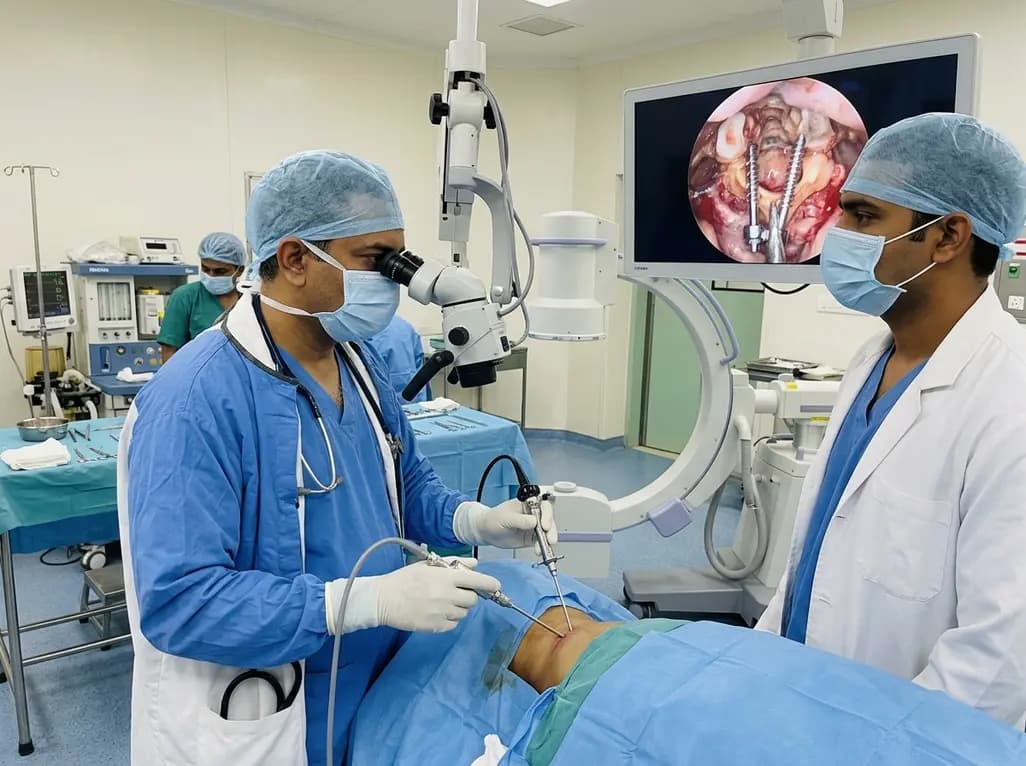
Endoscopic posterior cervical fusion combines minimally invasive decompression, joint preparation, and rigid screw-rod fixation for atlantoaxial pathologies. Early clinical findings demonstrate solid bony union, excellent symptom relief, and minimal soft-tissue morbidity without significant vascular compromise.
Yesterday

Atherosclerosis involves extensive glycometabolic reprogramming across immune and vascular cells. This review examines how glycolysis, the pentose phosphate pathway, and lactate-driven epigenetic shifts fuel plaque vulnerability, while highlighting novel therapeutic targets like PFKFB3 and LDHA.
Today
