

Loading, please wait...
Loading, please wait...

The tumor immune microenvironment plays an instrumental role in shaping disease behavior, progression, and therapeutic responses across human malignancies. In breast oncology, clinicians have long recognized stromal tumor-infiltrating lymphocytes as critical determinants of clinical outcome. However, researchers are increasingly directing attention toward organized immune aggregates known as tertiary lymphoid structures. These ectopic nodal formations orchestrate localized adaptive immune responses directly within the tumor bed. A landmark multicenter investigation led by Cozzo and colleagues provides robust evidence regarding the prognostic and predictive power of tertiary lymphoid structures in invasive breast cancer. Consequently, understanding these immune assemblies equips clinicians with vital insights for risk stratification and therapeutic planning.
Tertiary lymphoid structures represent specialized, non-encapsulated lymphoid aggregates that develop in peripheral tissues experiencing chronic inflammation, autoimmune reactions, or neoplastic growth. Anatomically, these assemblies mirror secondary lymphoid organs. They typically feature distinct T-cell zones containing mature dendritic cells adjacent to dedicated B-cell follicles. When fully mature, these structures develop active germinal centers characterized by follicular dendritic cell networks and proliferating B lymphocytes. Consequently, mature tertiary lymphoid structures function as autonomous, in situ command hubs for antitumor immunity. Within these microdomains, local antigen presentation occurs efficiently, thereby stimulating somatic hypermutation, antibody class switching, and the generation of tumor-specific plasma cells. In addition, these mature aggregates facilitate robust clonal expansion of cytotoxic T lymphocytes. Therefore, tumors that foster mature lymphoid assemblies mount superior adaptive immune responses compared to immune-desert or diffusely infiltrated tumors. In breast cancer, these organized formations arise more frequently in biologically aggressive phenotypes, including high-grade, hormone receptor-negative, and HER2-positive malignancies. Understanding their structural maturation allows pathologists and oncologists to distinguish between disorganized inflammatory infiltrates and fully competent antitumor immune niches.
To characterize these immune aggregates rigorously, the investigators evaluated 1,703 breast tumors from the diverse Carolina Breast Cancer Study. Initially, the team analyzed hematoxylin and eosin whole-slide images from a training cohort of 842 patients. Pathologists systematically annotated lymphoid aggregates, categorizing tumors based on the presence of immature versus mature tertiary lymphoid structures. Simultaneously, researchers analyzed bulk RNA expression profiles to capture the complex transcriptomic signatures governing immune architecture. By leveraging key B-cell markers and T-follicular helper cell gene expression, the team developed an innovative RNA-based classifier. Subsequently, they validated this classifier within an independent holdout set of 861 patients. This dual methodology bridged conventional microscopic assessment with cutting-edge genomic profiling. Furthermore, the molecular classifier proved capable of capturing functional immune organization that routine light microscopy might occasionally overlook. To extend their clinical evaluation, the investigators interrogated the rigorous I-SPY2 neoadjuvant clinical trial cohort, which enrolled 985 patients receiving adaptive therapeutic regimens. This comprehensive analytical framework allowed the researchers to cross-validate histological observations against high-throughput gene expression data while examining real-world treatment responses across standardized clinical endpoints.
The study revealed striking associations between lymphoid maturation and established clinicopathological variables. Specifically, tertiary lymphoid structures correlated strongly with younger patient age, Black race, high histologic grade, hormone receptor negativity, and elevated stromal tumor-infiltrating lymphocytes. When examining patient outcomes, the researchers identified profound subtype-specific survival advantages. In hormone receptor-negative breast cancer, histologic detection of mature tertiary lymphoid structures yielded a remarkable 59% reduction in the hazard of disease progression, demonstrating a progression-free survival hazard ratio of 0.41. Similarly, the RNA-based classifier confirmed this protective association across the larger cohort. Patients exhibiting mature transcriptomic profiles experienced superior progression-free survival across both HER2-positive and triple-negative subtypes, with hazard ratios ranging between 0.32 and 0.51. In contrast, hormone receptor-positive tumors showed limited immune aggregate enrichment and distinct survival dynamics. These observations indicate that localized immune organization provides potent long-term tumor surveillance, especially in malignancies characterized by genomic instability and elevated neoantigen expression. Therefore, evaluating mature immune assemblies establishes a dependable prognostic stratification tool for clinicians managing aggressive breast cancer subtypes.
Beyond establishing prognostic benchmarks, the study illuminated compelling predictive associations within the prospective neoadjuvant I-SPY2 trial cohort. Achieving a pathologic complete response remains the primary benchmark for curative-intent neoadjuvant therapy. Notably, the transcriptomic classifier revealed an increased likelihood of pathologic complete response among hormone receptor-negative tumors, yielding an odds ratio of 1.59. Furthermore, this predictive benefit was even more pronounced in HER2-positive breast cancer, where patients harboring mature structures demonstrated a twofold increase in response rates. Crucially, after rigorous multivariable adjustment for specific treatment arms, the association remained statistically significant and highly robust in HER2-positive disease, with an adjusted odds ratio of 2.07. This finding suggests that mature lymphoid aggregates directly augment the efficacy of targeted anti-HER2 therapies and cytotoxic chemotherapy. Mechanistically, localized antibody-dependent cellular cytotoxicity and antigen-driven T-cell activation appear to work synergistically with monoclonal antibodies such as trastuzumab and pertuzumab. Consequently, evaluating tertiary lymphoid structure status prior to initiating neoadjuvant therapy could identify patients most likely to achieve complete tumor eradication.
These findings carry substantial implications for clinical practice and precision oncology. Currently, clinical guidelines rely heavily on stromal tumor-infiltrating lymphocytes to gauge tumor immunogenicity. However, distinguishing between diffuse lymphocytic infiltration and organized tertiary lymphoid structures provides superior functional insight into host antitumor defense. While routine hematoxylin and eosin staining identifies prominent germinal centers, standardized digital pathology algorithms and transcriptomic classifiers minimize inter-observer variability. In addition, these discoveries open exciting therapeutic avenues. Ongoing trials are investigating whether novel immunotherapies, such as immune checkpoint inhibitors or lymphoid chemokine infusions, can actively induce tertiary lymphoid structure formation in cold tumors. For HER2-positive disease, confirming baseline immune maturity may eventually guide treatment de-escalation strategies, sparing highly responsive patients from excessive cytotoxic toxicity. Conversely, patients lacking these structures might benefit from intensified chemo-immunotherapy combinations designed to stimulate de novo immune priming. Ultimately, translating these findings into standardized laboratory assays will refine risk stratification and accelerate personalized cancer care.
To implement tertiary lymphoid structure assessment into routine oncologic workflows, pathologists must establish standardized diagnostic criteria. Currently, reporting guidelines vary widely across international pathology laboratories. Experts emphasize that evaluating hematoxylin and eosin slides represents the most cost-effective and accessible screening approach. However, identifying immature lymphoid aggregates devoid of germinal centers requires careful discrimination from non-specific peritumoral inflammation. Immunohistochemical panels targeting CD20 for B cells, CD3 for T cells, CD21 or CD23 for follicular dendritic cells, and CD83 for mature dendritic cells offer greater diagnostic reproducibility. Furthermore, integrating transcriptomic profiling addresses challenges associated with spatial tumor heterogeneity and limited biopsy sampling. Because core needle biopsies capture only small tissue fragments, gene expression classifiers can detect signature transcripts even when intact follicles escape histological sectioning. Multicenter clinical validation remains essential to standardize threshold cutoffs across diverse platforms. As diagnostic technologies mature, standardized pathology reports detailing tertiary lymphoid structure presence, location, and maturity will empower multidisciplinary tumor boards to personalize systemic management strategies effectively.
Immature tertiary lymphoid structures consist of loose collections of T cells and B cells without functional compartmentalization. In contrast, mature tertiary lymphoid structures possess distinct anatomical zones, including active germinal centers supported by follicular dendritic cell networks. This mature architectural organization facilitates efficient local antigen presentation, B-cell receptor somatic hypermutation, and antibody class switching. Consequently, mature structures orchestrate effective in situ antitumor immune responses, correlating with significantly superior clinical outcomes and therapeutic sensitivity.
Tertiary lymphoid structures create a highly active local immune microenvironment that markedly enhances neoadjuvant therapy. Within HER2-positive tumors, mature structures supply organized B cells and plasma cells capable of generating tumor-specific antibodies while facilitating antibody-dependent cellular cytotoxicity. Furthermore, these lymphoid hubs maintain a continuous reservoir of tumor-infiltrating cytotoxic T lymphocytes. When clinicians administer targeted anti-HER2 therapies and cytotoxic chemotherapy, this organized host immune machinery operates synergistically, significantly boosting the likelihood of achieving complete pathologic eradication.
Transcriptomic classifiers do not replace histological evaluation; rather, they serve as powerful complementary diagnostic tools. Routine hematoxylin and eosin staining remains the gold standard for assessing spatial architecture and tissue morphology. However, transcriptomic profiling overcomes limitations related to tumor sampling errors in small core needle biopsies. By quantifying characteristic B-cell and follicular helper T-cell gene signatures, RNA profiling reliably identifies functional immune activation, enabling precise prognostic stratification even when spatial structures remain unobserved.
Disclaimer: This content is for informational and educational purposes only... Refer to the latest local and national guidelines for clinical practice.
References

Read summarized clinical updates, watch expert medical content, and earn CME certifications right from your smartphone.
Open your smartphone camera to scan and install.





A landmark study evaluates tertiary lymphoid structures in invasive breast cancer across CBCS and I-SPY2 cohorts. Mature structures correlate with hormone receptor-negative progression-free survival and predict neoadjuvant pathologic complete response in HER2-positive tumors, offering novel biomarker potential.
Today
New research reveals that unlike epithelial tissues where high Runx3 expression drives tissue residency, hepatic resident memory T cells require tightly constrained Runx3 dosage. This adaptation reflects hepatic sinusoid architecture and provides critical insights into immunotherapy for chronic liver diseases.
Today
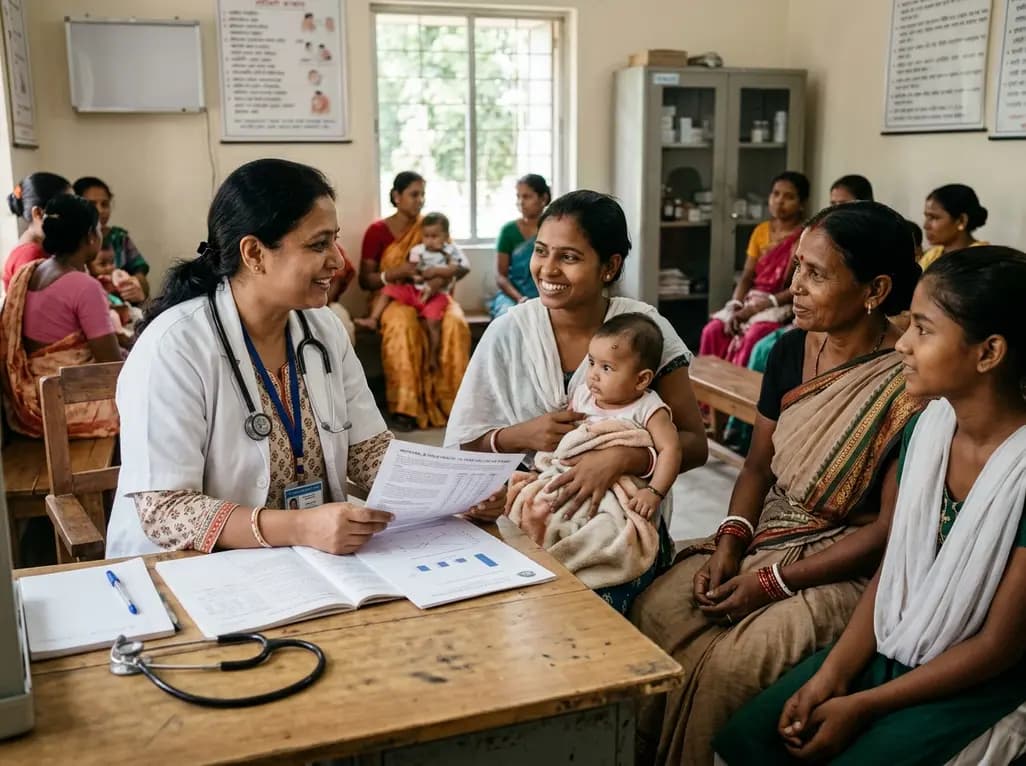
A landmark 15-year follow-up study in rural Bangladesh evaluates the long-term impact of community-based participatory women's groups on maternal survival, offspring mortality, and adolescent physical growth, offering vital insights for maternal-child health policy in South Asia.
Today

Discover how structured coaching, mentoring, and sponsorship frameworks sustain congenital cardiologists across their careers, enhancing technical competence, well-being, and equity.
Today
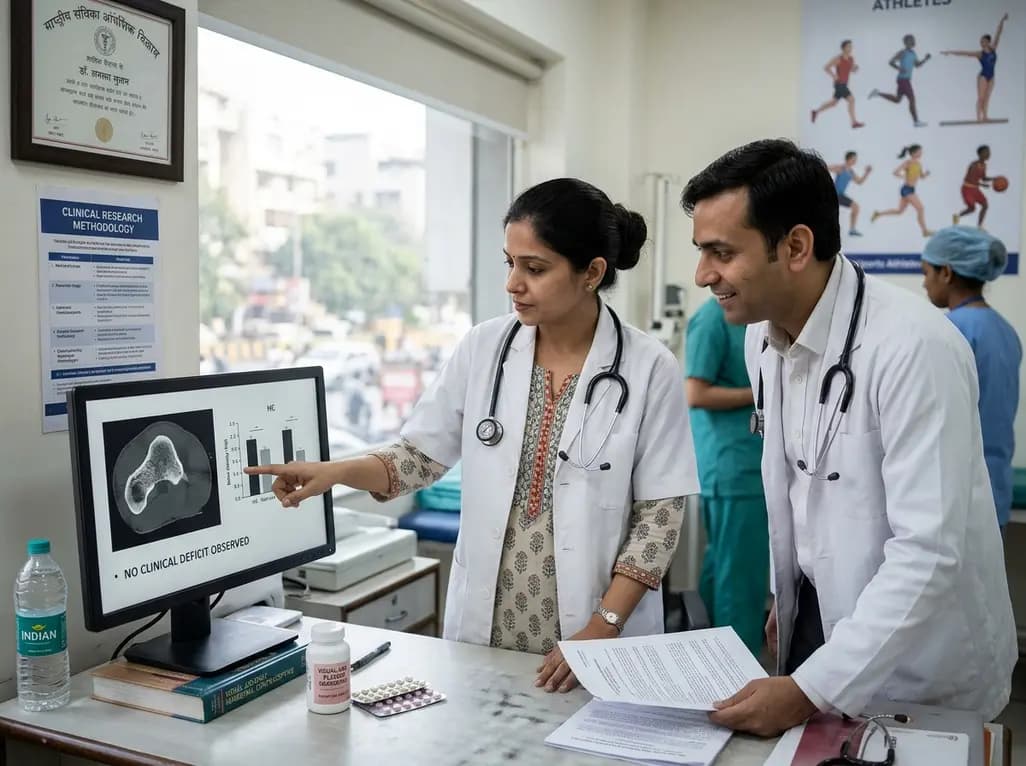
A recent Canadian study evaluates the relationship between hormonal contraceptive use, sport discipline, and volumetric bone density in elite female athletes. Using HR-pQCT, researchers found no clinically meaningful deficits, offering reassuring evidence for sports medicine and gynecology clinicians.
Today
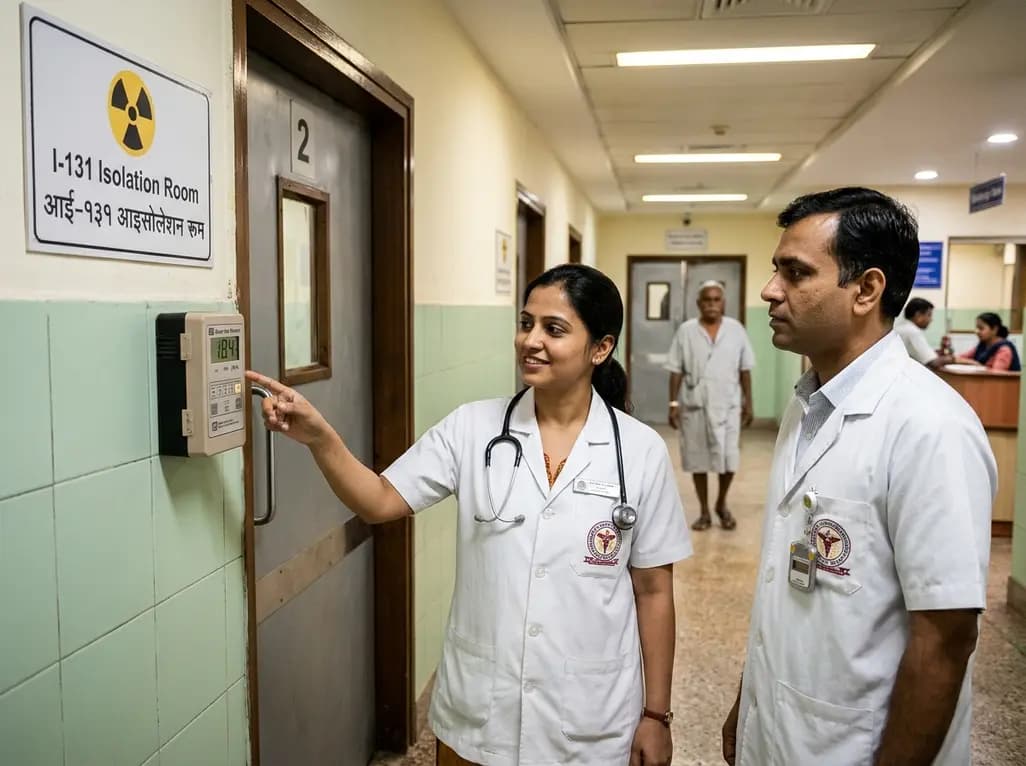
A landmark study establishes cut-offs for administered I-131 activity and day-1 external dose rates to accurately predict isolation duration in differentiated thyroid cancer, improving discharge planning and radiation safety.
Today
