

Loading, please wait...
Loading, please wait...

Community mobilization interventions have repeatedly demonstrated remarkable short-term successes in reducing neonatal and maternal mortality across low-resource settings. Specifically, community-based participatory women's groups using the Participatory Learning and Action approach achieved significant mortality reductions during a landmark cluster-randomized trial in rural Bangladesh between 2009 and 2011. However, researchers know far less about whether these community interventions provide durable health benefits decades later. A comprehensive 2024 study protocol now outlines an ambitious evaluation tracking more than 18,000 mother-infant dyads 13 to 15 years after the initial intervention. This research provides crucial empirical insights for pediatricians, obstetricians, and public health practitioners across South Asia who design sustainable community health programs.
Participatory women's groups empower local communities to identify, prioritize, and collectively address systemic barriers to maternal and neonatal survival. During the original trial in rural Bangladesh, trained facilitators led monthly participatory meetings where women discussed essential hygiene, thermal care, danger signs, and immediate care-seeking behaviors. Consequently, the intervention achieved a dramatic reduction in neonatal deaths within intervention clusters compared to standard care. In addition, an intermediate follow-up in 2013 revealed significant physical growth advantages among surviving children born to highly exposed mothers. These early successes underscored the power of participatory health education. Nevertheless, important questions lingered regarding whether community-driven behavioral changes endure into middle childhood and adolescence. Therefore, tracking these cohorts into 2024 provides a unique opportunity to evaluate the life-course impacts of early community maternal interventions.
The 2024 follow-up study utilizes a rigorous retrospective and cross-sectional cohort design across rural Bangladesh. Specifically, investigators traced 18,940 women whose pregnancies were originally registered during the 2009 to 2011 trial, alongside their 18,107 liveborn infants. Field workers systematically recorded each woman's current survival status and detailed reproductive history since the original trial concluded. Furthermore, researchers gathered accurate data on all subsequent births, tracking whether younger siblings survived the vulnerable neonatal and infant periods. For offspring who survived past four weeks of age, teams established current survival status up to age 15. In cases where children died after the neonatal window, investigators deployed standard verbal autopsies to determine the probable cause of death. Consequently, this design captures long-term demographic resilience across an entire reproductive generation.
Beyond tracking survival rates, the new protocol evaluates whether early community empowerment permanently enhances physical development. To achieve this, researchers nested a detailed cross-sectional survey within the larger cohort, examining 3,835 children born during the primary trial period. Trained clinical anthropometrists measured current height, weight, body mass index, and secondary indicators of metabolic and physical health. Because adolescent growth reflects cumulative nutritional and social investments, these measurements show whether early maternal learning protects children against stunting and chronic wasting. Furthermore, statistical teams established explicit analytical comparisons to isolate dose-response effects. Analysts compare high-exposure groups against completely unexposed control clusters. Simultaneously, they compare variable-exposure cohorts with unexposed populations. Thus, the analytical framework robustly addresses confounding factors and quantifies intervention fidelity.
The statistical design relies fundamentally on intention-to-treat analyses to preserve the randomized architecture of the original trial clusters. Therefore, survival outcomes will undergo primary analysis according to original cluster allocation, avoiding attrition biases. Additionally, survival analyses will model time-to-event trajectories for mothers, indexed trial children, and subsequent younger siblings born after 2011. This longitudinal perspective enables researchers to determine whether maternal health knowledge acquired during participatory group meetings permanently altered subsequent child-rearing practices. Moreover, verbal autopsies provide granular cause-specific mortality data, distinguishing infectious diseases from chronic conditions and unintentional injuries. By linking original trial registries with contemporary demographic surveillance, this methodological framework establishes a gold standard for long-term global health impact assessments.
These findings hold immense clinical and public health relevance for healthcare professionals throughout South Asia, including India. For decades, Indian public health programs, such as the National Health Mission and community worker networks, have explored community mobilization to lower neonatal mortality. Similar participatory models tested in Jharkhand and Odisha demonstrated that collective female agency improves perinatal outcomes dramatically. However, policymakers frequently question whether community mobilization interventions represent cost-effective investments over the life course. If the Bangladeshi cohort confirms sustained survival advantages and improved adolescent growth, health leaders will possess definitive evidence supporting institutionalized community learning models. Ultimately, empowering women collectively transforms not only immediate perinatal outcomes but also the long-term biological trajectory of future generations.
The original intervention implemented monthly participatory women's groups led by trained community facilitators using the Participatory Learning and Action cycle. Women identified community maternal health barriers, devised local solutions, and implemented preventative strategies. Consequently, the groups improved perinatal hygiene, rapid danger sign recognition, thermal newborn protection, and timely facility referral, which substantially reduced preventable neonatal mortality across intervention clusters.
The 2024 study assesses adolescent health by embedding a cross-sectional survey of 3,835 children born between 2009 and 2011 across trial clusters. Trained field teams measure standardized anthropometric parameters, including height-for-age, weight-for-age, and body mass index. Furthermore, investigators analyze these outcomes by comparing children from high-exposure and variable-exposure groups against unexposed control groups to assess long-term developmental trajectories.
Younger siblings are included to determine whether participatory women's groups create lasting changes in maternal health behaviors and family health literacy. By recording the survival and health status of subsequent children born after the formal intervention ended, researchers can evaluate whether mothers continued practicing improved newborn care and nutrition, thereby demonstrating sustained generational benefits within rural communities.
Disclaimer: This content is for informational and educational purposes only and should not be considered medical advice. Always consult a qualified healthcare provider for diagnosis and treatment of medical conditions. Refer to the latest local and national guidelines for clinical practice.
References

Read summarized clinical updates, watch expert medical content, and earn CME certifications right from your smartphone.
Open your smartphone camera to scan and install.





A landmark 15-year follow-up study in rural Bangladesh evaluates the long-term impact of community-based participatory women's groups on maternal survival, offspring mortality, and adolescent physical growth, offering vital insights for maternal-child health policy in South Asia.
Today
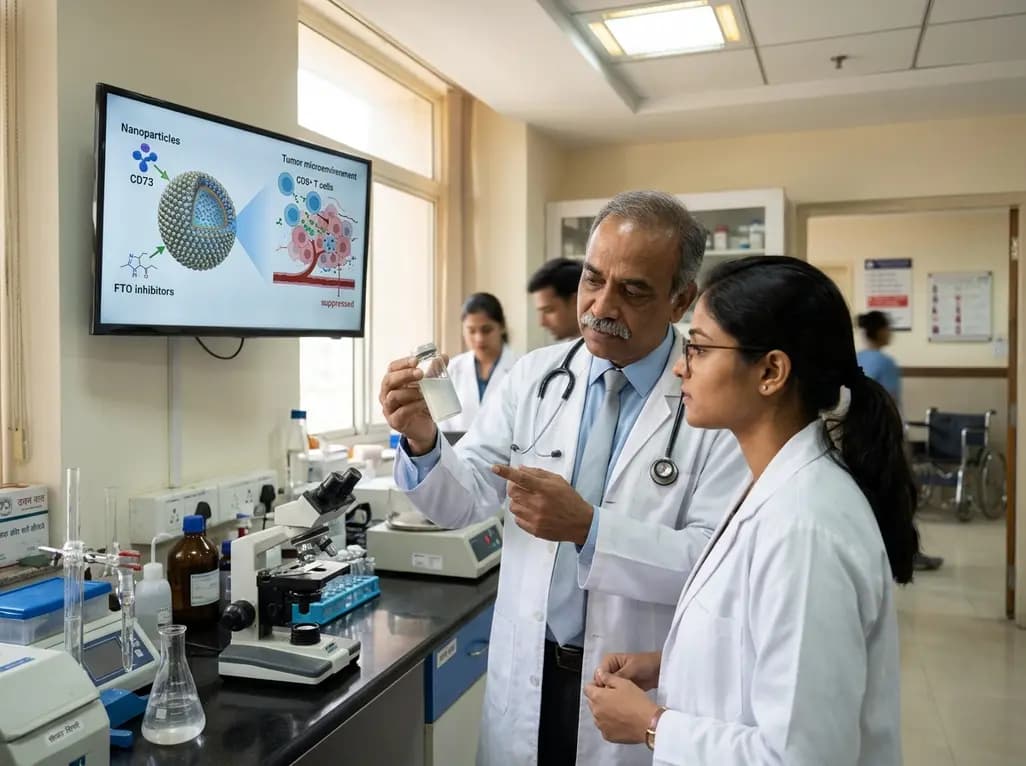
Researchers have engineered dual adenosine-modulating nanoparticles that systematically deliver CD73 and FTO inhibitors. This nanomedicine platform dismantles extracellular adenosine and intracellular m6A checkpoints, restoring cytotoxic CD8+ T cell immunity and preventing post-surgical cancer metastasis.
Today
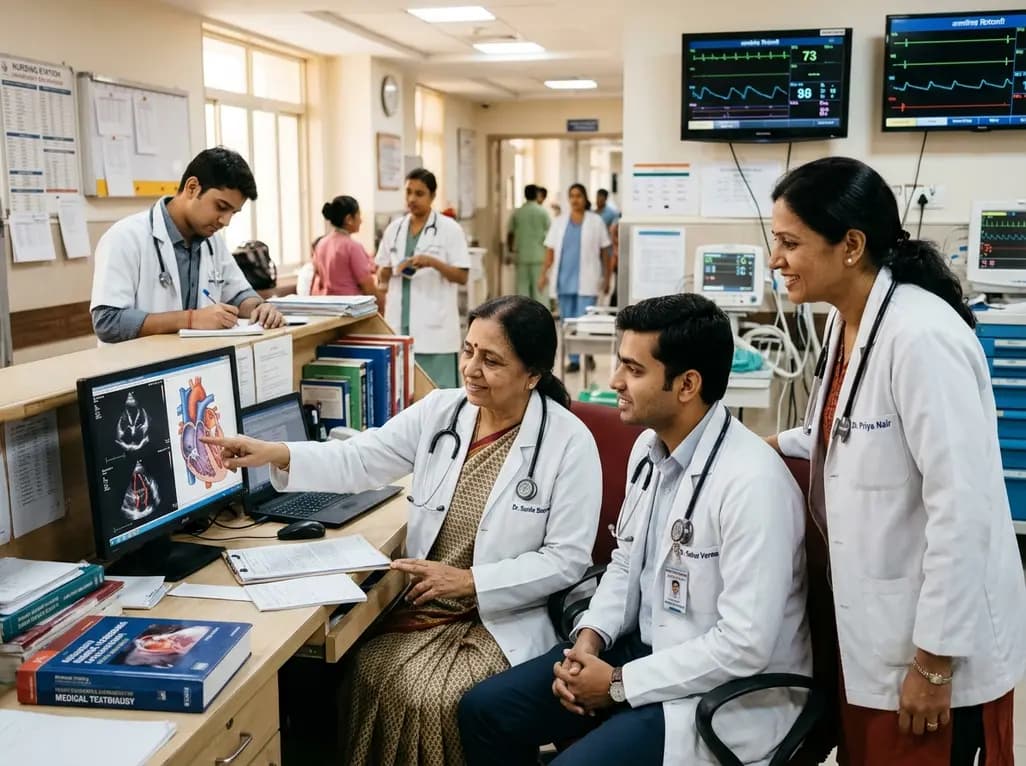
Discover how structured coaching, mentoring, and sponsorship frameworks sustain congenital cardiologists across their careers, enhancing technical competence, well-being, and equity.
Today
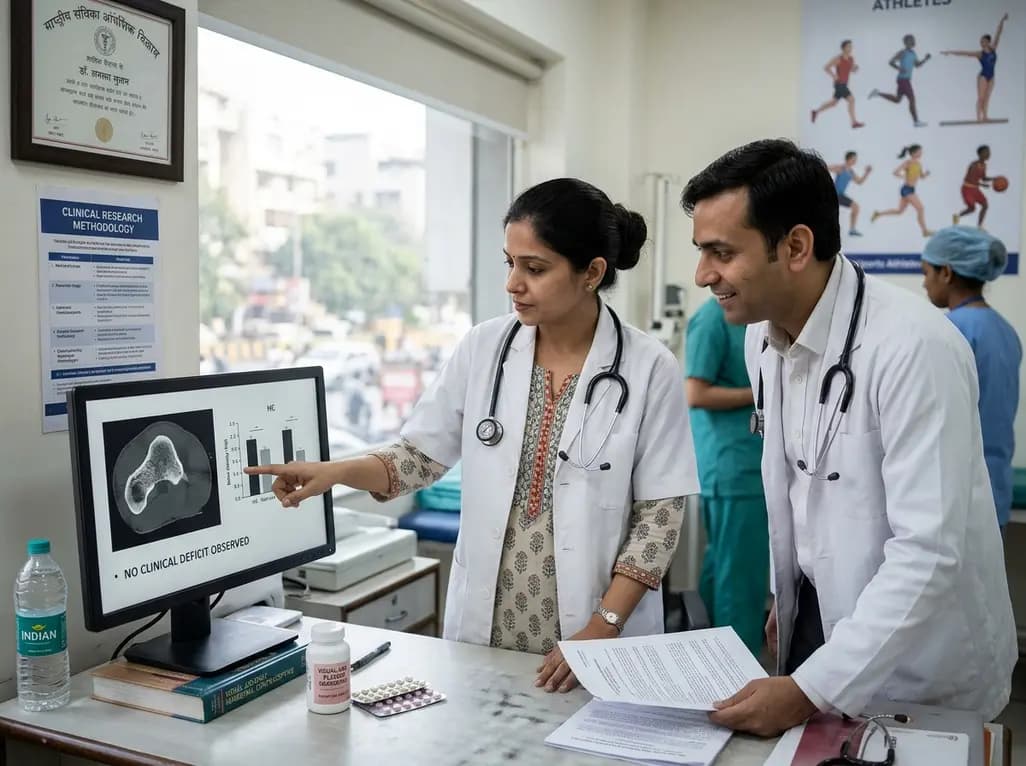
A recent Canadian study evaluates the relationship between hormonal contraceptive use, sport discipline, and volumetric bone density in elite female athletes. Using HR-pQCT, researchers found no clinically meaningful deficits, offering reassuring evidence for sports medicine and gynecology clinicians.
Today
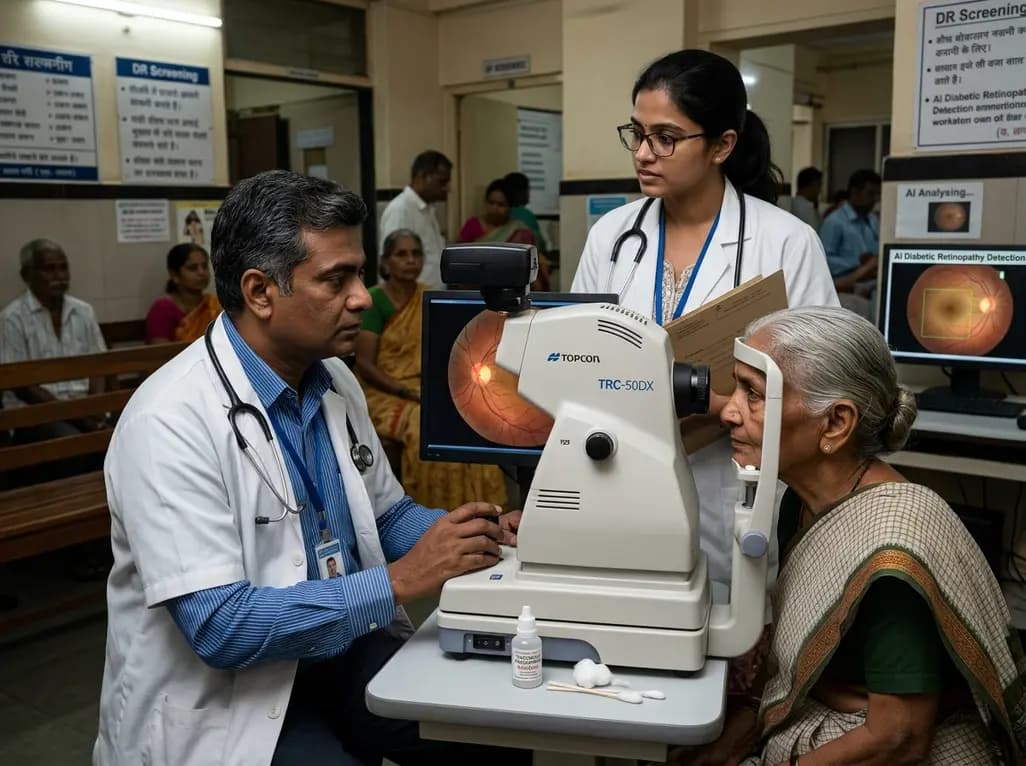
A clinical evaluation in India reveals that pupillary dilation significantly improves image gradeability from 67% to 90% in older adults undergoing AI diabetic retinopathy detection. Pharmacological mydriasis overcomes senile miosis and media opacities, enhancing early diagnostic yield and screening reliability.
Today
