.webp&w=384&q=75)

Loading, please wait...
Loading, please wait...
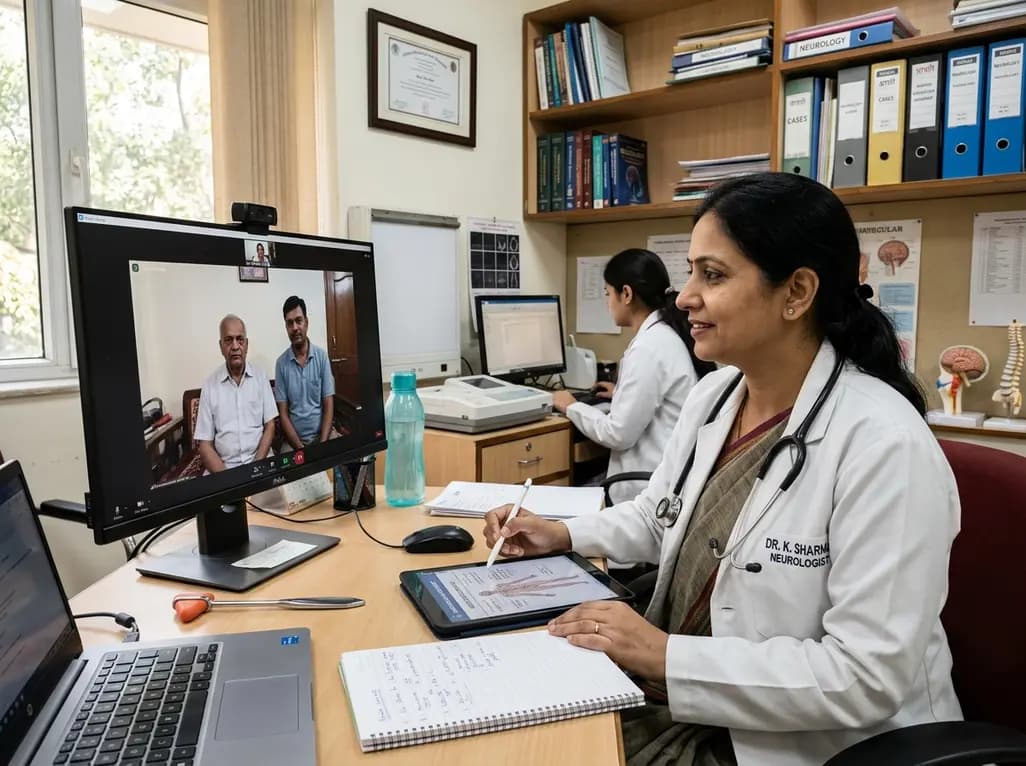
The rapid digital transformation of healthcare has established telemedicine in neuromuscular disease as an essential modality for managing complex, disabling conditions. Neuromuscular disorders, including amyotrophic lateral sclerosis (ALS), myasthenia gravis (MG), and diverse neuropathies, impose severe physical and logistical burdens on patients and caregivers. Consequently, travelling to distant tertiary academic centers frequently causes physical exhaustion, respiratory risk, and substantial financial expenditure. Although remote consultations surged out of absolute necessity during the COVID-19 pandemic, clinicians quickly recognized that direct-to-home virtual platforms offer meaningful advantages. However, transitioning from emergency measures to structured, high-quality virtual care requires rigorous evaluation of diagnostic precision, validated physical metrics, and equitable access. Clinicians must now understand how to balance digital encounters with essential in-person evaluations.
Historically, teleneurology relied heavily on formal hub-and-spoke models where secondary clinics hosted patients while consulting specialists connected from centralized academic hospitals. Consequently, on-site nurses or clinical staff assisted with physical maneuvers, reflex testing, and vital sign checks. However, the pandemic catalyzed an abrupt shift toward direct-to-home virtual visits, bypassing local medical centers entirely. This emergency transition eliminated travel barriers for vulnerable individuals with severe mobility impairments, but it also removed standard physical examination infrastructure.
Patients with chronic disorders such as ALS, generalized myasthenia gravis, and advanced muscular dystrophies benefited immensely from reduced travel fatigue and diminished exposure to nosocomial respiratory pathogens. Moreover, multidisciplinary care teams—comprising neurologists, pulmonologists, physical therapists, speech-language pathologists, and social workers—utilized video platforms to assess home safety and coordinate complex care plans. Caregiver participation increased substantially because family members could join virtual consultations from multiple locations without missing work.
Nevertheless, this rapid operational pivot revealed clear institutional gaps. Many healthcare systems deployed consumer-grade communication tools without standardized neurological assessment templates, electronic health record integration, or robust data security protocols. Therefore, the contemporary challenge involves refining these reactive workflows into standardized, evidence-based virtual care pathways. Clinicians now seek structured frameworks that preserve clinical rigor while retaining patient-centered convenience.
To maintain high clinical standards remotely, neuromuscular specialists developed and validated specialized digital assessment tools and examination protocols. For instance, clinicians routinely employ the Myasthenia Gravis Core Exam alongside patient-reported outcome measures like the MG Activities of Daily Living scale. These structured protocols enable clinicians to evaluate ptosis, diplopia, dysarthria, facial weakness, and neck flexion endurance systematically through high-definition video streaming. Similarly, the revised ALS Functional Rating Scale provides reliable remote tracking of disease progression and functional decline.
In addition to visual exams, wearable sensors and connected home diagnostic devices increasingly bridge the physiological monitoring gap. Patients can now perform home spirometry, measuring forced vital capacity and peak expiratory flow to detect subtle diaphragmatic weakness before acute respiratory distress develops. Continuous nocturnal pulse oximetry and capnography provide critical insights into sleep-disordered breathing, guiding timely non-invasive ventilation initiation. Furthermore, digital hand-grip dynamometers and smartphone-based motor tracking tools capture granular data regarding motor fatigue and diurnal strength fluctuations.
These technological innovations generate dense, longitudinal datasets that reflect real-world functional status far better than sporadic clinic visits. When integrated into secure portals, automated trend alerts notify clinical teams of impending decompensation, facilitating proactive interventions. As a result, remote monitoring empowers proactive symptom management, reduces preventable emergency department visits, and enhances overall clinical oversight.
Despite remarkable advances in digital assessment tools, virtual care entails undeniable diagnostic limitations that clinicians must acknowledge. The fundamental hallmark of neuromuscular evaluation remains the comprehensive, hands-on neurological examination. Virtual encounters cannot reliably assess subtle muscle tone abnormalities, deep tendon reflexes, detailed sensory gradients, or subtle cranial nerve deficits. Furthermore, direct palpation of muscle bulk and fasciculations remains difficult across variable video resolutions and ambient lighting conditions.
More importantly, neuromuscular diagnosis frequently depends on objective neurophysiological and tissue-based diagnostic modalities. Electrodiagnostic studies, including nerve conduction studies, repetitive nerve stimulation, and needle electromyography, require dedicated laboratory equipment and expert hands-on technique. Similarly, muscle biopsies, nerve biopsies, and specialized autonomic reflex testing cannot occur virtually. Attempting to establish primary diagnoses or investigate complex, discrepant clinical presentations entirely via telemedicine introduces a substantial risk of misdiagnosis or delayed therapeutic intervention.
Therefore, professional guidelines strongly emphasize that initial diagnostic workups and acute, unexplained deteriorations demand comprehensive in-person evaluations. Virtual encounters serve best as longitudinal follow-up mechanisms for established conditions rather than primary diagnostic replacements. Clinicians must exercise sound clinical judgment, maintaining low thresholds for transitioning patients from virtual visits to comprehensive in-person consultations whenever diagnostic certainty wavers or new red-flag symptoms arise.
Although telemedicine promises democratized healthcare access, it can paradoxically widen health disparities among socially and economically disadvantaged patient populations. Effective virtual care requires reliable high-speed broadband internet, modern digital hardware, secure software interfaces, and adequate digital literacy. Unfortunately, patients in rural communities, lower socioeconomic strata, and underserved demographic groups frequently lack these essential resources. Consequently, digital exclusion directly impairs their ability to receive timely neuromuscular specialist consultations.
Furthermore, physical disability itself creates unique accessibility challenges. Patients with advanced neuromuscular disease often experience severe upper limb weakness, severe dysarthria, or visual impairments that make navigating standard touchscreens, patient portals, and video interfaces extraordinarily difficult. Without dedicated caregiver assistance or specialized assistive technology, such patients cannot easily participate independently in virtual encounters. Language barriers, cognitive changes, and limited institutional technical support further compound these persistent inequities.
Healthcare organizations and policymakers must actively address these systemic obstacles to ensure universal care access. Practical solutions include providing subsidized connected devices, simplifying user interfaces, offering dedicated digital navigators, and establishing community-level telemedicine kiosks in local primary clinics. In addition, reimbursement parity for audio-only consultations and telephone visits remains crucial for patients who cannot maintain stable video connections. Without deliberate equity-focused strategies, digital health innovations risk deepening systemic divides.
Moving beyond emergency adaptation, the future of neuromuscular medicine lies within an integrated, hybrid paradigm of care. Rather than viewing virtual visits and face-to-face appointments as competing modalities, healthcare systems must combine their complementary strengths strategically. In this hybrid model, patients undergo initial diagnostic evaluations, comprehensive neurophysiological testing, and formal physical staging in the physical clinic. Subsequent routine monitoring, medication titration, laboratory review, and stable follow-up visits transition smoothly to the virtual setting.
Moreover, hybrid models allow dynamic scheduling based on clinical stability and personalized patient risk stratification. Stable patients with established myasthenia gravis or slowly progressive neuropathies can enjoy routine virtual check-ins, reducing financial and physical travel strains. Conversely, the emergence of progressive bulbar dysfunction, rapid respiratory decline, or sudden treatment resistance immediately triggers an expedited in-person assessment. Multidisciplinary teams can also conduct alternating virtual conferences, maintaining continuous multidisciplinary collaboration while optimizing clinical efficiency.
Ultimately, realizing the full potential of virtual neuromuscular care requires ongoing clinical research and quality improvement initiatives. Future studies must evaluate longitudinal clinical outcomes, patient quality of life, cost-effectiveness, and provider sustainability across diverse populations. By establishing robust clinical practice guidelines, validated digital outcome measures, and supportive regulatory frameworks, the neuromuscular community can ensure that virtual care delivers safe, compassionate, and high-quality neurological management.
Clinicians cannot reliably establish primary neuromuscular diagnoses solely through telemedicine consultations. Comprehensive evaluations require hands-on assessments of muscle tone, deep tendon reflexes, and subtle sensory changes, alongside indispensable electrodiagnostic testing like electromyography and nerve conduction studies. Therefore, expert consensus guidelines recommend face-to-face visits for initial evaluations, reserve virtual consultations for ongoing disease monitoring, and advise prompt in-person reassessments whenever diagnostic certainty is questioned or atypical symptoms emerge.
Neurologists utilize validated digital tools, including the Myasthenia Gravis Core Exam and the MG Activities of Daily Living scale, to assess bulbar and ocular symptoms remotely. For amyotrophic lateral sclerosis, the revised ALS Functional Rating Scale provides robust longitudinal functional monitoring. Furthermore, connected home spirometry devices, nocturnal pulse oximeters, and digital dynamometers allow continuous physiological monitoring, alerting multidisciplinary care teams to subtle respiratory decline or progressive motor weakness promptly.
Health systems can overcome digital disparities by deploying dedicated technical navigators, simplifying digital portal interfaces, and providing subsidized hardware or high-speed connectivity to underserved populations. Additionally, establishing local community telehealth kiosks and supporting audio-only telephone visits ensures continuity of care for individuals lacking broadband infrastructure. Designing accessible interfaces that accommodate severe upper limb weakness, dysarthria, and visual impairments is equally vital for ensuring equitable neuromuscular care.
Disclaimer: This content is for informational and educational purposes only and should not be considered as medical advice. Healthcare professionals should exercise their clinical judgment when applying this information. Refer to the latest local and national guidelines for clinical practice.
References

Read summarized clinical updates, watch expert medical content, and earn CME certifications right from your smartphone.
Open your smartphone camera to scan and install.





An analysis of virtual care in neuromuscular disease management, detailing validated remote clinical tools, diagnostic limitations, digital equity barriers, and the transition toward integrated hybrid care paradigms.
last month

India's antidepressant market crossed Rs 2,842 crore in 2026 even as unit sales declined. Clinicians analyze the shift toward newer drugs, widespread clonazepam combination use, social media-driven self-diagnosis, and persistent treatment gaps to assess genuine therapeutic recovery across diverse patient groups.
Today
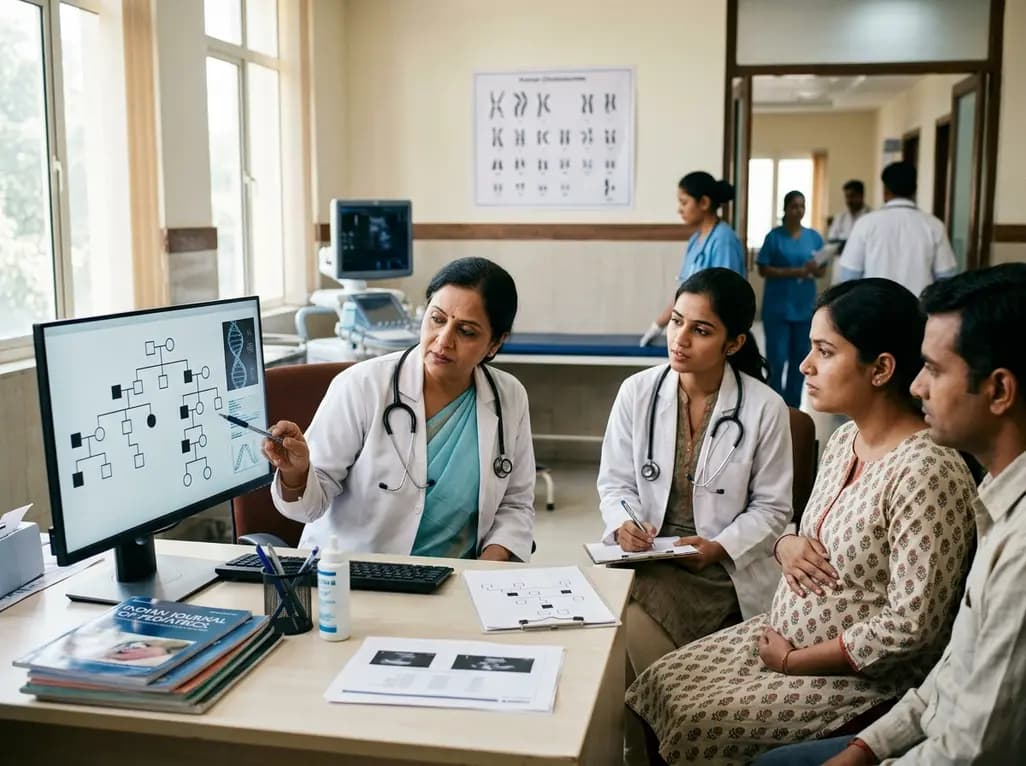
Integrating adult genetic services into reproductive and pregnancy care substantially alters clinical management. A study reveals that diagnostic genetic evaluations directly inform maternal, fetal, and neonatal care in nearly 57% of tested patients, highlighting the value of preconception and antenatal genomics.
Today
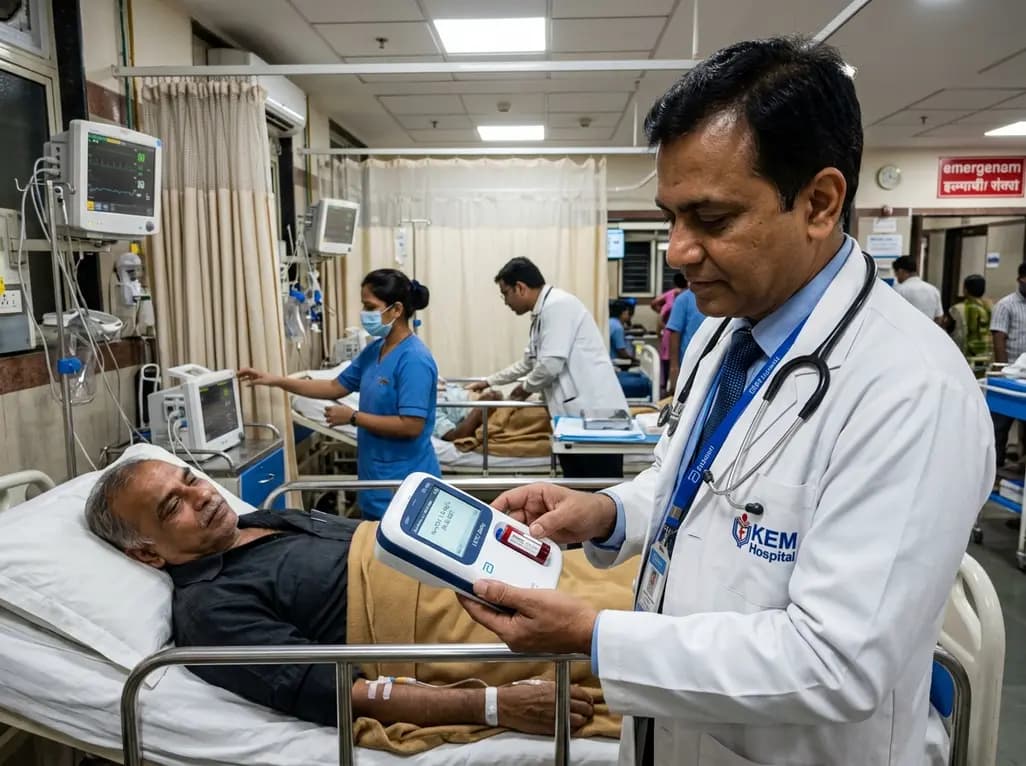
A real-world emergency department evaluation demonstrates that the Abbott i-STAT Alinity point-of-care high-sensitivity troponin I assay achieves excellent analytical precision and safely rules out myocardial infarction without false negatives, offering rapid bedside results to decongest acute care pathways.
Today
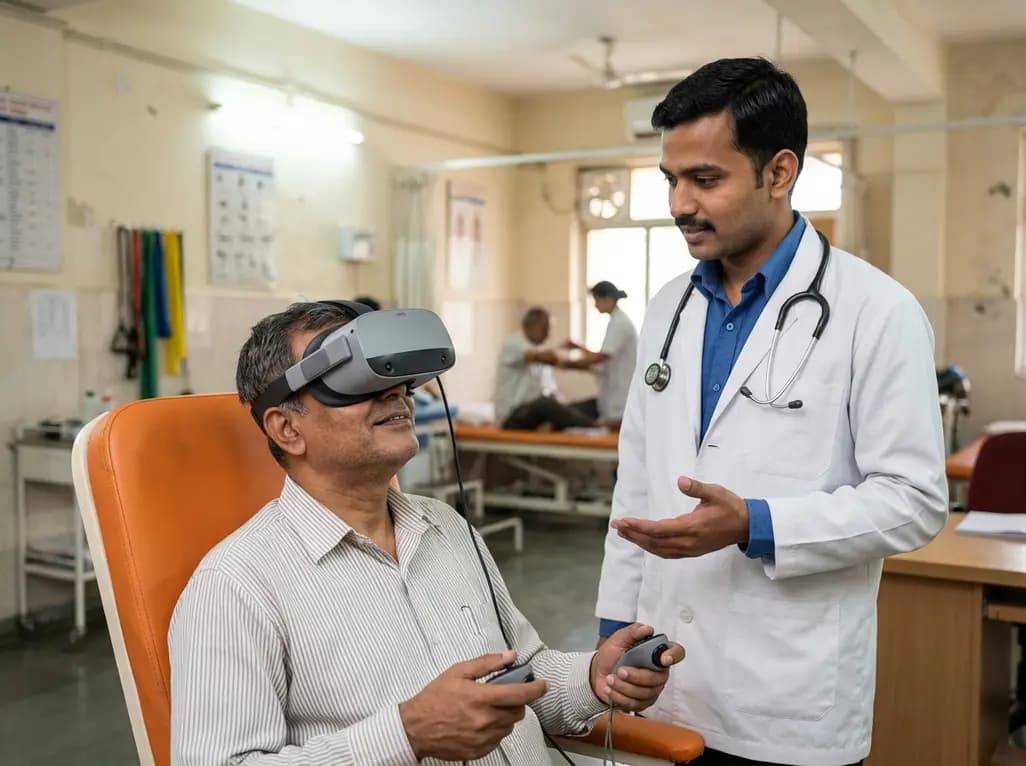
A recent scoping review highlights the efficacy, usability, and patient satisfaction of virtual reality pain management for chronic musculoskeletal pain, emphasizing psychotherapy-based VR protocols.
Today
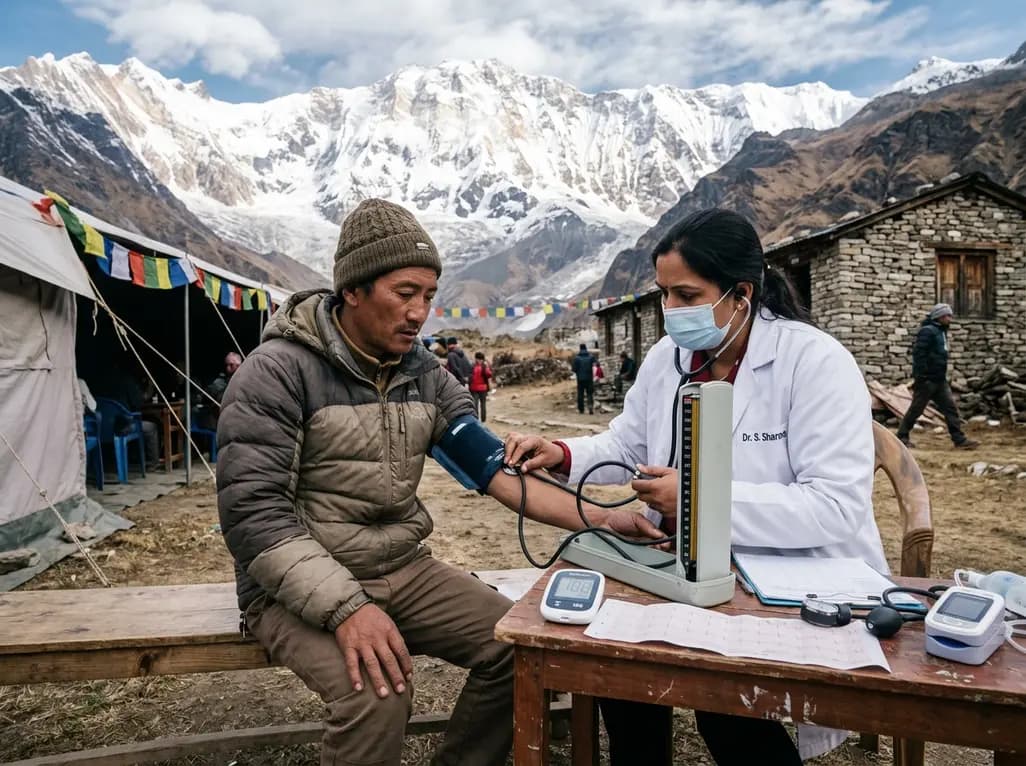
A cross-sectional study in Nepal evaluates cardiovascular risk factors among adults working above 4,000 meters. The findings reveal unexpected rates of diabetes, hypertension, and mountain sickness, underscoring the urgent need for targeted cardiometabolic screening in high-altitude occupational cohorts.
Today
