.webp&w=384&q=75)

Loading, please wait...
Loading, please wait...

The antidepressant market in India recently crossed Rs 2,842 crore, presenting an intriguing paradox for modern healthcare providers. Commercial pharmaceutical tracking demonstrates that overall sales value expanded by 8.63 percent over the past twelve months. In contrast, total unit volume sales dropped by 0.76 percent during the identical period. Therefore, higher revenue does not automatically confirm that more patients are receiving therapeutic interventions. Escalating academic stress, workplace burnout, loneliness, and domestic conflict push diverse demographics toward psychiatric consultations. Nevertheless, sales figures alone cannot reveal patient recovery rates. Clinicians across India must look beyond commercial indicators to evaluate therapeutic success, medication rationalization, and long-term mental health outcomes.
PharmaTrac data indicates that the therapeutic mood-drug segment expanded from Rs 1,972.6 crore in September 2022 to Rs 2,842.1 crore in September 2026. This trajectory reflects robust monetary expansion across the country. However, the unexpected drop in unit volumes challenges conventional clinical assumptions. When unit consumption contracts while gross turnover surges, altered pricing structures and premium product selections largely explain the divergence. In addition, transitions toward extended-release formulations and higher medication strengths can inflate overall market valuations without expanding the treated population. Consequently, clinicians cannot equate commercial pharmaceutical growth with widened patient access. Neurologists and psychiatrists emphasize that genuine epidemiological assessments demand verified patient registries rather than retail sales tallies. Furthermore, commercial revenues obscure stark geographic disparities between well-served urban tertiary centers and neglected rural communities. Healthcare providers must also investigate whether rising treatment expenses impede long-term adherence for lower-income households. While corporate data proves pharmaceutical industry profitability, it cannot document functional disease remission or symptom resolution. Thus, medical professionals must interpret retail market metrics with rigorous clinical discernment. Therefore, understanding prescription patterns requires careful tracking of individual patient journeys rather than aggregate retail data. Clinicians must verify whether patients receive sustained therapy or merely experience transient medication purchases.
Prescription patterns reveal dynamic changes across various psychotropic compounds within the antidepressant market in India. For example, sertraline recorded remarkable growth, with retail revenues jumping 23.45 percent to reach Rs 208.4 crore. Similarly, desvenlafaxine sales surged 20.45 percent to Rs 138.7 crore, highlighting an increased clinician preference for dual-action serotonin-norepinephrine reuptake inhibitors. Meanwhile, duloxetine generated Rs 210.9 crore after an 8 percent annual growth, finding frequent application in managing concurrent depression and chronic neuropathic pain. Standalone escitalopram exhibited steady growth of 2.8 percent, delivering Rs 246.9 crore in total sales. Furthermore, atypical agents like mirtazapine grew by 11.4 percent to Rs 101.4 crore, driven by its beneficial sedative profile in insomnia. Tricyclic antidepressants, represented by amitriptyline, sustained modest expansion at 3 percent. These varied trajectories indicate that Indian clinicians increasingly tailor antidepressant selection to individual symptom profiles, tolerability, and comorbid medical conditions. Notably, private psychiatry consultations report substantial increases in patient volume, especially among working professionals and younger adults. Consequently, personalized psychopharmacology is actively replacing generalized prescription habits in major urban clinics. Additionally, tertiary care specialists observe that modern second-generation antidepressants offer improved tolerability profiles over older agents. Consequently, these medications promote better maintenance therapy across diverse patient age brackets.
The enduring popularity of fixed-dose psychiatric combinations presents unique pharmacological and clinical challenges. Specifically, the combination of escitalopram and clonazepam remains the single largest product segment, capturing approximately one-fourth of the entire market. This specific formulation expanded by 10.51 percent, generating an astounding Rs 710.4 crore. Similarly, paroxetine combined with clonazepam grew 16.9 percent to Rs 111.5 crore. Selective serotonin reuptake inhibitors require several weeks to produce therapeutic effects. Therefore, clinicians frequently add clonazepam, a potent benzodiazepine, to achieve rapid symptomatic relief for acute anxiety, agitation, and panic. However, prominent psychiatrists warn against transforming short-term symptomatic bridges into open-ended maintenance regimens. Prolonged benzodiazepine therapy carries considerable risks, including physiological dependence, cognitive blunting, daytime sedation, and severe withdrawal syndromes upon cessation. Unfortunately, retail sales databases cannot determine whether general practitioners taper these sedative agents appropriately. Clinicians must actively monitor prescription duration, schedule disciplined dosage reductions, and avoid routine combination renewals. Prioritizing standalone antidepressants with adjunct non-pharmacological therapies remains the safer therapeutic strategy for chronic depressive disorders. Furthermore, regulatory authorities classify benzodiazepines under Schedule H1 to deter irrational dispensing and dependence. Consequently, physicians must exercise heightened vigilance when writing repeat prescriptions for combination products. Regular clinical audits can prevent inadvertent long-term dependence among vulnerable psychiatric patients.
Digital media platforms have significantly lowered mental health stigma, but they also introduce distinct clinical hurdles. Today, approximately twenty percent of new psychiatric outpatients initiate consultations after consuming social media content. Furthermore, nearly ten percent arrive with preconceived self-diagnoses and entrenched demands for specific pharmaceutical agents. While heightened awareness encourages early help-seeking, unvetted online algorithms frequently pathologize normal psychological distress, grief, and transient burnout. In addition, excessive internet browsing regarding rare pharmacological adverse effects fuels severe treatment apprehension. Consequently, premature medication discontinuation represents a widespread challenge in outpatient care. Clinicians report that more than half of psychiatric patients stop taking prescribed antidepressants prematurely. Some patients abandon therapy once early symptom improvement occurs, mistakenly believing they have achieved permanent cure. Others discontinue therapy abruptly due to fears of chemical dependency or mild initial gastrointestinal discomfort. Unfortunately, sudden drug cessation substantially elevates the probability of depressive relapse, symptom exacerbation, and discontinuation syndrome. Therefore, medical practitioners must provide thorough psychoeducation during the initial consultation, setting clear expectations regarding treatment duration and supervised tapering. Moreover, clinicians should actively address misconceptions surrounding psychiatric medications during routine follow-ups. Clear communication builds therapeutic alliance, reinforces adherence, and safeguards patients against unverified internet claims.
Evaluating India’s mental healthcare progress demands rigorous metrics that extend beyond corporate sales expansion. While commercial revenue expands continuously, millions of citizens remain completely devoid of necessary psychiatric care. For instance, a landmark study published in JAMA Psychiatry estimated that 8.6 percent of Indian adults aged 45 years and older experience depression. Alarmingly, only 1.6 percent of those affected individuals had received formal medical treatment. This massive treatment gap highlights systemic shortages in specialized psychiatric infrastructure across tier-two cities and rural districts. Furthermore, financial constraints, social stigma, and sparse mental health staffing perpetuate this diagnostic deficit. To bridge this formidable divide, general physicians and primary healthcare workers must play an expanded role in frontline screening. Utilizing validated instruments like the PHQ-9 allows family practitioners to detect depressive disorders early during routine general consultations. Primary care doctors can manage mild cases through supportive counseling while referring complex cases to specialist psychiatrists. Ultimately, public health stakeholders must evaluate clinical success through reduced suicide mortality, functional patient rehabilitation, and equitable therapeutic access rather than commercial sales growth. In addition, integrating mental healthcare into national primary health networks can democratize essential therapies. Sustainable progress requires ensuring that high-quality psychiatric interventions reach underprivileged demographics across all Indian states.
Q1: Why is the antidepressant market value rising while unit sales are declining in India?
The divergence between sales value and unit volume occurs primarily due to pharmaceutical pricing revisions, market transitions toward premium extended-release formulations, and higher therapeutic dosages. Additionally, clinicians are prescribing newer second-generation molecules that carry higher price points than older generic agents. Consequently, gross pharmaceutical turnover increases significantly even when the actual volume of dispensed tablet units experiences a slight decline across national retail pharmacies.
Q2: What clinical risks are associated with long-term use of escitalopram and clonazepam combinations?
While clonazepam rapidly alleviates acute anxiety symptoms during the initiation phase of antidepressant therapy, extended benzodiazepine consumption creates considerable clinical hazards. Prolonged use frequently leads to pharmacological tolerance, physiological dependence, motor impairment, and persistent daytime drowsiness. Furthermore, abrupt discontinuation after long-term administration can trigger severe rebound anxiety and withdrawal symptoms. Therefore, clinicians must systematically taper and discontinue clonazepam once the antidepressant achieves therapeutic efficacy.
Q3: Why do many psychiatric patients discontinue antidepressant medication prematurely?
Many patients discontinue antidepressants prematurely because they misunderstand the required course of therapy. Often, individuals stop taking tablets immediately upon feeling initial symptom relief, assuming their illness has resolved. Additionally, misplaced fears regarding drug dependence, social media misinformation, and mild initial side effects prompt unsupervised cessation. Unfortunately, premature discontinuation drastically escalates the risk of clinical relapse, treatment resistance, and distressing antidepressant withdrawal effects.
Disclaimer: This content is for informational and educational purposes only. It does not constitute medical advice or replace professional judgment. Refer to the latest local and national guidelines for clinical practice.
References

Read summarized clinical updates, watch expert medical content, and earn CME certifications right from your smartphone.
Open your smartphone camera to scan and install.





India's antidepressant market crossed Rs 2,842 crore in 2026 even as unit sales declined. Clinicians analyze the shift toward newer drugs, widespread clonazepam combination use, social media-driven self-diagnosis, and persistent treatment gaps to assess genuine therapeutic recovery across diverse patient groups.
Today

Integrating adult genetic services into reproductive and pregnancy care substantially alters clinical management. A study reveals that diagnostic genetic evaluations directly inform maternal, fetal, and neonatal care in nearly 57% of tested patients, highlighting the value of preconception and antenatal genomics.
Today
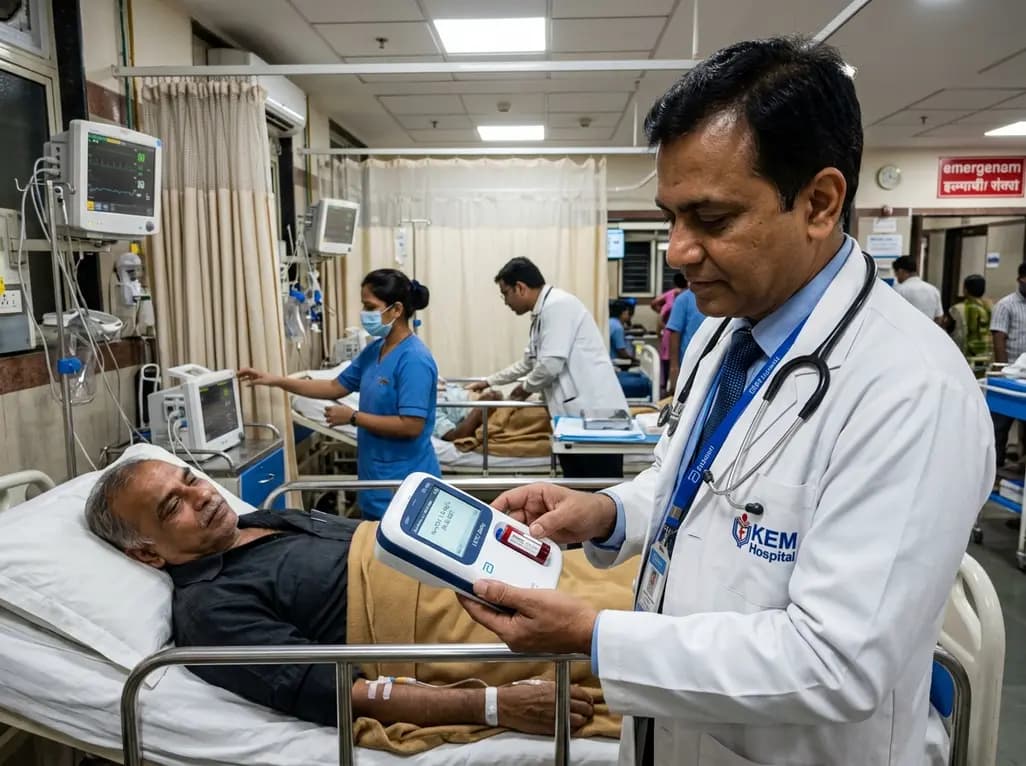
A real-world emergency department evaluation demonstrates that the Abbott i-STAT Alinity point-of-care high-sensitivity troponin I assay achieves excellent analytical precision and safely rules out myocardial infarction without false negatives, offering rapid bedside results to decongest acute care pathways.
Today
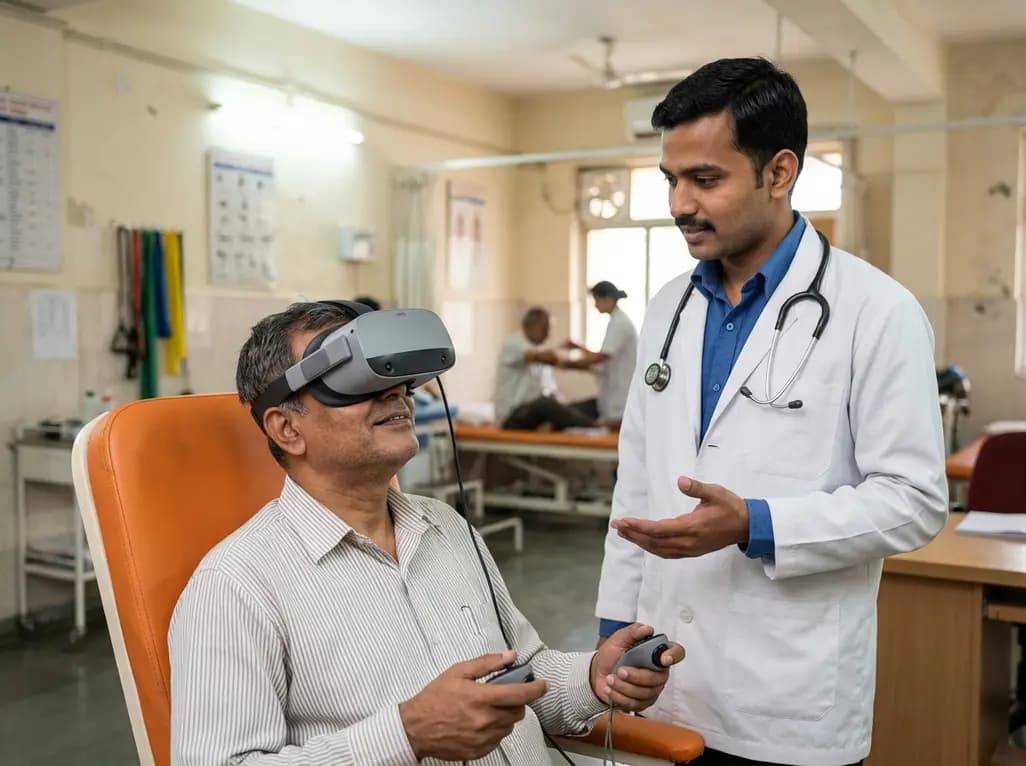
A recent scoping review highlights the efficacy, usability, and patient satisfaction of virtual reality pain management for chronic musculoskeletal pain, emphasizing psychotherapy-based VR protocols.
Today

A cross-sectional study in Nepal evaluates cardiovascular risk factors among adults working above 4,000 meters. The findings reveal unexpected rates of diabetes, hypertension, and mountain sickness, underscoring the urgent need for targeted cardiometabolic screening in high-altitude occupational cohorts.
Today
