.webp&w=384&q=75)

Loading, please wait...
Loading, please wait...
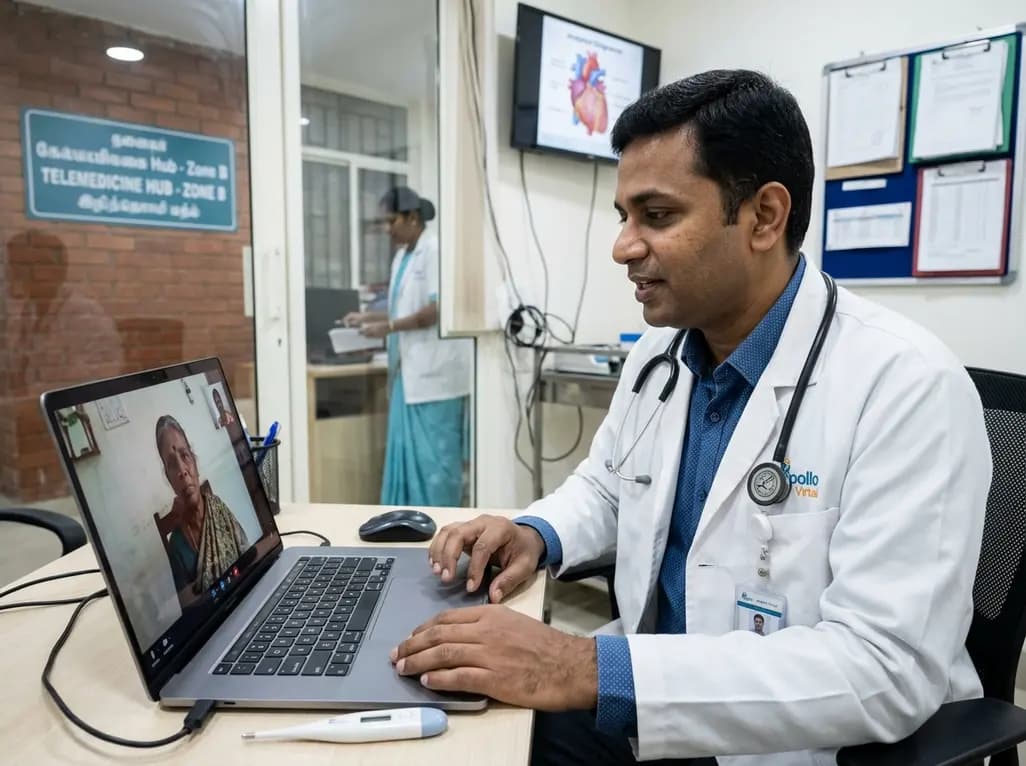
The global expansion of digital health radically restructured healthcare delivery during the pandemic crisis. However, sustaining long-term telemedicine adoption requires genuine clinician engagement and institutional support. When health systems shifted outpatient visits to virtual formats, patients expressed immediate and overwhelming satisfaction. In contrast, healthcare providers experienced significant technical friction and administrative burden. To address this persistent operational gap, Sheba Medical Center established Sheba BEYOND as a dedicated virtual hospital. A follow-up longitudinal survey in 2025 evaluated how targeted structural interventions affect provider sentiment, workflow integration, and professional satisfaction.
The rapid shift toward remote consultations exposed an unexpected division between patient enthusiasm and physician morale. While patient satisfaction exceeded nearly ninety percent, only thirty-eight percent of clinicians reported high satisfaction during early implementations. Consequently, medical leadership recognized that patient convenience alone cannot sustain digital healthcare models. Physicians frequently navigated clunky electronic medical record interfaces and unpredictable scheduling queues. Furthermore, providers worried about diagnostic precision when conducting remote assessments without physical contact. Clinicians often completed telehealth visits outside their contracted clinic hours, which worsened professional burnout. In addition, doctors struggled to maintain strong interpersonal rapport across unstable audio-video connections. Therefore, hospital leaders needed structural solutions to prevent practitioners from abandoning remote practice altogether. Sheba Medical Center established a dedicated virtual hospital infrastructure to address these specific operational deficits. By centralizing technical support, the institution sought to build a sustainable digital workflow for both specialists and general practitioners.
Rather than relying on decentralized departmental efforts, modern health systems increasingly establish dedicated virtual hospital divisions. Specifically, Sheba BEYOND provided practitioners with purpose-built digital software, automated scheduling pipelines, and designated clinical coordinators. Consequently, clinicians no longer handled technical troubleshooting or patient onboarding independently. Administrative teams conducted pre-visit digital screenings to resolve software malfunctions before doctors entered the virtual room. Furthermore, integrated platforms enabled physicians to review longitudinal electronic records and previous diagnostic imaging without switching applications. In addition, institutions introduced specialized medical peripherals for remote physical evaluations. These connected devices facilitated real-time electronic auscultation and high-resolution examination of mucosal surfaces. As a result, participating clinicians reported greater clinical confidence when evaluating complex patient presentations remotely. Institutionalizing telehealth through a centralized operational structure transformed informal video visits into a dependable, professional standard of care.
In 2025, researchers conducted an anonymous survey across outpatient clinics to evaluate long-term provider sentiment. Specifically, the study classified respondents into active users and nonusers based on consultation frequency. The survey assessed user experience, workflow integration, perceived patient benefit, and remaining operational barriers. Furthermore, investigators utilized rigorous statistical methods, including chi-square tests and two-tailed t-tests, to assess longitudinal changes from baseline. The findings revealed notable improvements in overall provider satisfaction among regular telehealth users. Clinicians recognized that remote consultations improved access for rural patients and individuals with limited mobility. Nevertheless, distinct barriers persisted among practitioners who rarely engaged with the virtual hospital. Nonusers frequently cited anxiety regarding medicolegal liability and the absence of tactile examinations. Similarly, periodic audio-video lag continued to frustrate experienced physicians during busy clinical sessions. Therefore, technological reliability and targeted training remain paramount for driving clinical engagement.
Although centralized virtual hospital frameworks reduced administrative overhead, several systemic challenges still hinder universal adoption. For example, hybrid scheduling models create severe cognitive fatigue when physicians alternate rapidly between in-person patients and video visits. Consequently, clinicians repeatedly request protected scheduling blocks dedicated exclusively to telehealth consultations. Furthermore, specialty-specific constraints restrict virtual care in surgical and procedural fields. While endocrinologists and psychiatrists thrive in digital consultations, orthopedists and interventional cardiologists encounter obvious diagnostic limitations. In addition, interoperability deficits between outside diagnostic facilities and regional registries force physicians to engage in redundant documentation. Clinicians must manually verify external laboratory values and medication lists across fragmented systems. Therefore, health systems must implement intelligent clinical triage systems to ensure only clinically suitable cases receive virtual appointments. By filtering out complex complaints requiring hands-on examination, hospitals can optimize clinical time and protect diagnostic safety.
Healthcare organizations must implement proactive managerial strategies to sustain clinician engagement in virtual healthcare delivery. First, hospital leadership should establish separated clinic rosters to eliminate the cognitive friction of hybrid scheduling. Consequently, doctors can concentrate entirely on virtual patients without distractions from crowded physical waiting rooms. Second, institutions must maintain dedicated technical support teams that prepare patients before each video session begins. When support staff resolve connectivity glitches in advance, physicians can direct their entire scheduled time toward clinical decision-making. Third, departmental heads must establish clear clinical guidelines detailing which clinical scenarios are suitable for remote encounters. Moreover, healthcare administrators must design equitable compensation models that reflect the time required for comprehensive virtual care and asynchronous messaging. Finally, hospital directors should conduct regular clinician pulse surveys to guide software upgrades and administrative refinements. Through these collaborative efforts, health systems can maintain resilient virtual care ecosystems that serve patients and clinicians effectively.
Early telemedicine rollouts prioritized patient convenience and infection control over provider workflow. Consequently, physicians encountered clunky electronic health record interfaces, abrupt scheduling changes, and absent administrative support. Doctors also faced diagnostic uncertainty because they lacked remote examination tools. While patients appreciated avoiding hospital travel, clinicians absorbed significant technical stress and uncompensated documentation duties. Therefore, early satisfaction scores among healthcare providers remained considerably lower than patient approval ratings.
A virtual hospital provides dedicated operational infrastructure rather than forcing doctors to improvise remote consultations. Specifically, administrative teams manage patient onboarding, test internet connections, and verify clinical records before consultations begin. Furthermore, integrated digital platforms allow seamless chart reviews and orders without platform switching. By protecting clinicians from administrative friction and technical troubleshooting, this model minimizes cognitive fatigue, enhances diagnostic confidence, and promotes sustained professional participation across diverse medical specialties.
Physicians frequently report technical instability, electronic health record fragmentation, and medicolegal uncertainties as major ongoing barriers. In addition, inadequate clinical triage often directs complex patients requiring physical palpation into virtual queues, frustrating both parties. Providers also struggle with hybrid clinic schedules that force rapid alternation between in-person and digital visits. Without protected virtual blocks, standardized triage guidelines, and reliable technical assistance, many practitioners remain hesitant to integrate telehealth into routine clinical practice.
Disclaimer: This content is for informational and educational purposes only. It is not intended to substitute for professional medical advice, diagnosis, or treatment. Always seek the advice of your physician or other qualified health provider with any questions you may have regarding a medical condition or treatment options. Never disregard professional medical advice or delay in seeking it because of something you have read here. The findings, views, and data presented are derived from published medical research and are provided for educational review and discussion among healthcare professionals. Refer to the latest local and national guidelines for clinical practice.
References

Read summarized clinical updates, watch expert medical content, and earn CME certifications right from your smartphone.
Open your smartphone camera to scan and install.





A longitudinal study evaluates clinician satisfaction and persistent workflow barriers in telemedicine adoption after the implementation of a dedicated virtual hospital model, highlighting the critical role of institutional infrastructure.
last month

As monsoon seasons elevate arboviral disease threats, Tamil Nadu has initiated an ICMR-monitored evaluation of the tetravalent dengue vaccine in Tenkasi district. Clinicians emphasize clinical monitoring, public prevention, and high-quality early pediatric care to reduce disease morbidity across endemic regions.
Today

Leucine Rich Bio has introduced South Asia's first comprehensive vaginal microbiome test, BugSpeaks. By profiling microbial dysbiosis, pathogens, and antimicrobial resistance, this next-generation diagnostic platform provides clinicians with deeper insights into recurrent infections, fertility, and reproductive health.
Today

Review how tailored exercise programs benefit frail older patients with heart failure. Explore pathophysiological mechanisms, individualized training prescriptions, and strategies to overcome adherence barriers in clinical practice.
Today

This comparative study evaluates posterior labral tears with and without glenohumeral instability, highlighting distinct demographic patterns, MRI underestimation in stable shoulders, and successful arthroscopic repair outcomes.
Today

A clinical study demonstrates that early intervention with tocilizumab, either as monotherapy or bridged with corticosteroids, achieves significant proptosis reduction and resolves active inflammation in treatment-naive thyroid eye disease.
Today
