.webp&w=384&q=75)

Loading, please wait...
Loading, please wait...

Optimizing in-hospital cardiac arrest survival remains a vital priority across modern acute healthcare systems. Over the past two decades, advances in resuscitation protocols have significantly improved acute resuscitation success. Consequently, more patients achieve return of spontaneous circulation (ROSC). However, postresuscitation survival has remained stagnant over this period. Surviving the initial cardiac arrest represents only the first step in resuscitation care. A landmark registry study in the Journal of the American Heart Association illuminates wide institutional variations in post-ROSC outcomes and links these disparities directly to hospital-area social deprivation.
To evaluate variations in postresuscitation care, researchers analyzed records from the American Heart Association Get With The Guidelines-Resuscitation registry linked to the American Hospital Association survey. The study examined 206,467 adult patients with sustained return of spontaneous circulation across 755 hospitals from 2001 to 2024. Among this large cohort, only 71,691 patients (34.7%) survived to hospital discharge.
Furthermore, investigators calculated risk-standardized survival rates by comparing predicted survival against expected population-averaged survival. This method effectively controlled for underlying patient illness severity. Notably, the median risk-standardized survival rate stood at 33.9%, with an interquartile range from 32.6% to 35.1%. However, survival varied dramatically across hospitals, ranging from 25.0% to 44.8%.
Therefore, this substantial nineteen-point gap reveals that postresuscitation survival depends heavily on the specific admitting hospital. While top-performing hospitals discharge nearly half of their post-ROSC patients alive, lower-performing centers lose three out of four patients. Consequently, these findings highlight marked differences in post-arrest critical care delivery.
In addition to evaluating institutional performance, researchers analyzed whether local socioeconomic conditions correlate with post-arrest outcomes. Accordingly, investigators linked 595 participating hospitals to the Social Deprivation Index using ZIP Code Tabulation Areas. They then divided institutions into quartiles based on neighborhood deprivation scores.
Patients treated at hospitals in the lowest Social Deprivation Index quartile experienced significantly superior survival compared to those in the highest quartile. Specifically, least-deprived hospitals demonstrated higher risk-standardized survival rates, with an adjusted odds ratio of 1.13. However, this relationship was not monotonic across intermediate quartiles, indicating complex institutional interactions.
Moreover, hospitals in high-deprivation areas recorded significantly higher proportions of early postresuscitation fever and early death. Hyperthermia accelerates secondary neurological injury after ischemia-reperfusion. Therefore, higher fever rates strongly suggest inconsistent delivery of timely post-ROSC neuroprotective care. Consequently, community-level deprivation creates tangible disparities that threaten in-hospital cardiac arrest survival in disadvantaged populations.
To improve patient outcomes, clinicians must understand the complex pathophysiology driving post-cardiac arrest syndrome. When patients achieve sustained circulation, reperfusion triggers a severe inflammatory response resembling septic shock. Whole-body ischemia-reperfusion releases reactive oxygen species, cytokines, and endotoxins into the systemic circulation. Consequently, microvascular dysfunction and systemic endothelial injury develop rapidly.
In addition, myocardial stunning occurs frequently after resuscitation. This transient dysfunction causes hemodynamic instability, hypotension, and recurrent arrest. Meanwhile, anoxic-ischemic brain injury represents the primary cause of post-arrest death and disability. During ischemia, neuronal energy failure triggers intracellular calcium overload, glutamate excitotoxicity, and microvascular thrombosis.
Furthermore, reperfusion often worsens secondary neuronal damage. Post-arrest cerebral autoregulation becomes impaired, leaving cerebral perfusion vulnerable to mean arterial pressure fluctuations. Because hyperthermia dramatically increases cerebral metabolic demands, unmanaged fever accelerates ischemic injury. Therefore, clinicians must initiate aggressive neuroprotective therapies immediately following ROSC to preserve viable neuronal tissue.
Given the complex pathology of reperfusion injury, intensive care teams must implement protocolized post-ROSC bundles without delay. First, clinicians should maintain hemodynamic stability by targeting a mean arterial pressure above 65 to 70 mmHg. Teams frequently utilize norepinephrine as the first-line vasopressor to restore perfusion while preventing hypotension. In addition, clinicians must titrate oxygen therapy to maintain arterial oxygen saturation between 92% and 98%, avoiding harmful hyperoxia.
Similarly, mechanical ventilation requires strict normocapnia, targeting an arterial carbon dioxide partial pressure between 35 and 45 mmHg. Hypocapnia causes cerebral vasoconstriction, whereas hypercapnia increases intracranial pressure and acidosis. Furthermore, clinicians must prioritize targeted temperature management. Current guidelines recommend strict fever prevention, maintaining core temperatures below 37.8°C for at least 72 hours.
Moreover, clinicians must evaluate patients for urgent cardiac interventions. Immediate coronary angiography is essential for patients with ST-segment elevation or suspected coronary occlusion. Simultaneously, continuous electroencephalography detects nonconvulsive seizures, which occur in nearly thirty percent of comatose survivors. Ultimately, diligent protocol execution optimizes recovery.
These findings carry meaningful implications for critical care units and hospital administrators across India. Indian healthcare centers face high volumes of cardiac arrests, often complicated by delayed presentations and resource limitations. Furthermore, significant socioeconomic disparities exist between urban quaternary hospitals and resource-limited public or rural institutions. Consequently, the disparities documented in international registries reflect challenges encountered across India.
To address these gaps, Indian hospitals should implement standardized Rapid Response Systems and Medical Emergency Teams. Detecting ward deterioration early prevents arrests before irreversible damage occurs. In addition, intensive care units must institute standardized post-ROSC bundles that enforce continuous temperature monitoring and hemodynamic optimization.
Equally important, healthcare teams must refine neuroprognostication workflows. Clinicians must avoid premature prognostic judgments during early critical care phases. Instead, teams should defer neuroprognostication for at least 72 hours post-ROSC. Multimodal assessments combining clinical exams, somatosensory evoked potentials, biomarkers, and neuroimaging prevent inappropriate early withdrawal of life-sustaining treatment. Ultimately, system-wide standardizations ensure equitable resuscitation care for all patients.
Although initial cardiopulmonary resuscitation protocols have substantially advanced acute survival, long-term recovery depends on mitigating complex post-cardiac arrest syndrome. Consequently, patients face severe ischemic reperfusion injury, progressive myocardial dysfunction, and systemic inflammation during the post-ROSC period. Furthermore, significant variations in critical care resources, nurse-to-patient staffing ratios, and protocolized neuroprognostication across facilities frequently impede postresuscitation survival. Therefore, standardizing intensive post-resuscitation bundle care remains vital to bridge this persistent survival stagnation.
Hospital-area social deprivation reflects broader community disadvantages, which directly strain institutional infrastructure and healthcare staffing. Consequently, hospitals located in socioeconomically deprived neighborhoods often manage sicker patient cohorts presenting with greater baseline comorbidities. Moreover, these institutions frequently experience limited critical care capacity and specialized hemodynamic monitoring technologies. In addition, higher rates of early postresuscitation hyperthermia and premature mortality occur in these environments. Addressing these structural healthcare inequities requires focused institutional investments and standardized resuscitation pathways.
Following ROSC, clinicians must immediately prioritize targeted temperature control to prevent secondary brain injury from fever. In addition, teams should maintain hemodynamic stability by targeting a mean arterial pressure above 65 mmHg. Clinicians must also implement lung-protective mechanical ventilation to avoid both hyperoxia and hypocapnia. Furthermore, prompt coronary evaluation is critical for suspected acute coronary syndromes. Finally, intensive care teams must defer neuroprognostication for at least 72 hours to ensure accurate, objective recovery assessments.
Disclaimer: This content is for informational and educational purposes only and should not be considered medical advice. Healthcare professionals should rely on their clinical judgment and reference relevant clinical guidelines when making treatment decisions. Always consult official drug package inserts and local regulatory authorities before prescribing or administering medication. The authors and publishers are not liable for any consequences arising from the use of this material. Refer to the latest local and national guidelines for clinical practice.
References

Read summarized clinical updates, watch expert medical content, and earn CME certifications right from your smartphone.
Open your smartphone camera to scan and install.





A landmark AHA study of 206,467 patients reveals marked hospital-level variation in post-ROSC survival (25.0% to 44.8%). Lower community social deprivation was associated with higher risk-standardized survival, highlighting critical targets for post-resuscitation quality improvement.
last month
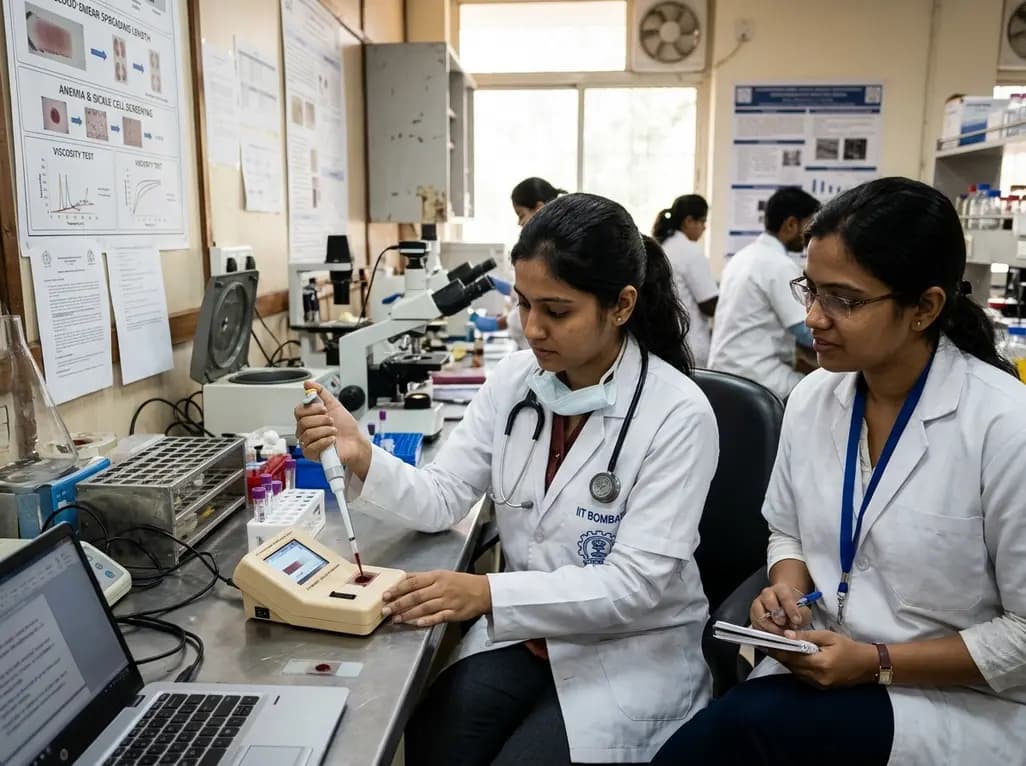
Researchers at IIT Bombay have engineered an automated, cost-effective point-of-care device that diagnoses anaemia and sickle cell disease from a single drop of blood. By measuring blood smear spreading length, this portable tool assesses blood viscosity to offer rapid screening in resource-limited healthcare centers.
Today

A population-based study of 20,928 children reveals that small vulnerable newborns face sex-divergent mental capital outcomes at ages 6-7: term SGA girls show higher behavioral difficulties and lower resilience, while preterm non-SGA boys experience increased behavioral problems.
Today
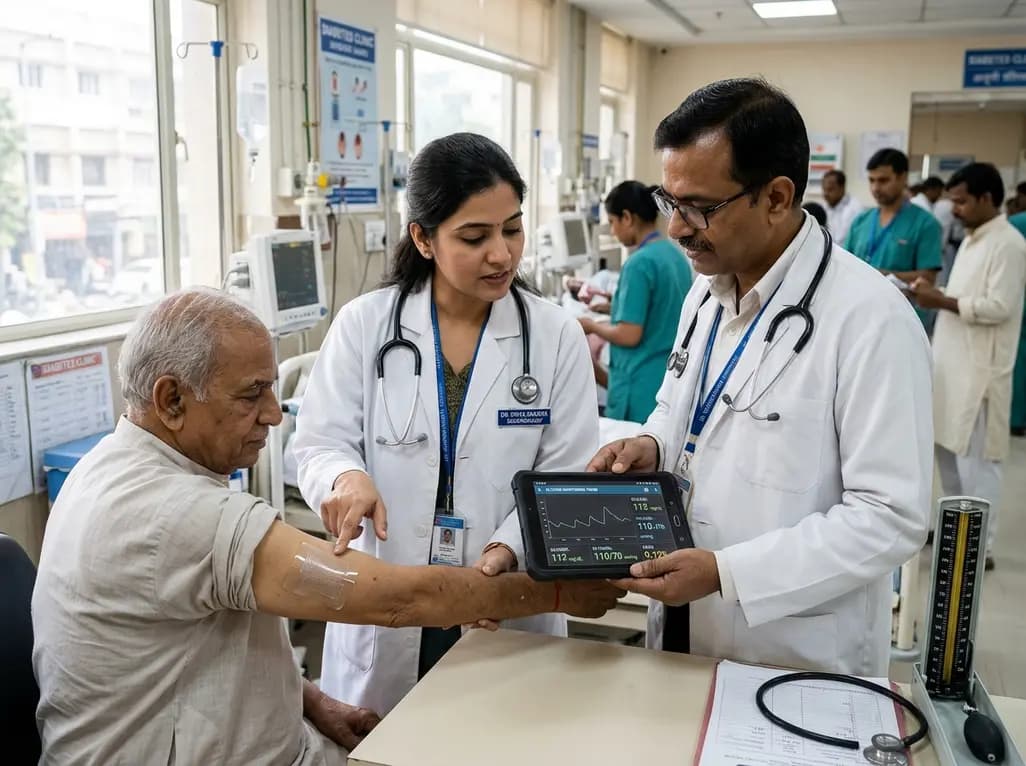
A breakthrough ultrathin multimodal sensor decouples physical hemodynamic monitoring from disposable electrochemical calibration, achieving long-term wearable glucose prediction with 81.36% accuracy and a 9.12% MARD. This offers a robust, drift-free solution for outpatient metabolic surveillance.
Today
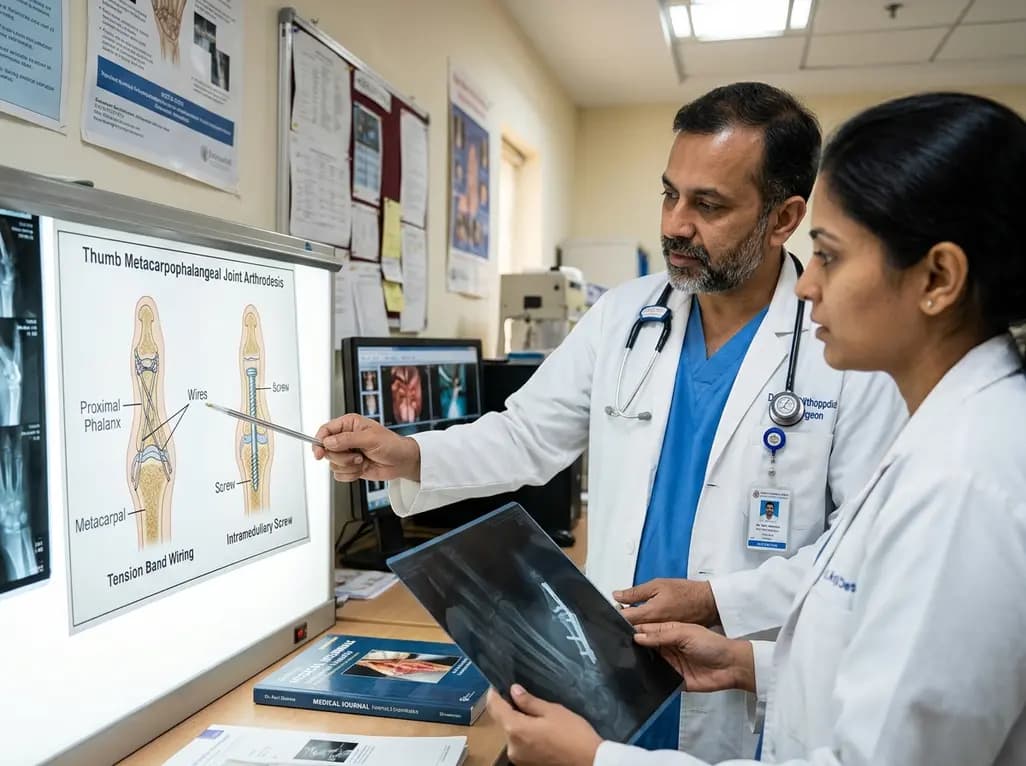
A comparative review of tension band wiring and intramedullary screw fixation in thumb metacarpophalangeal arthrodesis, evaluating union rates, hardware complications, and clinical outcomes.
Today

Following regulatory scrutiny from FSSAI regarding promotional representations and lean muscle preservation claims, Dr. Reddy's Laboratories and Nestlé Health Science are currently reviewing the branding and marketing strategy for their joint nutritional supplement Celevida GLP+.
Today
