.webp&w=384&q=75)

Loading, please wait...
Loading, please wait...
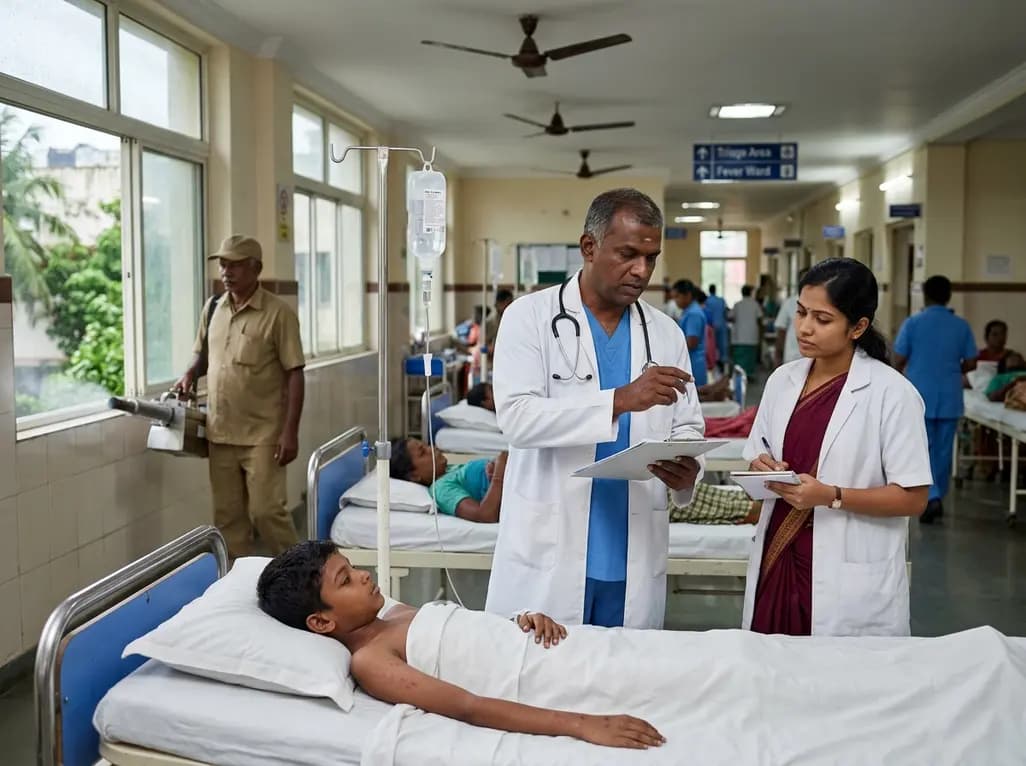
Tamil Nadu has escalated comprehensive dengue control measures following an alarming surge in seasonal arboviral infections across multiple districts. State surveillance systems confirmed over 17,900 infections and nine fatalities ahead of the northeast monsoon. Consequently, clinicians and hospital administrators must strengthen early triage pathways and acute resuscitation strategies immediately.
Tamil Nadu recently registered 17,939 confirmed dengue infections alongside nine documented fatalities. Health department leadership disclosed these figures following comprehensive field evaluations in Madurai. Specifically, Madurai district accounted for 288 confirmed cases across urban wards, municipalities, and rural panchayats. Rural village panchayats recorded 163 infections, highlighting notable transmission beyond traditional metropolitan centers.
Furthermore, public health authorities have established coordinated networks to suppress transmission curves before heavy monsoon showers arrive. Thirty-eight District Rapid Response Teams and 388 Block Rapid Response Teams stand ready for emergency dispatch to active transmission pockets. Meanwhile, Madurai district maintains 19 dedicated block teams to execute rapid localized containment. These teams coordinate inter-departmental operations to address environmental hazards and sanitation gaps promptly.
Additionally, state officials emphasize that robust surveillance remains essential to prevent preventable mortality. Active case searches allow clinicians to detect febrile clusters early during the incubation phase. Therefore, healthcare providers in both public and private sectors must report suspected febrile illnesses to municipal health officers without delay. Early notification enables targeted spraying, prompt isolation, and adequate facility resource allocation.
Vector management represents the primary defensive strategy against expanding arboviral outbreaks. Consequently, local civic bodies have mobilized 26,303 Domestic Breeding Checkers across the state to identify and destroy peri-domestic mosquito vectors. Madurai district alone utilizes 1,637 trained workers to evaluate households, residential societies, and commercial structures. These dedicated workers inspect between 80 and 100 residences daily to eliminate standing freshwater reservoirs.
Moreover, field teams perform regular larvicide applications using temephos and biological control agents in localized water collections. Municipal corporations also implement thermal indoor fogging to target adult Aedes aegypti vectors during active biting hours. However, public health leaders emphasize that administrative dengue control measures require genuine community cooperation. Uncovered overhead storage containers, discarded plastic debris, and unmaintained rain gutters continuously support vector propagation.
Therefore, civic authorities enforce strict penalties against commercial properties and private facilities that fail to eliminate standing water. Public health workers distribute educational circulars to schools, residential associations, and construction sites. Ultimately, suppressing mosquito density directly reduces the basic reproduction number of the circulating viral strains.
Most dengue cases pursue an uncomplicated, self-limiting course requiring only conservative outpatient management. Nevertheless, clinicians must accurately identify the small proportion of patients who progress to severe disease. The disease typically transitions through febrile, critical, and recovery phases. Medical practitioners must exercise heightened vigilance during the critical phase, which commonly emerges between days three and seven as defervescence occurs.
Consequently, primary care clinicians should categorize patients into standardized risk categories during the initial outpatient evaluation. Patients exhibiting persistent vomiting, severe abdominal pain, clinical fluid accumulation, or mucosal bleeding require immediate hospitalization. Furthermore, lethargy, significant hepatomegaly, and a precipitous drop in platelet counts alongside rising hematocrit signal impending plasma leakage. Accordingly, timely identification of these clinical red flags prevents progression to decompensated dengue shock.
In contrast, patients lacking warning signs can safely recover at home under clear medical instructions. Clinicians should educate caregivers regarding oral fluid intake, paracetamol antipyresis, and warning signs that warrant emergency evaluation. Importantly, doctors must explicitly advise patients to avoid nonsteroidal anti-inflammatory drugs because these worsen hemorrhagic complications and exacerbate renal dysfunction.
Judicious intravenous fluid resuscitation constitutes the cornerstone of therapy for severe plasma leakage. However, excessive volume administration carries severe dangers, including iatrogenic pulmonary edema and progressive respiratory failure. Clinicians must prefer isotonic crystalloid solutions, such as Ringer's lactate or normal saline, rather than hypotonic formulations. Therefore, medical teams should calculate baseline maintenance requirements based strictly on ideal body weight for obese individuals.
Furthermore, national management guidelines recommend a stepwise fluid titration protocol for patients admitted with evident plasma extravasation. Clinicians usually initiate crystalloids at 5 to 7 milliliters per kilogram per hour, gradually reducing the rate as physiological parameters stabilize. Serial hematocrit testing provides an invaluable objective marker to guide dynamic volume administration. A falling hematocrit accompanied by stable vital signs suggests successful vascular repletion.
Conversely, an increasing hematocrit indicates ongoing plasma extravasation requiring temporary fluid augmentation. If severe hypotension persists despite adequate crystalloid loading, clinicians should consider colloid administration or blood transfusion for hidden hemorrhage. Most importantly, teams must discontinue intravenous fluids when plasma leakage ceases during early convalescence.
Infants and young children experience higher rates of microvascular leakage compared to older individuals. Consequently, Tamil Nadu has fully staffed Special Newborn Care Units across all state-run medical colleges and district hospitals. These dedicated units maintain uninterrupted inventories of essential emergency pharmaceuticals, pediatric micro-infusion pumps, and specialized fluid therapies. Such readiness ensures uninterrupted critical care delivery during peak monsoon admissions.
Moreover, pediatric dengue presents with non-specific constitutional symptoms that challenge routine physical diagnosis. Young children frequently manifest febrile seizures, severe irritability, gastrointestinal distress, and upper respiratory complaints. Therefore, pediatricians must maintain a high index of clinical suspicion during regional community surges. Capillary refill time, peripheral pulse quality, and hourly urine output offer crucial insights into pediatric circulatory adequacy.
Additionally, medical teams must exercise extreme caution to prevent rapid fluid overload in small children. The immature pediatric myocardium cannot tolerate excessive volume expansion during the critical capillary leakage interval. Consequently, treating doctors must continuously reassess respiratory effort and liver margins to detect emergent signs of hypervolemia early.
Q1: What are the primary warning signs indicating hospitalization in dengue patients?
Clinicians must recommend immediate hospital admission whenever patients present with persistent vomiting, severe abdominal tenderness, mucosal bleeding, or clinical fluid accumulation like ascites or pleural effusion. Furthermore, profound lethargy, restlessness, hepatomegaly exceeding two centimeters, and a sudden rise in hematocrit alongside rapidly falling platelets indicate substantial plasma extravasation. Recognizing these signs early prevents rapid progression into decompensated shock and severe multi-organ dysfunction.
Q2: Why should clinicians avoid NSAIDs during the acute febrile phase of dengue?
Clinicians must avoid nonsteroidal anti-inflammatory drugs, including ibuprofen, aspirin, and naproxen, during suspected dengue infections. These agents inhibit normal platelet aggregation, thereby amplifying underlying bleeding tendencies caused by viral thrombocytopenia. Additionally, NSAIDs irritate gastric mucosa, increasing upper gastrointestinal hemorrhage risks, and can trigger acute kidney injury in dehydrated patients. Paracetamol remains the safest recommended antipyretic agent when dosed appropriately.
Q3: How should intravenous fluid administration be titrated during the critical phase?
Intravenous fluid titration requires isotonic crystalloids adjusted dynamically against serial hematocrit measurements, hemodynamic stability, and urine volume. Medical teams typically initiate infusions at conservative rates, progressively tapering down every two to four hours as vitals stabilize. Once the critical capillary leakage window closes, usually after 24 to 48 hours, clinicians must stop intravenous fluids promptly to prevent volume overload and pulmonary edema.
Disclaimer: This content is for informational and educational purposes only. It does not constitute medical advice or replace professional judgment. Refer to the latest local and national guidelines for clinical practice.
References

Read summarized clinical updates, watch expert medical content, and earn CME certifications right from your smartphone.
Open your smartphone camera to scan and install.





With Tamil Nadu recording over 17,900 confirmed infections and nine deaths, public health authorities have mobilized field teams across vulnerable blocks. Clinicians must maintain high vigilance during the monsoon wave, adhering to strict fluid resuscitation protocols and rapid triage for high-risk pediatric cases.
Today
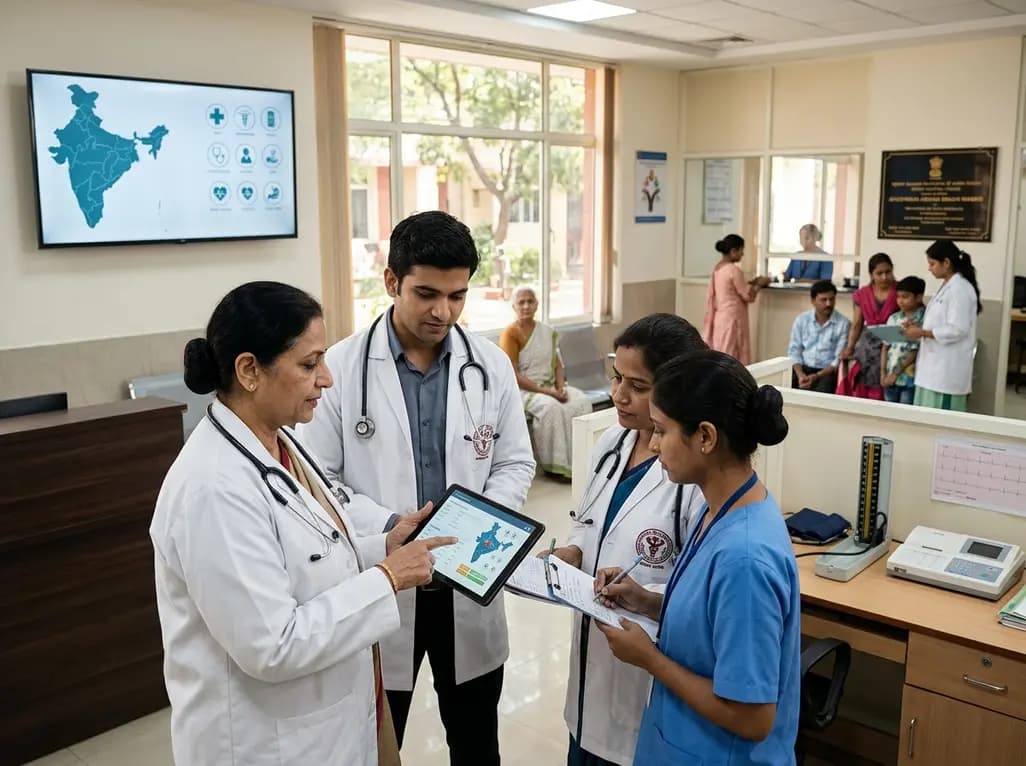
At UNGA81, India demonstrated transformative public health achievements, showcasing over 1.8 lakh Ayushman Arogya Mandirs, 900 million ABHA IDs, extensive viral hepatitis screening, and the National Sickle Cell Anaemia Elimination Mission, reinforcing its global leadership in equitable and accessible healthcare delivery.
Today
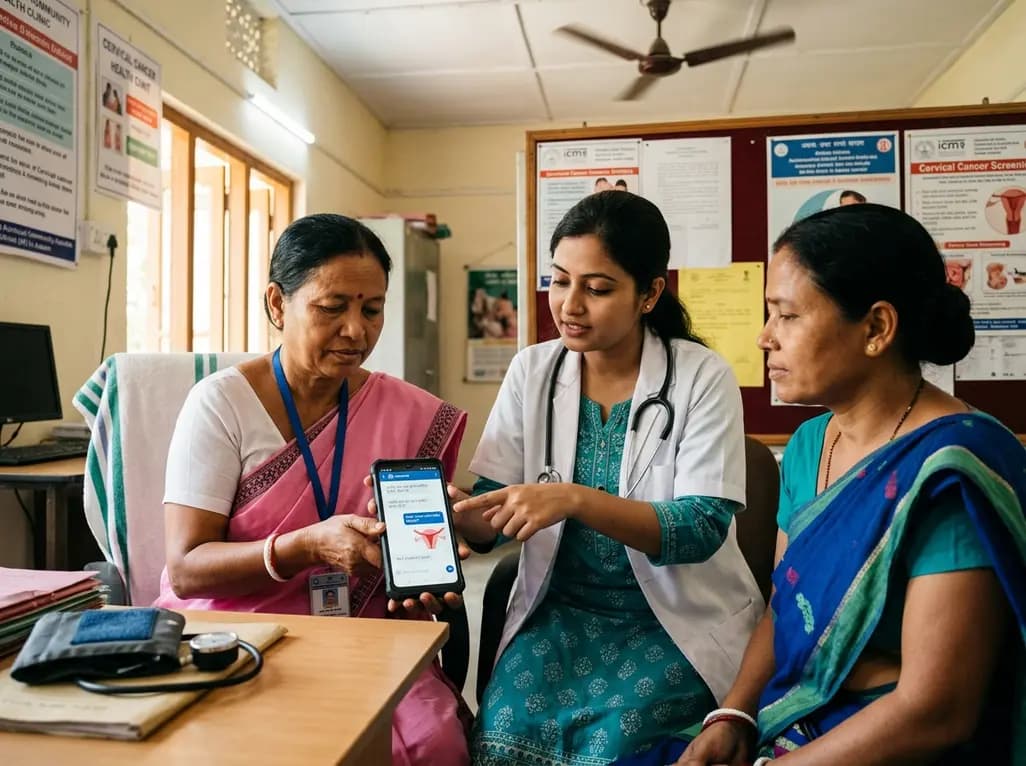
Accredited Social Health Activists in Assam are co-designing an ICMR-backed multilingual voice chatbot and AI training platform. The initiative addresses community barriers, improves visual inspection counselling, and empowers frontline workers to boost early detection of precancerous cervical lesions.
Today

Managing refractory hypoxemia after cardiothoracic surgery becomes perilous when prolonged air leak limits positive-pressure ventilation. This case-based review details how high-flow nasal cannula, paired with awake rehabilitation, enabled successful extubation and avoided invasive re-intubation.
Today
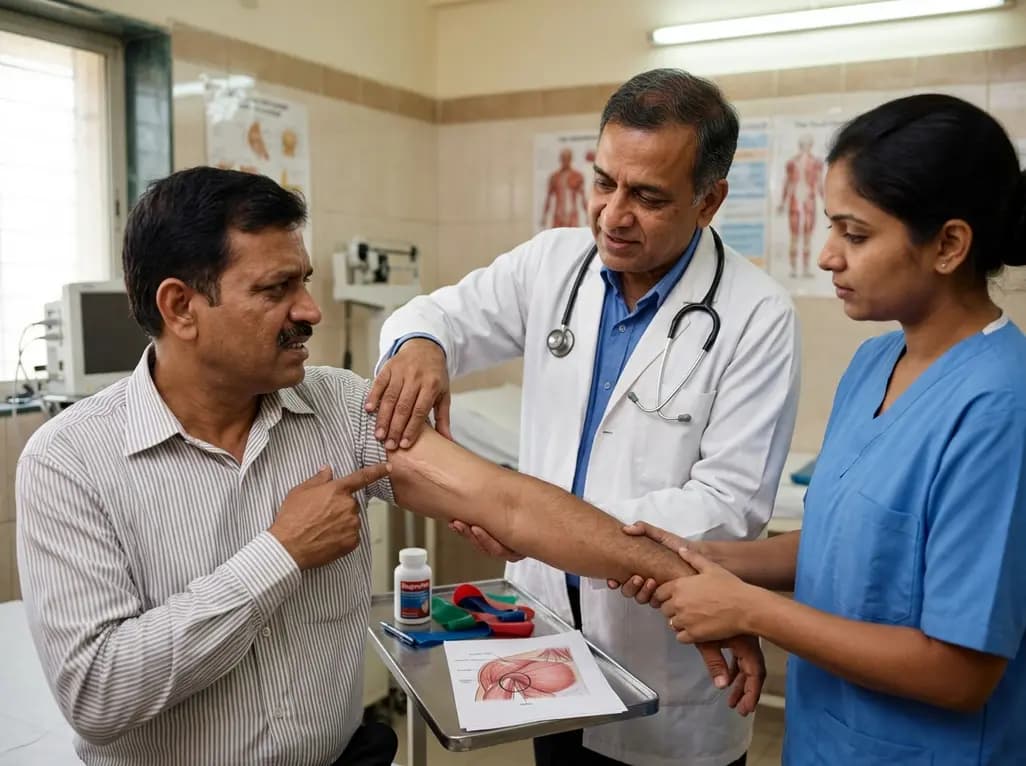
Idiopathic axillary web syndrome (IAWS) is a rare cause of shoulder pain and mobility restriction characterized by palpable axillary cording without prior surgery or trauma. Early diagnosis, nonsteroidal anti-inflammatory therapy, and physical rehabilitation lead to complete resolution of symptoms.
Today
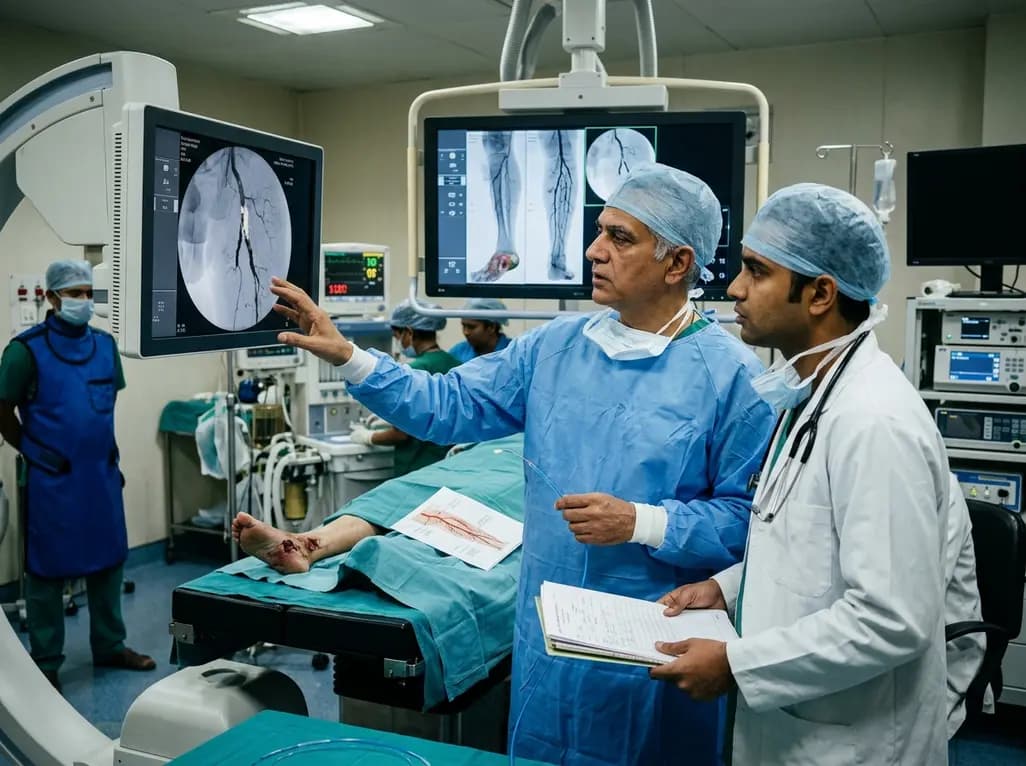
SWEDEPAD-1 trial insights show paclitaxel-coated devices do not improve long-term limb salvage in patients with chronic limb-threatening ischemia and tissue loss. While one-year reinterventions decreased, the devices were linked to a higher risk of major amputation at three months.
Today
