.webp&w=384&q=75)

Loading, please wait...
Loading, please wait...

Idiopathic axillary web syndrome presents as a rare clinical condition that causes substantial shoulder discomfort and restricted limb movement. Clinicians classically identify axillary web syndrome following breast cancer surgery or axillary lymph node dissection. However, idiopathic cases occasionally develop without any prior surgical intervention, local trauma, or radiation therapy. In this reported case, a 39-year-old female patient presented with shoulder pain, axillary swelling, and mild limitation of motion. Physical examination characteristically reveals a palpable, taut, subcutaneous cord-like structure within the axillary vault. This fibrous cord becomes markedly prominent and painful during active or passive shoulder abduction and external rotation. Furthermore, the cord frequently extends distally along the medial aspect of the arm toward the antecubital space. Patients often describe a distressing pulling sensation that impairs daily overhead functional activities. Because overt skin erythema, local warmth, and systemic signs of infection remain completely absent, physicians frequently overlook the condition. Therefore, clinicians must maintain a high index of clinical suspicion during routine orthopedic evaluations. Conducting a systematic physical examination in shoulder abduction remains essential for timely recognition and accurate diagnosis.
Although researchers understand post-surgical axillary cording reasonably well, the underlying pathogenesis of idiopathic forms requires ongoing investigation. Investigators hypothesize that the primary pathology involves superficial lymphatic vessels, regional venous channels, and adjacent fascial connective tissue. Specifically, microscopic endothelial disruption or localized vascular stasis may initiate an inflammatory cascade within lymphatic adventitia. Consequently, this inflammatory state triggers perilymphatic thrombosis, fibroblastic proliferation, and subsequent cord-like contracture. In secondary cases, surgical disruption clearly initiates this sequence, but idiopathic presentations lack overt surgical trauma. Instead, subtle microtrauma from repetitive physical exertion, vigorous overhead sporting activities, or minor regional thrombophlebitis may initiate endothelial damage. Moreover, some medical literature compares this process to Mondor disease, where superficial venous inflammation causes subcutaneous cord induration. Extravasation of protein-rich fluid into the surrounding connective matrix further promotes collagen cross-linking and fibrosis. As a result, the affected lymphatic bundles lose their physiological elasticity during upper extremity movement. Understanding these pathophysiological mechanisms reassures physicians that idiopathic cording represents a benign, non-progressive inflammatory condition rather than an aggressive systemic disorder. Thus, treating clinicians can focus on targeted conservative therapies rather than extensive invasive interventions.
Diagnosing axillary web syndrome relies primarily upon meticulous physical examination rather than sophisticated radiological examinations. However, diagnostic imaging modalities provide substantial utility by excluding serious alternative diagnoses. Clinicians frequently employ bedside musculoskeletal ultrasonography as an effective primary evaluation tool. High-resolution ultrasound often demonstrates hypoechoic tubular subcutaneous structures with distinct hyperechoic borders along the course of the cord. Furthermore, Doppler imaging helps differentiate thrombosed lymphatic channels from acute venous thrombosis or superficial thrombophlebitis. Clinicians may also order magnetic resonance imaging when patients present with severe, non-localized shoulder pain. Magnetic resonance imaging effectively excludes underlying soft tissue masses, occult axillary adenopathy, and rotator cuff tears. Similarly, clinicians must distinguish axillary cording from adhesive capsulitis, biceps tendinopathy, and brachial plexopathy. Adhesive capsulitis produces global capsular restriction in all movement planes, whereas cording specifically limits shoulder abduction and extension. In addition, routine blood tests typically show normal inflammatory markers and cellular counts. Therefore, a targeted clinical assessment paired with selective ultrasonography establishes diagnostic certainty without subjecting patients to invasive or unnecessary biopsies. Consequently, thorough clinical evaluation delivers diagnostic clarity while reassuring patients about the condition's non-malignant nature.
The therapeutic strategy for idiopathic axillary web syndrome combines pharmacological symptom management with structured physical rehabilitation. In the highlighted clinical case, medical specialists prescribed acemetacin at a dosage of 60 milligrams twice daily. Acemetacin acts as a potent nonsteroidal anti-inflammatory drug that diminishes regional inflammation, reduces fascial tension, and alleviates pain. Consequently, effective oral analgesia facilitates active patient participation in physical rehabilitation protocols. Concurrently, therapeutic exercise forms the essential cornerstone of successful long-term rehabilitation. Physical therapists guide patients through progressive active-assisted stretching designed to elongate the contracted fibrous cords gradually. Therapists often incorporate hot pack applications prior to exercise sessions to improve connective tissue compliance. Furthermore, manual therapy modalities such as gentle myofascial release, lymphatic drainage massage, and soft tissue mobilization accelerate recovery. However, clinicians must counsel patients against aggressive, forceful stretching that could provoke secondary tissue trauma and inflammation. Instead, controlled stretching preserves periarticular tissue health while progressively expanding pain-free range of motion. Overall, integrating targeted pharmacological therapy with conservative physical rehabilitation achieves prompt symptom control and avoids invasive surgical interventions. As a result, patients regain functional upper limb capacity safely.
The long-term clinical prognosis for idiopathic axillary web syndrome remains overwhelmingly positive under appropriate conservative care. Published case studies consistently demonstrate that patients experience significant functional gains within a few weeks of starting treatment. In the presented case, the 39-year-old female achieved complete symptom resolution after two months of conservative follow-up. Her shoulder pain resolved entirely, the palpable axillary cord vanished, and full shoulder mobility returned. In addition, the patient resumed her normal daily activities without residual biomechanical dysfunction or recurrence. Furthermore, clinical evidence indicates that recurrence rates remain exceptionally low once the fibrotic cords regress. Nevertheless, scheduled follow-up evaluations remain vital to verify sustained functional recovery and confirm the absence of underlying occult pathologies. Clinicians should educate patients regarding the benign nature of the condition to reduce unnecessary anxiety. Moreover, raising physician awareness prevents inappropriate surgical consultations and costly diagnostic workups. In summary, idiopathic axillary web syndrome responds favorably to timely conservative therapy. Clinicians can confidently assure patients that diligent physical therapy and anti-inflammatory support lead to complete clinical recovery. Consequently, multidisciplinary collaboration optimizes long-term patient outcomes. Ultimately, early identification in outpatient settings ensures excellent clinical success and preserves joint function.
Idiopathic axillary web syndrome develops without an overt precipitating surgical event or oncological treatment. Researchers believe that localized inflammation affecting superficial lymphatic channels and venous vessels triggers thrombosis and perilymphatic fibrosis. Consequently, microtrauma from repetitive physical exercise or localized low-grade vascular inflammation converts elastic lymphatic tissue into rigid subcutaneous cords. Although the exact trigger remains unproven in many patients, the condition reflects a self-limiting inflammatory process rather than a systemic or malignant pathology.
Clinicians differentiate axillary cording from rotator cuff disease primarily through targeted physical examination in shoulder abduction. Rotator cuff tears provoke anterolateral shoulder pain without visible axillary abnormalities. In contrast, axillary cording reveals a distinct palpable subcutaneous band extending into the arm. Furthermore, bedside musculoskeletal ultrasonography confirms normal rotator cuff tendons while demonstrating superficial hypoechoic tubular cords in the axilla. Therefore, careful physical inspection and focused ultrasound examination reliably distinguish axillary web syndrome from common shoulder disorders.
Conservative therapy forms the mainstay of effective management for idiopathic axillary cord formation. Clinicians frequently prescribe nonsteroidal anti-inflammatory medications such as acemetacin to control pain and suppress tissue inflammation. Concurrently, patients participate in structured physical therapy involving gentle active-assisted stretching, progressive mobility exercises, and warm compresses. Additionally, specialized therapists use myofascial release and lymphatic drainage to enhance soft tissue mobility. Most patients achieve complete resolution within several weeks without requiring invasive surgical procedures.
Disclaimer: This content is for informational and educational purposes only... Refer to the latest local and national guidelines for clinical practice.
References

Read summarized clinical updates, watch expert medical content, and earn CME certifications right from your smartphone.
Open your smartphone camera to scan and install.





Idiopathic axillary web syndrome (IAWS) is a rare cause of shoulder pain and mobility restriction characterized by palpable axillary cording without prior surgery or trauma. Early diagnosis, nonsteroidal anti-inflammatory therapy, and physical rehabilitation lead to complete resolution of symptoms.
Today
Diaphragmatic dysfunction affects over a third of chronic stroke patients, worsening sleep, mood, and functional mobility. Ultrasound assessment and inspiratory training improve outcomes.
Today
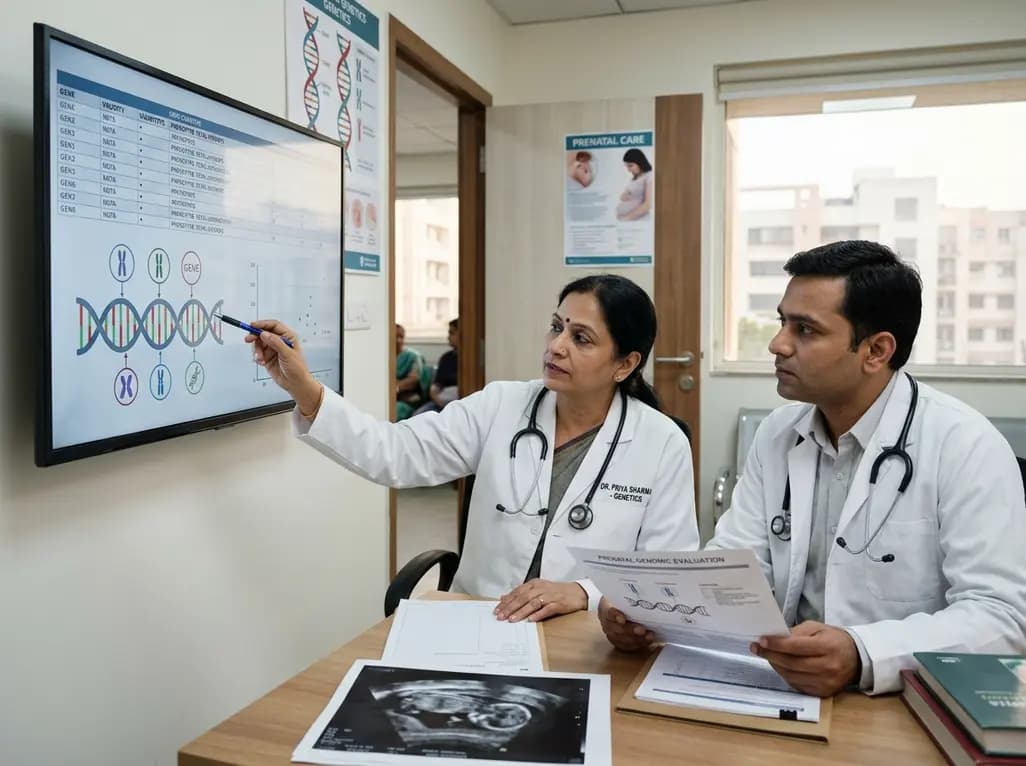
The ClinGen Prenatal Gene Curation Expert Panel evaluated 63 disease relationships across 61 genes, establishing clinical validity for severe fetal phenotypes like hydrops and stillbirth to enhance prenatal genomic interpretation and clinical care.
Yesterday

Wearable sleep health technology provides continuous biometric monitoring to augment cardiovascular risk assessment. By tracking autonomic proxies and sleep architecture, these digital tools empower clinicians to guide cardiometabolic interventions, despite persistent challenges in wake detection specificity.
Today
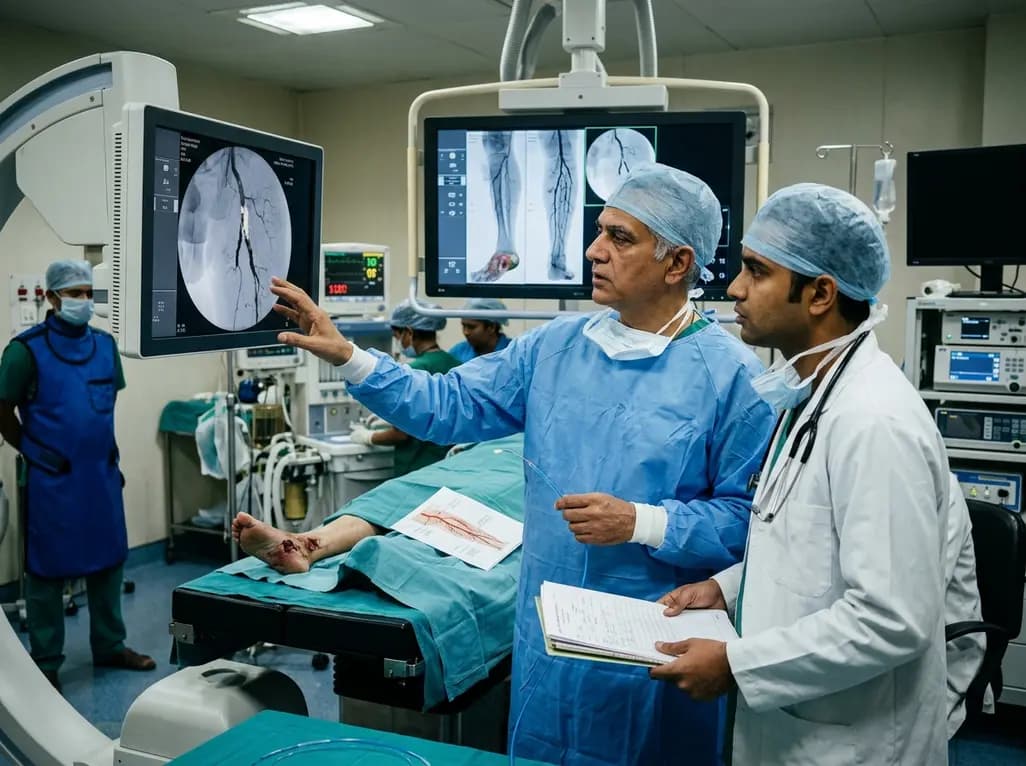
SWEDEPAD-1 trial insights show paclitaxel-coated devices do not improve long-term limb salvage in patients with chronic limb-threatening ischemia and tissue loss. While one-year reinterventions decreased, the devices were linked to a higher risk of major amputation at three months.
Today
