.webp&w=384&q=75)

Loading, please wait...
Loading, please wait...
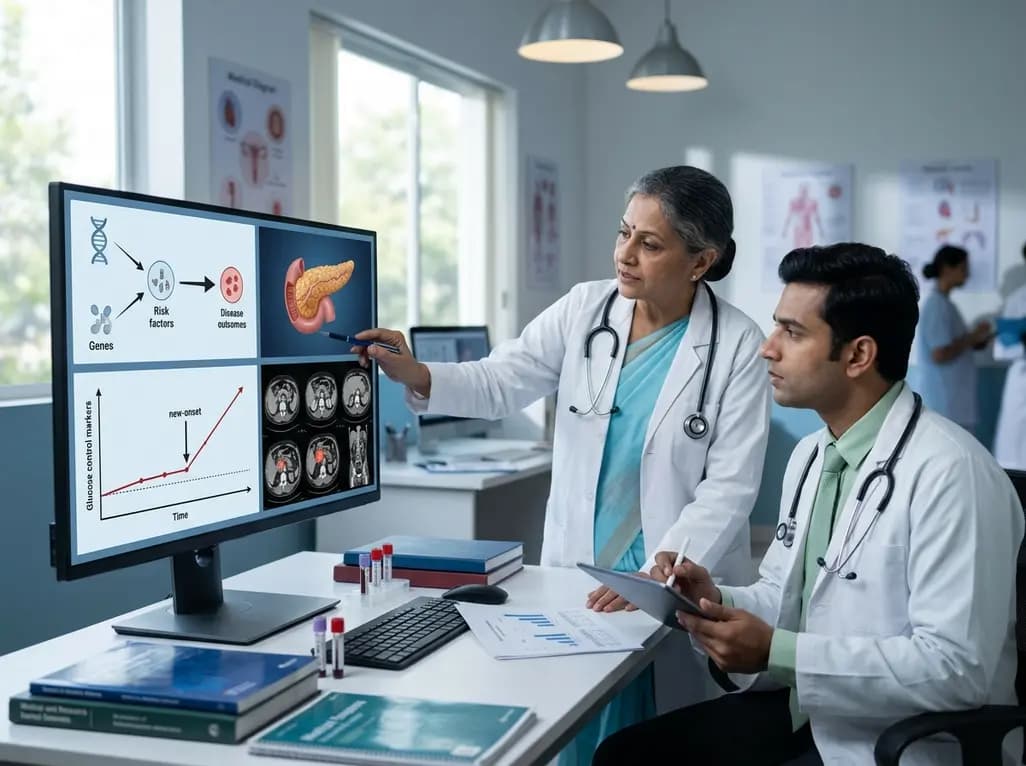
The global healthcare landscape is currently facing a dual challenge from the rising prevalence of metabolic disorders and oncological diseases. Specifically, researchers have long observed a correlation between Type 2 Diabetes Mellitus and various malignancies. However, the exact nature of this relationship often remains clouded by confounding factors such as obesity and detection bias. A significant study recently published in the International Journal of Cancer has shed new light on this connection. By utilizing data from the China Kadoorie Biobank, investigators explored how T2DM and pancreatic cancer are linked through causal pathways. This research is particularly vital for populations in Asia, where the burden of diabetes is increasing at an alarming rate. Consequently, understanding whether diabetes acts as a direct driver of cancer or merely a comorbid condition is essential for clinical practice. Therefore, medical professionals must stay informed about these emerging evidence-based findings to refine patient care strategies and improve early detection protocols. Moreover, this study emphasizes the importance of analyzing new-onset cases to minimize the risk of reverse causality, where undiagnosed cancer might lead to metabolic changes that mimic diabetes.
To address previous methodological shortcomings, the investigators implemented a rigorous matched cohort design. They focused specifically on new-onset T2DM cases within the China Kadoorie Biobank, involving over half a million participants. Furthermore, they utilized sequential longitudinal matching to ensure that the control groups were comparable in terms of baseline characteristics. Notably, the team accounted for detection time bias, which often occurs when patients receive more frequent medical screenings following a diabetes diagnosis. By using pre-diagnosis Body Mass Index (BMI) data, the researchers were able to separate the effects of obesity from the metabolic impact of diabetes itself. Additionally, the study employed stratified Cox models to estimate sex-specific hazard ratios across a median follow-up period of roughly four years. Such high levels of methodological discipline are crucial for establishing a reliable foundation for causal inference. Consequently, the results provide a much clearer picture of how metabolic dysfunction influences oncogenesis. These steps were taken to ensure that the observed associations were not merely the result of shared lifestyle risk factors or accidental findings during routine diabetes management consultations.
The most striking finding of this large-scale analysis was the definitive link between T2DM and pancreatic cancer. According to the data, men with new-onset diabetes faced a significantly higher hazard ratio for pancreatic malignancy compared to their non-diabetic counterparts. Similarly, women exhibited an even more pronounced risk, with hazard ratios indicating a nearly four-fold increase in some cohorts. Furthermore, these findings were not merely observational. The researchers triangulated their results using two-sample Mendelian Randomization (MR) in East Asian populations. This genetic approach serves to minimize confounding, as genetic variants are randomly assigned at birth. Thus, the MR analysis confirmed that genetic liability to T2DM is associated with an increased risk of pancreatic cancer, even after adjusting for BMI. Consequently, this provides strong evidence that the relationship is likely causal rather than purely coincidental. Therefore, clinicians should view new-onset diabetes as a potential red flag for underlying or future pancreatic issues. Moreover, the specificity of this association suggests that the pancreas may be uniquely vulnerable to the insulin resistance and hyperinsulinemia characteristic of Type 2 Diabetes Mellitus.
Beyond the pancreas, the study also identified significant associations between T2DM and liver cancer. In both men and women, the presence of new-onset diabetes was linked to a substantial increase in the risk of developing hepatocellular carcinoma. However, unlike the findings for pancreatic cancer, the evidence for other sites remained relatively weak or discordant. For instance, no significant associations were observed for common malignancies such as colorectal, lung, stomach, or breast cancers. This distinction is vital because it suggests that the carcinogenic effect of diabetes is organ-specific rather than systemic. Specifically, the high local concentrations of insulin in the portal vein might explain the elevated risk in the liver. Furthermore, the lack of a causal signal for breast and colorectal cancer in this East Asian population differs from some Western data, highlighting the importance of ancestry-specific research. Consequently, healthcare providers must avoid over-generalizing the cancer risks associated with diabetes. Instead, they should focus their surveillance efforts on the organs most clearly affected by metabolic disruption. Thus, the liver and pancreas should remain the primary focus of screening for patients recently diagnosed with T2DM.
Mendelian Randomization has emerged as a gold-standard tool in epidemiological research for determining causality. In this study, the use of MR allowed the researchers to bypass many of the biases inherent in traditional observational studies. By looking at genetic markers associated with diabetes, they could assess the long-term impact of metabolic liability without the interference of transient environmental factors. Specifically, the multivariable MR confirmed that the association with pancreatic cancer remained significant even when accounting for the genetic influence of BMI. This finding is particularly important because obesity is a known risk factor for both diabetes and cancer. Therefore, demonstrating an independent effect of T2DM reinforces the hypothesis that hyperglycemia or insulin signaling plays a direct role in tumor development. Furthermore, the results were consistent across different statistical models, which increases the reliability of the conclusions. Notably, the study found that for every unit increase in genetic liability to T2DM, there was a measurable rise in pancreatic cancer risk. Consequently, these genetic insights offer a powerful confirmation of the cohort data, suggesting that diabetes management could be a key pillar of cancer prevention strategies in the future.
For medical practitioners in India, these findings carry profound clinical implications. India is often referred to as the diabetes capital of the world, and the rising incidence of pancreatic and liver cancers in the region is a cause for concern. Therefore, incorporating cancer awareness into routine diabetes care is becoming increasingly necessary. Specifically, when a patient presents with new-onset T2DM, especially if they lack traditional risk factors like high BMI, clinicians should maintain a high index of suspicion for pancreatic health. Furthermore, utilizing tools like the Indian Diabetes Risk Score (IDRS) can help identify high-risk individuals earlier in the disease progression. Additionally, current Indian guidelines, such as those from ICMR and RSSDI, emphasize the need for comprehensive metabolic control. However, adding a component of targeted screening for high-risk malignancies could further enhance patient outcomes. Moreover, public health initiatives should focus on educating patients about the systemic risks of diabetes beyond cardiovascular health. Consequently, a multidisciplinary approach involving endocrinologists, oncologists, and radiologists is essential. By integrating these research findings into local practice, Indian physicians can better navigate the complex relationship between metabolic health and cancer risk.
New-onset T2DM is often associated with a higher observed risk of certain cancers because it may represent an early symptom of an undiagnosed malignancy, particularly in the pancreas. This phenomenon is known as reverse causality. By focusing on the period immediately following diagnosis, researchers can better identify whether the diabetes is a consequence of a tumor or a causal driver of future oncological development.
The association was deemed causal because it was validated through Mendelian Randomization, which uses genetic variants as proxies for environmental exposures. Since these genetic markers are not influenced by external lifestyle factors or early-stage disease, the significant link between genetic liability for T2DM and pancreatic cancer suggests a direct biological pathway. This is much stronger than a simple observational correlation that might be confounded by obesity.
While universal cancer screening for every new diabetes patient is not yet a standard recommendation, clinicians should exercise increased vigilance. For patients with new-onset T2DM who exhibit atypical features, such as sudden weight loss or lack of obesity, screening for pancreatic or liver malignancies is warranted. Following local guidelines from ICMR and RSSDI while maintaining a high clinical suspicion is the most effective approach for Indian practitioners today.
Disclaimer: This content is for informational and educational purposes only... Refer to the latest local and national guidelines for clinical practice.
References
Wang M et al. New-Onset Type 2 Diabetes Mellitus and Cancer Risk: A Matched Cohort Study in China Kadoorie Biobank. Int J Cancer. 2026 Jul 09. doi: 10.1002/ijc.70638. PMID: 42424092.
RSSDI-ESI Clinical Practice Recommendations for the Management of Type 2 Diabetes Mellitus 2020.
ICMR Guidelines for Management of Type 2 Diabetes 2018.

Read summarized clinical updates, watch expert medical content, and earn CME certifications right from your smartphone.
Open your smartphone camera to scan and install.





This study from the China Kadoorie Biobank examines the causal relationship between new-onset T2DM and cancer risk. Utilizing matched cohort data and Mendelian Randomization, researchers identified a significant causal link between T2DM and pancreatic cancer, emphasizing the need for focused screening.
3 months ago
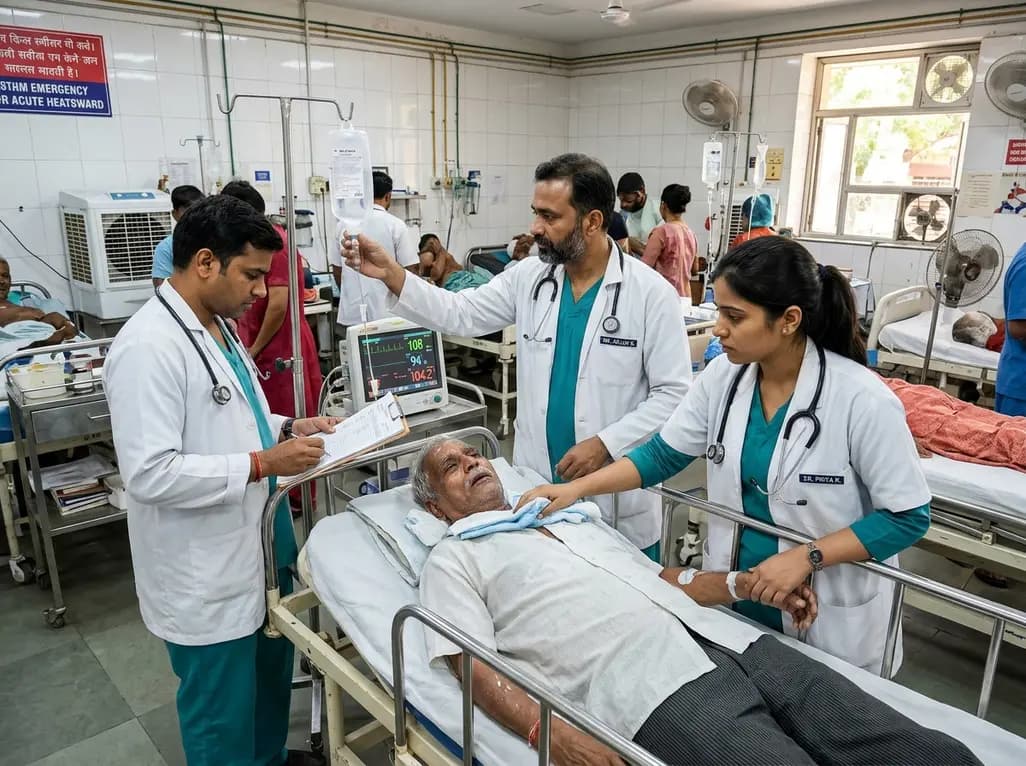
Recent epidemiological data reveals a dramatic surge in summer heat mortality driven by human-induced climate warming. This analysis explores the pathophysiological impacts on cardiac and renal systems, diagnostic dilemmas in death certification, and essential emergency cooling protocols for acute clinical care.
Today

Odisha has established India's first state-level clinical protocol specifically tailored for pregnant women with sickle cell disease. Developed with NHM and UNICEF, the framework provides structured antenatal screening, crisis mitigation, standardized referral pathways, and specialized interdisciplinary care.
Today

India is advancing preventive healthcare by integrating genomics, artificial intelligence, and quantum technologies. With the SANGAM programme sequencing one million Indian genomes, clinicians can unlock personalized therapies, detect cardiometabolic risks early, and curb the burden of diabetes and heart disease.
Today
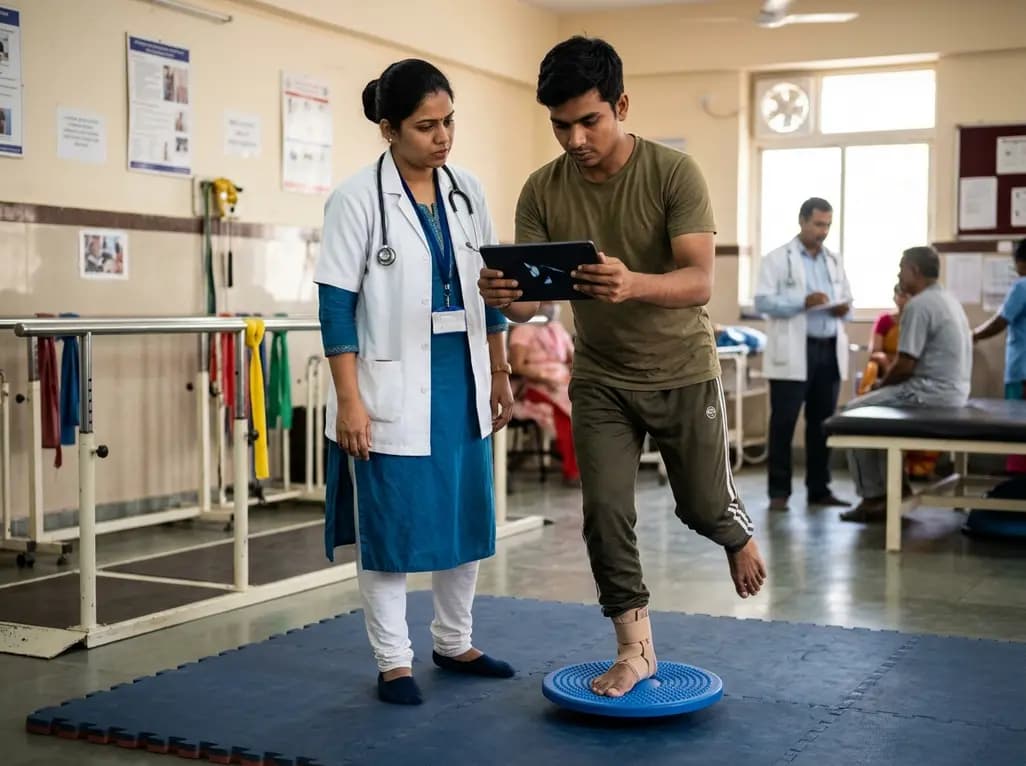
A randomized controlled trial demonstrates that an eight-week dual-task training intervention significantly improves static and dynamic postural control over standard balance exercises in individuals with chronic ankle instability, addressing critical neurocognitive deficits during athletic and daily activities.
Today

A retrospective cohort study of 7,716 ICU patients from the MIMIC-IV database demonstrates that Gradient Boosting Decision Trees significantly outperform traditional SOFA scores in predicting in-hospital mortality among patients with sepsis and diabetes, with SHAP analysis providing clinical interpretability.
Today
