.webp&w=384&q=75)

Loading, please wait...
Loading, please wait...
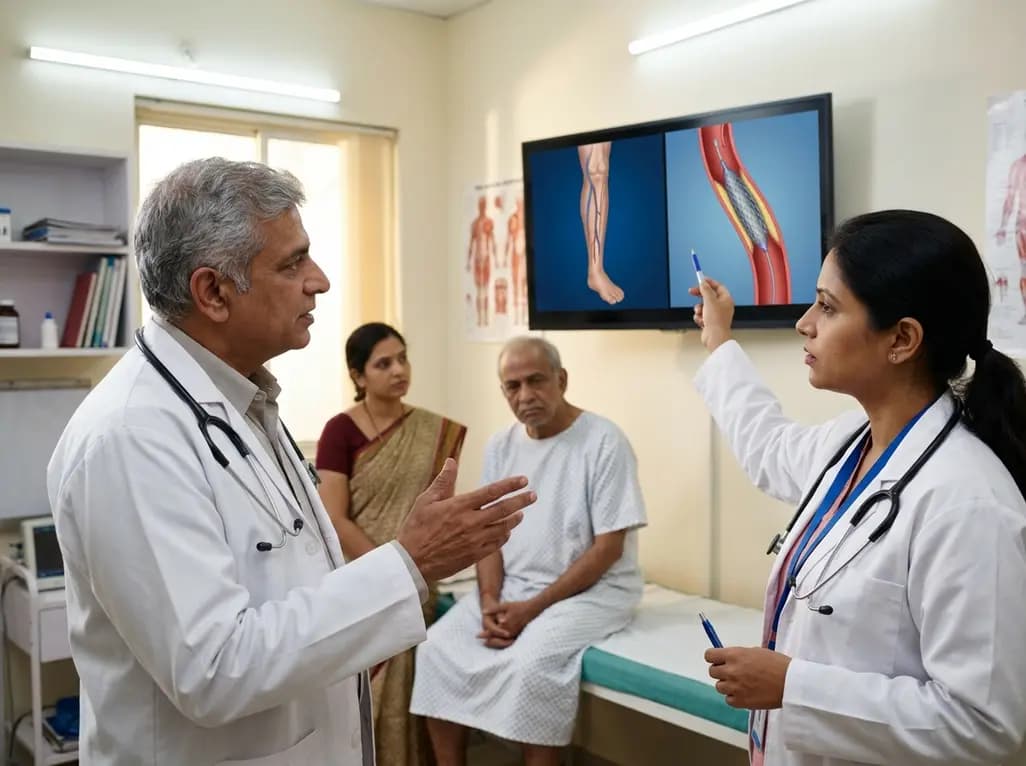
Chronic limb-threatening ischemia (CLTI) poses a significant challenge for clinicians managing elderly patients. Choosing between Surgical vs Endovascular Revascularisation remains a pivotal clinical decision. A recent post hoc analysis of the landmark BEST-CLI trial provides fresh insights into how frailty influences these critical treatment outcomes.
The study analyzed 1,754 patients using a deficit-accumulation frailty index. Severe frailty, defined as an index of 0.45 or higher, affected nearly half the participants. Frailty was linked to a higher risk of major adverse limb events (MALE) or death. However, it did not alter the comparative effectiveness of the treatment strategies.
Consequently, surgical bypass remained superior for patients with an adequate great saphenous vein (GSV). Moreover, surgical bypass reduced the risk of MALE or death in both frail and non-frail patients. Specifically, the hazard ratio for both groups was identical at 0.68. This suggests that frailty should not deter clinicians from choosing surgical bypass when a suitable vein conduit is available.
Conversely, outcomes in Cohort 2, which included patients requiring alternative conduits, were similar across all frailty levels. Additionally, researchers found no significant interaction between frailty and major adverse cardiovascular events (MACE). Therefore, clinicians should prioritize vein availability over frailty when deciding the optimal revascularization approach for CLTI patients.
Yes, severe frailty is associated with a higher incidence of major adverse limb events and mortality, regardless of whether the patient undergoes surgery or endovascular therapy.
The BEST-CLI analysis suggests that for patients with a suitable great saphenous vein, surgical bypass is more effective than endovascular therapy. This benefit remains consistent regardless of the patient's frailty status.
Disclaimer: This content is for informational and educational purposes only. It does not constitute medical advice or a substitute for professional healthcare consultation. Refer to the latest local and national guidelines for clinical practice.
References
Ko D et al. Frailty and the Efficacy and Safety of Surgical vs Endovascular Revascularisation: A Post Hoc Analysis of the BEST-CLI Trial. Br J Surg. 2026 Jun 02. doi: undefined. PMID: 42227206.
Farber A, et al. Surgery or Endovascular Therapy for Chronic Limb-Threatening Ischemia. N Engl J Med. 2022;387(25):2305-2316.
Conte MS, et al. Global Vascular Guidelines on the Management of Chronic Limb-Threatening Ischemia. J Vasc Surg. 2019;69(6S):1S-125S.e40.

Read summarized clinical updates, watch expert medical content, and earn CME certifications right from your smartphone.
Open your smartphone camera to scan and install.





Severe frailty increases risk in CLTI, but surgical bypass remains more effective than endovascular therapy for patients with a suitable vein conduit....
3 months ago
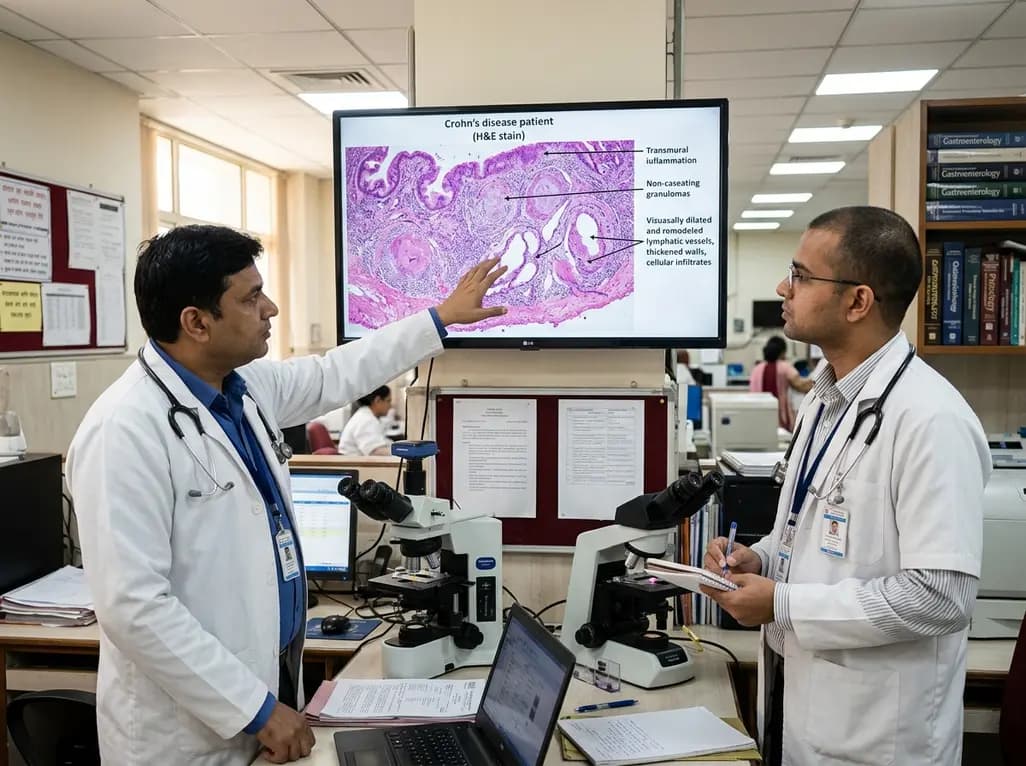
Intestinal lymphatic dysfunction is re-emerging as a fundamental driver of Crohn's disease pathogenesis. Explore how structural remodeling, lymphangitis, and defective clearance shape transmural inflammation and offer novel therapeutic targets.
Today

A school-based intervention using the Health Action Process Approach (HAPA) significantly enhanced adolescents' perceived benefits of consulting healthcare providers and promoted proactive menstrual health behaviors, offering key clinical insights for managing adolescent dysmenorrhea and endometriosis.
Today

A comprehensive analysis of the Translational Maturity Framework for nanomedicine-device combination products, evaluating regulatory complexity, manufacturing hurdles, and clinical readiness across oncology, cardiology, and orthopedics.
Today
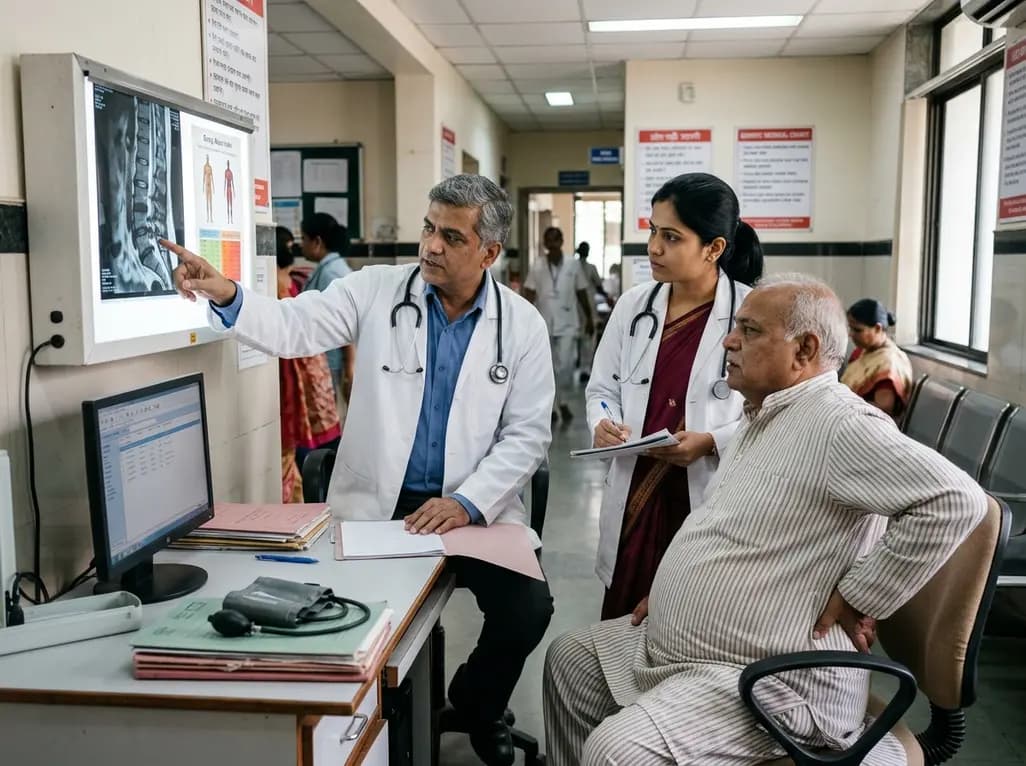
A cross-sectional study reveals that sarcopenic obesity independently increases functional impairment and severe disc degeneration in patients with degenerative lumbar spinal stenosis, highlighting the need for body composition assessment.
Today
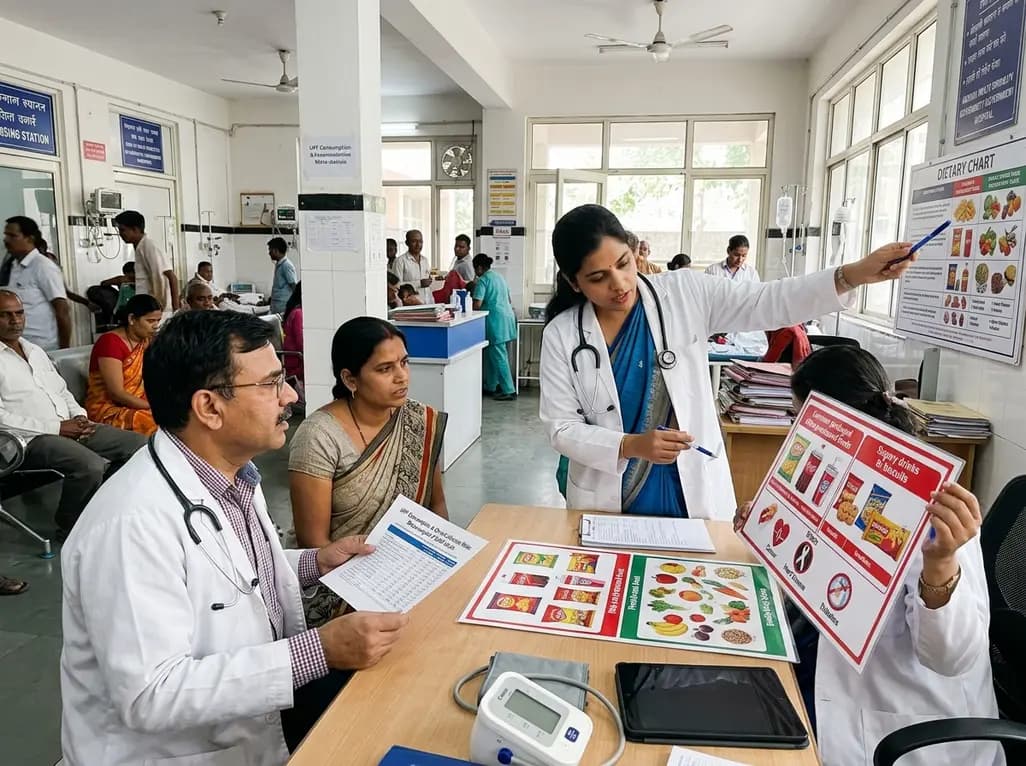
A landmark dose-response meta-analysis of 8.8 million adults reveals that high ultra-processed food intake significantly elevates risks for cardiovascular disease, cancer, diabetes, depression, and all-cause mortality, highlighting urgent needs for clinical lifestyle interventions.
Today
