

Loading, please wait...
Loading, please wait...

Surgical intervention for a supplementary motor area glioma represents one of the most formidable challenges in modern neuro-oncology. The supplementary motor area coordinates complex voluntary motor planning, bimanual coordination, and initiation of speech. Consequently, surgical debulking in this eloquent medial frontal territory frequently induces a distinct constellation of acute deficits known as supplementary motor area syndrome. Patients often awake with dense contralateral hemiparesis and expressive mutism. Fortunately, these acute post-surgical deficits frequently follow a dramatic trajectory of spontaneous recovery. A landmark 15-year single-center cohort study evaluates these longitudinal functional dynamics. Therefore, clinicians must understand the underlying neuroanatomical networks, expected timelines of recovery, and structured postoperative rehabilitation pathways to deliver optimal multidisciplinary patient care.
Achieving extensive tumor cytoreduction remains the primary prognostic driver in diffuse frontal gliomas. However, removing tissue in the medial frontal lobe inevitably disrupts critical premotor networks. The 15-year cohort study investigated 46 adult patients undergoing resection of WHO grade 2 to 4 lesions involving or adjacent to the supplementary motor area. The cohort presented with a mean age of 41.5 years, representing a prime working-age demographic. Importantly, neurosurgeons achieved gross total resection in 71.7% of cases, underscoring the feasibility of aggressive tumor debulking in eloquent cortex. Additionally, the surgical procedures demonstrated an exceptional safety profile, resulting in a 0% 30-day perioperative mortality rate. Overall postoperative surgical and systemic morbidity was restricted to 17.4%. Consequently, these findings confirm that maximal oncological resection remains viable without inducing irreversible operative catastrophe, provided that surgical teams anticipate transient functional disruptions.
Immediately following surgical extubation, clinical presentations can appear alarming to bedside clinicians and family members alike. On the first postoperative day, severe motor deficits manifested in 54.3% of the study cohort. Concurrently, severe language impairment emerged in 56.5% of operated individuals. These deficits stem from the acute disconnection of corticospinal drives, striatal loops, and the frontal aslant tract. In addition, localized postoperative edema and microvascular shifts exacerbate immediate regional functional suppression. The classic presentation includes contralateral limb akinesia and severe transcortical motor aphasia or complete mutism. Fortunately, sensory perception and ocular movements remain entirely intact throughout this phase. Clinicians must recognize that these dramatic initial presentation scores do not signify a catastrophic permanent stroke. Instead, they reflect acute network silencing that typically reverses as functional compensation begins.
The natural course of supplementary motor area syndrome features remarkable functional resilience driven by neural plasticity. By the first structured postoperative follow-up visit, severe motor deficits dropped dramatically from 54.3% down to only 8.9%. Similarly, severe language impairment plummeted from 56.5% to 8.9%. Most patients achieved substantial functional recovery within the first three postoperative months. Compensation occurs predominantly through the recruitment of the intact contralateral supplementary motor area and adjacent premotor cortices. Nevertheless, functional recovery was not universally absolute across all examined patients. A recognizable subset of patients retained subtle, persistent fine-motor dexterity difficulties and residual word-finding hesitations. Furthermore, older age was significantly associated with persistent arm paresis. Hence, older individuals exhibit diminished neuroplastic adaptability, necessitating prolonged surveillance and modified recovery expectations.
A pivotal insight from the 15-year investigation involves the divergence between focal neurological restoration and overall patient performance. While conventional neurological motor and language examination scores showed marked resolution by three months, reductions in Eastern Cooperative Oncology Group performance status persisted in a notable patient fraction. These persistent performance limitations highlight the reality that standard focal neurological scores frequently overlook subtle executive dysfunction, profound central fatigue, and reduced physical stamina. Patients may exhibit normal bedside muscle strength yet struggle with complex multitasking, bilateral manual tasks, and workplace reintegration. Consequently, neuro-oncologists must expand routine clinical assessments beyond standard motor strength scales. Incorporating formal occupational testing, cognitive metrics, and global functional status tools ensures a realistic appraisal of true functional recovery.
Given the abrupt nature of post-resection functional decline, hospitals must institute proactive and structured discharge planning pathways. In the reported cohort, 39% of patients required direct transfer at discharge to specialized inpatient neurorehabilitation units. Furthermore, 85% of individuals discharged directly home received organized community-based physical, speech, and occupational rehabilitation. Multimodal neurorehabilitation stimulates brain plasticity, accelerates motor relearning, and helps patients safely circumvent transient speech apraxia. Preoperative patient and family counseling is equally critical before undertaking resection. When surgical teams thoroughly educate families regarding expected transient mutism and temporary hemiplegia prior to surgery, psychological distress diminishes significantly. Structured multidisciplinary care pathways thus bridge the critical gap between acute surgical insult and successful long-term community reintegration.
Supplementary motor area syndrome is a transient postoperative condition characterized by acute contralateral motor weakness, limb akinesia, and speech impairment or mutism. It occurs following surgical resection of lesions within the medial superior frontal gyrus due to the temporary disruption of complex motor initiation pathways and supplementary frontal networks.
Most patients experience the most dramatic recovery within the first three months following surgery. While severe motor and speech impairments affect over half of patients on postoperative day one, less than nine percent exhibit severe residual deficits by the first outpatient follow-up through active neuroplastic compensation.
Global ECOG performance status encompasses endurance, executive coordination, and mental fatigue that standard neurological motor examinations do not capture. Consequently, patients might achieve normal limb power and basic verbal fluency while continuing to experience subtle cognitive slowness, reduced stamina, and difficulties with complex daily functional demands.
Disclaimer: This content is for informational and educational purposes only. It is not intended to be a substitute for professional medical advice, diagnosis, or treatment. Always seek the advice of your physician or other qualified health provider with any questions you may have regarding a medical condition. Refer to the latest local and national guidelines for clinical practice.
References

Read summarized clinical updates, watch expert medical content, and earn CME certifications right from your smartphone.
Open your smartphone camera to scan and install.





A 15-year cohort study reveals that while supplementary motor area glioma resection often causes acute neurological decline, substantial recovery occurs within three months. Structured rehabilitation, comprehensive performance assessment, and preoperative counseling are essential to optimize long-term patient outcomes.
Today

Standardizing continuous physiological waveforms in EHRs has long challenged clinical teams. The novel TIDE framework leverages HL7 FHIR R4 to decouple queryable clinical metadata from massive raw signal repositories, unlocking scalable telemetry exchange for bedside care and predictive research.
Today

A secondary analysis of the MOMS clinical trial reveals that infant sex does not influence neonatal opioid withdrawal syndrome severity in buprenorphine-exposed newborns. Maternal co-exposures and clinical factors drive outcomes, highlighting the need for objective assessment and supportive breastfeeding.
Today
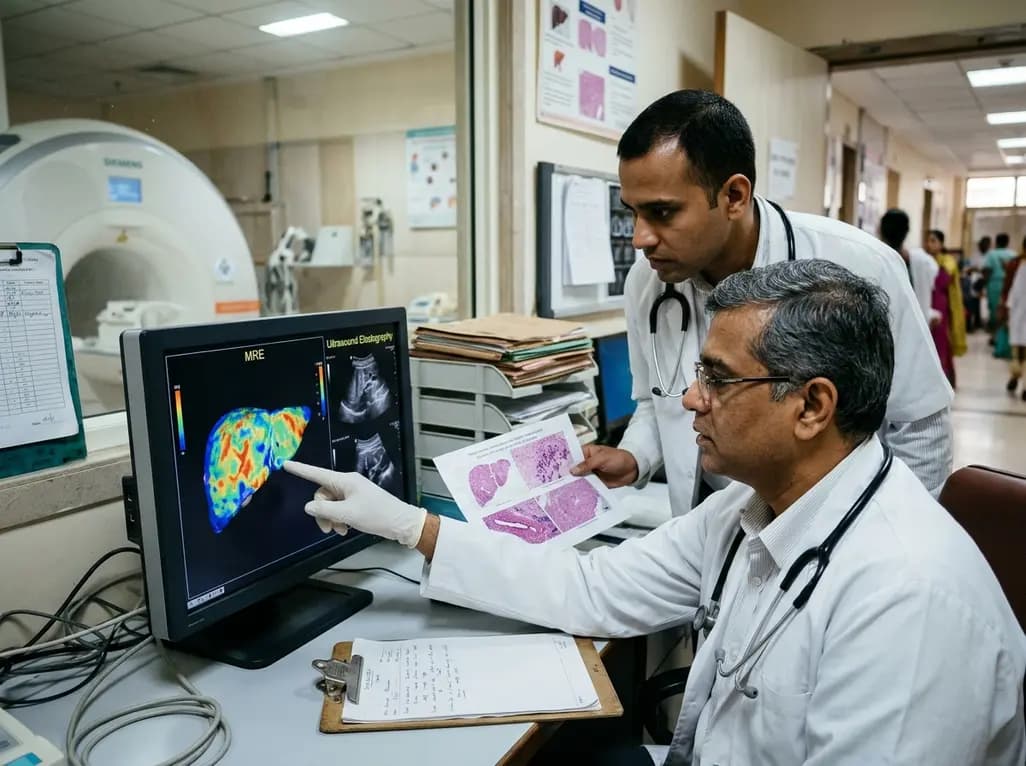
A comparative study reveals magnetic resonance elastography outperforms ultrasound elastography in assessing liver fibrosis in Fontan-associated liver disease, demonstrating stronger histological agreement and superior discrimination.
Today

A systematic review and meta-analysis highlights the substantial impact of plyometric jump training on jump performance, reactive strength, and landing kinematics in female team-sport athletes, providing evidence-based programming guidelines for sports medicine and orthopedics.
Today

A comprehensive review of the role of growth hormone in diabetic kidney disease and podocytopathy. Learn how elevated GH activates ZEB2, Notch, and TGF-beta1, driving podocyte loss and glomerulosclerosis, and explore novel targeted therapeutic approaches.
Today
