

Loading, please wait...
Loading, please wait...
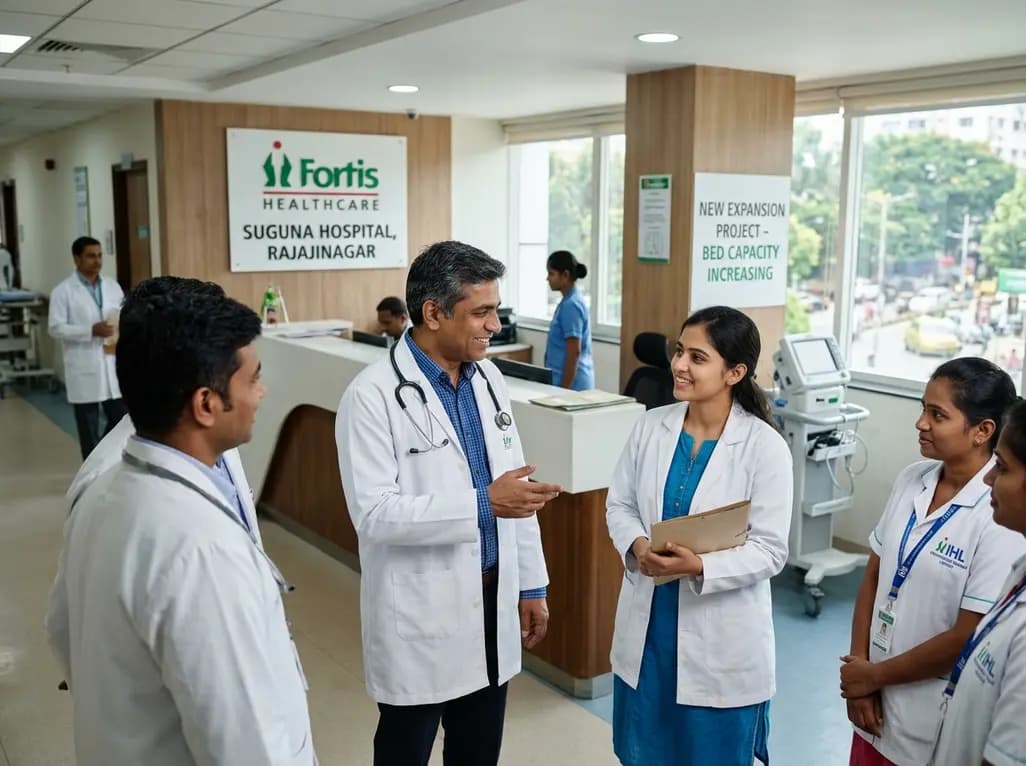
Fortis Healthcare has announced the completion of the Suguna Hospital acquisition in Bengaluru for approximately Rs 277 crore. This strategic move highlights the ongoing consolidation across India's private healthcare sector. The leading corporate chain executed the buyout through its wholly-owned subsidiary, International Hospital Limited. Consequently, the transaction enhances Fortis' operational footprint across key urban micro-markets. Moreover, it addresses growing patient demands for comprehensive tertiary care in Karnataka's capital.
The transaction involves an all-cash slump sale encompassing the entire operating business, real estate, and physical plant. Specifically, International Hospital Limited acquired the land, building, and medical assets belonging to Suguna Ramaiah Hospitals Private Limited. The transaction officially concluded on October 28, 2026. Therefore, Fortis secures immediate administrative and clinical control of this established facility on Dr Rajkumar Road in Rajajinagar. Furthermore, the asset reported operating revenues of nearly Rs 50 crore in the preceding fiscal year. Corporate hospital networks frequently utilize slump sales to expedite asset onboarding while avoiding cumbersome piecemeal transfers. In addition, this corporate structuring provides tax clarity and clean operational integration. Consequently, Fortis can rapidly deploy its proprietary clinical protocols and hospital information management systems. Healthcare leadership emphasizes that rapid administrative integration remains crucial for sustaining uninterrupted patient services. Thus, the hospital will swiftly adopt standardized procurement frameworks and supply chain practices. Meanwhile, the administrative teams will align human resources with broader organizational benchmarks. Overall, the transaction demonstrates disciplined capital deployment within targeted micro-markets. Ultimately, this approach accelerates operational integration while delivering immediate clinical value. Furthermore, industry analysts praise this rapid expansion.
The strategic significance of this milestone centers on geographic density and regional patient access. Notably, the Suguna Hospital acquisition reinforces Fortis' cluster-focused inorganic growth strategy across major metropolitan centers. North-West Bengaluru represents a bustling commercial and residential zone with elevated demand for specialized medical services. However, this dense urban corridor historically experienced limited availability of comprehensive tertiary hospital beds. By integrating Suguna Hospital, Fortis consolidates approximately 500 beds across its North-West network. This network already encompasses established facilities in Rajajinagar and the People Tree facility in Yeshwanthpur. Therefore, clinicians can seamlessly direct acute emergencies and complex elective cases to appropriate regional sites. Moreover, this regional consolidation brings Fortis' total operational bed count in Bengaluru to roughly 1,000 beds. Hospital administrators can leverage shared administrative overheads and medical talent across neighboring centers. Similarly, diagnostic labs and specialized imaging suites can serve overlapping catchment areas more effectively. Consequently, the expanded footprint enhances brand visibility while reducing duplicative expenditures. In addition, localized network density improves negotiation power with third-party administrators and medical equipment vendors. Ultimately, these operational synergies translate into elevated regional healthcare resilience and better clinical coordination.
Suguna Hospital commenced operations in 2006 on Dr Rajkumar Road on a prime one-acre parcel. Currently, the hospital houses 110 operational beds and delivers tertiary-level multispecialty healthcare services. However, the existing architectural blueprint allows for brownfield expansion up to 150 beds. Fortis plans substantial capital expenditure to modernize operating theaters, catheterization laboratories, and critical care units. In addition, the organization intends to upgrade diagnostic imaging with high-resolution computed tomography and magnetic resonance systems. Such targeted medical advancements will attract highly skilled subspecialists in cardiology, neurosurgery, and oncology. Furthermore, upgrading infection prevention controls and bio-safety standards remains an immediate clinical priority. Fortis will also revamp intensive care workflows by deploying certified intensivists and advanced telemetry monitors. Consequently, critically ill patients will benefit from continuous physiological monitoring and standardized resuscitation pathways. Meanwhile, nursing workflows will align with international safety protocols and medication administration guidelines. Notably, expanding bed capacity from 110 to 150 addresses urgent critical care shortages during peak seasonal illnesses. Thus, local practitioners will gain access to improved emergency stabilization and inpatient management capabilities. In the long term, these technical improvements ensure the facility meets evolving clinical accreditation benchmarks.
Urban healthcare systems across Indian tier-1 cities face intensifying pressures from rapid population expansion and shifting disease burdens. Non-communicable diseases such as cardiovascular disorders, diabetes, and stroke require rapid secondary and tertiary interventions. Therefore, regional micro-market hospital clusters present a viable operational answer to urban congestion. Patients frequently struggle to navigate massive centralized medical hubs during acute medical emergencies. In contrast, distributed secondary and tertiary hubs provide timely emergency access close to patients' homes. Consequently, golden-hour resuscitation for acute myocardial infarction and acute ischemic stroke improves markedly. Furthermore, Fortis' consolidation model illustrates how hospital chains achieve operational scalability without executing prolonged greenfield developments. Greenfield hospital development in congested metropolitan centers often faces exorbitant land costs and protracted regulatory approvals. Conversely, acquiring operational facilities allows immediate deployment of established clinical protocols and experienced personnel. In addition, this strategy bolsters public health resilience against urban epidemics and sudden surges in critical cases. Community doctors also gain dependable tertiary referral centers for intricate cases requiring specialized surgical care. Ultimately, cohesive urban hospital clusters optimize resource distribution and reduce patient travel distress in overburdened cities.
Acquisitions by prominent healthcare corporations inevitably reshape institutional clinical governance and quality benchmarks. Specifically, Fortis brings standardized medical audit systems, antimicrobial stewardship committees, and structured mortality reviews to Suguna Hospital. These systematic frameworks safeguard patient safety and curb the emergence of antimicrobial resistance within inpatient wards. Moreover, clinical leadership will enforce standardized surgical safety checklists and rigorous surgical site infection surveillance. Hospital clinicians will also integrate into multidisciplinary tumor boards and complex cardiology decision-making panels. Therefore, individual patient cases will benefit from collaborative medical insights across the larger national network. Furthermore, comprehensive digital health records will replace fragmented physical documentation across all departments. This transition facilitates seamless sharing of patient health summaries between outpatient clinics, intensive care, and diagnostic laboratories. In addition, continuing medical education programs will upskill junior resident medical officers and nursing staff. Better training directly improves patient outcomes and reduces clinical complications across acute surgical specialties. Similarly, standardized clinical pathways ensure transparent billing, ethical consenting, and objective medical decision-making for families. Ultimately, structured clinical governance bridges the gap between independent community care and corporate tertiary medicine. Consequently, local communities receive reliable, high-caliber clinical care backed by robust institutional oversight.
Q1: What are the key financial and structural details of the transaction?
Fortis Healthcare acquired Suguna Hospital through its wholly-owned subsidiary International Hospital Limited for approximately Rs 277 crore. The transaction was structured as an all-cash slump sale completed on October 28, 2026. This comprehensive deal transfers the complete operating business along with the underlying land and physical hospital building. Furthermore, Suguna Hospital reported revenues of roughly Rs 50 crore in fiscal year 2026, establishing an immediate commercial foundation for the buyer.
Q2: How does this acquisition influence hospital bed capacity in Bengaluru?
The acquisition directly adds 110 operational beds in Rajajinagar, with immediate architectural scope to expand capacity to 150 beds. Across North-West Bengaluru, this acquisition elevates Fortis' potential capacity to roughly 500 beds alongside its Rajajinagar and People Tree facilities. Consequently, Fortis now operates approximately 1,000 beds across Bengaluru. This expansion significantly strengthens regional inpatient access, critical care capabilities, and emergency coverage for local communities.
Q3: What clinical and operational improvements are planned for Suguna Hospital?
Fortis plans targeted capital investments to upgrade medical infrastructure, advanced diagnostics, and surgical facilities at Suguna Hospital. The organization will integrate specialized clinical programs, update intensive care units, and reinforce hospital-wide safety benchmarks. Furthermore, the facility will adopt standardized digital records and clinical pathways used across the Fortis network. Ultimately, these planned interventions will broaden multispecialty services, attract experienced medical specialists, and elevate overall patient safety standards.
Disclaimer: This content is for informational and educational purposes only. It does not constitute medical advice or replace professional judgment. Refer to the latest local and national guidelines for clinical practice.
References

Read summarized clinical updates, watch expert medical content, and earn CME certifications right from your smartphone.
Open your smartphone camera to scan and install.





International Hospital Limited, a subsidiary of Fortis, has completed the buyout of Rajajinagar's Suguna Hospital via an all-cash slump sale. The acquisition scales clinical infrastructure, adds 110 beds expandable to 150, and expands operational capacity to nearly 1,000 beds across the city of Bengaluru.
Today
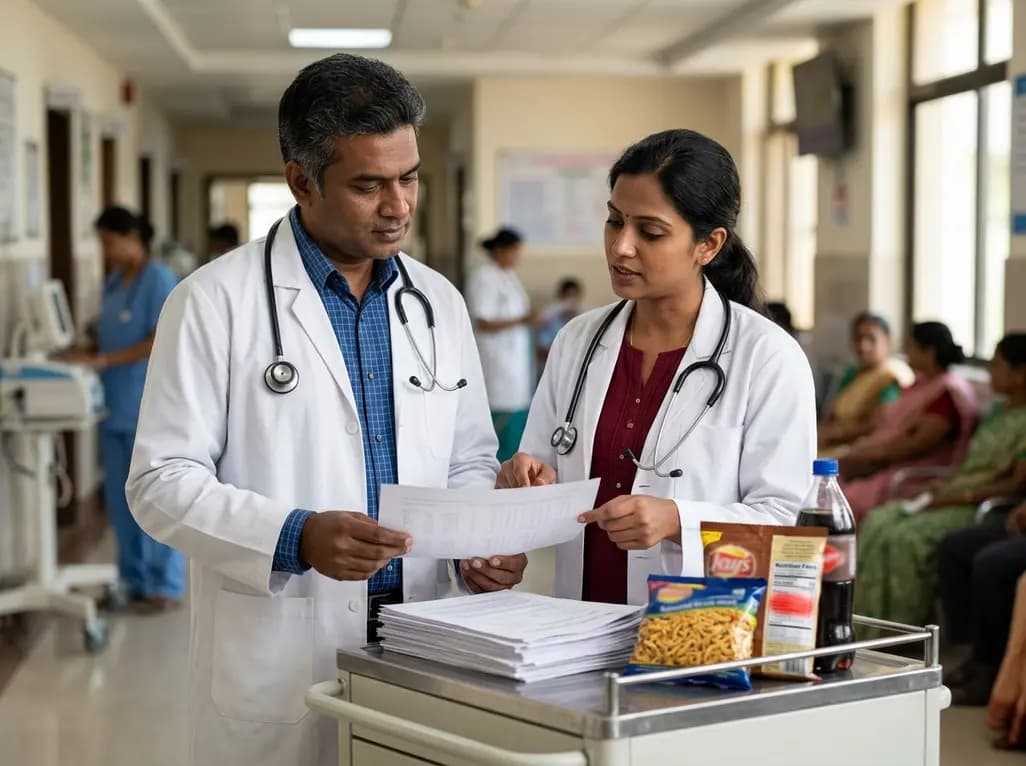
With packaged goods giant HUL backing FSSAI's proposed front-of-pack red warning labels for foods high in fat, sugar, and salt, India takes a major step toward curbing non-communicable diseases. Learn how clearer nutrition disclosures empower clinicians, inform consumer choices, and drive dietary reform.
Today
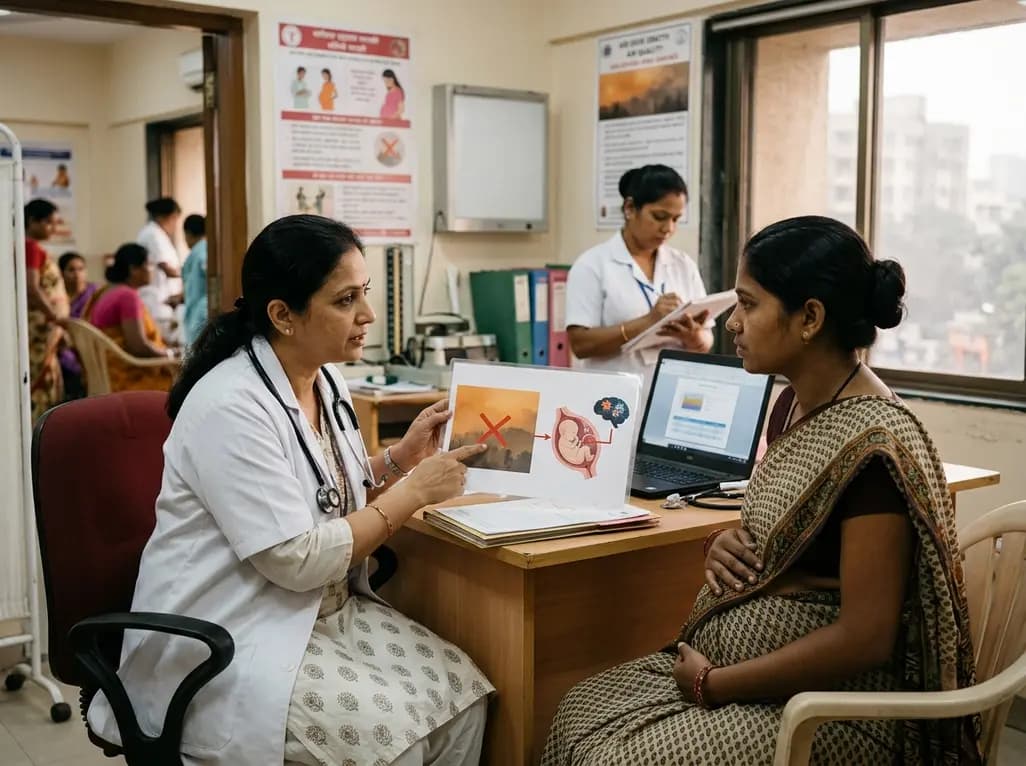
A nationwide cohort study published in JAMA Pediatrics reveals that maternal exposure to wildfire fine particulate matter, especially in late pregnancy, is linked to an elevated risk of childhood autism. Clinicians should evaluate ambient air quality risks and provide proactive protective counseling to mothers.
Today
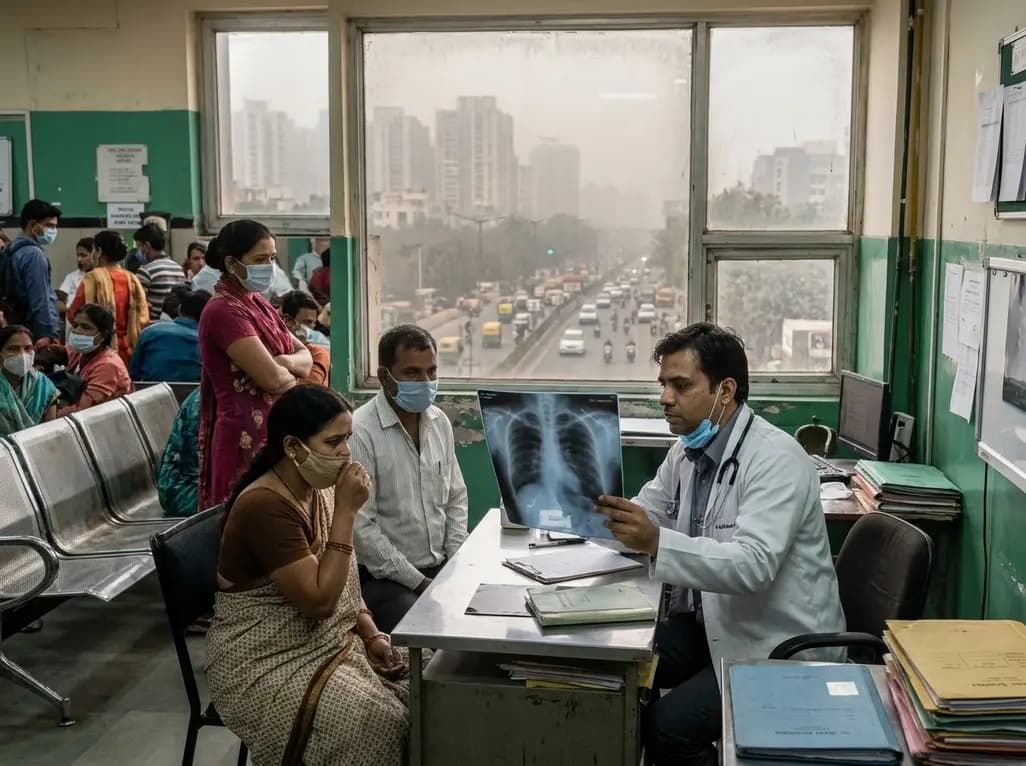
With India still adhering to 2009 air pollution benchmarks, the delayed NAAQS revision exposes populations to fine particulate matter far exceeding global safety limits. Clinicians face surging cardiopulmonary morbidity, emphasizing the urgent need for stringent, health-centered regulatory thresholds nationwide.
Today
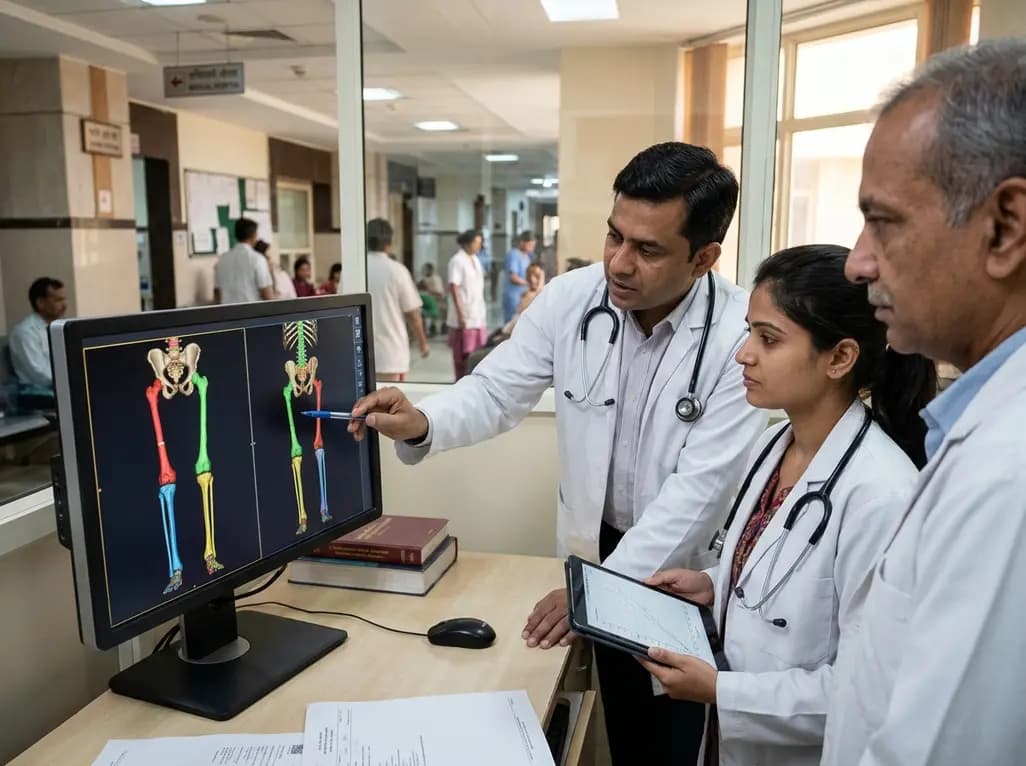
Modern 3D anthropometry reveals that pediatric leg growth ceases years before spinal elongation, exposing the clinical illusion of the classical Anderson-Green model. Learn how segmental growth dissociation improves surgical timing for epiphysiodesis in adolescent leg length discrepancy.
2 days back

A meta-analysis of 18 studies reveals that bariatric surgery does not significantly alter circulating homocysteine levels, regardless of follow-up duration. Clinicians must maintain vigilance over post-surgical micronutrient supplementation to prevent hyperhomocysteinemia.
2 days back
