.webp&w=384&q=75)

Loading, please wait...
Loading, please wait...

Clinicians worldwide encounter unique clinical challenges when managing substance use in refugees displaced by war and political instability. Individuals fleeing violent conflicts experience profound psychological distress, traumatic loss, and perilous journeys. Consequently, these adverse experiences significantly heighten their risk for secondary mental health conditions and addictive disorders. Despite this elevated vulnerability, displaced individuals consistently demonstrate lower rates of healthcare utilization and encounter structural barriers to addiction treatment. Many individuals avoid seeking clinical help because they fear deportation, experience pervasive social stigma, or struggle with linguistic barriers. Furthermore, host-country health systems frequently fail to understand the nuanced cultural presentations of chemical dependence. Medical teams often lack specialized diagnostic tools to recognize early warning signs of dependence in culturally diverse populations. Therefore, healthcare providers must evaluate the distinct biopsychosocial needs of displaced cohorts to deliver effective, culturally informed psychiatric interventions.
Recent epidemiological inquiries offer crucial insights into the clinical trajectories of these vulnerable populations. Specifically, displaced individuals often utilize psychotropic substances as maladaptive coping mechanisms to alleviate symptoms of severe trauma. However, conventional addiction services generally cater to host-country nationals, resulting in poorly tailored clinical pathways. When refugees present to outpatient services, their clinical presentations often diverge from domestic epidemiological trends. In response, international mental health guidelines advocate for trauma-informed approaches that integrate addiction therapy with broader psychosocial stabilization. Addressing these complex interactions requires clinicians to reexamine diagnostic frameworks and establish multidisciplinary treatment networks.
To clarify these distinct care needs, researchers performed an observational case-control study within specialized outpatient addiction facilities across three German federal states. The investigators examined comprehensive registry data recorded throughout the year 2020. They analyzed clinical episodes involving 719 refugee clients and matched them to 713 German-born individuals. Additionally, the team applied rigorous propensity score matching to balance confounding demographic variables between the two cohorts. The refugee cohort primarily comprised individuals displaced from regions experiencing protracted armed conflicts. Specifically, the final sample included 384 cases from Afghanistan, representing 26.8% of the total evaluated cohort. Furthermore, 214 participants originated from Syria, accounting for 14.9%, while 121 individuals originated from Iraq, comprising 8.4% of the cohort.
This methodological design allowed researchers to compare substance use characteristics and psychosocial parameters across matched groups directly. By controlling for baseline demographic variations, the researchers highlighted key differences in clinical presentation rather than socioeconomic artifacts. Moreover, the study focused on real-world outpatient treatment episodes, providing authentic reflections of outpatient care realities. Consequently, the findings yield vital empirical evidence regarding how displacement impacts addiction patterns and healthcare interactions. Clinicians can utilize these epidemiological metrics to refine triage criteria, optimize intake assessments, and allocate specialized medical resources more efficiently.
The comparative analysis demonstrated distinct substance consumption profiles between refugee clients and domestic German-born individuals. Among refugee clients seeking professional addiction treatment, cannabis emerged as the predominant primary substance, prompting 44.8% of all treatment consultations. In addition, opioid dependence constituted the second most frequent diagnostic reason for admission, representing 20.1% of the refugee sample. These proportions illustrate that cannabinoids and opioids drive the majority of treatment-seeking behaviors in this displaced population. Clinicians must recognize these distinct patterns to establish tailored pharmacological detoxification and relapse prevention strategies.
Remarkably, the study revealed substantial variations in consumption modalities between the two comparative cohorts. For example, refugees exhibited significantly lower rates of intravenous drug use compared to German-born individuals. Similarly, needle-sharing behaviors were significantly lower among refugee clients, reaching clear statistical significance. This reduced prevalence of parenteral administration indicates distinct risk profiles regarding blood-borne pathogens such as hepatitis C and human immunodeficiency virus. However, non-intravenous opioid consumption, including smoking or oral ingestion, still poses grave health hazards, including severe physical dependence and fatal overdose risks. Therefore, clinicians should avoid assuming uniform risk behaviors across all substance users and instead tailor harm reduction education to non-parenteral drug practices.
Beyond primary drug consumption features, the study identified striking differences across diverse psychosocial domains between the two cohorts. Notably, a significantly higher proportion of refugees resided in precarious provisional housing compared to German-born peers. Furthermore, rates of unemployment were substantially elevated among refugee participants, restricting their economic independence and stable community integration. Refugee clients were also significantly more likely to carry primary responsibility for minor children. Consequently, these structural stressors create profound daily strain, which complicates treatment adherence and exacerbates emotional vulnerability.
Simultaneously, the investigations highlighted major disparities in physical and psychological comorbidities. Refugees demonstrated significantly higher rates of co-occurring mental and physical health conditions compared to the domestic reference group. In particular, chronic somatic pain, sleep disturbances, and post-traumatic stress frequently coexisted with active chemical dependence. Moreover, interpersonal dynamics revealed important distinctions regarding violence exposure. Refugees were significantly more likely to report lifetime histories of violence victimization. In contrast, they exhibited significantly lower frequencies of perpetrating violent behaviors compared to German-born clients. Thus, the clinical profile reflects deep trauma and vulnerability rather than behavioral aggression. Clinicians must recognize that self-medication for unaddressed psychological pain often initiates and sustains chemical dependency in this vulnerable population.
The extensive differences between displaced clients and domestic cohorts demand fundamental structural adaptations within outpatient addiction systems. Traditional addiction services often operate in institutional isolation, focusing narrowly on substance cessation while neglecting broader living conditions. However, the multifaceted vulnerabilities documented in this research prove that isolated addiction interventions remain inadequate for refugees. Instead, clinical programs must establish robust linkages between addiction medicine, general primary care, and specialized psychiatric services. Because refugees carry substantial burdens of physical illnesses and psychological trauma, treating addiction without managing underlying somatic conditions invites clinical failure.
Additionally, therapeutic facilities must integrate comprehensive social work support directly into routine clinical pathways. Providing assistance with legal documentation, housing security, and childcare services directly alleviates systemic burdens that hinder therapeutic engagement. Furthermore, clinical teams must deploy trained medical interpreters and culturally validated screening instruments to prevent misdiagnoses. When clinicians implement trauma-informed modalities, they can address severe emotional dysregulation before initiating rigorous detoxification protocols. Ultimately, bridging addiction care with community-based social services fosters therapeutic trust and dramatically enhances long-term retention. Healthcare organizations that adopt this integrated paradigm empower clinicians to deliver equitable, compassionate, and highly effective addiction treatment to displaced populations.
Cannabis and opioids represent the primary substances that drive treatment seeking among refugees from conflict areas. Specifically, cannabis accounts for nearly forty-five percent of outpatient consultations, whereas opioid dependence causes approximately twenty percent. In contrast to domestic cohorts, refugees exhibit significantly lower rates of intravenous administration and needle sharing.
Refugees experience pervasive pre-migration trauma, severe armed conflict, and dangerous migration routes that generate profound psychological distress. Additionally, ongoing post-migration hardships, including unemployment and temporary housing, trigger chronic stress. Consequently, displaced individuals frequently suffer from co-occurring depression, post-traumatic stress disorder, and chronic somatic pain, using substances to cope with distressing psychiatric symptoms.
Addiction clinics must adopt integrated multidisciplinary care models that combine clinical pharmacology with trauma-informed psychotherapy and social services. Furthermore, clinics should provide certified medical interpreters, offer childcare assistance, and establish stable housing partnerships. Addressing structural socioeconomic stressors alongside chemical dependence significantly enhances treatment retention and clinical outcomes in displaced populations.
Disclaimer: This content is for informational and educational purposes only... Refer to the latest local and national guidelines for clinical practice.
References

Read summarized clinical updates, watch expert medical content, and earn CME certifications right from your smartphone.
Open your smartphone camera to scan and install.





A propensity-matched study evaluated outpatient addiction care needs among refugees from conflict-affected nations compared to German-born individuals, revealing high cannabis and opioid use, lower intravenous consumption, and significant psychosocial and trauma comorbidities requiring integrated care.
Today
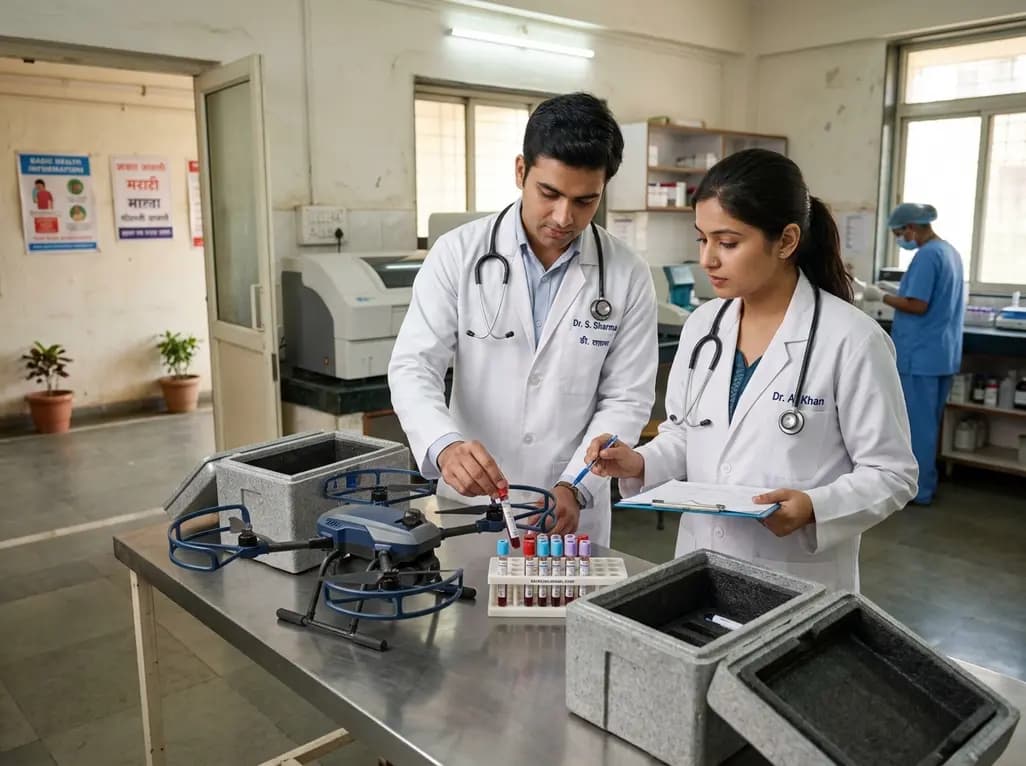
A study evaluating drone transport of blood samples across winter and summer found 31 of 32 routine biochemical analytes remained stable compared to ground transport. While plasma LDH showed minor increases, separation gel caused greater preanalytical alterations, showing aviation rules are the main barrier.
Today

A recent case highlights favorable maternal and neonatal survival in a patient presenting at 34 weeks with probable Eisenmenger physiology and suspected double outlet right ventricle (DORV). Here is a critical review of hemodynamic challenges, delivery strategies, and peripartum management in complex cardiac disease.
Today

A novel multiscale computational model calibrated with Bayesian algorithms demonstrates that full reverse remodeling after mitral valve regurgitation demands both mechanical correction of volume overload and neurohormonal restoration, shedding light on persistent postoperative left ventricular dysfunction.
Today
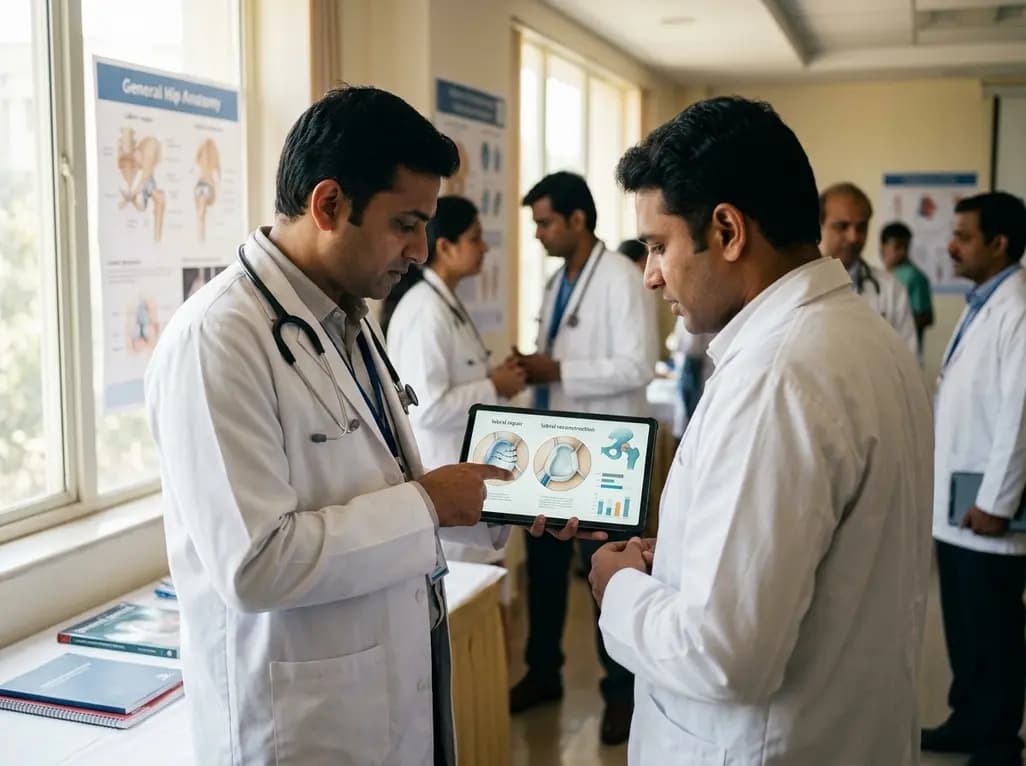
Systematic review comparing labral repair and reconstruction in primary hip arthroscopy shows comparable short- to mid-term patient-reported outcomes, with lower THA conversion after repair but superior outcomes for reconstruction in patients aged 40 and older.
Today

A preclinical study reveals that alpinetin significantly alters glimepiride pharmacokinetics by inhibiting CYP2C9. This drug-herb interaction enhances hypoglycemic potency and underscores critical safety concerns regarding severe hypoglycemia in diabetic management.
Today
