

Loading, please wait...
Loading, please wait...

Modern subarachnoid hemorrhage management has undergone significant structural transformation over the past two decades. Aneurysmal subarachnoid hemorrhage represents a severe neurovascular emergency with historically high rates of permanent neurological disability and premature death. However, dedicated neurocritical care units have driven meaningful improvements in long-term functional recovery. A comprehensive retrospective investigation evaluated 1,556 consecutive patients treated between 2002 and 2019 at a major academic tertiary medical center. The investigators sought to examine temporal patterns in therapeutic interventions and 1-year functional status. Across the eighteen-year observational window, clinical teams implemented progressive refinements in systemic resuscitation, targeted physiological neuroprotection, and definitive aneurysm occlusion strategies. Consequently, overall patient survival expanded steadily alongside a documented decrease in secondary cerebral injuries. Clinicians systematically addressed acute intracranial pressure crises, prevented recurrent rupture, and maintained strict hemodynamic targets. In addition, routine access to high-resolution neurovascular imaging accelerated definitive clinical decision-making. These unified systemic measures established a reliable foundation for sustained neurological salvage. Furthermore, the findings demonstrate that specialized multidisciplinary critical care directly influences long-term survival trajectories. Therefore, longitudinal evaluations provide vital real-world benchmarks for contemporary neurocritical protocols across global acute care settings.
Microsurgical clipping once served as the standard therapeutic method for definitive intracranial aneurysm securing. However, treatment paradigms shifted dramatically toward endovascular coiling over the eighteen-year observation period. The longitudinal cohort data demonstrated a statistically significant increase in endovascular coiling procedures over time. Interventional neuroradiologists progressively favored endovascular coil embolization because it avoids invasive craniotomies and reduces immediate parenchymal disruption. Moreover, continuous technological refinements in microcatheters, balloon assistance, and stent systems expanded endovascular feasibility to complex anatomical geometries. Rapid aneurysm securing remains paramount because early rerupture carries an exceptionally high mortality rate. Consequently, neurovascular teams prioritized securing ruptured aneurysms within 24 hours of hospital arrival. Although microsurgical clipping remains essential for select broad-based middle cerebral artery aneurysms, endovascular therapy has emerged as the frontline standard. Furthermore, early aneurysm occlusion permits intensive downstream hemodynamic therapy without the constant risk of catastrophic rebleeding. In addition, the less invasive endovascular approach lessens acute systemic inflammation, which supports faster physiological stabilization. Ultimately, this sustained transition toward minimally invasive repair fundamentally reshaped clinical practice while preserving vital neurological function across high-risk patient populations.
Delayed cerebral ischemia represents one of the most perilous secondary complications following aneurysmal subarachnoid hemorrhage. It typically arises between days 4 and 14 post-hemorrhage and historically causes extensive secondary ischemic infarction. Fortunately, the study revealed a significant decline in delayed cerebral ischemia rates over the multi-year study period. This reduction reflects substantial advancements in bedside surveillance and proactive neurointensive management. Clinicians routinely administered enteral nimodipine, which remains the cornerstone pharmacological intervention for neurovascular protection. In addition, intensive care specialists transitioned away from aggressive hypervolemic hydration toward strict euvolemia and targeted induced hypertension. Continuous transcranial Doppler sonography permitted early detection of cerebral vasospasm before permanent focal deficits emerged. When symptomatic arterial narrowing resisted pharmacological augmentation, endovascular specialists performed rescue intra-arterial vasodilator infusions or balloon angioplasty. Furthermore, protocolized avoidance of hyperthermia, hyperglycemia, and hypoxemia prevented secondary metabolic stress in vulnerable neural tissue. Therefore, structured physiological management markedly suppressed ischemic cascades and improved overall microvascular perfusion. As a result, fewer patients suffered debilitating delayed ischemic strokes during their neurocritical intensive care unit stays.
Evaluating long-term outcomes is critical because hospital discharge metrics frequently underestimate persistent physical and cognitive deficits. In this eighteen-year cohort of 1,556 patients, researchers evaluated functional independence at precisely one year using the modified Rankin Scale. The team defined an unfavorable functional outcome as a score between 4 and 6, which indicates severe disability or death. Overall, only 21 percent of patients experienced a poor 1-year functional outcome across the extended study timeline. Crucially, 1-year mortality exhibited a clear downward trend across consecutive calendar periods. In addition, the relative risk of experiencing severe functional dependence steadily declined as modern therapeutic algorithms matured. This progressive survival improvement occurred despite clinicians admitting older patients with greater baseline comorbid disease. Moreover, earlier clearance of cerebrospinal fluid through external ventricular drains or lumbar drainage helped mitigate acute intracranial hypertension. Consequently, patients achieved higher rates of functional autonomy and successful community reintegration. Therefore, sustained multidisciplinary enhancements generate durable functional benefits that persist long after intensive care discharge.
Accurate risk stratification allows intensive care teams to tailor monitoring intensity and inform clinical prognostication. The multivariable analyses identified several prominent independent variables that predict poor 1-year functional outcomes. Advanced patient age and poor neurological grade at presentation, measured by the World Federation of Neurosurgical Societies scale, strongly correlate with lasting disability. Furthermore, early elevation of bioclinical biomarkers, including serum troponin and S100-beta protein, signals severe initial brain injury and autonomic dysfunction. Procedural complications and incomplete aneurysm exclusion also significantly elevate the probability of unfavorable recovery. In addition, the acute development of hydrocephalus requiring temporary cerebrospinal fluid diversion marks elevated physiological vulnerability. However, understanding these clinical determinants enables physicians to identify high-risk individuals immediately upon hospital arrival. Consequently, clinical teams can intensify bedside multimodal neuromonitoring and deploy aggressive neuroprotective countermeasures without delay. Moreover, validated risk scores provide families with realistic prognostic expectations during critical acute hospitalization periods. Clinicians can thereby guide rehabilitative allocation toward patients who require extended physical and cognitive restoration.
The findings from this long-term cohort emphasize the profound clinical value of centralized, high-volume neurocritical care infrastructure. Tertiary centers handling high patient volumes consistently show superior procedural safety and lower mortality rates. Therefore, establishing standardized clinical pathways represents an urgent priority for hospitals managing acute neurovascular emergencies. Healthcare teams must ensure rapid access to digital subtraction angiography and continuous neuro-ICU monitoring. Furthermore, standardized protocols should enforce timely nimodipine delivery, precise euvolemic fluid management, and rapid endovascular intervention for vasospasm. Cross-disciplinary collaboration between neurosurgeons, interventional neuroradiologists, neurointensivists, and specialized rehabilitation teams optimizes every phase of recovery. In addition, post-discharge rehabilitation programs must address subtle executive dysfunction and emotional disturbances that standard motor examinations overlook. As therapeutic options continue to evolve, continuous institutional quality audits ensure adherence to evidence-based practices. Ultimately, adopting organized neurovascular care pathways directly translates clinical research into improved survival and functional independence for patients worldwide.
Modern subarachnoid hemorrhage management has shifted significantly from open microsurgical clipping toward endovascular coiling. Minimally invasive coil embolization avoids craniotomy and reduces early brain tissue trauma. Consequently, neurovascular teams now secure most ruptured aneurysms endovascularly within 24 hours of presentation, reserving microsurgical clipping primarily for complex anatomical configurations.
Delayed cerebral ischemia rates decreased due to standardized neurocritical protocols and improved surveillance. Routine administration of oral nimodipine, maintenance of strict euvolemia, and targeted blood pressure management protect vulnerable microcirculation. Furthermore, early detection via transcranial Doppler and prompt rescue endovascular interventions mitigate cerebral arterial vasospasm before irreversible infarction develops.
Primary predictors of poor 1-year outcomes include advanced chronological age, poor initial World Federation of Neurosurgical Societies grade, and elevated admission biomarkers like troponin or S100-beta. Additionally, acute hydrocephalus requiring cerebrospinal fluid drainage, incomplete aneurysm occlusion, and procedural complications significantly increase the risk of long-term functional disability.
Disclaimer: This content is for informational and educational purposes only... Refer to the latest local and national guidelines for clinical practice.
References

Read summarized clinical updates, watch expert medical content, and earn CME certifications right from your smartphone.
Open your smartphone camera to scan and install.





An 18-year study of 1,556 patients reveals major shifts in subarachnoid hemorrhage management. Increased endovascular coiling and protocolized neuro-ICU care significantly reduced delayed cerebral ischemia and improved one-year survival, highlighting key prognostic factors for clinical practice.
Today
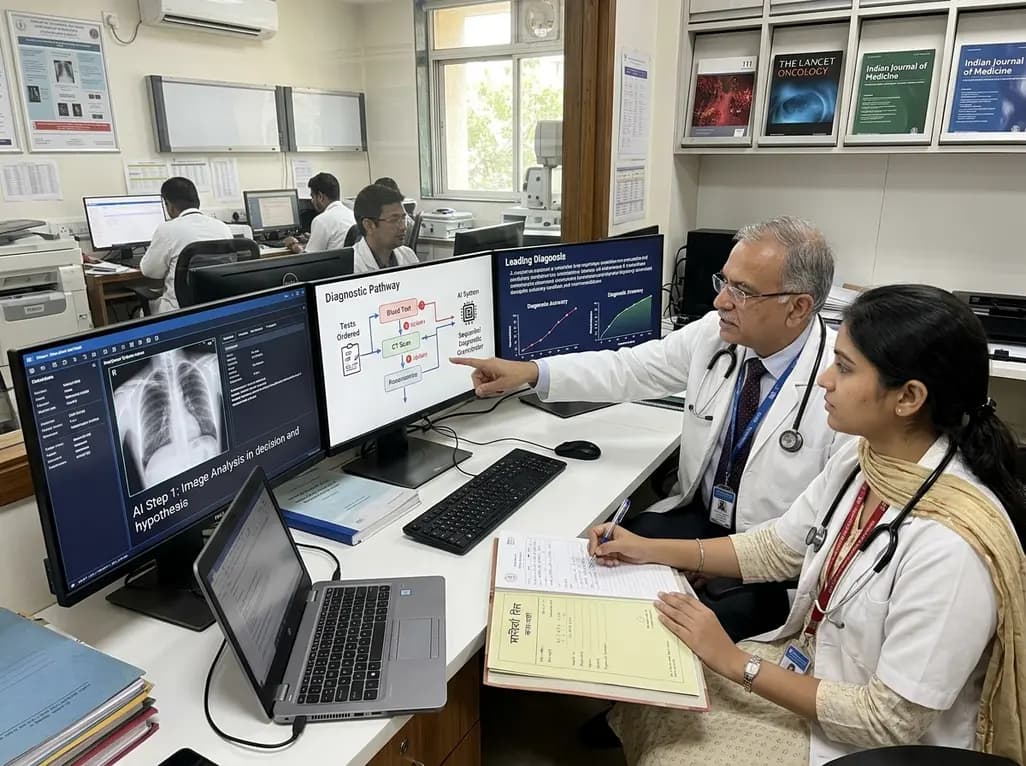
A breakthrough peer-reviewed study demonstrates that a sequential AI diagnosis system can mirror real-world clinical reasoning. By ordering stepwise tests and updating hypotheses dynamically, this multi-agent orchestrator achieved superior diagnostic accuracy while reducing investigative costs.
Today

A prenatal case highlights severe glutaric acidemia type II presenting as bilateral hyperechoic cystic kidneys at 18 weeks. Whole-exome sequencing revealed a novel homozygous ETFDH frameshift variant, demonstrating the power of rapid genetic testing in fetal renal anomalies.
Today

Review how tailored exercise programs benefit frail older patients with heart failure. Explore pathophysiological mechanisms, individualized training prescriptions, and strategies to overcome adherence barriers in clinical practice.
Yesterday

This comparative study evaluates posterior labral tears with and without glenohumeral instability, highlighting distinct demographic patterns, MRI underestimation in stable shoulders, and successful arthroscopic repair outcomes.
Yesterday

A clinical study demonstrates that early intervention with tocilizumab, either as monotherapy or bridged with corticosteroids, achieves significant proptosis reduction and resolves active inflammation in treatment-naive thyroid eye disease.
Yesterday
