.webp&w=384&q=75)

Loading, please wait...
Loading, please wait...

Psychological stress significantly alters systemic human physiology, triggering complex neuroendocrine cascades that impair host defense mechanisms. While clinicians have long observed the detrimental impact of chronic distress on cancer outcomes, the precise immunological cascades have remained elusive. Recent experimental findings elucidate how psychological stress accelerates hepatocellular carcinoma progression through coordinated neuroendocrine remodeling of innate immune cells. Researchers utilized restraint stress models across multiple murine strains and both sexes to evaluate liver tumor biology. Consequently, they revealed that chronic physical and psychological distress robustly accelerates primary hepatic tumor expansion. The investigation demonstrated that stress does not simply act directly on neoplastic hepatocytes; rather, it orchestrates extensive communication within the tumor microenvironment. Specifically, stress signals recruit and reprogram myeloid populations, converting circulating immune cells into active facilitators of tumor growth. Single-cell transcriptomic analyses showed that stress triggers dual signaling pathways involving sympathetic nervous system activation and the hypothalamic-pituitary-adrenal axis. These interconnected pathways alter the phenotypic properties of both hepatic macrophages and developing bone marrow neutrophils. Understanding these neuroimmune mechanisms opens vital avenues for comprehensive oncological care that addresses systemic physiological stress alongside targeted antineoplastic therapy.
Under physiological resting conditions, innate myeloid cells maintain tissue homeostasis and survey for emerging malignant clones. However, sustained psychological stress dramatically disrupts this regulatory equilibrium by releasing high concentrations of catecholamines and glucocorticoids. The sympathetic nervous system rapidly discharges epinephrine and norepinephrine, which subsequently engage adrenergic receptors on immune cells throughout peripheral tissues. Simultaneously, chronic distress stimulates the hypothalamic-pituitary-adrenal axis, elevating systemic levels of circulating corticosterone and cortisol. Experimental findings establish that these two distinct hormonal axes operate in synergy rather than isolation. While catecholamines alter local chemokine gradients within hepatic tissues, systemic corticosteroids initiate early reprogramming of myeloid progenitors before they exit hematological reservoirs. Single-cell sequencing demonstrates that this combined neuroendocrine surge fundamentally reshapes myeloid transcriptional programs across diverse tissue compartments. Consequently, the tumor microenvironment shifts from an immuno-competent state into a profoundly immunosuppressive niche. Stressed models consistently display accelerated neoplastic expansion, dense leukocyte infiltration, and defective cytotoxic clearance. Thus, these coordinated hormonal cascades provide a biological explanation for clinical observations linking severe psychosocial distress to adverse outcomes in patients with chronic liver diseases.
Macrophages represent a dominant innate immune component within the liver parenchyma and hepatic tumor microenvironment. When psychological distress triggers sympathetic discharge, released catecholamines directly stimulate beta-adrenergic receptors expressed abundantly on resident and infiltrating macrophages. Functional and transcriptomic analyses show that this receptor ligation stimulates intracellular downstream signaling cascades that enhance chemokine transcription. Most notably, beta-adrenergic signaling drives robust upregulation of Cxcl2 expression in hepatic macrophages. This marked elevation of chemokine production creates a potent chemical gradient that attracts circulating neutrophils into the tumor bed. When researchers blocked beta-adrenergic receptors pharmacologically in experimental models, macrophage chemokine production declined significantly, which prevented excessive neutrophil accumulation within liver tissues. Moreover, stressed macrophages adopt a protumorigenic functional state characterized by elevated production of angiogenic factors and immunosuppressive mediators. Rather than engulfing cellular debris or presenting tumor-associated antigens to lymphocytes, these reprogrammed macrophages actively protect neoplastic hepatocytes from immune-mediated destruction. Therefore, beta-adrenergic receptor activation on macrophages serves as a critical regulatory switch that coordinates subsequent recruitment of immunosuppressive cellular subsets into the malignant liver tissue.
Beyond macrophage-driven recruitment, psychological stress profoundly alters the intrinsic functional phenotype of neutrophils. Traditionally regarded as short-lived first responders against microbial pathogens, neutrophils can undergo complex transcriptional alterations that dictate whether they inhibit or promote tumor growth. The study revealed that hypothalamic-pituitary-adrenal axis activation leads to sustained elevations in circulating glucocorticoids. Corticosterone binds directly to glucocorticoid receptors in bone marrow myeloid progenitors and mature neutrophils, initiating profound transcriptional reprogramming before these cells enter systemic circulation. This glucocorticoid receptor-dependent signaling induces specific immunosuppressive gene signatures within developing neutrophils, effectively blunting their tumoricidal capacity. When these primed neutrophils exit the bone marrow and respond to macrophage-derived CXCL2 gradients, they infiltrate the liver microenvironment in large numbers. Within the tumor stroma, these immunosuppressive neutrophils inhibit cytotoxic T lymphocyte infiltration, suppress natural killer cell function, and foster matrix remodeling favorable to local invasion. Importantly, this phenotypic reprogramming was evident across sexes and strains, confirming a fundamental biological mechanism. These findings highlight that neuroendocrine stress impairs antitumor immunity not merely at the tumor site, but through systemic pre-conditioning of innate immune development.
These mechanistic discoveries provide profound insights into clinical management, particularly because patients facing primary liver cancer frequently experience substantial emotional and physiological distress. Hepatocellular carcinoma progression often occurs against a backdrop of chronic liver cirrhosis, where underlying inflammatory and autonomic dysregulation already exists. The demonstration that sympathetic and glucocorticoid pathways orchestrate an immunosuppressive myeloid niche highlights why unmanaged chronic stress may accelerate clinical deterioration. Furthermore, modern oncology increasingly relies on immune checkpoint inhibitors, such as anti-PD-L1 and anti-CTLA-4 monoclonal antibodies, to treat advanced liver cancer. When myeloid cells heavily infiltrate tumors and exert immunosuppressive effects, they can compromise the therapeutic efficacy of these checkpoint immunotherapies. By identifying macrophage CXCL2 production and glucocorticoid-driven neutrophil suppression as key drivers, clinicians can appreciate how systemic neuroendocrine stress actively counteracts therapeutic immune activation. Assessing psychological distress and autonomic parameters in patients with liver diseases may therefore offer valuable prognostic information. As translational research continues to delineate neuro-immune-oncology interactions, treating the systemic physiological milieu emerges as an essential component of comprehensive cancer care.
Translating these findings into clinical practice requires a multifaceted approach that addresses both pharmacological and lifestyle dimensions. From a pharmacological standpoint, beta-adrenergic receptor antagonists represent a promising repurposing strategy. Non-selective beta-blockers, such as propranolol, are already widely utilized in hepatology to manage portal hypertension in cirrhotic patients. Clinical evidence suggests that beta-blockade may independently reduce liver cancer incidence and slow tumor growth by mitigating catecholamine-driven immune suppression. Additionally, selective glucocorticoid receptor antagonists or chemokine receptor blockers could theoretically disrupt stress-induced myeloid recruitment. However, pharmacological intervention alone is insufficient to address the holistic burden of cancer-related distress. The study emphasizes that structured non-pharmacological stress-reduction strategies represent an indispensable complementary paradigm. Evidence-based interventions, including mindfulness-based stress reduction, cognitive behavioral therapy, structured physical exercise, and yoga, demonstrate measurable success in lowering circulating cortisol and sympathetic tone. Integrating psychological support services into routine oncological workflows empowers patients, improves emotional resilience, and directly optimizes the underlying biological microenvironment. Consequently, multidisciplinary teams should combine guideline-directed antineoplastic regimens with targeted stress mitigation to achieve optimal clinical outcomes.
Chronic psychological stress stimulates both sympathetic nerves and the adrenal glands, releasing catecholamines and glucocorticoids. Catecholamines activate beta-adrenergic receptors on hepatic macrophages, driving high expression of neutrophil-attracting chemokines like CXCL2. Simultaneously, elevated glucocorticoids act on bone marrow neutrophils via glucocorticoid receptors, reprogramming them into an immunosuppressive phenotype. Consequently, large numbers of immunosuppressive neutrophils infiltrate hepatic tumor tissues, blunting cytotoxic lymphocyte activity and accelerating malignant tumor expansion.
Preclinical data demonstrate that non-selective beta-blockers inhibit catecholamine-mediated macrophage activation, thereby suppressing CXCL2 release and reducing immunosuppressive neutrophil recruitment. In hepatology practice, beta-blockers like propranolol are routinely prescribed for portal hypertension, and retrospective cohort studies indicate an associated reduction in liver cancer progression risk. While prospective clinical trials are evaluating beta-blockers as adjunct oncological therapies, clinicians should currently administer them according to established cardiovascular and hepatology clinical practice guidelines.
Evidence-based non-pharmacological modalities include mindfulness-based stress reduction, cognitive behavioral therapy, guided relaxation techniques, and structured aerobic exercise. These complementary interventions significantly attenuate autonomic nervous system hyperactivity and normalize hypothalamic-pituitary-adrenal axis function. By reducing circulating systemic cortisol and catecholamine concentrations, these mind-body practices help diminish stress-induced myeloid immunosuppression. Integrating these interventions into comprehensive cancer care enhances patient emotional well-being while supporting host antitumor physiological defenses alongside conventional oncological treatments.
Disclaimer: This content is for informational and educational purposes only. It is not intended to provide medical advice or substitute for professional medical judgment. Refer to the latest local and national guidelines for clinical practice.
References

Read summarized clinical updates, watch expert medical content, and earn CME certifications right from your smartphone.
Open your smartphone camera to scan and install.





A breakthrough study shows psychological stress accelerates hepatocellular carcinoma progression through neuroendocrine pathways. Sympathetic and HPA axis signaling reprograms macrophages and neutrophils into an immunosuppressive phenotype, highlighting the value of pharmacological and stress-reduction interventions.
last month

Discover how to identify superimposed entrapment neuropathy in diabetic patients. This review details clinical evaluation, surgical decompression evidence, and a structured algorithm for primary care referrals to prevent ulcers and preserve limb function.
Today

A retrospective cohort study evaluated 1,000 low-risk singleton births to assess maternal and neonatal outcomes during office-hours versus off-hours. Off-hours deliveries were significantly associated with higher odds of intrapartum cesarean sections and episiotomies, highlighting critical obstetric staffing considerations.
Today

New clinical evidence demonstrates a shift away from strict exercise restrictions in genetic heart disease. While patients with channelopathies engage in more vigorous activity than those with cardiomyopathies, shared decision-making and individualized risk assessments ensure safe, beneficial exercise participation.
Today
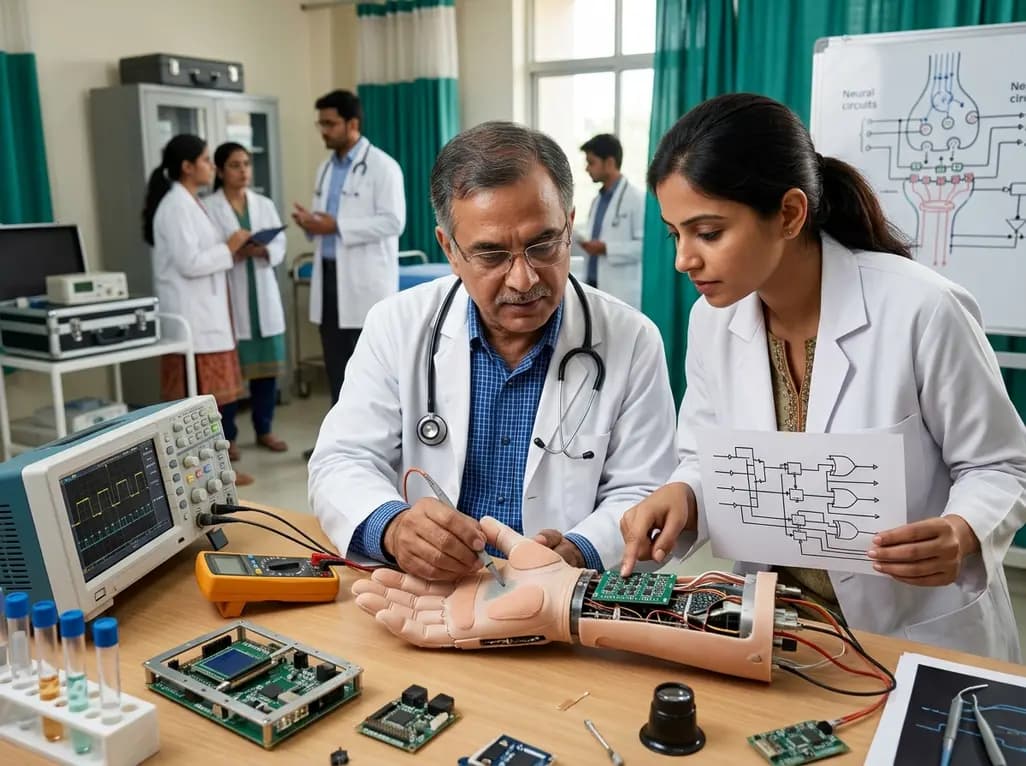
Researchers have engineered an artificial sensory-pain integrated receptor using a multi-threshold organic synaptic transistor. The system distinguishes benign touch from noxious stimuli, enabling safer, more responsive prosthetic limbs with built-in memory and simplified hardware architecture.
Today
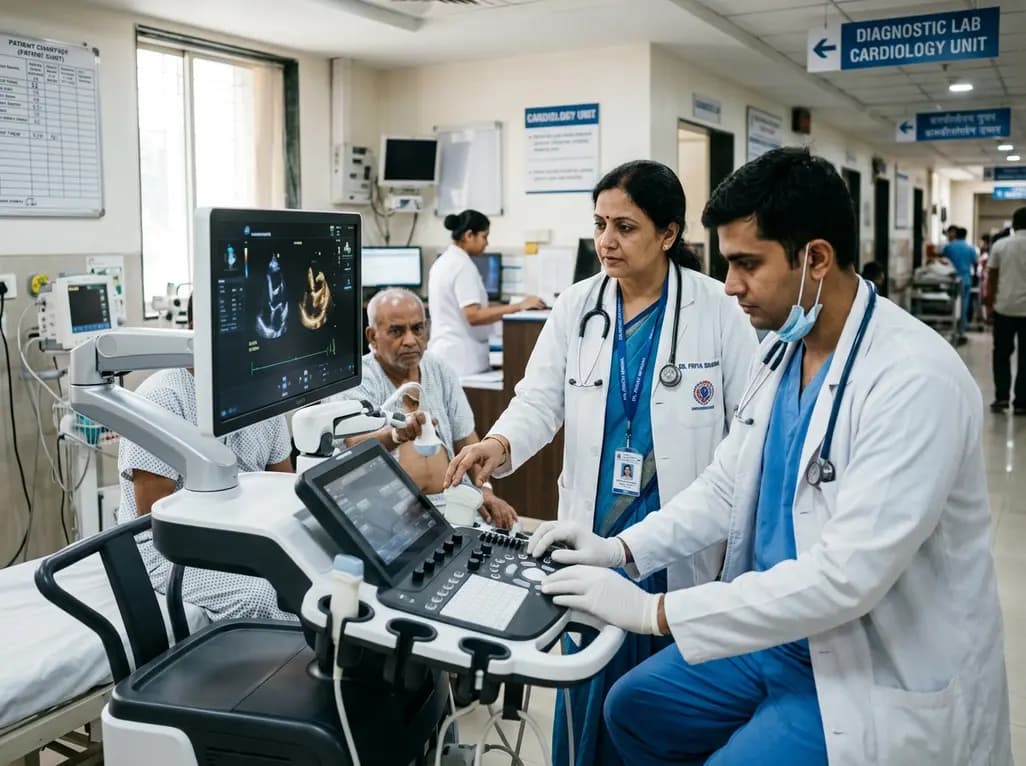
Medical robotics is transitioning beyond operative suites into diagnostics, cardiology, and endocrinology. Explore how innovations in tele-robotics, AI integration, and nanomedicine are overcoming geographical barriers and transforming precision healthcare delivery across India's evolving disease landscape.
Today
