.webp&w=384&q=75)

Loading, please wait...
Loading, please wait...

Cardiologists historically advised complete exercise restriction for patients diagnosed with inherited cardiovascular conditions. However, recent evidence indicates that genetic heart disease exercise recommendations have shifted dramatically toward safe, individualized physical activity. For decades, clinicians worried that vigorous exertion would trigger fatal arrhythmias or accelerate adverse cardiac remodeling. Consequently, clinicians routinely barred individuals with channelopathies or cardiomyopathies from competitive athletics and recreational pursuits. This overly cautious approach fostered sedentary lifestyles, increased metabolic risks, and diminished overall patient well-being. In contrast, modern sports cardiology emphasizes the substantial psychological and cardiovascular benefits of structured training. Contemporary clinical registries demonstrate that moderate-to-vigorous exercise rarely provokes malignant cardiac events when patients receive appropriate medical therapy. Therefore, international consensus statements now support shared decision-making rather than categorical disqualification. A landmark survey conducted across a specialized clinic examined attitudes and behaviors over a decade. The results showed a significant decline in physician-directed exercise bans. Today, physicians recognize that completely avoiding physical activity causes more cardiometabolic harm than controlled, guideline-directed exercise. Ultimately, this paradigm shift allows patients to maintain active lifestyles while managing their underlying genetic predispositions responsibly.
Over the past decade, clinical attitudes toward sports participation in inherited heart conditions have changed remarkably. Specifically, longitudinal survey data spanning ten years show that physician recommendations no longer act as the dominant barrier to workouts. In previous eras, up to eighty percent of patients cited physician prohibition as the primary reason for avoiding sport. However, as international practice guidelines introduced more permissive recommendations, clinicians gradually softened their strict stances. Patients surveyed across twelve-month, five-year, and ten-year intervals reported a statistically significant drop in medical discouragement. Furthermore, sports cardiology clinics now provide comprehensive risk assessments that encourage patients to achieve standard public health physical activity targets. As a result, individuals with genetic heart disease feel empowered to engage in recreational activities without the constant fear of sudden decompensation. Nevertheless, clinicians must communicate nuances effectively during outpatient consultations. While blanket bans have diminished, open dialogue regarding individual symptom thresholds remains essential. Patients benefit greatly when their cardiologists explain specific warning signs, such as presyncope or chest discomfort during exertion. Thus, diminishing medical restrictions reflect mature clinical science that balances cardiovascular safety with the well-known systemic benefits of regular endurance training.
Physical activity patterns differ substantially across distinct diagnostic categories within sports cardiology. In particular, recent activity recall data indicate that patients with channelopathies achieve significantly higher volumes of walking and vigorous exercise than those with cardiomyopathies. Channelopathies, such as long QT syndrome and Brugada syndrome, primarily disrupt electrical repolarization without causing immediate structural myocardial impairment. Consequently, these patients often maintain normal functional capacity and preserved stroke volume during sustained exertion. In contrast, individuals living with hypertrophic cardiomyopathy or dilated cardiomyopathy frequently experience structural alterations, elevated filling pressures, and reduced microvascular perfusion. Therefore, physical limitations in cardiomyopathy cohorts stem largely from reduced physiological reserve, exertional dyspnea, and muscle fatigue rather than psychological hesitation alone. Moreover, guidelines handle these phenotypes differently regarding competitive sports and environmental triggers. For example, individuals with long QT type 1 must avoid competitive swimming, whereas patients with catecholaminergic polymorphic ventricular tachycardia require strict heart rate modulation. Understanding these distinct pathophysiological boundaries enables cardiologists to tailor exercise prescriptions accurately. By accounting for structural integrity alongside electrical vulnerability, practitioners can optimize functional performance while avoiding inappropriate exercise limitations for genetically affected individuals.
A striking finding from contemporary patient surveys is that physical activity rates do not differ between high-risk and low-risk cohorts. Clinicians traditionally expected individuals at elevated risk for sudden cardiac death to exercise significantly less than low-risk individuals. However, empirical studies reveal that exercise participation remains comparable regardless of whether a patient has an implantable cardioverter-defibrillator or elevated risk scores. This observation underscores the complex psychosocial reality of living with an inherited cardiac condition. For instance, high-risk patients who receive implantable defibrillators often experience psychological reassurance, which encourages them to pursue vigorous activities. Conversely, some low-risk patients continue to experience excessive apprehension despite favorable clinical prognoses. Furthermore, functional capacity often correlates poorly with arrhythmic risk scores, meaning that high-risk individuals may feel physically energetic and eager to train. Therefore, risk stratification alone cannot predict real-world exercise behaviors. Cardiologists must conduct proactive behavioral assessments alongside conventional electrophysiological evaluations. In addition, healthcare teams must emphasize that high-risk features require structured exercise boundaries and device programming adaptations. By decoupling subjective exercise choices from unguided assumptions, clinicians can provide safer exercise prescriptions that acknowledge actual arrhythmic vulnerability without needlessly constraining functional autonomy.
Although physician-imposed restrictions have declined, significant individual barriers continue to hinder sustained exercise participation. Qualitative feedback reveals that personal fear of triggering an arrhythmic event remains a powerful obstacle for many diagnosed individuals. In addition, patients frequently report chronic fatigue, musculoskeletal limitations, and general time constraints as everyday hurdles. Because genetic heart disease requires lifelong management, psychological distress can easily amplify perceived somatic sensations during workout sessions. For example, benign sinus tachycardia or normal exertional breathlessness may provoke panic in an individual who worries about sudden arrest. Moreover, Indian clinicians encounter unique sociocultural considerations, including familial anxiety, limited access to specialized sports cardiology units, and cultural stigmas surrounding cardiac disorders. To overcome these persistent obstacles, multidisciplinary cardiology programs should integrate psychological counseling and gradual exercise exposure. Supervised training sessions allow patients to experience elevated heart rates safely in monitored clinical environments. Consequently, patients build vital self-efficacy and learn to distinguish normal physiological strain from pathological symptoms. Addressing non-diagnostic factors directly will ultimately empower patients in India and globally to achieve lasting cardiovascular fitness.
Modern sports cardiology encourages individualized, moderate-to-vigorous exercise for most individuals with genetic heart conditions. Instead of issuing automatic restrictions, clinicians perform comprehensive risk evaluations, including genetic testing, echocardiography, and cardiopulmonary stress testing. Shared decision-making allows patients and doctors to weigh cardiovascular benefits against specific arrhythmic hazards. Consequently, many stable patients can safely participate in recreational activities and competitive sports while maintaining regular clinical surveillance and adhering to tailored medical therapies.
Patients with channelopathies generally possess preserved ventricular architecture and normal mechanical pump function, allowing them to tolerate vigorous exertion comfortably. In contrast, individuals with cardiomyopathies often experience structural remodeling, impaired diastolic filling, and diminished stroke volumes during exercise. Therefore, physiological limitations like exertional dyspnea and physical fatigue constrain cardiomyopathy patients more directly. While channelopathy patients must avoid specific triggers like cold water immersion, their preserved functional reserve enables higher physical activity volumes.
Indian clinicians should conduct annual risk assessments, including resting electrocardiograms, echocardiograms, and exercise treadmill tests to determine safe physiological thresholds. In addition, patients must recognize vital warning symptoms, including lightheadedness, chest pain, or unexpected palpitations. Clinicians should advise exercising with informed partners, maintaining proper hydration in tropical climates, avoiding extreme heat, and ensuring rapid access to automated external defibrillators. Family members must also learn basic cardiopulmonary resuscitation to ensure immediate emergency preparedness.
Disclaimer: This content is for informational and educational purposes only... Refer to the latest local and national guidelines for clinical practice.
References

Read summarized clinical updates, watch expert medical content, and earn CME certifications right from your smartphone.
Open your smartphone camera to scan and install.





New clinical evidence demonstrates a shift away from strict exercise restrictions in genetic heart disease. While patients with channelopathies engage in more vigorous activity than those with cardiomyopathies, shared decision-making and individualized risk assessments ensure safe, beneficial exercise participation.
Today
Discover how to identify superimposed entrapment neuropathy in diabetic patients. This review details clinical evaluation, surgical decompression evidence, and a structured algorithm for primary care referrals to prevent ulcers and preserve limb function.
Today
A retrospective cohort study evaluated 1,000 low-risk singleton births to assess maternal and neonatal outcomes during office-hours versus off-hours. Off-hours deliveries were significantly associated with higher odds of intrapartum cesarean sections and episiotomies, highlighting critical obstetric staffing considerations.
Today
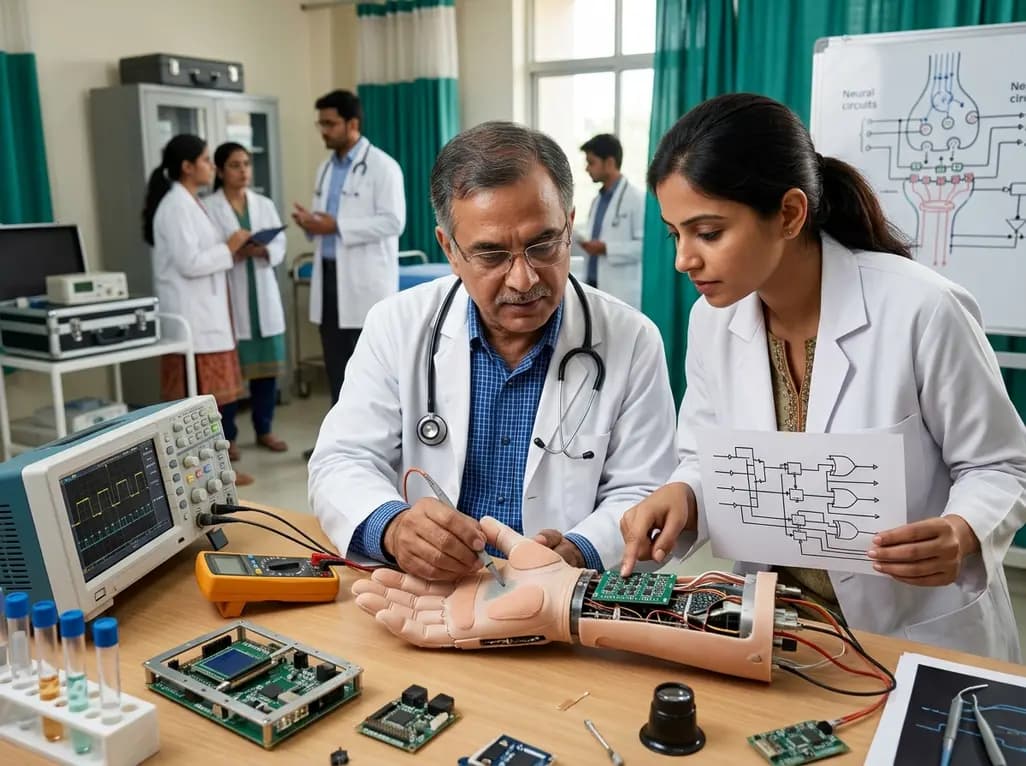
Researchers have engineered an artificial sensory-pain integrated receptor using a multi-threshold organic synaptic transistor. The system distinguishes benign touch from noxious stimuli, enabling safer, more responsive prosthetic limbs with built-in memory and simplified hardware architecture.
Today
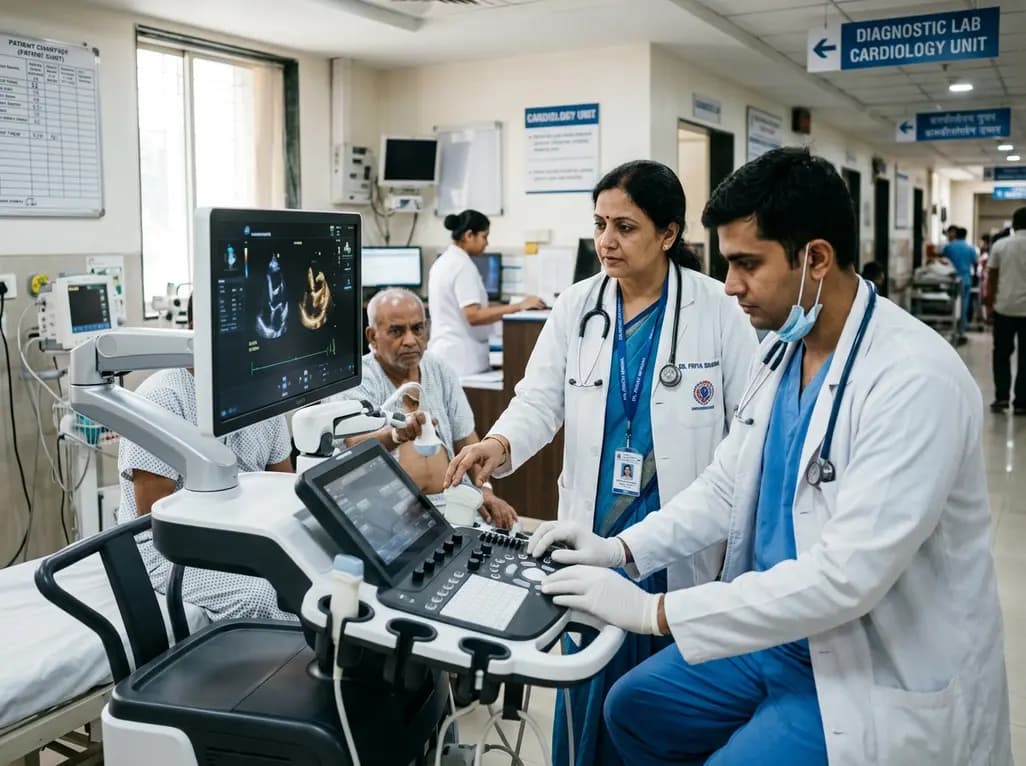
Medical robotics is transitioning beyond operative suites into diagnostics, cardiology, and endocrinology. Explore how innovations in tele-robotics, AI integration, and nanomedicine are overcoming geographical barriers and transforming precision healthcare delivery across India's evolving disease landscape.
Today
