.webp&w=384&q=75)

Loading, please wait...
Loading, please wait...
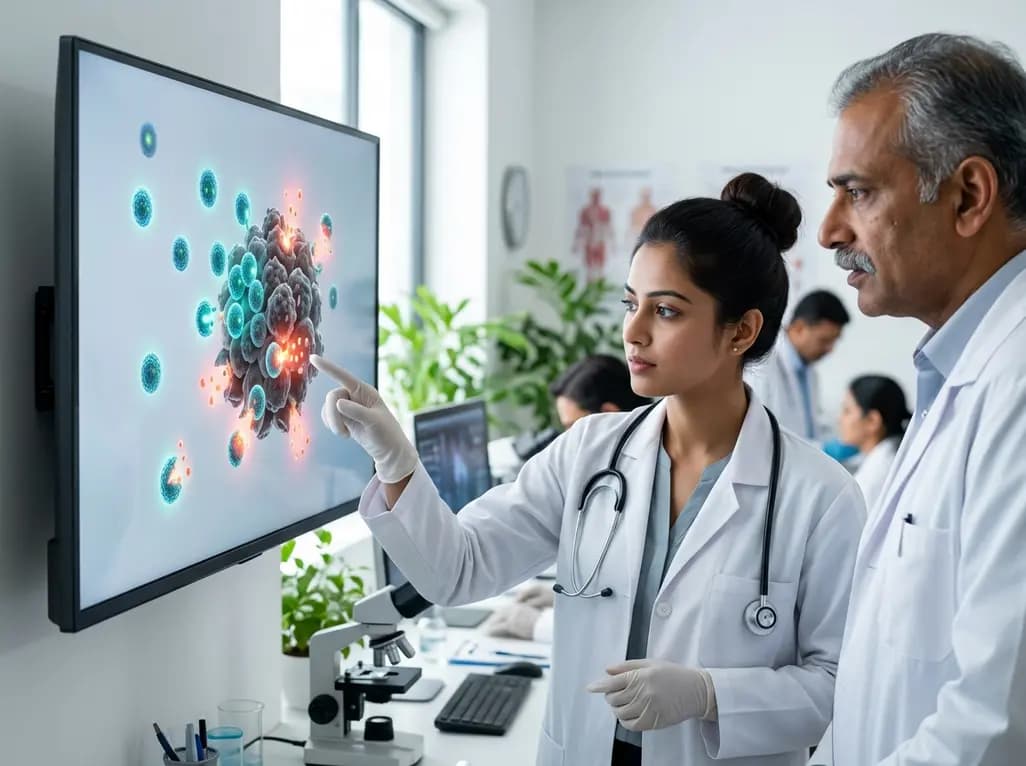
Cancer therapy requires extreme precision to avoid damaging healthy tissues. Consequently, researchers have developed stimuli-responsive nanogels as advanced nanocarriers for targeted drug delivery. These cross-linked hydrophilic nanoparticles offer high water content and exceptional biocompatibility. Furthermore, they react intelligently to physical and chemical changes within the body, such as pH fluctuations or temperature shifts. This adaptability makes them ideal for treating complex malignancies where traditional chemotherapy often fails.
The tumor microenvironment possesses unique chemical signatures, including high glutathione levels and acidic pH. Therefore, these smart nanocarriers remain stable in the bloodstream but release their cargo upon reaching the cancerous site. Specifically, stimuli-responsive nanogels bypass biological barriers and ensure high intracellular drug concentrations. This site-specific chemistry reduces systemic toxicity significantly. Moreover, surface modifications like PEGylation allow these particles to penetrate deep into dense tumor tissues, enhancing overall treatment outcomes.
Various studies show that these nanogels can successfully carry potent anticancer medications. For instance, drugs like doxorubicin, paclitaxel, and docetaxel demonstrate increased bioavailability when delivered via these systems. Additionally, targeting ligands such as folic acid or monoclonal antibodies improve cellular uptake through receptor-mediated endocytosis. Thus, clinicians can achieve better results with lower doses. However, future efforts must focus on scaling production and ensuring formulations are therapeutically transferable for routine clinical use.
They provide on-demand drug release by responding to specific triggers like low pH or enzymes in the tumor microenvironment, which reduces side effects on healthy cells.
Common anticancer drugs including doxorubicin, camptothecin, and paclitaxel are compatible with these smart delivery systems for enhanced anti-tumor activity.
The most common triggers include changes in pH, temperature, redox potential, and the presence of overexpressed enzymes within the tumor site.
Disclaimer: This content is for informational and educational purposes only. It does not constitute medical advice or establish a doctor-patient relationship. Refer to the latest local and national guidelines for clinical practice.
References
Wal A et al. Stimuli-responsive nanogels as intelligent nanocarriers for tumor microenvironment-triggered anticancer drug delivery. Discov Nano. 2026 Jun 07. doi: undefined. PMID: 42251617.
Dhiman A et al. Recent advances in stimuli-responsive tailored nanogels for cancer therapy; from bench to personalized treatment. J Mater Chem B. 2026. doi: 10.1039/D3TB01234A.
Mitra S et al. Smart nanogels for cancer treatment from the perspective of functional groups. Frontiers in Pharmacology. 2024. doi: 10.3389/fphar.2024.00567.
"
Read summarized clinical updates, watch expert medical content, and earn CME certifications right from your smartphone.
Open your smartphone camera to scan and install.





New research explores how stimuli-responsive nanogels provide on-demand, site-specific drug release for cancer therapy by targeting the tumor microenvironme...
4 months ago

Explore vital recurrent stroke predictors in lacunar stroke patients managed with intensive blood pressure lowering. This analysis examines trial findings from SPS3 to uncover residual vascular risks, metabolic factors, and targeted secondary prevention strategies for high-risk neurological patients.
Today

Odisha has established India's first state-level clinical protocol specifically tailored for pregnant women with sickle cell disease. Developed with NHM and UNICEF, the framework provides structured antenatal screening, crisis mitigation, standardized referral pathways, and specialized interdisciplinary care.
Today

The Directorate General of Health Services directs Indian states to halt the hazardous reuse and reprocessing of single-use medical devices. Discover regulatory implications under the Drugs and Cosmetics Act, critical infection risks, legal liabilities, and operational changes required across clinical specialties.
Today

Mitochondria-targeted nanoparticles self-assembled from EGCG and L-glutamic acid effectively restore mitochondrial homeostasis, suppress synovial inflammation, and attenuate chondrocyte senescence in osteoarthritis, offering a promising disease-modifying nanotherapy.
Today

India is advancing preventive healthcare by integrating genomics, artificial intelligence, and quantum technologies. With the SANGAM programme sequencing one million Indian genomes, clinicians can unlock personalized therapies, detect cardiometabolic risks early, and curb the burden of diabetes and heart disease.
Today
