.webp&w=384&q=75)

Loading, please wait...
Loading, please wait...

Historically, clinicians have considered stage IV lung cancer a absolute contraindication for lung transplantation. However, a groundbreaking study published in JAMA is challenging this long-held guideline, offering new hope for a highly selected subset of patients. Led by Dr. Ankit Bharat of Northwestern Medicine, researchers evaluated the clinical feasibility of replacing diseased lungs. Specifically, they focused on patients with terminal, treatment-refractory non-small cell lung cancer whose malignancy remained strictly confined to the lungs. Surprisingly, the study found that double-lung transplants were associated with a dramatic improvement in early survival. This improvement was compared to standard medical management alone. This paradigm shift could redefine therapeutic pathways for patients facing respiratory failure due to localized advanced malignancies.
Historically, oncologists have ruled out transplantation for advanced lung malignancies due to the high risk of systemic recurrence. However, patients with a specific presentation of stage IV lung cancer may actually benefit from this aggressive surgical approach. Specifically, this group consists of individuals whose cancer is rigorously proven to be entirely confined to both lungs. In these patients, the immediate cause of death is progressive failure of cancer-filled lungs rather than widespread systemic disease. Consequently, researchers designed the Double Lung Transplant Registry for Lung-Limited Malignancies, also known as the DREAM registry. This registry tests whether replacing these damaged organs could cure or significantly prolong life. By using highly disciplined staging techniques, physicians can ensure that no viable cancer cells remain or spread. Consequently, this intervention changes what clinicians can imagine for patients previously deemed beyond the reach of curative-intent medical options. This development offers a fresh perspective on advanced stage lung cancer management, highlighting the potential for novel surgical indications in highly selected patients.
In the JAMA study, researchers compared seventeen patients receiving double-lung transplants with eighty-one receiving medical management alone. Medical management included traditional therapies such as chemotherapy, immunotherapy, and radiation. Remarkably, one year after the procedure, every single transplant recipient was still alive, representing a 100% survival rate. In contrast, fewer than half of the patients who received medical management alone survived past twelve months. This absolute survival difference of approximately 59 percentage points represents an extraordinary clinical milestone. Furthermore, the 100% one-year survival rate among these transplant recipients was higher than the traditional transplant survival rate. This comparison is particularly important for organ stewardship, showing that allocating scarce organs to cancer patients is highly effective. Therefore, when standard therapies are exhausted and the lungs are the life-limiting organ, transplantation presents a viable option that challenges established treatment algorithms and expands oncology options. This study provides a powerful justification for including selected cancer patients in future transplant protocols.
While advanced surgical options offer hope, early detection remains the most critical factor in overall cancer survival. Unfortunately, a massive national study has highlighted a troubling gender gap in cancer diagnoses. Specifically, researchers from the National Cancer Institute, led by Beth Maclin, analyzed more than 2.4 million cancer cases. They identified that men are significantly more likely than women to be diagnosed with late-stage cancers. This includes twenty different nonreproductive solid tumor sites. For instance, regional-stage diagnoses were 151% more likely in men for tongue cancer and 93% more likely for salivary gland cancer. Additionally, men had higher odds of presenting with distant metastatic disease for seventeen cancer sites, including melanoma and thyroid cancer. This disparity persists across different racial backgrounds, ethnic groups, and socioeconomic levels. This indicates a widespread systemic pattern that warrants immediate clinical attention and further investigation. Understanding these disparities is crucial for designing effective interventions.
Understanding why men are diagnosed at later stages is essential for developing effective public health interventions. According to the study leaders, several potential factors contribute to this pronounced diagnostic gap. First, women generally visit healthcare providers more frequently than men do. This creates more opportunities for clinicians to recognize early symptoms and initiate screening. Second, there are notable differences in screening utilization rates between genders, which directly impacts early detection. Additionally, clinicians may perceive and interpret identical symptoms differently based on the patient's gender. This leads to varied diagnostic pathways and tests. Consequently, these factors combine to delay diagnosis in male patients, resulting in more advanced disease at presentation. To bridge this gap, targeted strategies are urgently needed to encourage men to seek preventive care. By increasing routine screenings, healthcare systems can catch these tumors at a localized, treatable stage. This proactive approach could significantly reduce gender disparities in cancer mortality rates.
In addition to oncology developments, scientists have made a fundamental discovery regarding human blood production. For decades, our understanding of how red blood cells develop was based on animal models, particularly mice. However, a new study led by Dr. Peng Ji has revealed that human red blood cell production works differently. Utilizing advanced microscopic techniques, the researchers preserved the natural three-dimensional structure of erythroblastic islands. In mice, these nurseries always form around a central macrophage marked by the protein C1q. In stark contrast, human erythroid cells cluster independently without needing a central macrophage organizing center. Instead, human red blood cells utilize a molecule called ICAM4 to stick together and mature. This paradigm-shifting discovery highlights that human erythropoiesis does not mirror mouse biology. Consequently, relying solely on rodent models may mislead researchers trying to understand human-specific hematological disorders. This finding opens new pathways for developing targeted human therapies.
Q1: Which patients with stage IV lung cancer are eligible for a lung transplant?
Only a highly selected subset of patients is eligible. Candidates must have terminal, treatment-resistant non-small cell lung cancer rigorously proven to be strictly confined to both lungs. Additionally, standard systemic therapies must be entirely exhausted, and the progressive failure of the lungs must be the immediate, life-limiting factor, with no evidence of extrathoracic metastasis.
Q2: Why are men diagnosed with late-stage cancers more frequently than women?
Several clinical and behavioral factors contribute to this disparity. Generally, women visit healthcare providers more often than men, allowing more opportunities to catch early symptoms. Furthermore, men have lower participation rates in preventive health screenings. There may also be subtle differences in how clinicians perceive and investigate symptoms in male versus female patients, leading to diagnostic delays.
Q3: How does human red blood cell production differ from the mouse model?
In mice, red blood cell nurseries, known as erythroblastic islands, form around a central macrophage that organizes the developing cells. In humans, however, erythroid cells cluster independently using the adhesion molecule ICAM4, without requiring an organizing macrophage. This species-specific difference upends decades of assumptions based on animal research, opening new pathways for studying hematological disorders.
Disclaimer: This content is for informational and educational purposes only. It does not constitute medical advice or replace professional judgment. Refer to the latest local and national guidelines for clinical practice.
References

Read summarized clinical updates, watch expert medical content, and earn CME certifications right from your smartphone.
Open your smartphone camera to scan and install.





Groundbreaking studies challenge oncology norms, showing double-lung transplants can rescue select stage IV lung cancer patients. Learn why men face more late-stage cancer diagnoses and discover how human red blood cell production fundamentally differs from animal models.
3 months ago
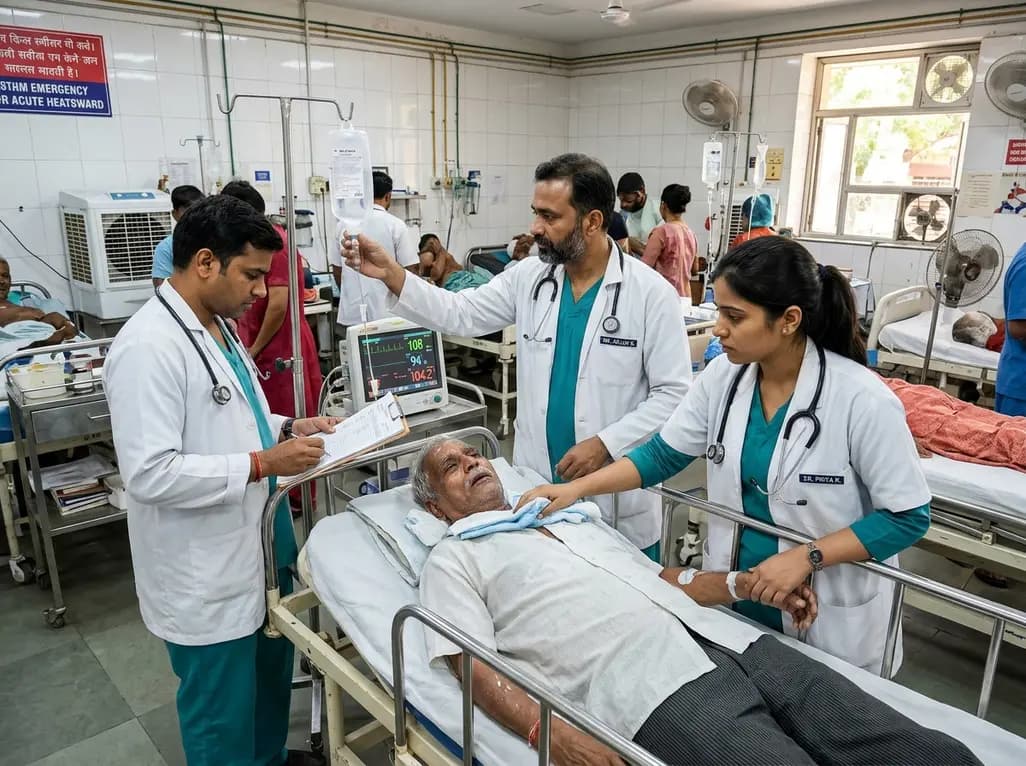
Recent epidemiological data reveals a dramatic surge in summer heat mortality driven by human-induced climate warming. This analysis explores the pathophysiological impacts on cardiac and renal systems, diagnostic dilemmas in death certification, and essential emergency cooling protocols for acute clinical care.
Today
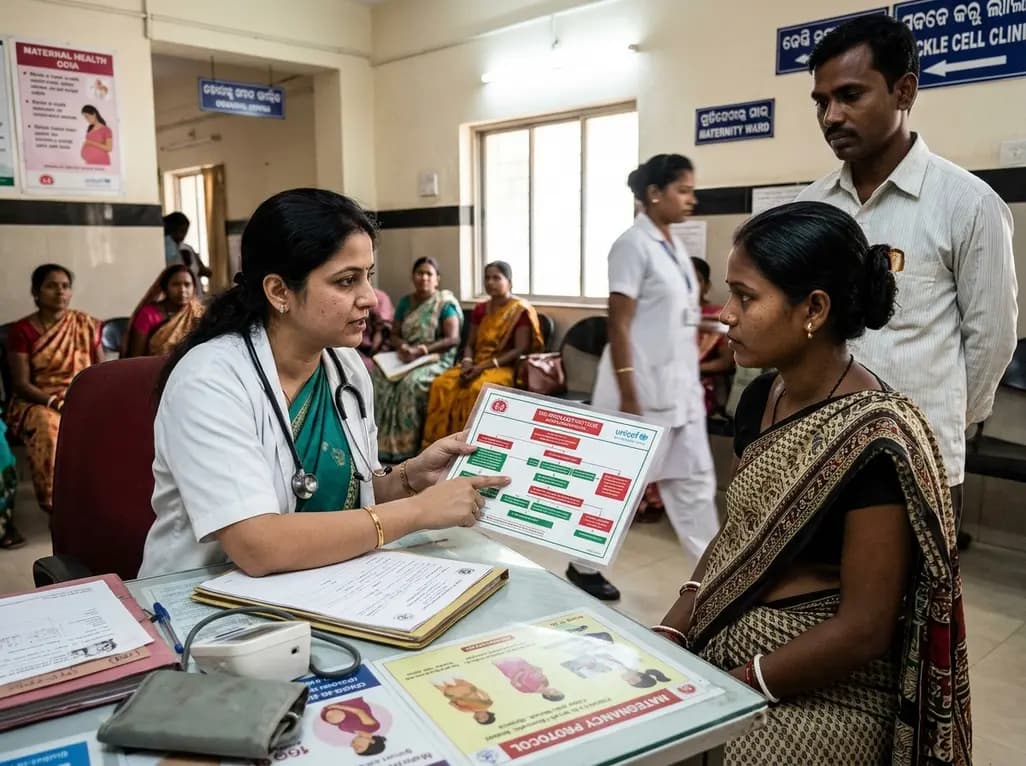
Odisha has established India's first state-level clinical protocol specifically tailored for pregnant women with sickle cell disease. Developed with NHM and UNICEF, the framework provides structured antenatal screening, crisis mitigation, standardized referral pathways, and specialized interdisciplinary care.
Today

India is advancing preventive healthcare by integrating genomics, artificial intelligence, and quantum technologies. With the SANGAM programme sequencing one million Indian genomes, clinicians can unlock personalized therapies, detect cardiometabolic risks early, and curb the burden of diabetes and heart disease.
Today
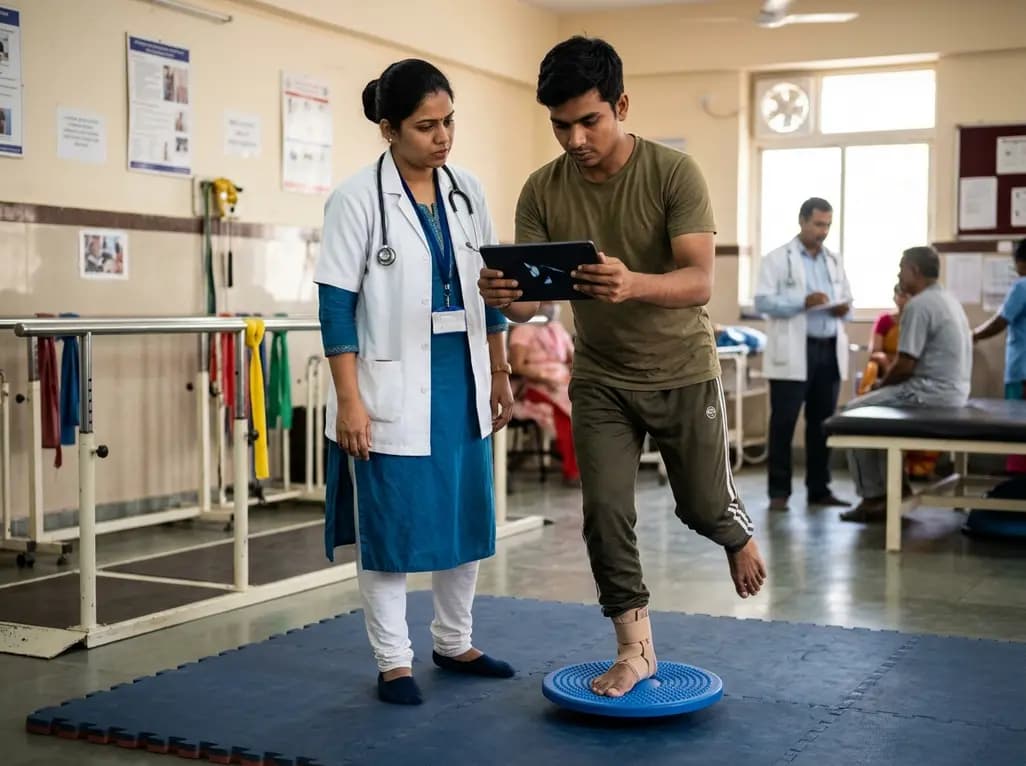
A randomized controlled trial demonstrates that an eight-week dual-task training intervention significantly improves static and dynamic postural control over standard balance exercises in individuals with chronic ankle instability, addressing critical neurocognitive deficits during athletic and daily activities.
Today

A retrospective cohort study of 7,716 ICU patients from the MIMIC-IV database demonstrates that Gradient Boosting Decision Trees significantly outperform traditional SOFA scores in predicting in-hospital mortality among patients with sepsis and diabetes, with SHAP analysis providing clinical interpretability.
Today
