.webp&w=384&q=75)

Loading, please wait...
Loading, please wait...
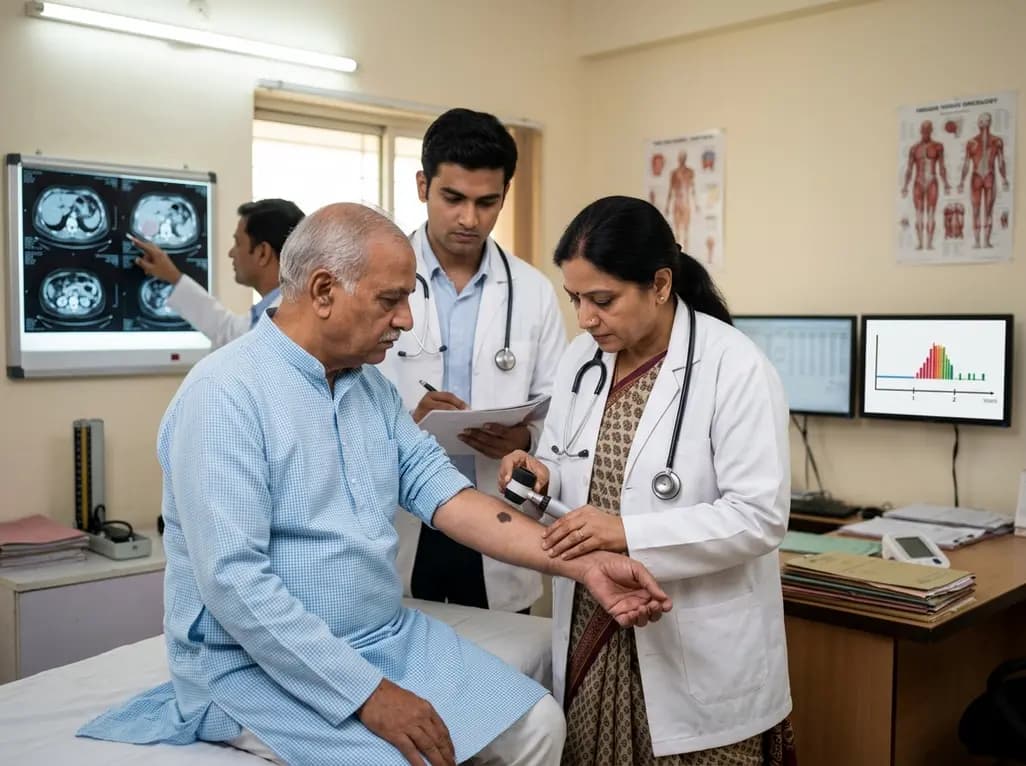
Managing Stage III melanoma recurrence remains a significant challenge for oncologists and dermatologists worldwide. Because patients with high-risk cutaneous melanoma face a substantial threat of relapse after surgery, establishing an optimal follow-up schedule is essential. A recent retrospective study conducted at Helsinki University Hospital analyzed 350 patients to clarify these patterns and the efficacy of various detection methods.
The study found that over half of the patients experienced recurrence, with rates varying significantly based on the disease substage. For instance, distant metastases occurred in only 21.7% of Stage IIIA patients, whereas the rate soared to 83.3% in those with Stage IIID. Consequently, clinicians must tailor their surveillance intensity to the specific risk profile of the patient. Furthermore, the timing of these events is highly predictable, with the majority occurring during the first 24 months of follow-up.
Early detection of relapses is vital for improving patient outcomes. Routine computed tomography (CT) imaging proved to be a powerhouse in this regard, identifying 51% of all recurrences and 64% of distant metastases. In contrast, physical examinations and ultrasound were more effective for local or regional recurrences. Notably, 13.2% of distant recurrences involved the skin and soft tissues, while over 30% affected the lungs or other visceral organs. Brain involvement was also frequent, occurring in over 21% of distant recurrence cases.
Most recurrences detected by patients or through routine imaging appeared within the first two years post-surgery. This trend was particularly pronounced in patients with Stage IIIB-D disease. However, Stage IIIA patients often experienced later relapses, suggesting that while early intensive monitoring is critical for all, longer-term vigilance is necessary for lower-substage patients. Therefore, the researchers strongly advocate for regular physical exams and CT scans, especially during the high-risk two-year window.
The highest risk period is during the first two years after complete resection. In patients with Stage IIIB through IIID disease, between 59.5% and 100% of first recurrences were documented within this two-year timeframe.
Routine CT imaging is highly effective, especially for distant disease. It reveals approximately 51% of all recurrence events and 64% of distant metastases, making it a cornerstone of postoperative surveillance.
Yes, distant recurrences frequently involve the lungs (31.4%), other visceral organs (34.0%), the brain (21.5%), and skin or soft tissues (13.2%). This distribution underscores the need for comprehensive systemic imaging.
Disclaimer: This content is for informational and educational purposes only and does not constitute medical advice, diagnosis, or treatment. Always seek the advice of your physician or other qualified health provider with any questions you may have regarding a medical condition. Refer to the latest local and national guidelines for clinical practice.
References
Peuranheimo T et al. Detection of disease recurrence in real-world patients with completely resected stage III cutaneous melanoma. Acta Oncol. 2026 Jun 08. doi: 10.2340/1651-226X.2026.45609. PMID: 42253125.
Amaral T, Ottaviano M, Arance A, et al. Cutaneous melanoma: ESMO Clinical Practice Guideline for diagnosis, treatment and follow-up. Ann Oncol. 2025;36(1):10-30.
"
Read summarized clinical updates, watch expert medical content, and earn CME certifications right from your smartphone.
Open your smartphone camera to scan and install.





A study of 350 patients highlights that most Stage III melanoma recurrences occur within two years, emphasizing the need for routine CT imaging and exams....
4 months ago

Recent epidemiological data reveals a dramatic surge in summer heat mortality driven by human-induced climate warming. This analysis explores the pathophysiological impacts on cardiac and renal systems, diagnostic dilemmas in death certification, and essential emergency cooling protocols for acute clinical care.
Today

Odisha has established India's first state-level clinical protocol specifically tailored for pregnant women with sickle cell disease. Developed with NHM and UNICEF, the framework provides structured antenatal screening, crisis mitigation, standardized referral pathways, and specialized interdisciplinary care.
Today

India is advancing preventive healthcare by integrating genomics, artificial intelligence, and quantum technologies. With the SANGAM programme sequencing one million Indian genomes, clinicians can unlock personalized therapies, detect cardiometabolic risks early, and curb the burden of diabetes and heart disease.
Today
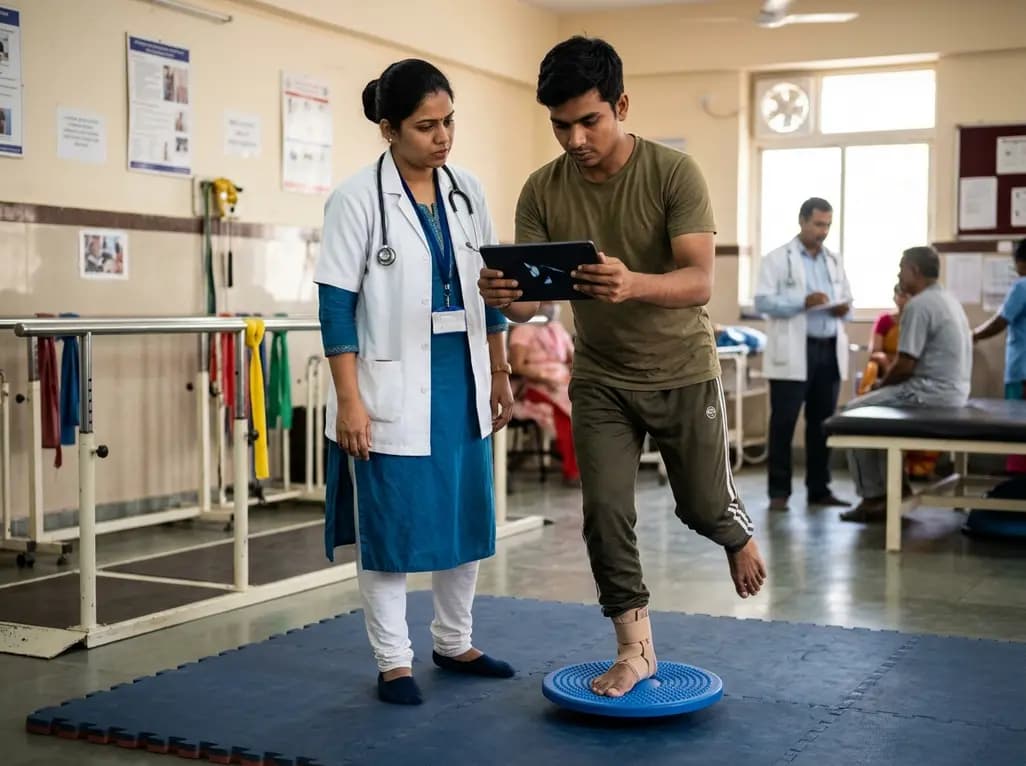
A randomized controlled trial demonstrates that an eight-week dual-task training intervention significantly improves static and dynamic postural control over standard balance exercises in individuals with chronic ankle instability, addressing critical neurocognitive deficits during athletic and daily activities.
Today

A retrospective cohort study of 7,716 ICU patients from the MIMIC-IV database demonstrates that Gradient Boosting Decision Trees significantly outperform traditional SOFA scores in predicting in-hospital mortality among patients with sepsis and diabetes, with SHAP analysis providing clinical interpretability.
Today
