

Loading, please wait...
Loading, please wait...
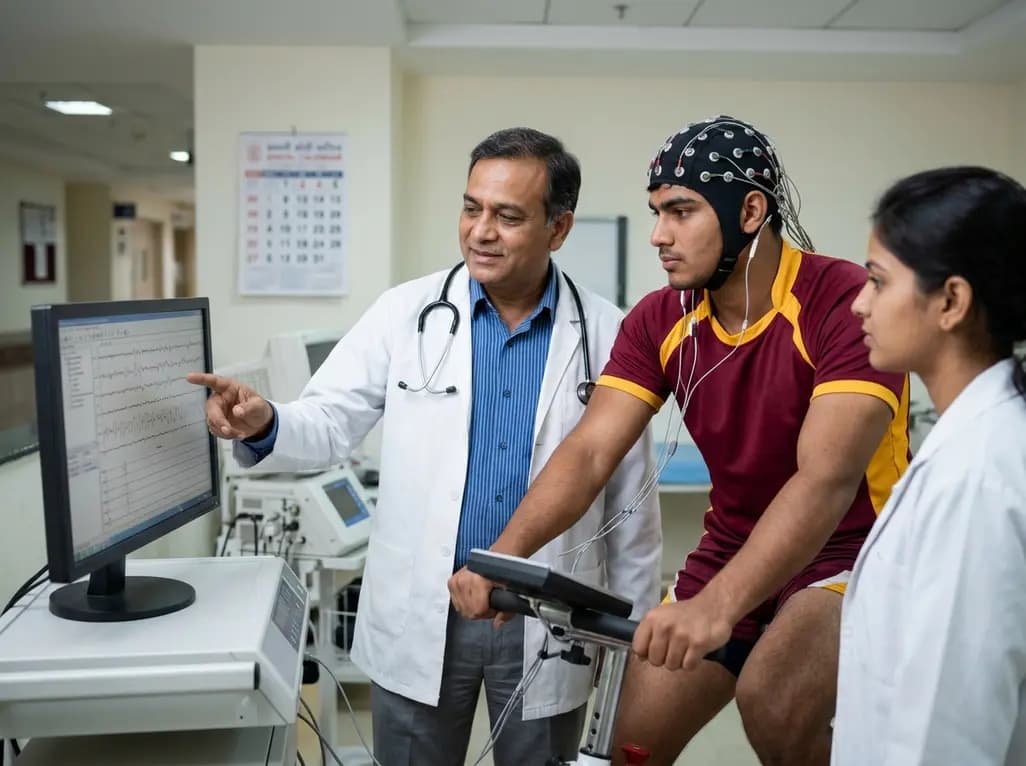
Athletes in contact sports frequently face head impacts that endanger neurological health. While overt physical symptoms often resolve, cumulative sport-related concussion exposure may leave behind subtle neurophysiological disturbances. Understanding how repeated head trauma affects cerebral responsiveness is vital for clinicians managing athlete welfare. Recently, researchers investigated how acute physical exertion influences neural activity in rugby players with varying trauma histories. Their findings highlight persistent functional alterations despite clinical recovery. This article examines the physiological mechanisms connecting repetitive trauma, brain wave dynamics, and cognitive resilience during physical rehabilitation.
When an athlete sustains a sport-related concussion, biomechanical forces disrupt neuronal membranes and provoke massive ionic fluxes. Consequently, excessive extracellular potassium stimulates indiscriminate glutamate release throughout the cerebral cortex. This cascade triggers widespread axonal stretching and mitochondrial dysfunction. To restore ionic equilibrium, membrane sodium-potassium pumps demand enormous amounts of cellular energy. However, concurrent microvascular constriction impairs localized cerebral blood flow, causing an acute energy crisis.
Over time, repeated concussions compound these microscopic metabolic perturbations. Even after clinical symptoms subside, underlying neurochemical imbalances and altered cerebrovascular autoregulation can persist for months. When an athlete engages in vigorous aerobic exertion, systemic perfusion increases. In healthy brains, this stimulus enhances executive function and upregulates neurotrophic signaling. In contrast, athletes with multiple previous impacts struggle to adapt to physiological strain. Therefore, exertion-induced responses offer unique diagnostic insights into subclinical deficits that routine resting examinations frequently overlook.
To evaluate these subtle neurophysiological responses, investigators conducted a prospective assessment involving competitive male rugby players. They stratified nineteen participants into two groups based on concussion histories: eight individuals had no previous head trauma, whereas eleven individuals had multiple prior concussions. Each participant underwent cognitive testing and quantitative electroencephalography before and immediately following a standardized bout of stationary cycling.
During the exercise challenge, participants pedaled consistently until reaching approximately seventy-five percent of their age-predicted maximal heart rate. Furthermore, the testing battery included two neurocognitive tools: the Stroop task and the King-Devick test. The Stroop task directly assessed executive control and processing speed. Meanwhile, the King-Devick test measured rapid visual processing and saccadic eye movements. Concurrently, researchers recorded resting electroencephalography data under eyes-open and eyes-closed conditions. By utilizing repeated-measures analysis of variance, the researchers systematically correlated behavioral improvements with regional electrophysiological shifts. This robust methodology revealed how prior head trauma reshapes post-exercise cerebral adaptation.
Vigorous physical activity produced immediate, observable improvements in cognitive performance across all participants. Specifically, Stroop test scores increased significantly following cycling, indicating sharper executive attention. Similarly, athletes completed the King-Devick test substantially faster post-exercise, demonstrating heightened visual-tracking efficiency and rapid saccadic coordination. These cognitive enhancements confirm that acute aerobic exercise stimulates cortical arousal, elevated catecholamine release, and temporary executive facilitation.
However, a deeper neurophysiological divergence emerged when analyzing quantitative electroencephalography profiles across cohorts. In healthy athletes without concussion histories, exercise prompted robust increases in temporal beta and gamma oscillations. These high-frequency rhythms represent efficient information processing and synchronous neural firing. In striking contrast, rugby players with multiple concussions exhibited blunted cortical activation patterns. Although their behavioral cognitive scores improved temporarily on desktop tests, their brains generated significantly diminished electrophysiological adjustments. Therefore, clinicians cannot rely solely on standard pen-and-paper cognitive batteries to verify complete cerebral recovery after head injuries.
The most compelling revelation involved resting-state occipital gamma activity during the eyes-open recording condition. Statistical analyses uncovered a significant time-by-group interaction, highlighting divergent cortical reactivity between the two cohorts. While non-concussed athletes showed substantial post-exercise occipital gamma elevation, athletes with cumulative trauma showed minimal or negative power shifts. Furthermore, researchers identified a significant negative correlation between total lifetime concussion burden and occipital gamma power changes.
Higher concussion frequency directly correlated with weaker exercise-induced high-frequency power gains in visual networks. In addition, changes in temporal gamma oscillations correlated positively with King-Devick performance gains only after controlling for lifetime concussion exposure. These findings emphasize that gamma band rhythms serve as sensitive biomarkers of microcircuit disruption. Because gamma oscillations depend heavily on fast-spiking inhibitory interneurons, traumatic axonal injury severely compromises these fragile networks. As a result, the injured brain fails to synchronize high-frequency rhythms effectively when aerobic demands intensify.
These findings carry transformative implications for sports medicine physicians and neurologists managing contact sport athletes. Currently, standard return-to-play guidelines rely heavily on subjective symptom checklists and resting baseline neurocognitive tests. However, this study demonstrates that resting assessments frequently miss occult electrophysiological deficits. When athletes resume physical training, unaddressed cortical dysfunction may impair split-second visual decision-making on the field. Consequently, athletes with cumulative trauma face elevated risks of secondary concussions and severe musculoskeletal injuries.
Therefore, medical teams should incorporate progressive exertion testing into baseline monitoring and post-injury clearance protocols. Objective physiological assessments, such as exercise-based electroencephalography or dynamic oculomotor tracking, provide vital information about cerebrovascular resilience. Furthermore, clinicians must recognize that apparent behavioral recovery does not equal complete neurobiological resolution. Structured aerobic rehabilitation programs, when calibrated below symptom exacerbation thresholds, promote gradual neurovascular healing. Implementing multimodal evaluation strategies protects athletes from catastrophic premature return-to-play decisions.
Acute aerobic exercise enhances systemic circulation and triggers beneficial neurotrophic factors that improve short-term cognitive processing and executive functioning. However, in individuals with cumulative concussions, exercise unmasks hidden neurophysiological vulnerabilities. While healthy individuals experience robust high-frequency cortical synchronization following exertion, concussed athletes often display blunted gamma oscillations. Consequently, exercise-based testing acts as a functional stress test, revealing lingering microvascular and circuit impairments that resting examinations miss.
Occipital gamma oscillations coordinate complex visual processing, ocular tracking, and sensory information integration across cortical networks. These high-frequency rhythms rely heavily on the precise synchronization of fast-spiking parvalbumin-positive interneurons. Because biomechanical forces from repetitive head impacts frequently stretch delicate cortical axons, they selectively disrupt these fragile inhibitory interneuron networks. Consequently, the occipital cortex exhibits impaired high-frequency reactivity during aerobic exertion, serving as an objective electrophysiological biomarker of cumulative brain injury.
Resting cognitive evaluations and subjective symptom surveys often fail to detect subtle, persistent neurobiological deficits. Injured athletes can frequently deploy compensatory cognitive strategies in quiet examination rooms, producing normal baseline scores despite underlying cortical dysfunction. However, sports participation requires rapid sensory integration and decision-making during severe physical fatigue. Therefore, incorporating dynamic exercise challenges into concussion protocols is essential to provoke subclinical deficits, preventing premature return to play and subsequent reinjury.
Disclaimer: This content is for informational and educational purposes only. It is not intended to provide medical advice or to be a substitute for professional medical advice, diagnosis, or treatment. Patients should always consult their physician or other qualified healthcare professional for medical advice or guidance on diagnosis and treatment. Refer to the latest local and national guidelines for clinical practice.
References

Read summarized clinical updates, watch expert medical content, and earn CME certifications right from your smartphone.
Open your smartphone camera to scan and install.





A study in rugby players reveals that cumulative sport-related concussions impair exercise-induced cortical responsivity, particularly occipital gamma power, despite cognitive gains. These findings highlight the need for dynamic exertion testing in return-to-play evaluations.
Today

The randomized HOBIT-AF trial reveals that while structured weight loss after catheter ablation significantly improves cardiometabolic health in obese patients with paroxysmal atrial fibrillation, it does not reduce arrhythmia recurrence compared to standard care.
Today

Delhi is undergoing a major healthcare overhaul with enhanced Ayushman Bharat insurance up to ₹10 lakh, increased MBBS and PG medical training seats, expanded primary network mandirs, new tertiary neuro-ICUs, and public-private reproductive technology initiatives to build a resilient, preventative healthcare model.
Today

Aon forecasts India's healthcare inflation will ease to 10.1% in 2027 from 11.5% in 2026. Despite moderation, healthcare expenses continue to outpace general inflation, propelled by non-communicable diseases, advanced medical therapeutics, and expanding utilization patterns across diverse patient populations.
Today
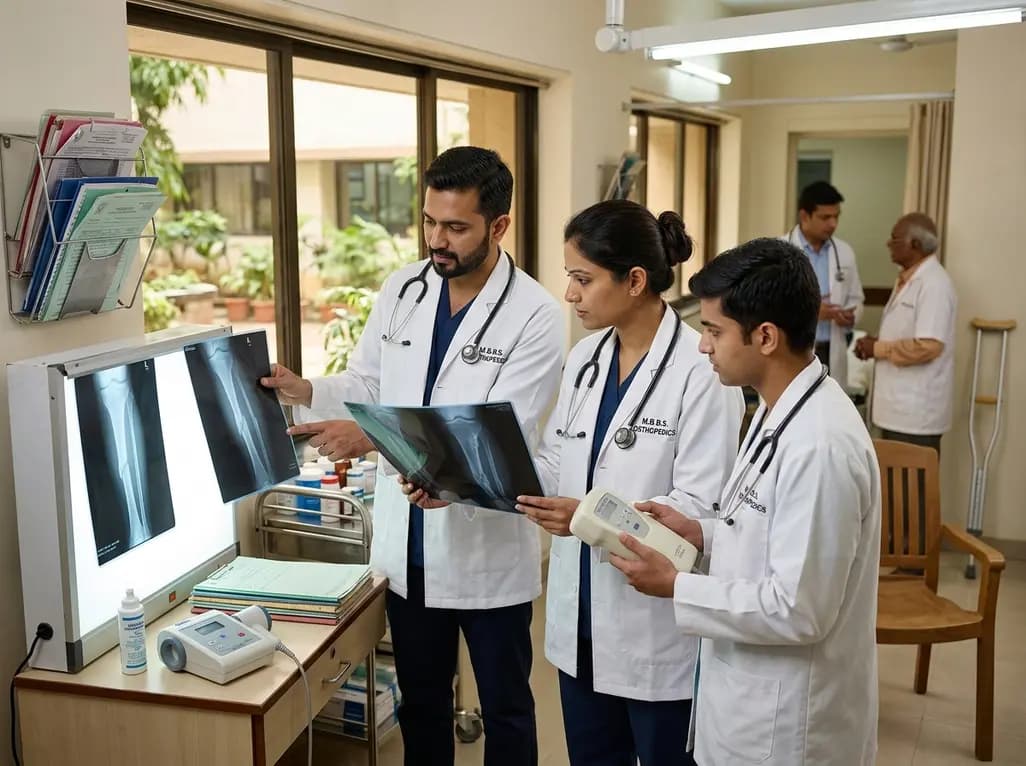
Non-union fractures occur in 2-5% of cases, causing significant disability and cost. Conservative modalities such as LIPUS, PEMF, and focused ESWT offer non-surgical healing options for defects up to 5-10 mm when adequate mechanical stability exists without infection.
Yesterday

A crossover trial reveals that acute resistance exercise at 80% 1RM markedly reduces circulating asprosin, enhances insulin sensitivity, and blunts appetite in women with and without obesity, establishing high-intensity lifting as an effective non-pharmacological metabolic therapy.
Today
