.webp&w=384&q=75)

Loading, please wait...
Loading, please wait...

Spinal cord injury and degenerative cervical myelopathy present profound clinical challenges that demand precise prognostic tools. Clinicians historically relied on subjective physical examinations and standard neuroimaging to determine functional prognosis. However, these conventional modalities frequently fail to capture microstructural injury dynamics accurately. Consequently, emerging spinal cord injury biomarkers provide objective biological insights into neural tissue preservation and functional recovery pathways. Integrating molecular signatures into everyday practice enhances therapeutic stratification, enabling personalized intervention strategies for complex neurological injuries.
Traumatic spinal cord injuries and degenerative cervical myelopathy share several mechanical and biological cascades. Following initial biomechanical insult, neural tissue experiences secondary injury cascades that propagate microvascular disruption, ischemia, and excitotoxicity. Furthermore, acute cell death releases intracellular neural proteins directly into interstitial fluid and cerebrospinal compartments. In contrast, degenerative cervical myelopathy exhibits chronic mechanical compression that induces indolent parenchymal apoptosis, localized inflammation, and chronic ischemia. Therefore, spinal cord injury biomarkers reflect distinct temporal phases of cellular damage across these two differing etiologies. Investigators have analyzed molecular signatures across numerous patient cohorts to understand these intricate cascades. Specifically, structural proteins from damaged neurons and surrounding glia enter cerebrospinal fluid rapidly before filtering into peripheral venous blood. While traumatic injury produces abrupt surges in biomarker concentrations, chronic compression causes steady, low-level biomarker leakage into peripheral circulation. Consequently, clinicians must evaluate biological markers through the lens of injury chronicity and individual tissue mechanics. Understanding these distinct pathways helps clinicians distinguish reversible functional depression from irreversible parenchymal necrosis. Moreover, this biological clarity guides timely surgical decompression and targeted neuroprotective regimens.
Structural proteins represent the most thoroughly investigated candidate markers in acute neurotrauma. Neurofilament light chain (NF-L) originates exclusively within large myelinated axons of the central nervous system. When mechanical trauma disrupts axonal integrity, NF-L sheds directly into cerebrospinal fluid and peripheral blood. Consequently, elevated NF-L levels correlate strongly with severe motor deficits and poor long-term neurological recovery. Glial fibrillary acidic protein (GFAP) provides an equally essential metric of parenchymal integrity. Because astrocytes express GFAP abundantly, astrocytic necrosis and severe reactive gliosis rapidly release GFAP following spinal cord trauma. Therefore, early elevations in GFAP distinguish complete from incomplete spinal cord transection with remarkable diagnostic precision. Furthermore, ubiquitin carboxy-terminal hydrolase L1 (UCH-L1) and S100 calcium-binding protein B offer complementary assessments of acute neuronal and astrocytic disruption. Research confirms that combined elevations of NF-L and GFAP predict functional ambulatory status at six months with high sensitivity. In addition, serial monitoring of these structural proteins tracks active tissue necrosis during critical intensive care management. Thus, structural biomarkers serve as indispensable objective indicators of primary parenchymal destruction.
Genetic variations significantly modulate individual neuroinflammatory responses and intrinsic regenerative potential after spinal cord damage. Notably, the apolipoprotein E epsilon 4 (APOE ε4) allele correlates with impaired blood-spinal cord barrier repair and unfavorable functional outcomes. Patients carrying APOE ε4 often demonstrate exaggerated neurotoxic cascades following both acute trauma and chronic compressive myelopathy. In addition, neuroinflammatory cytokines orchestrate complex cellular environments during secondary injury progression. Pro-inflammatory mediators such as interleukin-1 beta (IL-1β), interleukin-6 (IL-6), and tumor necrosis factor-alpha (TNF-α) surge rapidly within the central nervous system. These cytokines recruit systemic leukocytes and intensify local parenchymal edema. Conversely, anti-inflammatory mediators such as interleukin-10 promote tissue preservation and terminate destructive inflammatory responses. Therefore, measuring inflammatory profiles provides critical insight into dynamic host responses following mechanical trauma. Moreover, microRNAs (miRNAs) have emerged as powerful post-transcriptional regulators of neural apoptosis and microvascular stability. Specific circulating miRNAs reflect distinct cellular stress states, offering non-invasive surrogates for spinal cord integrity. Ultimately, combining genetic predisposition with active inflammatory profiling improves risk stratification across diverse patient populations.
Although traumatic injuries and compressive myelopathies share structural biomarkers, their underlying molecular profiles exhibit distinct signatures. Traumatic spinal cord injury triggers instantaneous cell lysis, producing massive biomarker spikes within hours of impact. As a result, acute traumatic biospecimens demonstrate high concentrations of structural proteins, cytotoxic proteases, and pro-inflammatory chemokines. In contrast, degenerative cervical myelopathy involves repetitive microvascular ischemia and insidious oligodendrocyte loss over months or years. Consequently, patients with degenerative myelopathy rarely display massive biomarker surges in peripheral blood. Instead, their biological signatures feature subtle elevations in extracellular matrix breakdown products, chronic inflammatory cytokines, and persistent axonal shedding. Therefore, prognostic thresholds established for traumatic injuries cannot be applied directly to chronic compressive myelopathy. Furthermore, surgical decompression in degenerative myelopathy aims to arrest progressive neurological deterioration rather than reverse acute tissue destruction. Baseline biomarker elevations in myelopathy patients correlate with persistent postoperative spasticity and limited motor improvement. Thus, etiology-specific molecular signatures provide indispensable guidance when managing divergent spinal pathologies.
Biomarker utility depends heavily on sampling compartments and precise post-injury timing. Cerebrospinal fluid directly contacts injured spinal parenchyma, providing immediate and highly concentrated biological signals. However, obtaining cerebrospinal fluid requires invasive lumbar puncture or intrathecal catheterization, which carries clinical risks in acute spinal trauma. Therefore, peripheral venous blood offers a practical, minimally invasive alternative for repeated longitudinal monitoring. Nevertheless, the blood-spinal cord barrier regulates protein entry into systemic circulation, creating delayed biomarker kinetics. For instance, GFAP levels peak rapidly within peripheral blood during the first 24 hours post-injury. In contrast, NF-L levels rise progressively over several days, peaking between one and two weeks after mechanical injury. Consequently, clinician interpretation must align strictly with specific temporal collection windows to prevent false prognostication. Additionally, renal clearance rates and liver metabolism influence systemic biomarker elimination over extended hospital stays. Clinicians must therefore account for timing, biofluid compartment, and patient physiology when evaluating laboratory findings.
Despite remarkable preclinical and clinical insights, widespread implementation of spinal cord biomarkers faces several hurdles. Currently, single-biomarker assays lack the discriminatory power needed to guide definitive clinical or surgical decisions. However, multi-analyte panels that combine structural, inflammatory, and genetic markers consistently outperform individual tests. Multimodal platforms integrate biofluid concentrations with advanced magnetic resonance imaging metrics and quantitative neurophysiological testing. Consequently, these comprehensive algorithms significantly enhance outcome predictability across heterogeneous patient populations. In addition, standardized laboratory assays and point-of-care testing platforms remain urgently required for acute trauma resuscitation rooms. Wide variations in assay sensitivity, processing protocols, and reference ranges currently hinder international cross-study validation. Therefore, prospective multicenter registries must establish rigorous normative thresholds across diverse demographic cohorts. Collaborative clinical trials will also clarify how biomarker-guided interventions optimize surgical timing and pharmacological neuroprotection. Ultimately, translating biomarker technology into bedside neurotrauma care will revolutionize precision management for patients suffering debilitating spinal injuries.
Neurofilament light chain and glial fibrillary acidic protein demonstrate the strongest correlation with neurological outcomes. Elevated levels of these structural proteins indicate extensive axonal shearing and astrocytic disruption. Consequently, sustained high concentrations in cerebrospinal fluid or blood reliably predict incomplete functional recovery and persistent motor deficits following spinal trauma.
Cerebrospinal fluid provides immediate, highly concentrated signals directly reflecting central nervous system parenchymal damage. Conversely, peripheral serum exhibits lower biomarker concentrations and delayed kinetic peaks due to the blood-spinal cord barrier. Furthermore, systemic clearance mechanisms alter peripheral levels, necessitating precise timing when interpreting longitudinal blood biomarker assays.
Multimodal panels capture the multifaceted nature of spinal cord pathology more effectively than single markers. By integrating structural neuroaxonal disruption, host neuroinflammatory dynamics, and genetic susceptibilities such as APOE ε4, these comprehensive panels generate nuanced prognostic scores. Consequently, multimodal algorithms provide superior predictive accuracy for long-term clinical recovery.
Disclaimer: This content is for informational and educational purposes only... Refer to the latest local and national guidelines for clinical practice.
References
Wang B et al. Genetic and Molecular Biomarkers for Predicting Outcomes in Traumatic and Nontraumatic Spinal Cord Injury. Neurosurg Clin N Am. 2026 Oct. doi: 10.1016/j.nec.2026.05.011. PMID: 42686287.
Kwon BK et al. Association of CSF and Serum Neurofilament Light and Glial Fibrillary Acidic Protein, Injury Severity, and Outcome in Spinal Cord Injury. Neurology. 2023;100(12):e1249-e1261. doi: 10.1212/WNL.0000000000206864.
Faridaalee G, Keyghobadi Khajeh F. Serum and cerebrospinal fluid levels of S-100β is a biomarker for spinal cord injury; a systematic review and meta-analysis. Arch Acad Emerg Med. 2019;7(1):e19.

Read summarized clinical updates, watch expert medical content, and earn CME certifications right from your smartphone.
Open your smartphone camera to scan and install.





A comprehensive synthesis of 52 studies highlights how neurofilament light chain, GFAP, and APOE ε4 predict functional recovery in traumatic spinal cord injury and degenerative cervical myelopathy, emphasizing the superiority of multimodal panels over single markers.
Today

Pancreatic cancer cachexia affects over 80% of patients, driving severe muscle wasting, systemic inflammation, and treatment intolerance. This review highlights key pathophysiological drivers, exocrine insufficiency, objective CT imaging, and emerging therapies like GDF-15 inhibitors to improve clinical outcomes.
Today

A scoping review reveals how pregnancy affects phonation through laryngeal edema and reduced phonation time rather than major acoustic pitch alterations. Learn how to identify, evaluate, and manage vocal symptoms in expectant mothers.
Today

According to WHO data, average lifespan reached 73.3 years in 2023, recovering from pandemic lows. However, healthy life expectancy lags at 62.8 years due to surging noncommunicable conditions like cardiovascular disease and dementia, demanding proactive primary screening and sustained chronic care.
Today
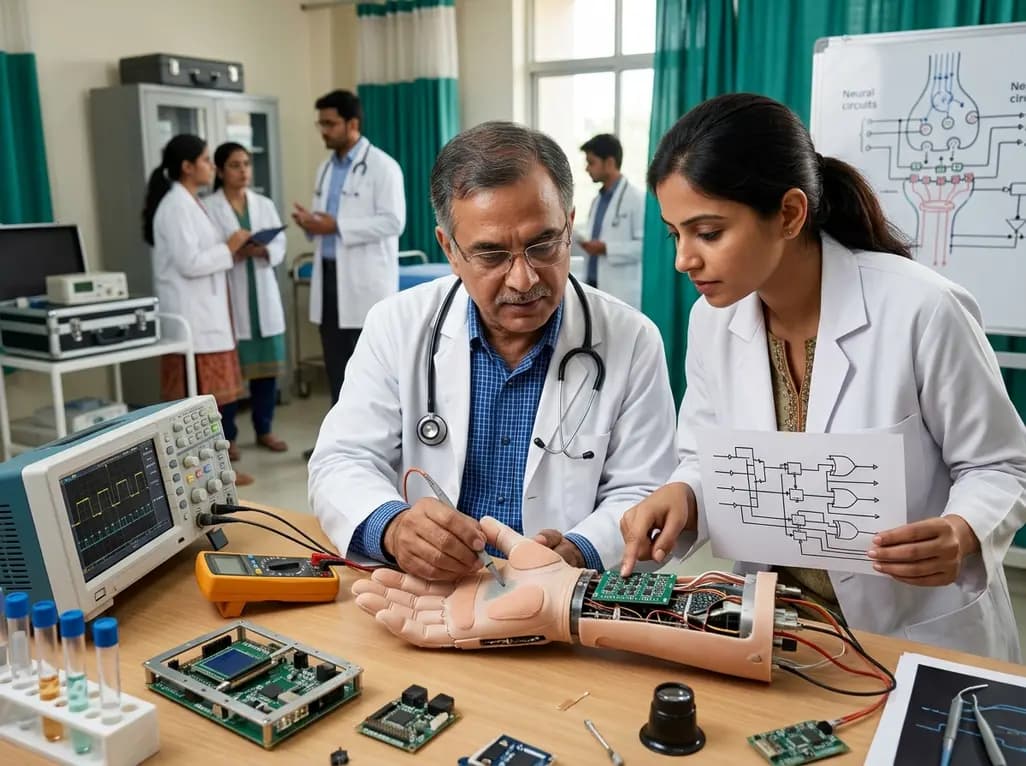
Researchers have engineered an artificial sensory-pain integrated receptor using a multi-threshold organic synaptic transistor. The system distinguishes benign touch from noxious stimuli, enabling safer, more responsive prosthetic limbs with built-in memory and simplified hardware architecture.
Today
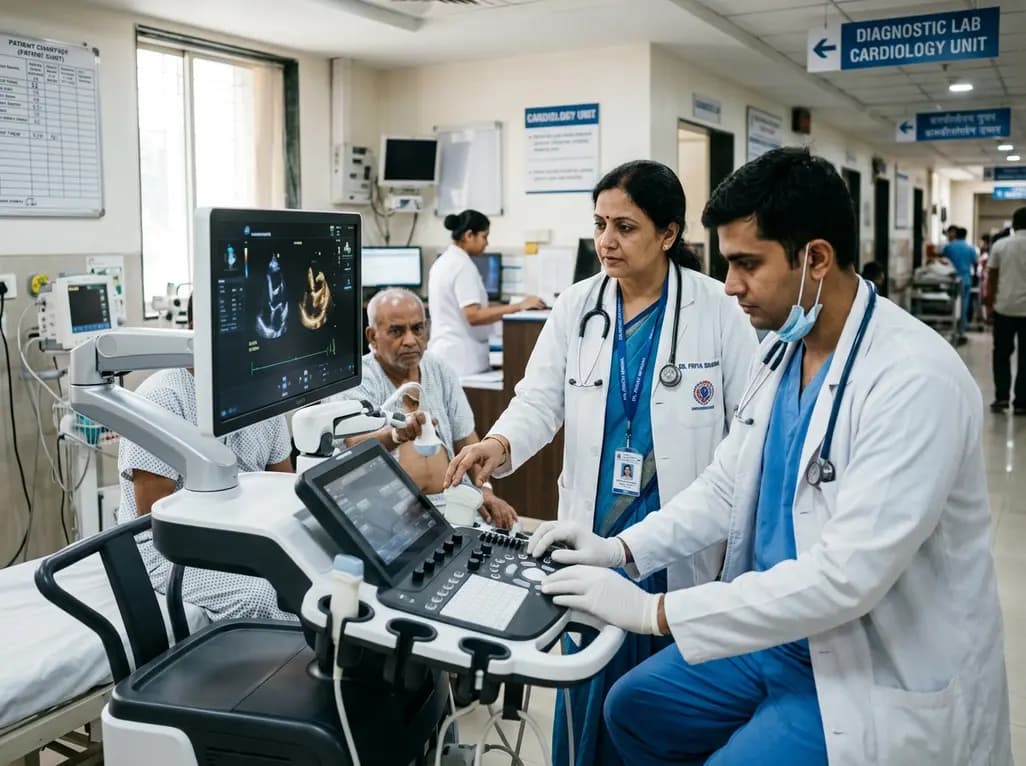
Medical robotics is transitioning beyond operative suites into diagnostics, cardiology, and endocrinology. Explore how innovations in tele-robotics, AI integration, and nanomedicine are overcoming geographical barriers and transforming precision healthcare delivery across India's evolving disease landscape.
Today
