

Loading, please wait...
Loading, please wait...
Choroid plexus cysts typically occur in the brain's lateral ventricles during fetal development. However, a spinal choroid plexus cyst is an extremely rare entity in adult clinical practice. Researchers recently documented a case involving a 55-year-old Middle Eastern male who presented with chronic dorsal pain. He also noted progressive weakness in his lower extremities. Neurological examination confirmed radicular pain and significant muscular weakness in both legs. Consequently, physicians performed a thoracic magnetic resonance imaging (MRI) scan to identify the cause.
The MRI scan revealed a well-defined cystic lesion at the T5-T6 vertebral level. This lesion was responsible for significant spinal cord compression. The patient subsequently underwent surgical marsupialization and fenestration to alleviate the pressure on the neural structures. Specifically, histopathological analysis of the sampled tissue confirmed the diagnosis of a spinal choroid plexus cyst. Furthermore, surgical intervention in symptomatic cases like this one is often necessary to prevent permanent neurological deficits. While these cysts are benign, their location within the spinal canal makes them dangerous due to the limited space for the cord.
Identifying such rare lesions requires a high index of clinical suspicion. These cysts should be considered in the differential diagnosis of intramedullary cystic lesions. This list often includes arachnoid cysts, ependymomas, and astrocytomas. Additionally, MRI remains the gold standard for visualizing the extent of the compression and the characteristics of the cyst. Therefore, clinicians must rely on both advanced imaging and definitive histopathological examination for an accurate diagnosis. Notably, early detection and decompression lead to better functional outcomes for the patient. Overall, this case highlights the need for specialized neurosurgical evaluation when dealing with persistent dorsal pain and limb weakness.
A choroid plexus cyst is a benign, fluid-filled sac. While common in the brain's ventricles during pregnancy, they are exceptionally rare in the spinal cord of adults.
Diagnosis primarily relies on Magnetic Resonance Imaging (MRI) to locate the cyst. However, a definitive diagnosis is only possible through histopathological analysis of a tissue sample.
For patients experiencing neurological symptoms like weakness or pain, surgical decompression is the standard treatment. Procedures like marsupialization or fenestration help reduce pressure on the spinal cord.
Disclaimer: This content is for informational and educational purposes only. It is not intended as medical advice or a substitute for professional healthcare. Always seek the advice of a qualified physician regarding any medical condition. Refer to the latest local and national guidelines for clinical practice.
References
Alassaf S et al. Choroid plexus cyst of the spinal cord presenting with signs of spinal cord compression in a 55-year-old male: a case report. J Med Case Rep. 2026 Apr 18. doi: 10.1186/s13256-026-06052-5. PMID: 42001166.
StatPearls. Intramedullary Spinal Cord Tumors. Treasure Island (FL): StatPearls Publishing; 2024.
National Institutes of Health (NIH). Spinal Cord Compression. StatPearls; 2023.

Read summarized clinical updates, watch expert medical content, and earn CME certifications right from your smartphone.
Open your smartphone camera to scan and install.





A rare case report of a 55-year-old male with thoracic spinal cord compression caused by a choroid plexus cyst, emphasizing MRI diagnosis and surgery....
6 months ago
Explore vital recurrent stroke predictors in lacunar stroke patients managed with intensive blood pressure lowering. This analysis examines trial findings from SPS3 to uncover residual vascular risks, metabolic factors, and targeted secondary prevention strategies for high-risk neurological patients.
Today
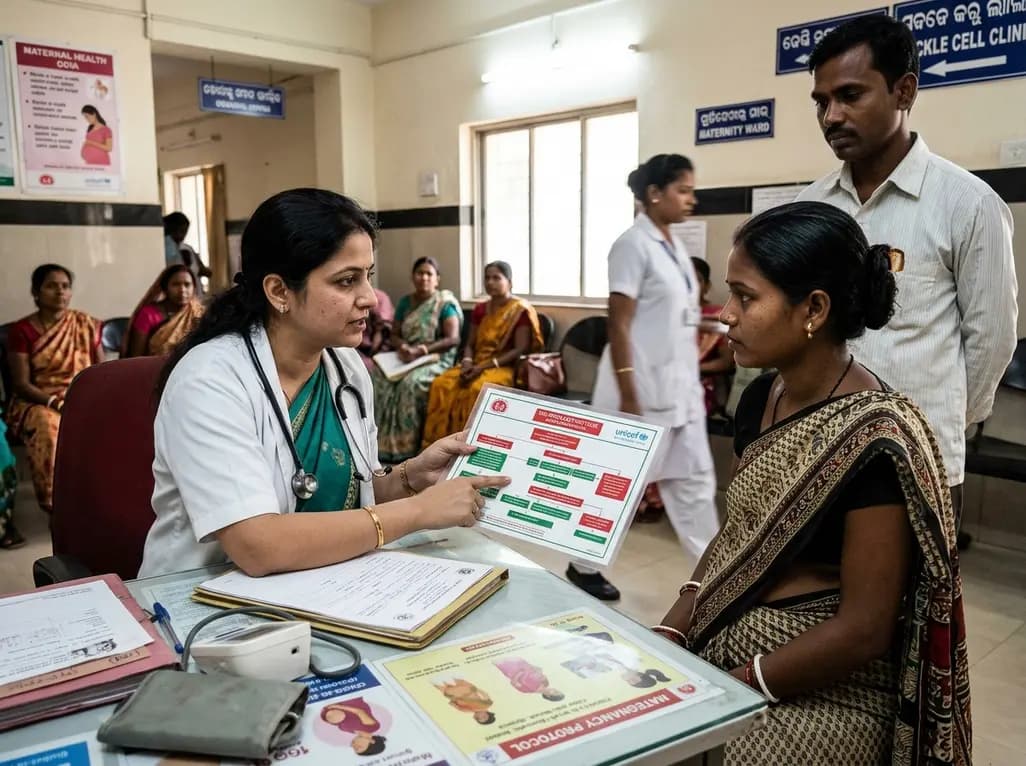
Odisha has established India's first state-level clinical protocol specifically tailored for pregnant women with sickle cell disease. Developed with NHM and UNICEF, the framework provides structured antenatal screening, crisis mitigation, standardized referral pathways, and specialized interdisciplinary care.
Today

The Directorate General of Health Services directs Indian states to halt the hazardous reuse and reprocessing of single-use medical devices. Discover regulatory implications under the Drugs and Cosmetics Act, critical infection risks, legal liabilities, and operational changes required across clinical specialties.
Today

Mitochondria-targeted nanoparticles self-assembled from EGCG and L-glutamic acid effectively restore mitochondrial homeostasis, suppress synovial inflammation, and attenuate chondrocyte senescence in osteoarthritis, offering a promising disease-modifying nanotherapy.
Today
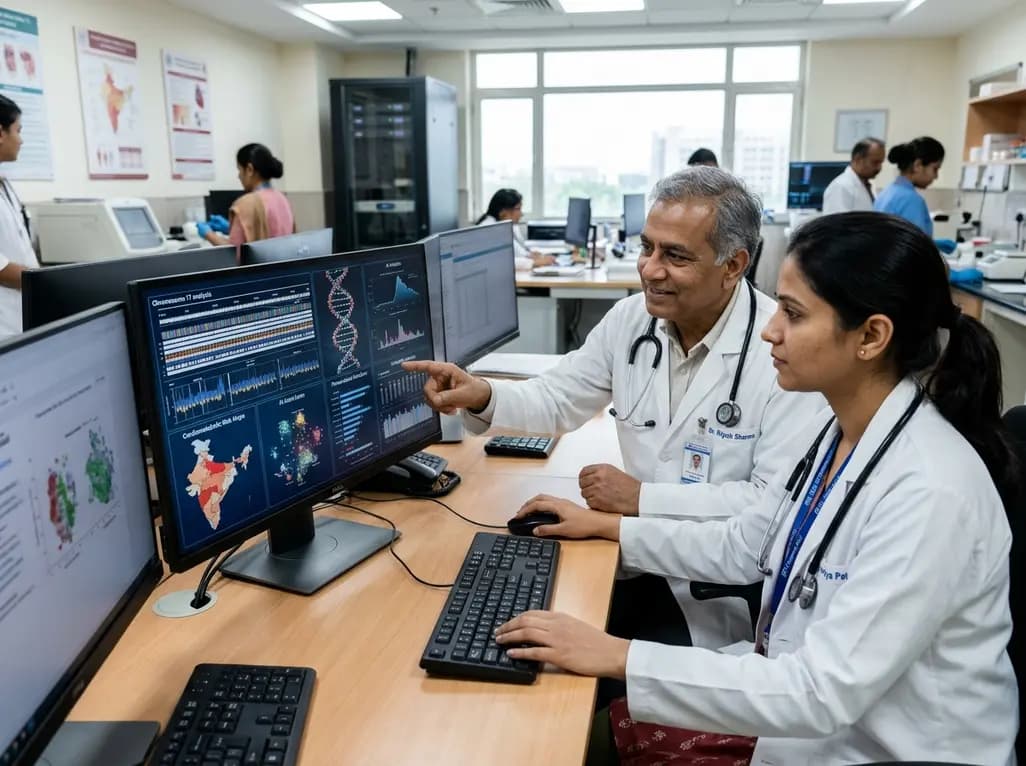
India is advancing preventive healthcare by integrating genomics, artificial intelligence, and quantum technologies. With the SANGAM programme sequencing one million Indian genomes, clinicians can unlock personalized therapies, detect cardiometabolic risks early, and curb the burden of diabetes and heart disease.
Today
