.webp&w=384&q=75)

Loading, please wait...
Loading, please wait...

Specialty diagnostics in India are currently undergoing a significant transformation as major players pivot toward precision medicine. Metropolis Healthcare is leading this change by focusing heavily on genomics and next-generation sequencing. This shift aims to meet the evolving needs of clinicians and patients across the country. Consequently, the company plans to deepen its presence in over 750 cities to enhance diagnostic accessibility.
Ameera Shah, Executive Chairperson of Metropolis, highlights that genomics will define the next decade of medical diagnostics. Currently, specialty testing contributes nearly 40% of the company's total revenue. Furthermore, this segment is growing much faster than routine pathology services. This trend is particularly evident in high-growth therapeutic areas such as oncology and neurology. Moreover, next-generation sequencing helps doctors accurately diagnose diseases and guide specific therapies for complex conditions.
The diagnostic giant is also reimagining its physical centers beyond traditional pathology. For example, they have piloted services like X-rays, ECGs, and sonography in various locations. By scaling these models, the company aims to provide a comprehensive health check-up ecosystem. This transition reflects a broader industry move toward integrated preventive healthcare services. Therefore, improving productivity from existing assets remains a top operational priority for the management team.
Metropolis intends to complete four to five strategic acquisitions over the next three years. However, these deals must happen at sensible valuations with high-quality businesses. While the primary strategy remains organic growth, acquisitions help strengthen their regional presence in northern Indian markets. Additionally, they seek to acquire scientifically strong assets that add specialized expertise to their portfolio. Success over the next 24 months will depend on maintaining steady organic growth and sustainable margins.
Q1: Why is Metropolis Healthcare focusing on next-generation sequencing?
Next-generation sequencing is critical for precision diagnostics in oncology and neurology. It allows doctors to choose the most effective therapies based on a patient's unique genetic profile.
Q2: What is the expected revenue contribution from specialty diagnostics?
Metropolis expects specialty diagnostics to contribute approximately 45% of their total revenue in the coming years, up from the current 38-39%.
Q3: How many cities does Metropolis Healthcare currently operate in?
The company has expanded its operations from 300 cities to nearly 750 cities over the last three years, significantly increasing its diagnostic reach.
Disclaimer: This content is for informational and educational purposes only. It does not constitute medical advice or replace professional judgment. Refer to the latest local and national guidelines for clinical practice.
References

Read summarized clinical updates, watch expert medical content, and earn CME certifications right from your smartphone.
Open your smartphone camera to scan and install.





Metropolis Healthcare is betting on genomics, next-gen sequencing, and strategic acquisitions to lead the specialty diagnostics market in India by 2026....
5 months ago

Explore vital recurrent stroke predictors in lacunar stroke patients managed with intensive blood pressure lowering. This analysis examines trial findings from SPS3 to uncover residual vascular risks, metabolic factors, and targeted secondary prevention strategies for high-risk neurological patients.
Today
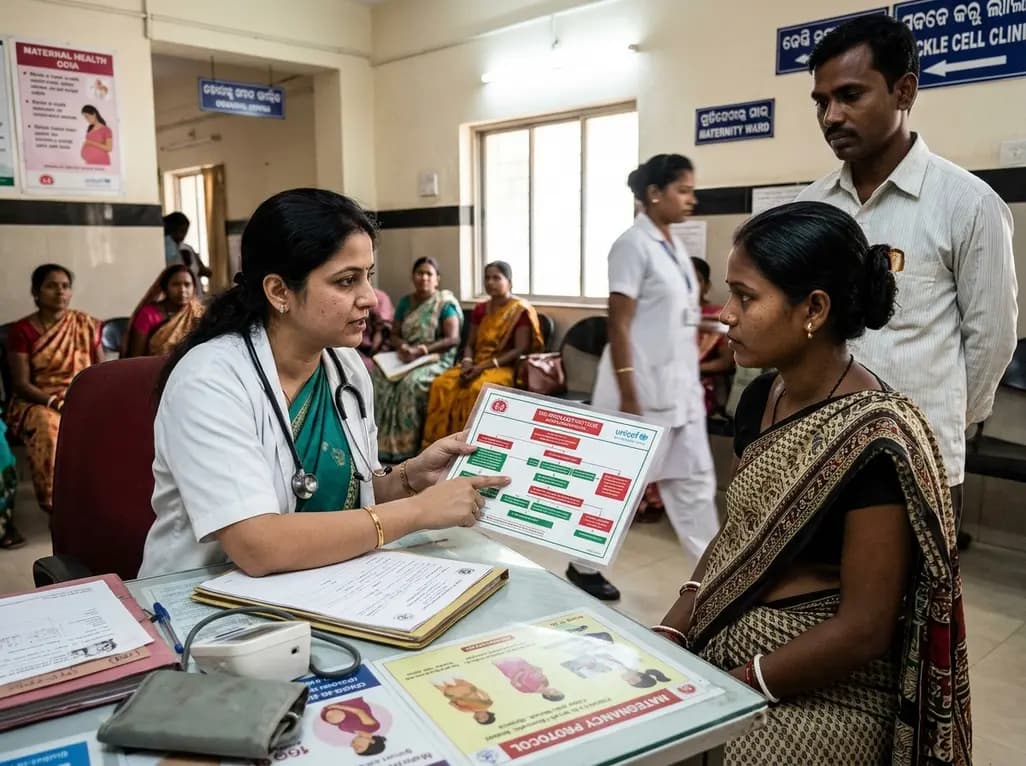
Odisha has established India's first state-level clinical protocol specifically tailored for pregnant women with sickle cell disease. Developed with NHM and UNICEF, the framework provides structured antenatal screening, crisis mitigation, standardized referral pathways, and specialized interdisciplinary care.
Today

The Directorate General of Health Services directs Indian states to halt the hazardous reuse and reprocessing of single-use medical devices. Discover regulatory implications under the Drugs and Cosmetics Act, critical infection risks, legal liabilities, and operational changes required across clinical specialties.
Today
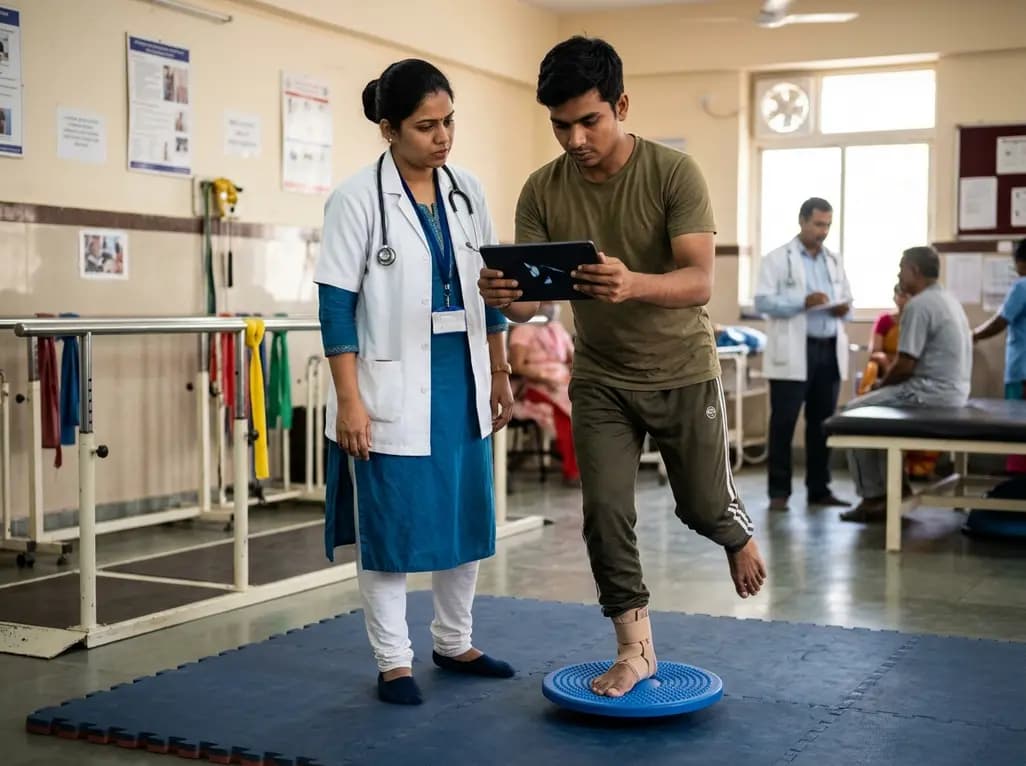
A randomized controlled trial demonstrates that an eight-week dual-task training intervention significantly improves static and dynamic postural control over standard balance exercises in individuals with chronic ankle instability, addressing critical neurocognitive deficits during athletic and daily activities.
Today

India is advancing preventive healthcare by integrating genomics, artificial intelligence, and quantum technologies. With the SANGAM programme sequencing one million Indian genomes, clinicians can unlock personalized therapies, detect cardiometabolic risks early, and curb the burden of diabetes and heart disease.
Today
