.webp&w=384&q=75)

Loading, please wait...
Loading, please wait...

Sociosexuality describes an individual's psychological and behavioral orientation toward uncommitted sexual relationships. Recent clinical research has focused on the connection between sociosexuality and unprotected sex, aiming to clarify why certain individuals are more prone to risky sexual encounters. While earlier studies provided inconsistent data, current evidence suggests that sociosexual traits significantly influence sexual health decisions. Understanding these patterns is essential for healthcare providers working in sexual health and psychiatry.
Consequently, researchers have identified alcohol consumption as a critical behavioral link. People with high sociosexuality often engage in more frequent alcohol use compared to their peers. Therefore, this hazardous drinking behavior serves as a bridge, increasing the likelihood of engaging in sex while intoxicated. Because alcohol impairs decision-making, it frequently leads to reduced use of barrier protection. Thus, the association between sociosexuality and unprotected sex is not just direct but is often mediated by substance use.
Furthermore, two recent studies involving college students and adults confirmed these hypotheses. These findings indicate that sociosexuality predicts both intoxicated and unprotected sex across different age groups. Notably, hazardous drinking habits partially explain why individuals with unrestricted sociosexual attitudes face higher health risks. For this reason, public health interventions must move beyond simple education about safe sex. Instead, they should integrate screenings for alcohol misuse within sexual health consultations.
Additionally, clinicians in India should consider these behavioral nuances during patient counseling. If a patient exhibits high sociosexual tendencies, discussing the impact of alcohol on sexual safety becomes paramount. Moreover, targeted interventions that address alcohol consumption may effectively reduce the incidence of sexually transmitted infections (STIs). By focusing on the mediating role of hazardous drinking, healthcare professionals can provide more holistic and effective care.
In clinical terms, sociosexuality refers to an individual's comfort level and desire for sexual activity without a long-term committed relationship. It is often measured on a spectrum from restricted to unrestricted orientations.
Alcohol acts as a mediator by lowering inhibitions and impairing the judgment necessary for negotiating safer sex practices. This leads to a higher frequency of unprotected sexual encounters among those who drink heavily before sex.
Understanding this link helps doctors identify high-risk patients. It allows for integrated counseling that addresses both substance use and sexual health, leading to better preventive care outcomes.
Disclaimer: This content is for informational and educational purposes only. It does not constitute professional medical advice, diagnosis, or treatment. Always seek the advice of your physician or other qualified health provider with any questions you may have regarding a medical condition. Refer to the latest local and national guidelines for clinical practice.
References
Masterson AP et al. Associations Between Sociosexuality and Intoxicated Sex and Unprotected Sex: Mediating Effects of Hazardous Drinking. Subst Use Misuse. 2026 May 16. doi: 10.1080/10826084.2026.2670626. PMID: 42141894.
Corbin WR et al. Sociosexuality and Sex With New Partners: Indirect Effects Via Drinking at Parties and Bars. J Stud Alcohol Drugs. 2020;81(5):610-619.
Hone LS et al. Sociosexuality and alcohol use: A meta-analytic review of the literature. Arch Sex Behav. 2023;52:115-130.

Read summarized clinical updates, watch expert medical content, and earn CME certifications right from your smartphone.
Open your smartphone camera to scan and install.





A recent study explores how sociosexuality influences intoxicated and unprotected sex, finding that hazardous alcohol use partially mediates these risks....
4 months ago

A secondary analysis of an HIV cure-related trial in South Africa highlights the acceptability and safety of serial excisional lymph node and gut biopsies among young women. Clear communication, empathetic care, and altruistic motives helped mitigate initial apprehension and sustain longitudinal trial engagement.
Today
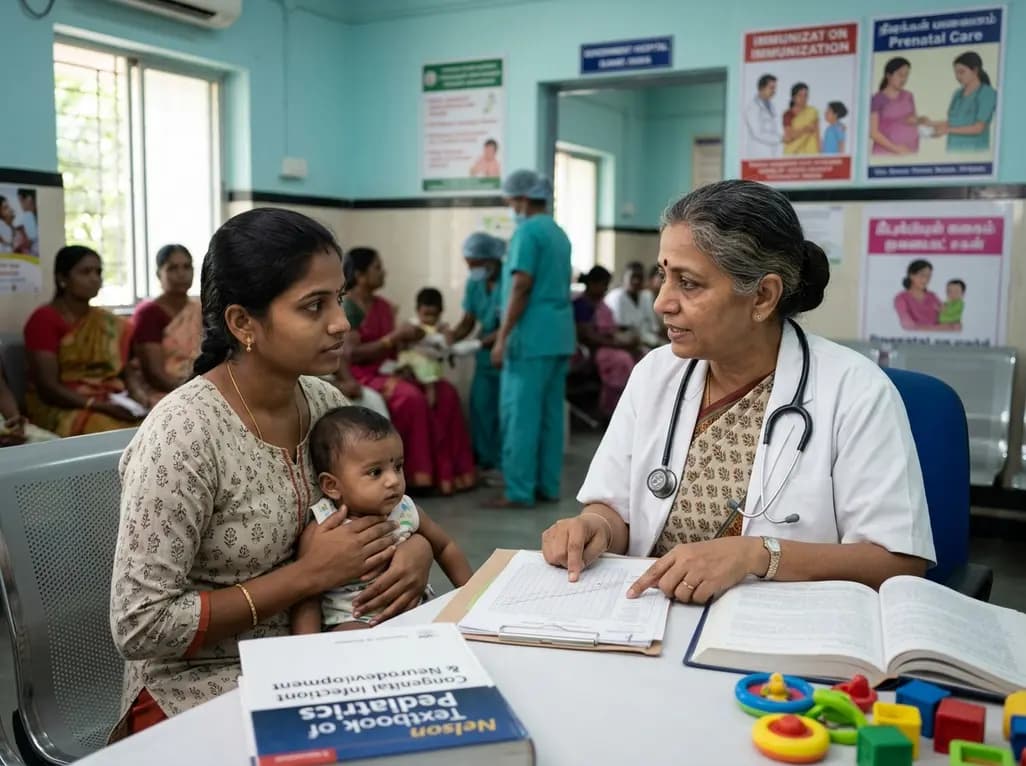
A nationwide study covering 3.7 million Swedish births reveals that prenatal exposure to TORCH pathogens significantly elevates long-term risks of intellectual disability and autism. Healthcare providers must recognize clinical indicators, promote prenatal prevention, and track early pediatric neurodevelopment.
Today
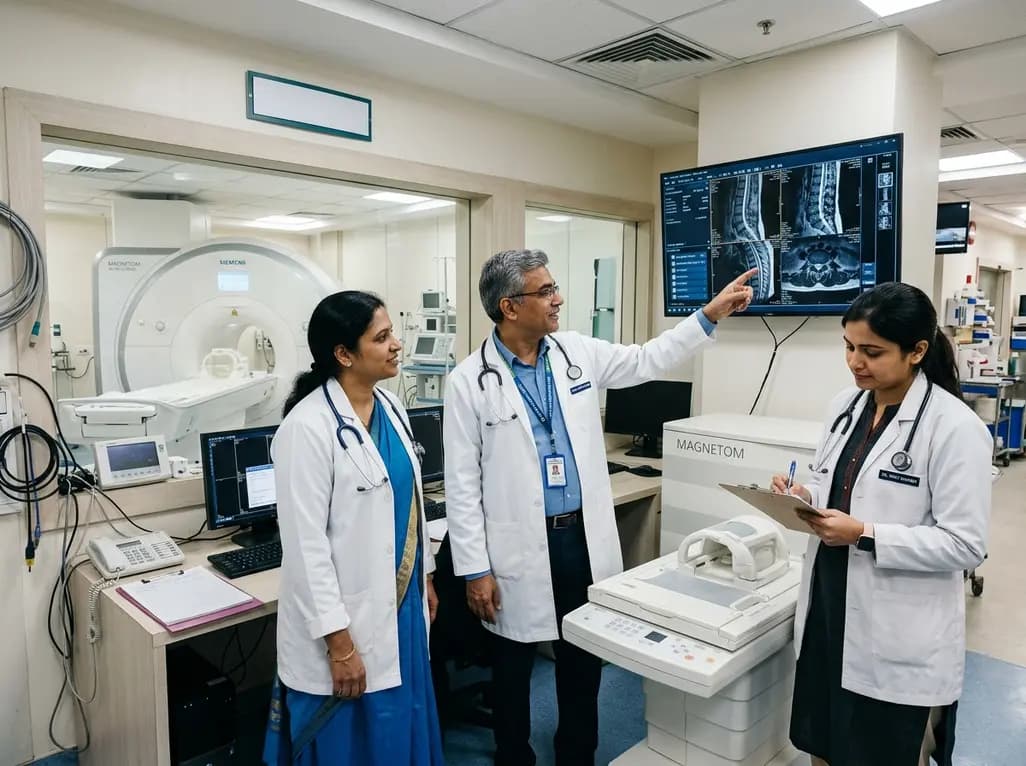
Under India's PLI initiative, domestic production of 57 critical medical devices has commenced, including MRI and CT scanners, cath labs, and heart valves. Global partnerships and local investments are expanding high-end technology, curbing import reliance, and strengthening clinical accessibility nationwide.
Today
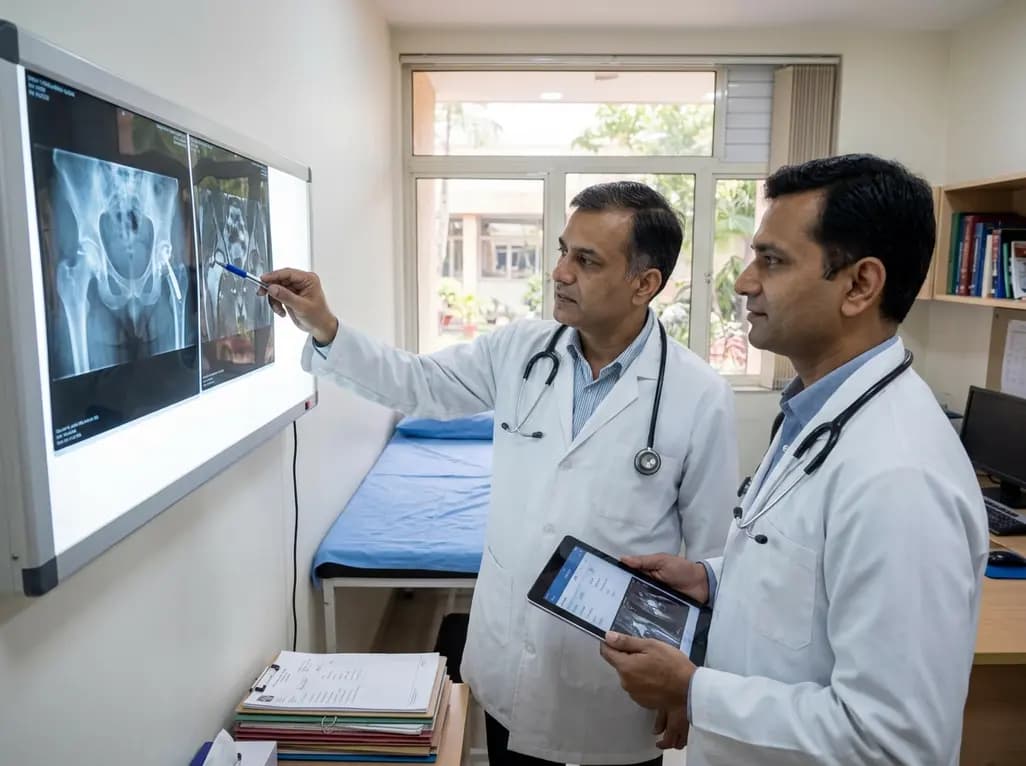
A longitudinal study reveals that patients undergoing staged bilateral hip arthroscopy experience progressive contralateral labral deterioration during surgical intervals. However, structural degradation does not compromise 2-year postoperative clinical outcomes or patient-reported satisfaction scores.
Today
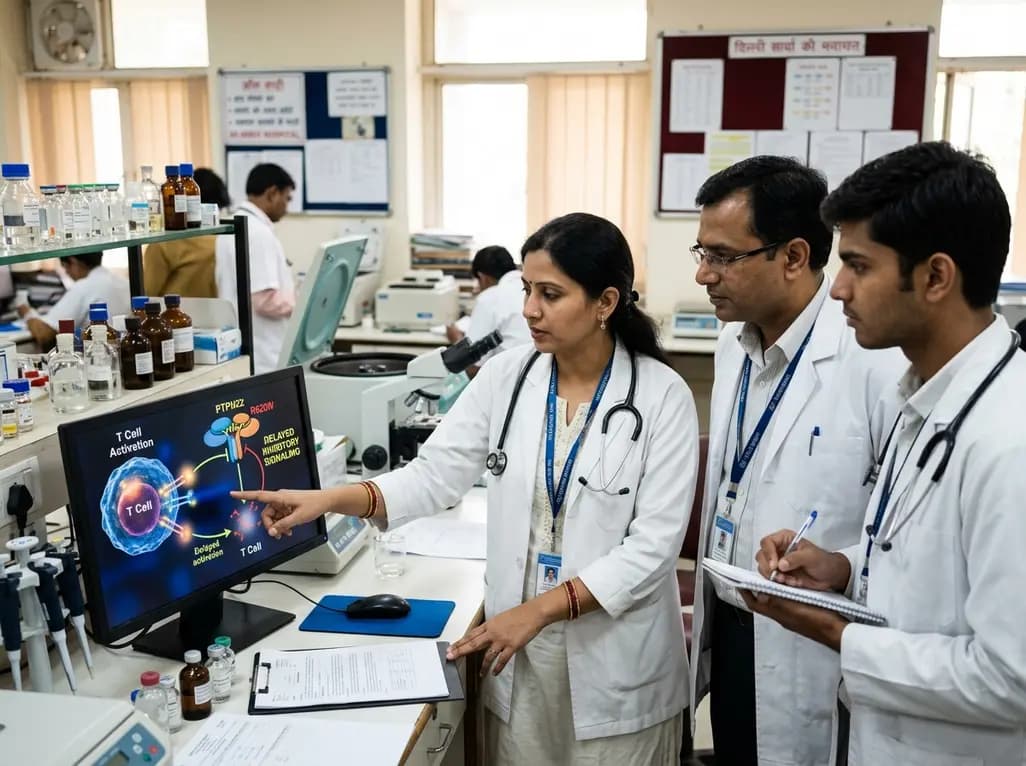
New immunological research reveals how PTPN22 forms a delayed inhibitory signaling complex to restrain T cell activation, explaining how the autoimmune-linked R620W variant disrupts feedback control and promotes persistent inflammation in conditions like rheumatoid arthritis and type 1 diabetes.
Today
