.webp&w=384&q=75)

Loading, please wait...
Loading, please wait...

Growth hormone-secreting pituitary neuroendocrine tumors serve as the primary cause of acromegaly, a chronic endocrine disorder that leads to severe systemic comorbidities if left unmanaged. Surgical resection via transsphenoidal surgery remains the primary therapeutic modality aimed at achieving complete tumor removal and biochemical normalisation. Achieving acromegaly biochemical remission requires normalising age-adjusted and sex-adjusted insulin-like growth factor 1 levels alongside random growth hormone suppression. While surgical technique, tumor size, and cavernous sinus invasion traditionally dictate surgical success, recent research investigates whether broader social determinants of health influence post-surgical outcomes. Evaluating demographic, financial, and healthcare accessibility factors helps clinicians identify subtle barriers that might hinder optimal postoperative endocrinological recovery in diverse patient populations.
Recent retrospective analyses have evaluated cohort data from 184 patients who underwent transsphenoidal resection for growth hormone-secreting pituitary neuroendocrine tumors at a tertiary medical center. Researchers examined demographic variables, including race, ethnicity, primary language proficiency, health insurance coverage, primary care provider status, and zip code-based median household income. The investigation aimed to clarify whether disparities in healthcare access or financial stability altered the likelihood of achieving acromegaly biochemical remission post-resection. Interestingly, the findings indicated that traditional socioeconomic markers such as household income, insurance coverage, and primary care status did not independently lower the probability of achieving biochemical control following surgery. These findings suggest that standardized surgical care and structured endocrine follow-up protocols can mitigate potential social baseline disparities.
Although socioeconomic parameters showed minimal direct influence on surgical cure rates, baseline clinical metrics consistently predicted therapeutic response. Preoperative insulin-like growth factor 1 expressed as a multiple of the upper limit of normal significantly correlated with post-surgical success. Higher preoperative growth hormone levels and larger tumor dimensions, such as macroadenomas with extrasellar extension, markedly reduced the probability of immediate postoperative normalization. Clinicians must therefore recognize that while social determinants of health influence time to initial diagnosis and care presentation, the intrinsic biological burden of the tumor remains the principal determinant of acromegaly biochemical remission immediately after transsphenoidal surgery. Early detection therefore remains the most critical factor in improving patient outcomes.
The observation that socioeconomic status does not diminish surgical remission rates offers reassuring evidence regarding surgical efficacy across heterogeneous patient groups. However, healthcare providers must remain vigilant regarding subtle indirect barriers. Patients with lower health literacy, limited financial resources, or reduced primary care access may experience delayed diagnosis, presenting with larger pituitary tumors and higher preoperative hormone levels. Delayed surgical intervention ultimately decreases the likelihood of achieving complete acromegaly biochemical remission. Consequently, multidisciplinary clinical teams must focus on expanding early screening initiatives, streamlining referral pathways, and providing comprehensive postoperative endocrine monitoring to ensure equitable care delivery for all individuals.
Achieving successful long-term outcomes in pituitary adenoma management requires robust post-surgical evaluation and individualized medical management. Following transsphenoidal resection, serum insulin-like growth factor 1 and growth hormone levels must be re-evaluated at structured intervals to confirm biochemical control. Patients failing to achieve acromegaly biochemical remission require prompt secondary interventions, including medical therapy with somatostatin receptor ligands, growth hormone receptor antagonists, or targeted radiotherapy. Ensuring equitable access to post-surgical medical therapies and routine follow-up care remains vital for long-term disease control, preventing severe metabolic, cardiovascular, and musculoskeletal complications associated with persistent growth hormone hypersecretion.
Although surgical success rates remain consistent across diverse socioeconomic strata, addressing systemic delays in initial recognition remains an urgent priority. Symptom onset in acromegaly often precedes clinical diagnosis by several years due to insidious progression. Patients from underserved areas frequently encounter delayed referral to specialized neurosurgical centers. Enhancing primary care awareness and implementing streamlined screening protocols can reduce tumor volume at presentation. Consequently, earlier intervention yields smaller tumor size, lower preoperative hormone hypersecretion, and significantly improved rates of acromegaly biochemical remission, optimizing long-term survival and quality of life for all patients regardless of socioeconomic status.
Acromegaly biochemical remission is defined as the postoperative normalization of age- and sex-adjusted insulin-like growth factor 1 levels alongside random growth hormone levels suppressing below standard clinical thresholds. Achieving biochemical remission indicates successful control of hypersecretion and reduces long-term mortality risk.
Studies show that socioeconomic status, income, and insurance type do not directly lower the rate of postoperative biochemical remission once surgical treatment occurs. However, socioeconomic barriers may delay initial diagnosis, leading to larger tumors and higher preoperative hormone levels that lower cure rates.
The strongest predictors of surgical remission include smaller tumor size, lack of cavernous sinus invasion, and lower preoperative growth hormone and insulin-like growth factor 1 concentrations. Surgical expertise and complete tumor resection remain paramount for optimal outcomes.
Disclaimer: This content is for informational and educational purposes only. It should not be used as a substitute for individual professional medical advice, diagnosis, or treatment. Refer to the latest local and national guidelines for clinical practice.
References
1. Kabir AS et al. Socioeconomic factors associated with post-operative biochemical remission in acromegaly. J Neurooncol. 2026 Aug 10. doi: 10.1007/s11060-026-05751-9. PMID: 42573924.
2. Yao S, Chen WL, Tavakol S, et al. Predictors of postoperative biochemical remission in acromegaly. J Neurooncol. 2021;151(2):313-324. doi:10.1007/s11060-020-03669-4.
3. Coopmans EC, Postma MR, Wolters TLC, et al. Predictors for remission after transsphenoidal surgery in acromegaly: a Dutch multicenter study. J Clin Endocrinol Metab. 2021;106(5):e2083-e2092. doi:10.1210/clinem/dgab069.

Read summarized clinical updates, watch expert medical content, and earn CME certifications right from your smartphone.
Open your smartphone camera to scan and install.





A recent clinical retrospective study evaluates whether socioeconomic status, healthcare access, and preoperative IGF-1 levels influence postoperative biochemical remission in patients undergoing transsphenoidal resection for growth hormone-secreting pituitary neuroendocrine tumors.
last month
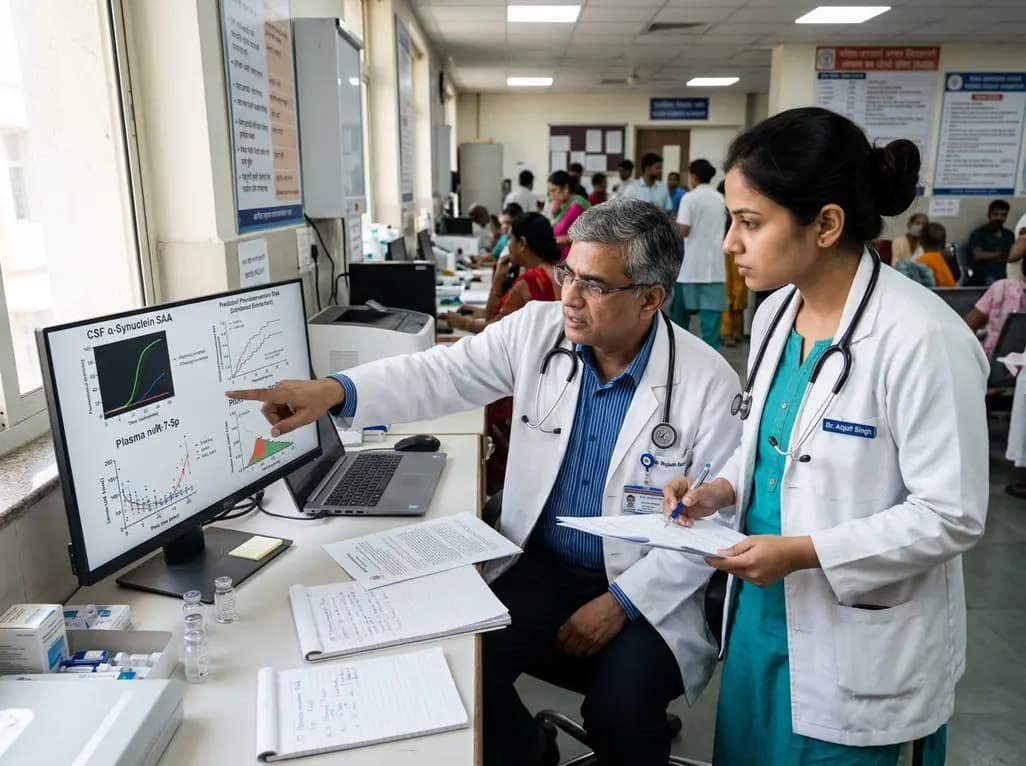
A new PPMI cohort study demonstrates that combining blood microRNA-7-5p with CSF alpha-synuclein seed amplification assay significantly improves the prediction of Parkinson's disease phenoconversion, offering clinicians and researchers a powerful tool for patient risk stratification and clinical trial enrichment.
Today
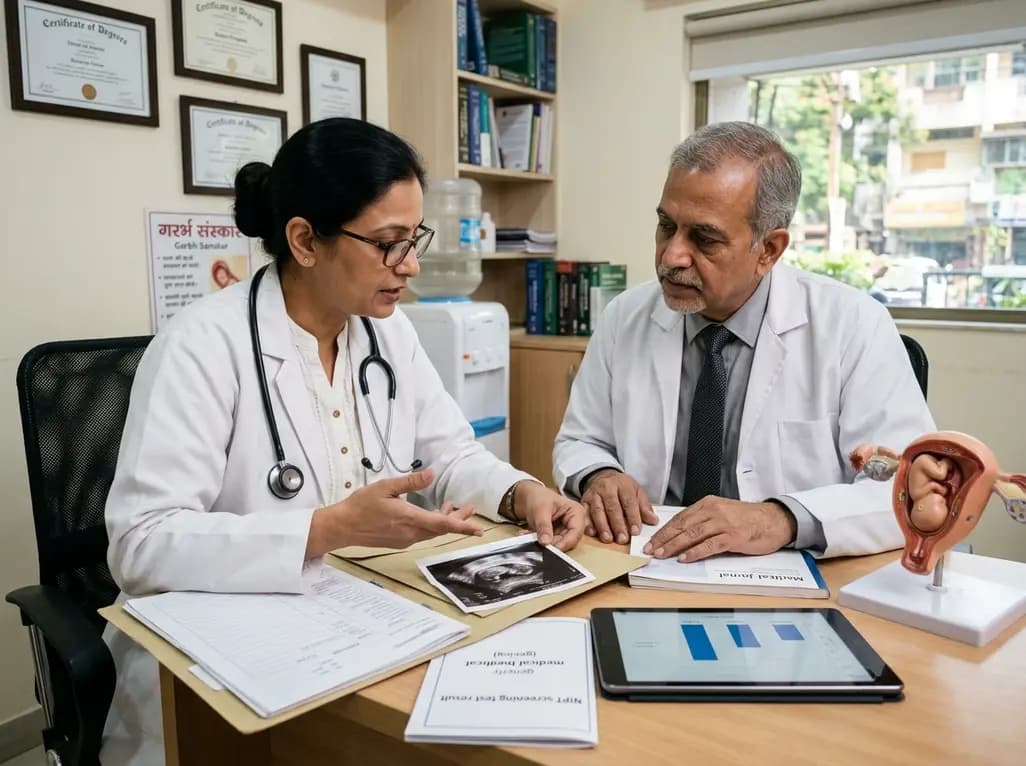
A large retrospective study evaluates the screening accuracy, positive predictive value, and test failure rates of noninvasive prenatal testing (NIPT) in assisted reproductive technology (ART) pregnancies compared to spontaneous conceptions, highlighting key considerations for pretest counseling.
Today
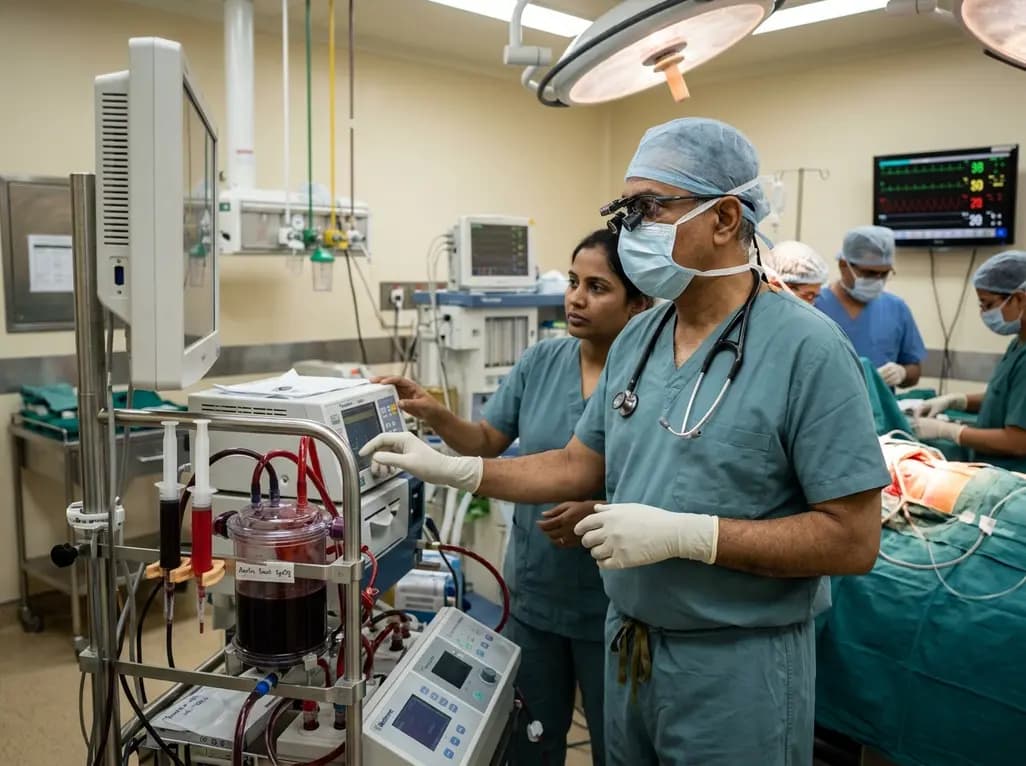
Differential oxygenation during peripheral TA-NRP can cause undetected coronary hypoxemia due to arch vessel clamping. A novel circuit with continuous aortic root monitoring detects desaturation early, facilitating left ventricular unloading and preventing allograft dysfunction and unnecessary heart discard.
Today
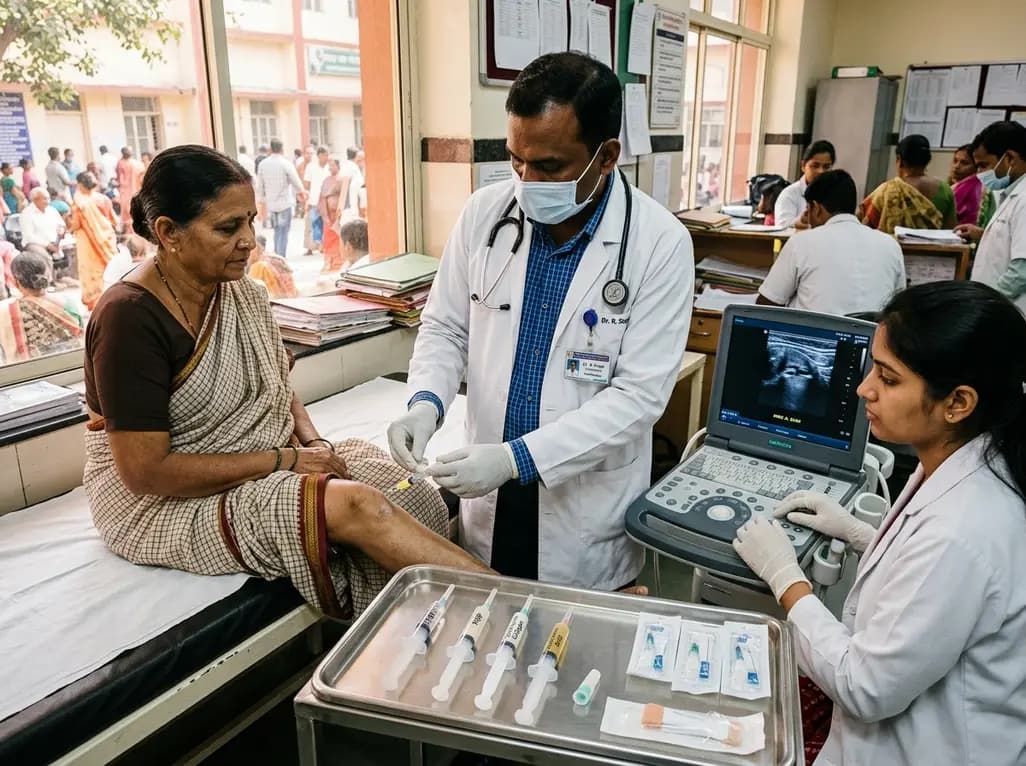
A randomized controlled trial compared ultrasound-guided intra-articular injections of PRP, hydrolyzed type I collagen, and hyaluronic acid in knee osteoarthritis. All therapies demonstrated significant improvements in WOMAC and pain scores at six months, supporting hydrolyzed collagen as a viable biological option.
Today

A scoping review evaluates 116 studies on AI in women's reproductive health, finding that 83.6% carry high risk of bias. While ensemble models show promise, disparities and lack of validation hinder LMIC deployment.
Today
