.webp&w=384&q=75)

Loading, please wait...
Loading, please wait...

The Government of Goa has officially classified snakebite envenomation and associated deaths under statutory public health law. Through this crucial regulatory update, authorities have made snake bite notifiable disease cases mandatory to report across all medical institutions. The Directorate of Health Services exercised powers under Section 57 of the Goa Public Health Act, 1985 to enact this directive. Consequently, healthcare providers must now systematically track every incident with immediate effect. This legislative move addresses long-standing gaps in epidemiological data collection across diverse clinical settings. Furthermore, the decision establishes a structured mechanism to record morbidity and mortality figures across primary, secondary, and tertiary centres. For clinicians practicing in Goa and neighbouring interstate corridors, this policy mandates direct participation in public health reporting. In addition, the notification aligns state policies with the national action framework designed to halve snakebite mortality. Medical practitioners must understand both the statutory obligations and the emergency clinical implications of this reform. Therefore, healthcare teams must review institutional protocols to ensure prompt diagnosis, timely reporting, and rapid therapeutic intervention.
Under the new state notification, snakebite joins the list of conditions governed by Part II of Chapter VII of the Goa Public Health Act. Specifically, Section 59 places a statutory obligation on every medical practitioner, hospital superintendent, and clinic administrator. If a practitioner encounters a snakebite patient or confirms a related death, they must notify local health authorities with the least practicable delay. Furthermore, Section 60 grants health officers the authority to inspect premises to evaluate environmental risk factors. Section 71 also empowers the state government to enforce special containment or prevention measures if snakebites surge in any geographic jurisdiction. Consequently, non-compliance with these reporting mandates may invite administrative scrutiny and regulatory penalties. Legal experts and medical associations emphasize that mandatory reporting provides the formal foundation for a statewide registry. Previously, health authorities relied heavily on fragmented hospital statistics, which often missed rural bite incidents. Therefore, this legal framework closes critical surveillance loopholes and promotes transparent public health monitoring across Goa.
Recent hospital data highlights the urgent need for comprehensive statewide monitoring. A clinical review conducted at Goa Medical College revealed 1,663 snakebite admissions and 30 deaths between 2020 and 2024. During this four-year observation window, the state recorded an average of 500 to 600 bite cases each year. In particular, admissions peaked sharply during the monsoon season, when clinical teams managed nearly two snakebite emergencies per day. Annual hospital fatalities at the tertiary institution fluctuated between two and seven deaths, reaching their highest peak in 2024. Moreover, many victims sustain bites in remote agrarian tracts or along forested interstate transit routes such as Anmod Ghat. Consequently, transit delays frequently exacerbate venom toxicity before patients reach equipped trauma facilities. The tragic death of a prominent community leader from neurotoxic envenomation underscored these geographical hurdles. Therefore, analyzing reliable registry data will help authorities identify high-risk pockets. Furthermore, clinicians can use local epidemiological insights to anticipate seasonal surges and allocate critical care resources effectively.
Effective clinical management begins with rapid triage and immediate stabilization of vital organ functions. Neurotoxic envenomation from elapid species presents a particularly aggressive clinical course that requires continuous vigilance. Clinicians must actively monitor patients for early neurotoxic signs, such as bilateral ptosis, diplopia, dysphagia, and descending skeletal muscle weakness. In severe envenomations, respiratory muscle paralysis progresses rapidly to fatal asphyxiation. Furthermore, post-mortem findings in rapid fatalities frequently demonstrate severe cerebral and pulmonary oedema resulting from profound hypoxia and direct venom toxicity. Therefore, emergency teams must secure the patient airway early through endotracheal intubation and mechanical ventilation. Healthcare providers should administer polyvalent anti-snake venom promptly whenever systemic envenomation signs emerge. In addition, clinicians can perform a trial of intravenous neostigmine accompanied by atropine to reverse post-synaptic neuromuscular blockade in cobra bites. However, medical staff must remain vigilant for acute anaphylactoid reactions to antivenom and keep intramuscular epinephrine immediately accessible.
A resilient emergency response network depends on the uninterrupted availability of anti-snake venom across all levels of care. Primary Health Centres and Community Health Centres represent the first line of defence for rural victims. Consequently, state health officials are optimizing the supply chain to ensure adequate antivenom stocks in peripheral clinics. In addition, rural facilities must maintain dependable cold-chain storage and functional bag-valve-mask resuscitators. Transit times along remote hilly highways often exceed the narrow therapeutic window for reversing neurotoxic paralysis. Therefore, empowering primary physicians to initiate early antivenom infusion and basic airway support prior to transfer significantly improves survival outcomes. Standardized transfer protocols must include continuous oxygenation and vascular access throughout ambulance transport. Moreover, healthcare administrators should conduct regular training workshops for peripheral medical officers regarding proper dosage calculation and adverse reaction management. Thus, strengthening peripheral health infrastructure ensures that legal reporting translates directly into saved human lives.
The establishment of a centralized snakebite registry aligns Goa with the National Action Plan for Prevention and Control of Snakebite Envenoming. This national initiative seeks to reduce snakebite-related deaths by fifty percent before 2030 through a comprehensive One Health approach. Systematic data reporting allows epidemiologists to map geographic hotspots, analyze venom variations, and track treatment outcomes. Furthermore, detailed epidemiological records help public health agencies deliver targeted community education in vulnerable agricultural zones. Workers in orchards, forest borders, and plantations can adopt preventive measures, such as wearing protective footwear and using torches during nocturnal travel. In addition, veterinary and wildlife authorities can coordinate with human health teams to manage human-reptile interactions safely. Clinicians play a foundational role in this multi-sectoral initiative by submitting accurate clinical data on standardized registry portals. Therefore, the mandatory reporting mandate transforms passive bedside documentation into an active public health intervention that enhances community resilience.
Q1: Why did the Goa government designate snakebite as a notifiable disease?
The state government notified snakebite cases under Section 57 of the Goa Public Health Act to establish a comprehensive surveillance registry. Mandatory reporting enables health authorities to accurately track epidemiological trends, identify high-risk geographical zones, and optimize anti-snake venom allocation. Furthermore, this policy ensures systematic recording of both public and private hospital admissions, ultimately reducing preventable mortalities across rural and forested communities.
Q2: What statutory reporting obligations do medical practitioners have under Section 59?
Under Section 59, every registered medical practitioner, hospital administrator, and healthcare facility manager must report snakebite cases and associated fatalities to local health authorities with the least practicable delay. This statutory requirement applies to both government and private clinical establishments. Consequently, failing to submit timely case details to the designated health officer or sanitary inspector may lead to formal administrative scrutiny.
Q3: What immediate clinical steps are essential when treating severe neurotoxic snakebites?
Immediate clinical management requires rapid airway evaluation, oxygen supplementation, and prompt administration of polyvalent anti-snake venom upon detecting systemic signs. Clinicians must closely monitor respiratory mechanics, as progressive bulbar and diaphragmatic paralysis can lead to fatal hypoxemia. In addition, physicians may administer an intravenous neostigmine trial with atropine for responsive elapid envenomation while preparing for emergency endotracheal intubation and mechanical ventilation.
Disclaimer: This content is for informational and educational purposes only. It does not constitute medical advice or replace professional judgment. Refer to the latest local and national guidelines for clinical practice.
References

Read summarized clinical updates, watch expert medical content, and earn CME certifications right from your smartphone.
Open your smartphone camera to scan and install.





The Directorate of Health Services in Goa has officially classified snakebite envenomation as a notifiable condition under the Goa Public Health Act. This policy requires healthcare providers to report every case promptly, enabling robust surveillance, equitable antivenom distribution, and enhanced emergency care.
last month
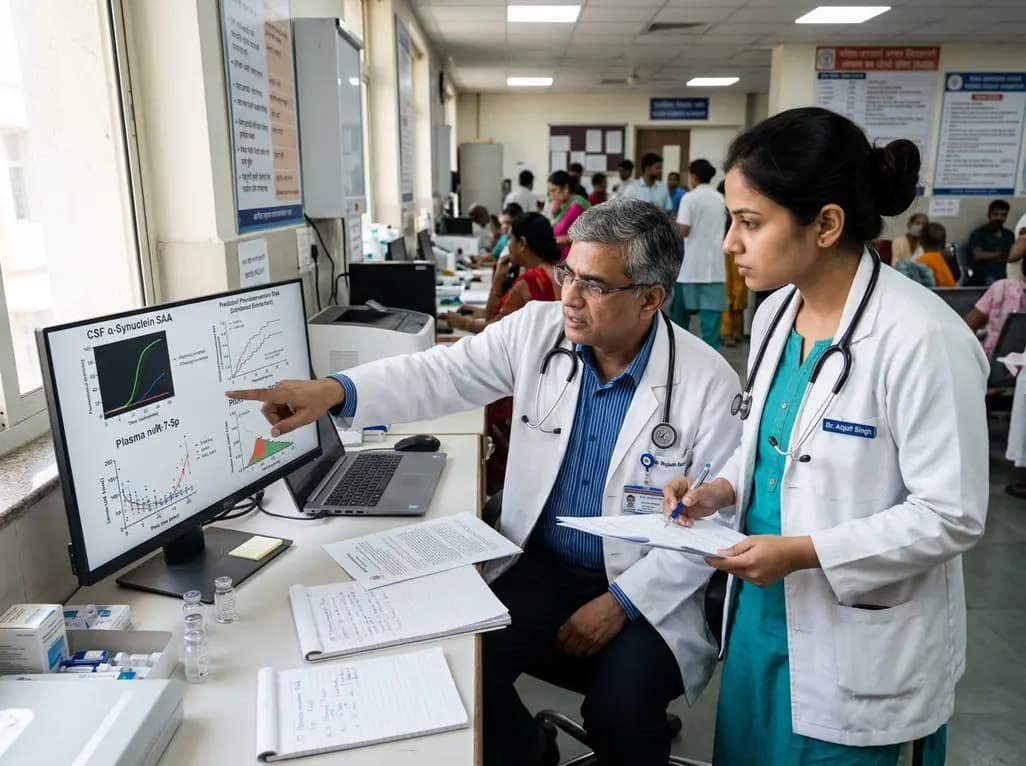
A new PPMI cohort study demonstrates that combining blood microRNA-7-5p with CSF alpha-synuclein seed amplification assay significantly improves the prediction of Parkinson's disease phenoconversion, offering clinicians and researchers a powerful tool for patient risk stratification and clinical trial enrichment.
Today
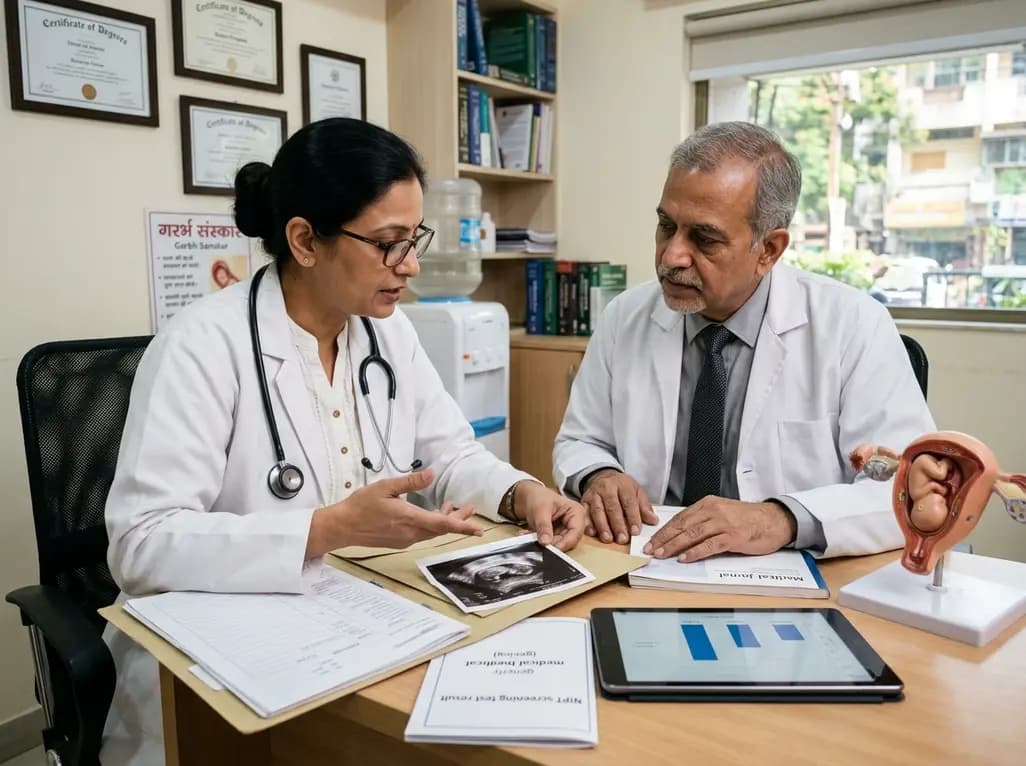
A large retrospective study evaluates the screening accuracy, positive predictive value, and test failure rates of noninvasive prenatal testing (NIPT) in assisted reproductive technology (ART) pregnancies compared to spontaneous conceptions, highlighting key considerations for pretest counseling.
Today
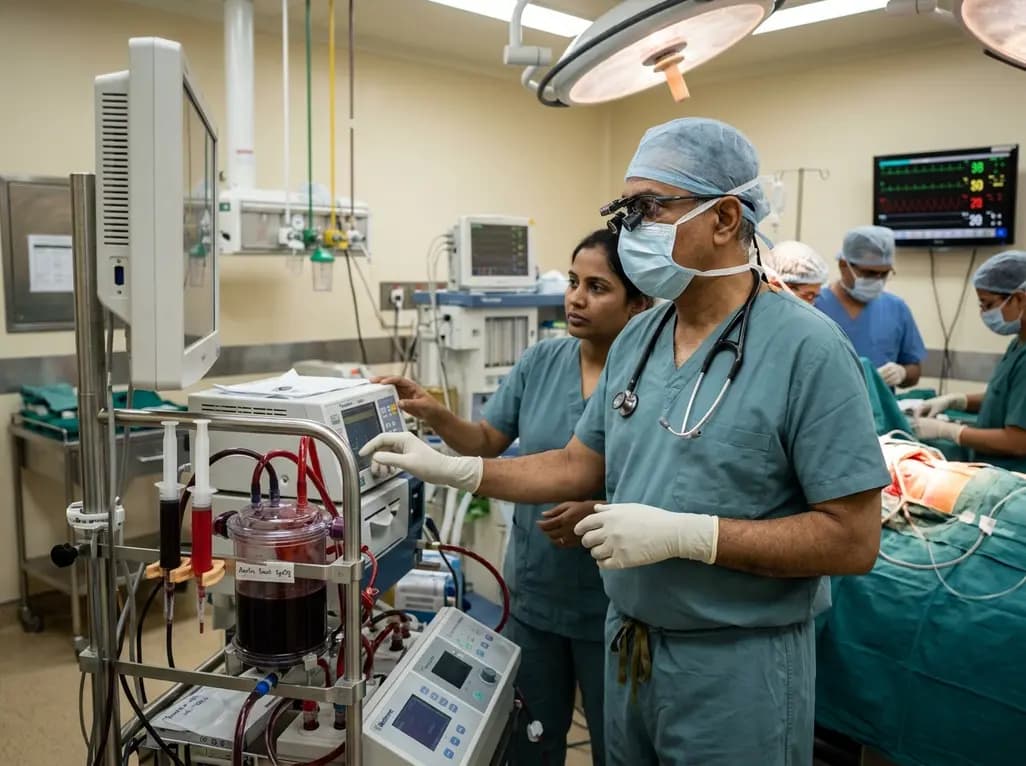
Differential oxygenation during peripheral TA-NRP can cause undetected coronary hypoxemia due to arch vessel clamping. A novel circuit with continuous aortic root monitoring detects desaturation early, facilitating left ventricular unloading and preventing allograft dysfunction and unnecessary heart discard.
Today
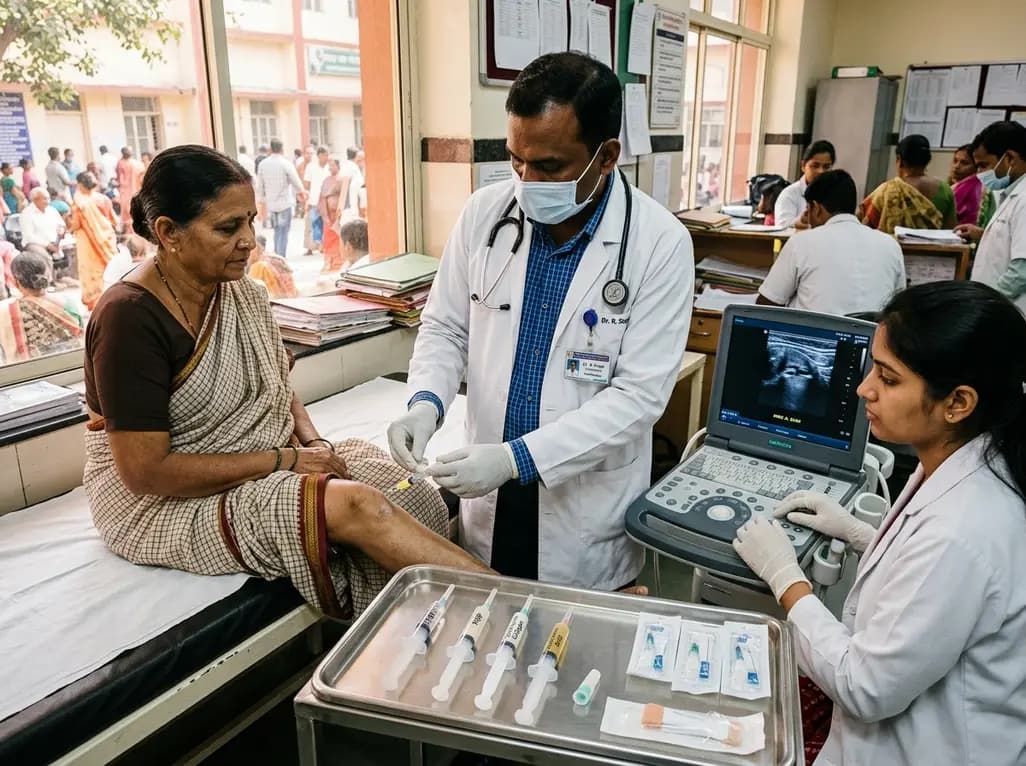
A randomized controlled trial compared ultrasound-guided intra-articular injections of PRP, hydrolyzed type I collagen, and hyaluronic acid in knee osteoarthritis. All therapies demonstrated significant improvements in WOMAC and pain scores at six months, supporting hydrolyzed collagen as a viable biological option.
Today

A scoping review evaluates 116 studies on AI in women's reproductive health, finding that 83.6% carry high risk of bias. While ensemble models show promise, disparities and lack of validation hinder LMIC deployment.
Today
