.webp&w=384&q=75)

Loading, please wait...
Loading, please wait...

Smartphone-based interventions have emerged as pivotal instruments for addressing expanding mental health burdens worldwide. Clinicians continually face obstacles in delivering prompt psychological support, particularly during public health crises when conventional clinics experience heavy strain. In response to this barrier, digital therapeutics provide structured cognitive and behavioral tools directly to mobile devices. Consequently, these mobile tools help bridge significant therapeutic gaps for distressed individuals who cannot access face-to-face consultations. The recent randomized controlled trial conducted by Zvolensky and colleagues offers crucial insights into this domain. Specifically, the trial examined how targeted mobile platforms alleviate symptoms of common affective disorders across diverse socioeconomic backgrounds. Depressive states and pathological anxiety often share overlapping cognitive vulnerabilities, including heightened anxiety sensitivity and maladaptive avoidance. Therefore, deploying accessible mobile platforms that directly target these cognitive mechanisms can transform community psychiatric care. Furthermore, mobile platforms empower patients to manage emotional distress autonomously in their daily living environments. This landmark trial highlights the feasibility and therapeutic potential of mobile health in diverse real-world settings.
Modern psychiatric practice increasingly recognizes the need for accessible self-management tools to supplement standard clinical protocols. Therefore, evaluating smartphone-based interventions through rigorous randomized controlled trials remains essential for evidence-based adoption. In this extensive study, investigators enrolled 822 racially and ethnically diverse adults presenting with elevated anxiety and depressive symptoms. Participants received either the EASE application or an active mindfulness and relaxation intervention. Notably, the EASE platform specifically targeted anxiety sensitivity, depression, and avoidance patterns through systematic cognitive restructuring. Conversely, the comparator application emphasized mindfulness techniques and somatic relaxation practices. Both cohorts exhibited remarkably high rates of active digital engagement across the six-month study period. At the six-month follow-up, between-group differences for primary depressive and anxiety scores remained statistically insignificant. However, within-person analyses demonstrated substantial and clinically meaningful symptom reductions in both study arms. In addition, participants exhibited significant decreases in probable diagnostic disorder status. Consequently, these findings confirm that both distinct digital strategies deliver comparable clinical utility for distressed adults.
Digital therapeutics typically target distinct psychological pathways to achieve symptom relief in distressed patients. Specifically, the EASE intervention focuses on reducing anxiety sensitivity, which represents the catastrophic fear of arousal-related sensations. When patients catastrophize normal physiological responses, their panic and depressive symptoms often intensify rapidly. Therefore, the application provides structured psychoeducation and cognitive reframing exercises to desensitize users to internal somatic cues. On the other hand, the mindfulness and relaxation program fosters nonjudgmental acceptance and conscious regulation of bodily tension. By guiding users through progressive muscle relaxation and breath awareness, it dampens autonomic hyperarousal effectively. Interestingly, both therapeutic approaches achieved meaningful reductions in core symptoms despite operating through disparate conceptual mechanisms. Furthermore, participants in both arms experienced notable declines in acute pandemic-related fears and daily emotional distress. These parallel outcomes suggest that structured daily engagement with emotional regulation tools may matter more than the specific therapeutic paradigm. Thus, physicians can confidently recommend either evidence-based modality depending on patient preference and individual cognitive style.
Long-term symptom durability represents a crucial benchmark for evaluating any psychiatric or behavioral intervention. Many self-help tools demonstrate immediate post-treatment benefits, yet patients frequently relapse once active prompting concludes. In this trial, investigators monitored participants through a comprehensive six-month assessment timeline. Importantly, participants maintained their clinical improvements in depression and anxiety throughout the entire six-month observational window. Within-person effect sizes confirmed persistent reductions in anxiety sensitivity and overall functional impairment. Furthermore, the proportion of individuals meeting criteria for probable clinical anxiety or major depressive disorder decreased substantially over time. These sustained benefits suggest that digital interventions facilitate genuine skill acquisition rather than temporary emotional distraction. As patients practice cognitive restructuring or mindfulness exercises repeatedly, these coping habits become integrated into daily behavioral repertoires. Consequently, individuals develop greater psychological resilience when encountering subsequent life stressors. Primary care clinicians can therefore view verified mobile applications as durable therapeutic instruments rather than short-term stopgaps.
Health disparities historically limit access to evidence-based psychotherapy among minoritized and underserved communities. Crucially, this clinical trial prioritized an equitable demographic distribution across four distinct racial and ethnic cohorts. The study population comprised equal representations of African American, American Indian, Latinx, and non-Latinx White participants. Historically, racial and ethnic minorities encounter systemic obstacles, including cultural stigma, geographic separation, and prohibitive therapy costs. Therefore, demonstrating high engagement and clinical benefit across diverse cohorts represents a major breakthrough in psychiatric research. Exploratory subgroup analyses indicated variable patterns of within-condition symptom trajectory across different cultural groups. Although the study lacked statistical power to confirm formal moderation effects, the overall retention remained robust across all groups. Consequently, digital platforms demonstrate remarkable potential for democratizing mental health resources in historically marginalized populations. By removing traditional clinic barriers, mobile applications provide culturally adaptable care directly into underserved households. Healthcare systems can thus leverage digital platforms to diminish pervasive disparities in psychiatric treatment delivery.
General practitioners and internal medicine physicians frequently serve as the initial point of contact for anxious and depressed patients. However, severe shortages of licensed psychiatrists and clinical psychologists often impede timely referrals. In countries like India, where the treatment gap for common mental disorders exceeds seventy percent, scalable alternatives are imperative. Smartphone-based therapeutics offer an extraordinary opportunity to deliver evidence-based interventions within resource-constrained healthcare environments. Physicians can prescribe or recommend validated digital apps during primary consultations to initiate immediate psychological support. Furthermore, digital tools can function effectively as standalone initial interventions for mild-to-moderate symptoms or as adjuncts to pharmacotherapy. Clinicians must, nevertheless, monitor adherence and evaluate symptom progression through periodic clinical check-ins. If a patient exhibits persistent severe symptoms or active suicidal ideation, immediate in-person psychiatric escalation remains essential. Ultimately, integrating digital therapeutics into primary care workflows creates a comprehensive, stepped-care framework. This innovative approach optimizes limited psychiatric infrastructure while expanding access to millions of untreated individuals.
While mobile interventions expand access, physicians must maintain clear governance regarding patient safety and therapeutic boundaries. Specifically, digital mental health tools serve best as low-intensity interventions within a structured stepped-care pathway. Clinicians should educate patients that mobile apps supplement rather than replace comprehensive psychiatric evaluations when severe illness exists. Furthermore, doctors must assess digital literacy and smartphone access before recommending specialized software to vulnerable populations. Practitioners should also establish baseline symptom severity using validated screening instruments such as the PHQ-9 and GAD-7. In addition, providers need clear protocols to address acute psychiatric deterioration or emergent crisis states during remote interventions. When patients exhibit high suicide risk, clinicians must bypass automated applications in favor of direct emergency psychiatric intervention. Nevertheless, for the vast majority of individuals suffering from elevated distress, digital therapeutics provide safe, empowering, and accessible relief. Consequently, integrating responsible physician oversight with user-friendly digital tools creates an effective model for modern mental healthcare delivery.
Smartphone-based interventions provide significant symptom reductions for mild-to-moderate anxiety and depression, though they do not fully replace formal in-person psychotherapy for complex disorders. Instead, they serve as highly scalable first-line or adjunctive tools. They deliver evidence-based cognitive and mindfulness strategies directly to patients who face financial or geographic barriers to specialized care.
Adults experiencing elevated stress, mild-to-moderate depressive symptoms, or situational anxiety benefit substantially from smartphone-based interventions. Motivated individuals who possess smartphone access and prefer self-guided care show high engagement. However, patients with severe clinical depression, active psychosis, or acute suicidal ideation require immediate supervised psychiatric care and in-person clinical management.
Primary care physicians can recommend validated mental health applications during initial consultations for patients presenting with mild-to-moderate distress. Clinicians should establish baseline severity with standardized screening tools, schedule regular follow-up reviews to assess symptom trajectories, and provide pharmacotherapy or specialized psychiatric referrals whenever patients fail to show adequate clinical improvement.
Disclaimer: This content is for informational and educational purposes only... Refer to the latest local and national guidelines for clinical practice.
References

Read summarized clinical updates, watch expert medical content, and earn CME certifications right from your smartphone.
Open your smartphone camera to scan and install.





A randomized controlled trial evaluated smartphone-based interventions for anxiety and depressive symptoms across diverse adults. Both cognitive-behavioral and mindfulness apps led to significant symptom reductions over six months, demonstrating the clinical scalability of digital therapeutics.
Today

A mixed-methods within-subject study reveals that patients report significantly higher overall satisfaction, clearer communication, and greater staff courtesy in an acute palliative care unit compared to prior non-palliative hospital stays, despite persistent logistical challenges like nursing response times.
Today

A recent cohort study reveals that reproductive-age women with cerebral venous thrombosis have nearly double the odds of developing intracranial hypertension compared to older women. Superior sagittal and lateral sinus occlusions heighten this risk, predisposing patients to persistent visual impairment.
Today
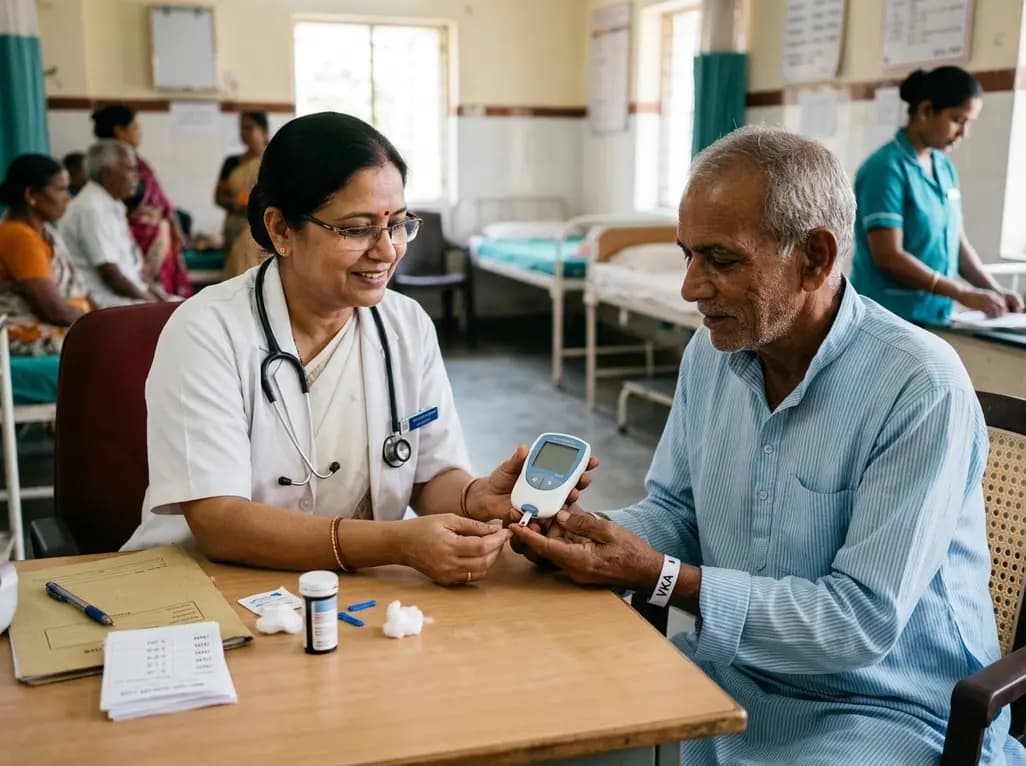
A new implementation study demonstrates that an integrated home INR monitoring network for vitamin K antagonist therapy cuts test turnaround times from three hours to 20 minutes, enhancing clinical oversight, diagnostic accuracy, and patient quality of life.
Today

Diagnostic data shows that nearly one in four spine investigations now involve patients younger than 40 years. This comprehensive overview explores the drivers behind this demographic trend, evaluates ergonomic hazards, clarifies red-flag signs, and highlights clinical indications for judicious diagnostic imaging.
Today

A study reveals how adrenal hormones maintain glucose homeostasis during prolonged fasting when glucagon is absent. In glucagon-deficient mice, corticosterone-driven lipolysis prevents severe hypoglycemia, offering key insights for managing counterregulatory failure and fasting in diabetes.
Today
