.webp&w=384&q=75)

Loading, please wait...
Loading, please wait...

Evaluating patient experience across clinical settings provides critical insight into healthcare quality and hospital performance. In modern tertiary care, an acute palliative care unit provides specialized symptom control, holistic relief, and dedicated communication. However, empirical studies rarely evaluate how individual patients perceive care across consecutive hospitalizations within distinct environments. A prospective observational study recently addressed this gap by comparing inpatient experiences between standard hospital wards and an acute palliative care unit. Consequently, the investigators revealed meaningful improvements in patient satisfaction and relational engagement during specialized palliative admissions.
Hospitalization often overwhelms patients navigating advanced cancer and life-limiting chronic diseases. In conventional inpatient wards, physicians primarily focus on disease modification, urgent diagnostics, and acute stabilization. As a result, healthcare teams frequently underemphasize holistic symptom control and emotional counseling. In contrast, an acute palliative care unit focuses specifically on rapid symptom stabilization, empathetic communication, and psychological support. While prior cross-sectional studies show that palliative teams improve quality of life, few researchers compare the same patient across different ward settings. Disease severity and personal outlook vary substantially among individuals, which frequently confounds comparative studies. Therefore, within-subject comparisons offer superior scientific rigor by allowing each patient to act as their own control. By evaluating consecutive admissions within a single month, researchers can isolate the true effect of specialized ward organization. Understanding these patient perspectives helps clinicians identify systemic strengths and refine inpatient supportive care.
This prospective, single-centre, mixed-methods observational study enrolled patients admitted to a specialized hospital palliative unit. To ensure direct comparability, eligible patients required a preceding non-palliative hospital admission within the prior thirty days. The researchers screened 374 consecutive admissions representing 316 unique patients during the study period. Ultimately, 38 patients successfully completed the comprehensive assessment protocol. Severe functional decline, rapid clinical deterioration, and acute delirium prevented many screened individuals from completing interviews. The research team evaluated overall satisfaction as the primary endpoint using validated questionnaires. Furthermore, investigators tracked secondary measures such as communication clarity, emotional expression, and ward shortcomings. Statistical analysis confirmed that total length of stay did not differ significantly between admissions (p = 0.736). Consequently, differences in perceived care quality did not arise from hospital duration. Instead, the differences reflected distinct variations in clinical care culture and bedside interactions.
The study showed significantly higher overall satisfaction during the palliative unit stay compared to previous non-palliative admissions. Median satisfaction reached 4 (IQR 4-5) during the palliative stay versus 4 (IQR 2.25-4) during conventional hospitalization (p = 0.0005, Holm-adjusted p = 0.005). Furthermore, exploratory analyses highlighted key advantages in interpersonal dialogue and emotional support. Participants reported a significantly greater ability to share personal worries with clinical staff on the palliative ward (p = 0.021). Additionally, patients noted that palliative clinicians provided substantially clearer answers regarding their clinical condition (p = 0.013). Staff courtesy emerged as another distinct differentiator between the two settings. Specifically, 11 participants praised staff courtesy during their palliative admission, whereas only 2 participants noted courtesy in general wards. These findings demonstrate that dedicated palliative clinicians prioritize active listening and emotional presence. Consequently, patients feel valued as individuals rather than merely viewed as disease cases.
Although relational scores improved remarkably, the study revealed persistent operational hurdles across both hospital environments. Interestingly, 57.9% of participants reported at least one unsatisfactory aspect in both admissions. However, the underlying nature of these grievances shifted significantly between settings. In general wards, complaints centered primarily on relational neglect, impersonal attitudes, and uncomfortable physical surroundings. Conversely, dissatisfaction on the palliative ward focused almost entirely on operational issues. Specifically, patients reported delays in nursing call-bell response times and expressed frustration over food quality. Advanced cancer patients often suffer from severe anorexia, altered taste, and fatigue. Consequently, unappealing meals worsen nutritional intake and cause psychological distress. Similarly, slow nursing assistance increases anxiety among immobilized patients requiring prompt symptom relief or toileting help. These findings demonstrate that interpersonal empathy cannot fully compensate for operational delays. Hospital administrators must address basic ward logistics to optimize the patient experience.
The findings offer critical practical guidance for oncology departments and healthcare systems across India. In Indian tertiary hospitals, high patient volume and crowded wards often leave clinicians with minimal time for extensive bedside communication. Under intense pressure, medical teams frequently overlook emotional distress and caregiver strain. Establishing dedicated inpatient palliative care units allows institutions to address these persistent challenges directly. Specialized palliative clinicians deliver expert pain titration, alleviate distressing refractory symptoms, and lead culturally sensitive goals-of-care conversations. In addition, palliative units streamline discharge coordination, assisting families in transitioning toward home-based palliative care. However, hospital administrators must recognize that clinical empathy alone cannot resolve systemic logistical delays. Healthcare facilities must simultaneously maintain adequate nurse-to-patient staffing ratios and provide customized nutrition plans for cachectic patients. By combining compassionate communication with efficient bedside support, Indian healthcare institutions can substantially elevate quality of care for patients with advanced illnesses.
An acute palliative care unit prioritizes comprehensive symptom relief, psychological comfort, and shared decision-making rather than aggressive disease modification alone. In conventional hospital wards, medical teams often focus on diagnostic procedures and rapid disease stabilization. Conversely, specialized palliative units utilize multidisciplinary teams trained in empathetic communication, advanced pain management, and holistic family support. This targeted approach improves patient satisfaction, clarifies prognosis, and reduces existential distress for patients with life-limiting illnesses.
Overall patient satisfaction largely depends on interpersonal connection, empathetic communication, and compassionate care from healthcare professionals. In the study, patients placed tremendous value on clear medical explanations, staff politeness, and the opportunity to share personal worries. Although operational issues like delayed nursing assistance and unappealing food persisted, the profound improvement in clinician-patient rapport outweighed logistical inconveniences. Consequently, relational quality remains the primary driver of perceived care excellence among hospitalized patients with advanced illnesses.
Indian healthcare institutions should establish dedicated acute palliative wards staffed by multidisciplinary clinicians trained in pain management and communication. In addition, hospitals must optimize nursing staffing levels to minimize response delays for immobilized patients seeking symptom relief. Hospital dietary departments should also develop tailored nutritional plans that cater to cachectic or nauseated oncology patients. Finally, institutions should integrate routine palliative care training across all inpatient specialties to ensure consistent, compassionate delivery across all hospital wards.
Disclaimer: This content is for informational and educational purposes only. It is not intended to substitute professional medical advice, diagnosis, or treatment. Refer to the latest local and national guidelines for clinical practice.
References

Read summarized clinical updates, watch expert medical content, and earn CME certifications right from your smartphone.
Open your smartphone camera to scan and install.





A mixed-methods within-subject study reveals that patients report significantly higher overall satisfaction, clearer communication, and greater staff courtesy in an acute palliative care unit compared to prior non-palliative hospital stays, despite persistent logistical challenges like nursing response times.
Today

A recent cohort study reveals that reproductive-age women with cerebral venous thrombosis have nearly double the odds of developing intracranial hypertension compared to older women. Superior sagittal and lateral sinus occlusions heighten this risk, predisposing patients to persistent visual impairment.
Today
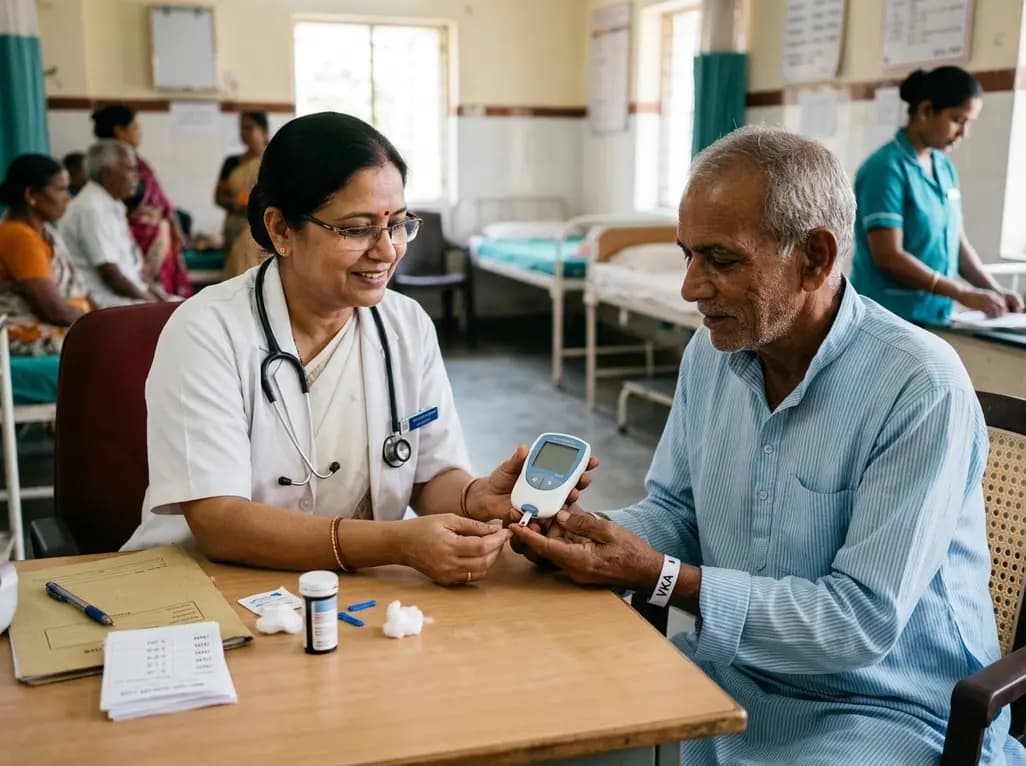
A new implementation study demonstrates that an integrated home INR monitoring network for vitamin K antagonist therapy cuts test turnaround times from three hours to 20 minutes, enhancing clinical oversight, diagnostic accuracy, and patient quality of life.
Today

Diagnostic data shows that nearly one in four spine investigations now involve patients younger than 40 years. This comprehensive overview explores the drivers behind this demographic trend, evaluates ergonomic hazards, clarifies red-flag signs, and highlights clinical indications for judicious diagnostic imaging.
Today
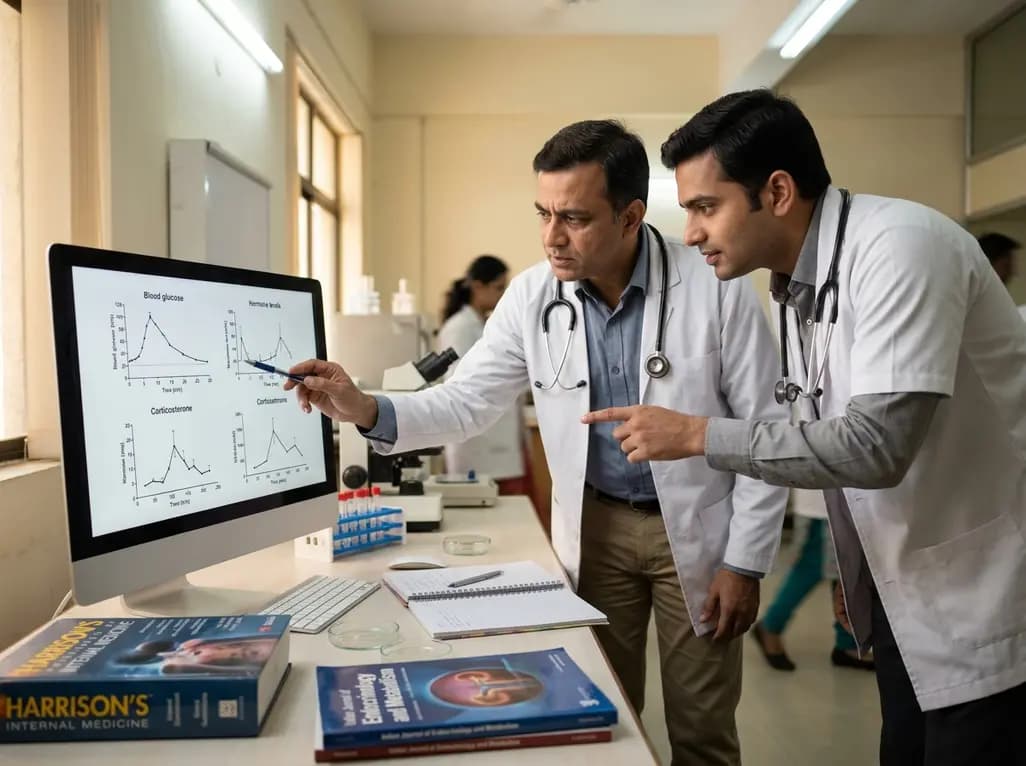
A study reveals how adrenal hormones maintain glucose homeostasis during prolonged fasting when glucagon is absent. In glucagon-deficient mice, corticosterone-driven lipolysis prevents severe hypoglycemia, offering key insights for managing counterregulatory failure and fasting in diabetes.
Today
