.webp&w=384&q=75)

Loading, please wait...
Loading, please wait...
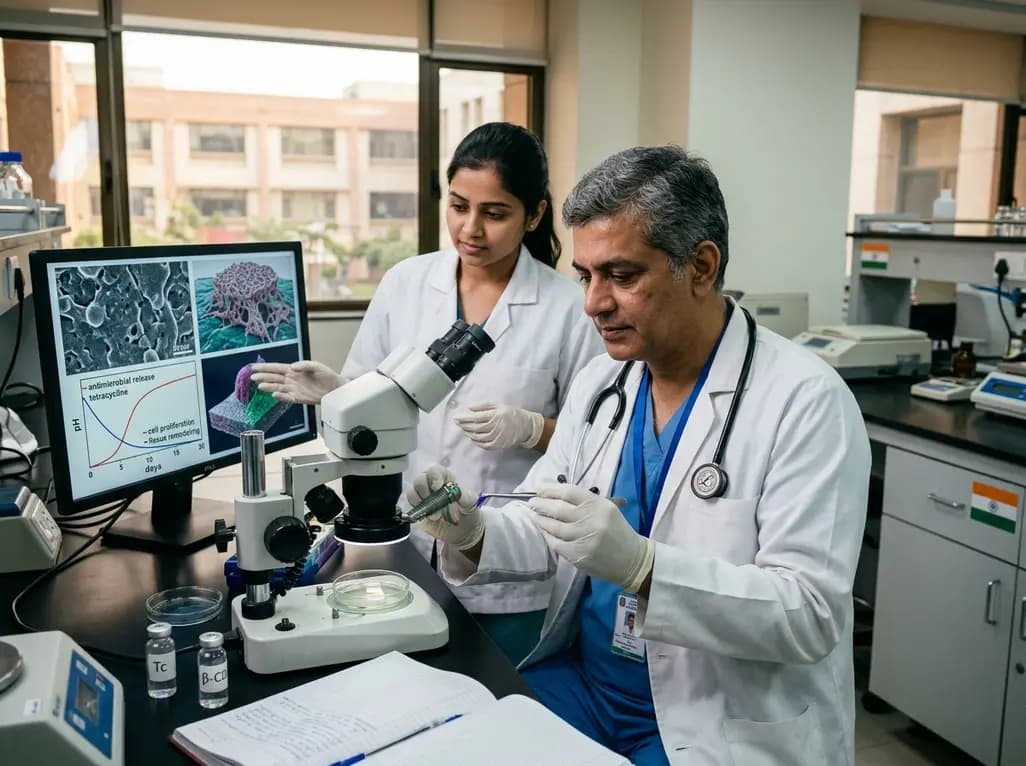
Dental implants offer high success rates for replacing missing teeth, yet peri-implant diseases remain a major clinical concern in modern restorative dentistry. Biofilm formation on exposed titanium surfaces triggers chronic peri-implant inflammation, leading to progressive soft tissue destruction and supportive alveolar bone loss. Traditional non-surgical and surgical interventions relying on mechanical debridement combined with systemic antiseptics often fail to eliminate complex microbial biofilms completely or prevent reinfection. Furthermore, persistent inflammation disrupts the biological mucosal seal surrounding transmucosal abutments, creating a pathway for ongoing bacterial entry. To address these therapeutic challenges, researchers are actively developing novel surface engineering solutions, including smart implant coatings designed to provide targeted antimicrobial action while promoting soft tissue repair. These multifunctional coatings protect titanium abutment interfaces, deliver sustained antibacterial action, and modulate immune responses to foster tissue regeneration. Understanding these emerging smart implant coatings is crucial for dental practitioners seeking to minimize peri-implantitis complications and optimize long-term clinical outcomes.
Dynamic biomaterials utilizing layer-by-layer (LbL) self-assembly allow precise nanoscale control over surface architecture and therapeutic drug release. A recently developed drug delivery platform applies LbL coatings to titanium abutment surfaces, combining tetracycline complexed with anionic beta-cyclodextrin and an outer pH-responsive poly(methacrylic acid) (PMAA) film. Beta-cyclodextrin serves as a molecular host that solubilizes and stabilizes tetracycline, ensuring controlled local drug delivery without compromising antibiotic potency. The outer PMAA layer acts as a microenvironment-sensitive gatekeeper. Under normal physiological conditions, the polymer coating remains intact. However, when bacterial colonization and biofilm growth lower local microenvironmental pH through metabolic acid production, the PMAA film undergoes structural conformational changes that accelerate antibiotic release right at the infection interface. Additionally, this LbL surface modification enhances surface wettability and reduces biological micro-roughness compared to bare titanium surfaces. This engineered interface discourages initial bacterial adhesion while providing an optimal substrate for host cell attachment and soft tissue integration.
The antimicrobial efficacy of these advanced coatings was rigorously evaluated in a rat subcutaneous infection model using complex polymicrobial biofilms obtained from peri-implantitis patients. Coated titanium implants were compared against contaminated bare titanium controls over a seven-day period. Microbiological analyses demonstrated that bare titanium controls exhibited rapid bacterial proliferation, resulting in localized purulent exudate formation. Conversely, titanium surfaces coated with LbL drug-delivery systems maintained sustained antibacterial activity, achieving greater than a 3 log reduction in viable bacterial counts at both day 1 and day 7 post-implantation. Confocal microscopic evaluation confirmed pronounced microbicidal effects, showing widespread bacterial cell wall damage and significant reduction in biofilm volume, particularly within the PMAA-modified experimental group. By delivering targeted antibiotic concentrations directly at the biomaterial surface, the smart coating successfully overcomes biofilm physical barriers. This localized pharmacological action prevents persistent microbial colonization and shields surrounding peri-implant tissues from continuous bacterial challenge and toxin exposure.
Controlling bacterial colonization is essential, but suppressing excessive host inflammatory responses is equally vital for long-term tissue stability around implants. Preclinical evaluation revealed that untreated titanium controls induced intense local neutrophil infiltration and suppurative exudate. In contrast, implants coated with smart surface technology exhibited minimal inflammatory responses and complete absence of purulent exudate. Biomarker profiling demonstrated that the multifunctional LbL coating modulated local immune pathways by downregulating pro-inflammatory cytokines while simultaneously increasing anti-inflammatory mediators in surrounding peri-implant tissues. This immunomodulatory effect stems from rapid microbial suppression combined with favorable surface biocompatibility. By dampening chronic inflammatory cascades, the smart coating shields surrounding connective tissues from destructive bystander damage. Furthermore, establishing a balanced cytokine microenvironment inhibits excessive osteoclastogenesis and supports healthy cellular migration. Reducing chronic tissue irritation fosters a stable transmucosal biological seal, which acts as a primary defense against secondary microbial invasion.
Establishing a stable soft tissue cuff around titanium abutments requires active connective tissue regeneration and extracellular matrix deposition. In vitro studies using human fibroblast cultures demonstrated that the LbL tetracycline-cyclodextrin PMAA coating significantly upregulated genes responsible for collagen synthesis and tissue remodeling. Histological evaluations in vivo corroborated these findings, demonstrating enhanced collagen fiber deposition and accelerated connective tissue maturation around coated implants. The combination of LbL, tetracycline-cyclodextrin, and PMAA produced dense, highly organized collagen structures compared to untreated controls. Beyond its established antimicrobial action, tetracycline acts as an inhibitor of matrix metalloproteinases, preventing early enzymatic degradation of newly synthesized extracellular matrix proteins. This dual mechanism—promoting collagen gene expression while simultaneously protecting matrix integrity—accelerates connective tissue integration. Consequently, the coating creates a resilient peri-implant mucosal seal that reinforces mechanical stability and biological integration at the implant interface.
Smart surface coatings represent a significant technological advancement in peri-implantitis management and restorative dental practice. Traditional therapeutic strategies often yield inconsistent long-term success because mechanical debridement cannot guarantee complete surface decontamination. Incorporating pH-responsive, drug-releasing coatings directly onto titanium abutment interfaces provides a proactive defense system operating immediately after surgical placement. Localized drug delivery achieves high therapeutic antibiotic concentrations directly at the target site while avoiding systemic toxicity and reducing antibiotic resistance risks. Furthermore, combining antimicrobial biofilm suppression with immunomodulatory and tissue-regenerative properties addresses both the infectious cause and host tissue destruction characteristic of peri-implantitis. Although additional translational studies and human clinical trials are necessary to confirm long-term coating durability under mechanical loading, smart coatings hold immense potential to transform dental implant therapy, improve soft tissue healing, and lower late implant failure rates.
Smart implant coatings utilize stimuli-responsive polymers, such as poly(methacrylic acid), that react directly to local microenvironmental shifts. When pathogenic bacteria form biofilms, their metabolic activities lower localized pH levels. This acidic change triggers structural shifts in the coating polymer, accelerating the release of encapsulated antibiotics like tetracycline. This targeted delivery mechanism ensures that therapeutic agents are released precisely when active bacterial threats occur, maximizing local efficacy while preserving film stability during healthy states.
In addition to suppressing broad-spectrum bacterial growth, tetracycline acts as a matrix metalloproteinase inhibitor and tissue-remodeling catalyst. When complexed with anionic beta-cyclodextrin within layer-by-layer coatings, tetracycline upregulates host genes responsible for collagen synthesis and extracellular matrix formation. Simultaneously, it prevents enzymatic breakdown of newly formed matrix proteins. This dual capability reduces local inflammatory damage and actively promotes dense, mature connective tissue attachment around titanium implant abutments.
A dense, well-organized peri-implant soft tissue seal functions as a vital biological barrier that protects underlying alveolar bone from oral bacteria. When soft tissue healing is compromised, oral pathogens easily penetrate deeper transmucosal areas, leading to progressive peri-implant mucositis and destructive peri-implantitis. Smart coatings that enhance fibroblast activity, promote structured collagen deposition, and attenuate local cytokine expression help establish a resilient connective tissue cuff, ensuring long-term mechanical stability and biological integration.
Disclaimer: This content is for informational and educational purposes only and does not constitute medical advice. Refer to the latest local and national guidelines for clinical practice.
References

Read summarized clinical updates, watch expert medical content, and earn CME certifications right from your smartphone.
Open your smartphone camera to scan and install.





A novel pH-responsive layer-by-layer smart implant coating incorporating tetracycline and beta-cyclodextrin demonstrates sustained antimicrobial action and accelerates peri-implant soft tissue remodeling in preclinical models.
last month

A retrospective cohort study demonstrates that comprehensive pharmacy transitions of care—including admission medication history, discharge review, and 72-hour telephone follow-up—significantly reduced 30-day readmission rates in acute care patients, highlighting the value of pharmacist-led clinical interventions.
Today

Meghalaya recorded a historic 55% reduction in maternal deaths, dropping from 244 to 107 over five years. Through the MOTHER app, dedicated transit homes, and expanded infrastructure like the 150-bed Tura Maternity Hospital with its first public NICU, the state demonstrates an effective public health model.
Today

Explore modern perioperative management protocols for clinical xenotransplantation. Learn how costimulation blockade, anti-inflammatory perfusion, and coagulopathy rescue overcome interspecies hurdles.
Today

A cross-sectional study reveals that sarcopenic obesity independently increases functional impairment and severe disc degeneration in patients with degenerative lumbar spinal stenosis, highlighting the need for body composition assessment.
Today
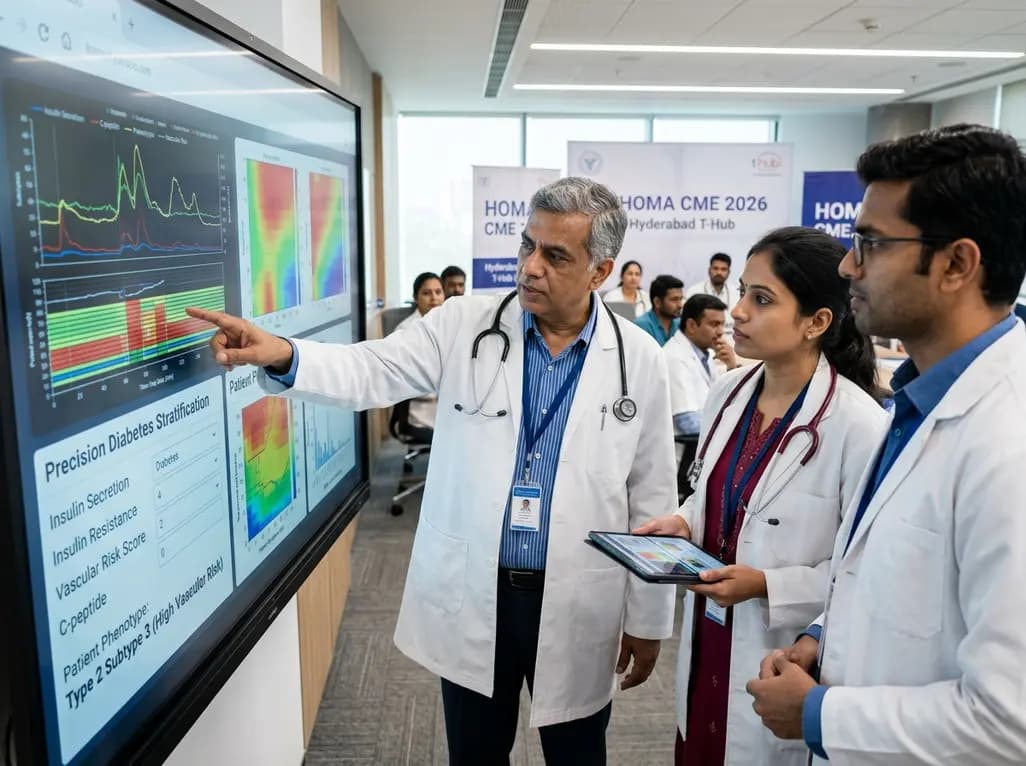
At Homa CME 2026 at Hyderabad's T-Hub, healthcare leaders emphasized moving beyond routine metrics through digital calculators and precision stratification. Discover why characterizing individual insulin secretion, resistance patterns, and vascular risks transforms chronic metabolic care in India.
Today
